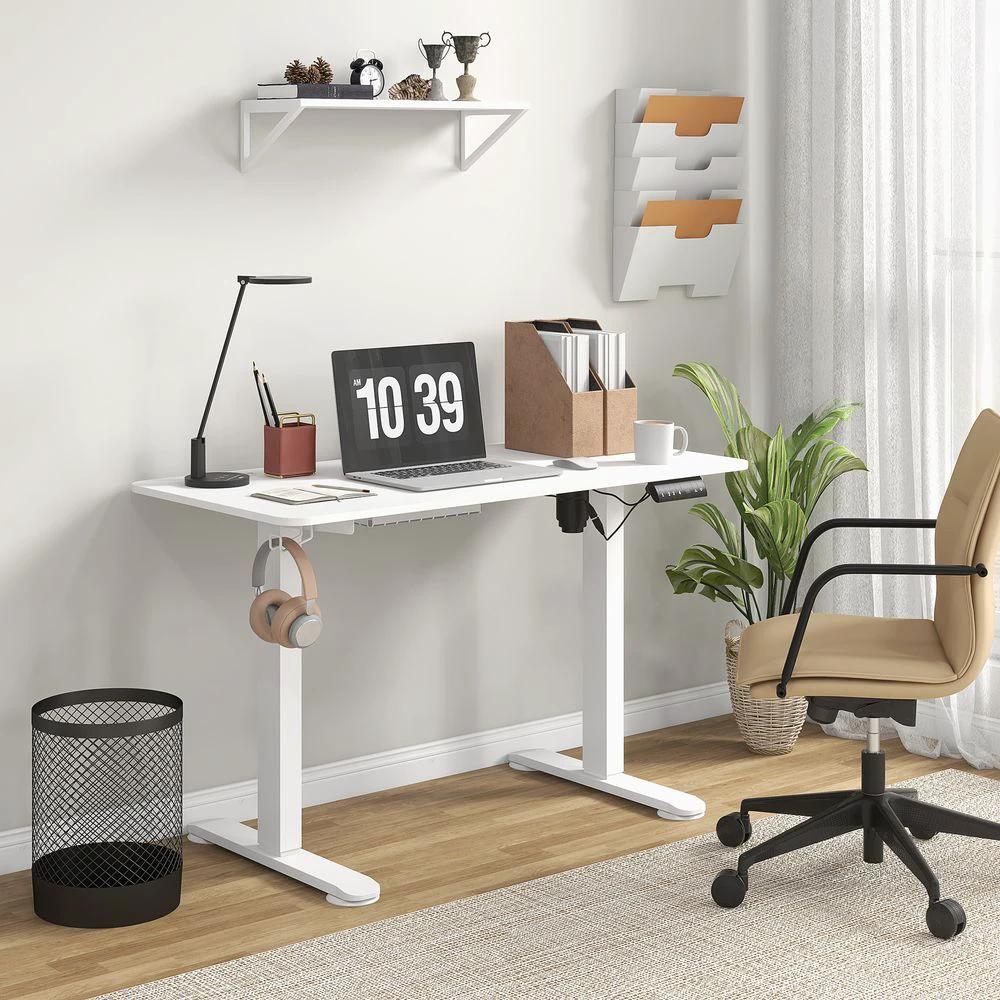
Working out if the height range fits you
This is the thing worth checking before anything else. The rough guide for standing is that the desk surface should sit around elbow height when your arms are bent at about ninety degrees. For most adults that lands somewhere between 95cm and 115cm depending on height.
A 73cm to 118cm range covers the large majority of people. If you're over about 6ft 3in you may find the top of the range tight, particularly if you wear thick-soled shoes. If you're under about 5ft you may find the seated minimum slightly high, though a footrest solves that easily.
Measure your elbow height standing in the shoes you normally wear indoors, then check it against the maximum height on the product page.
Single motor or dual motor
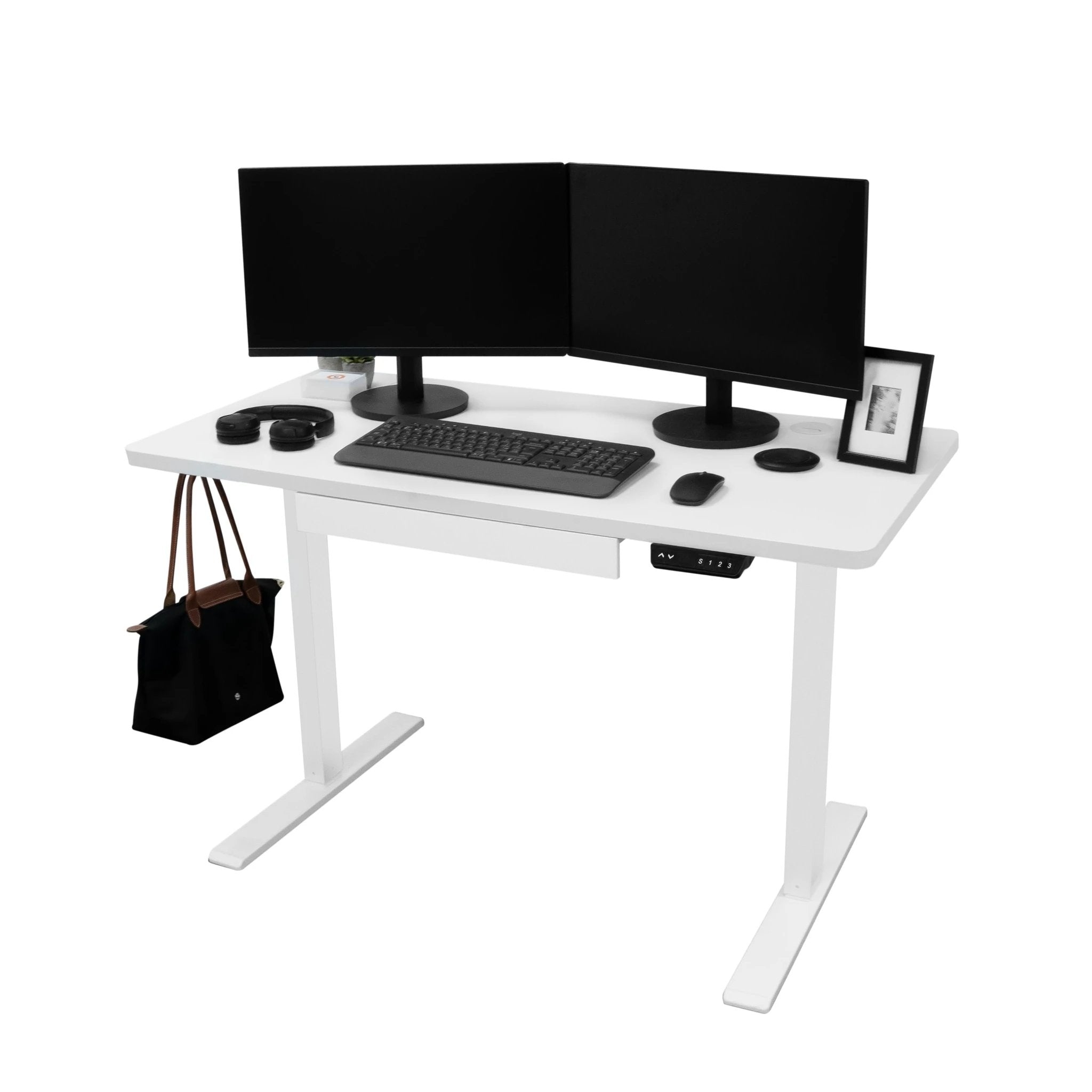
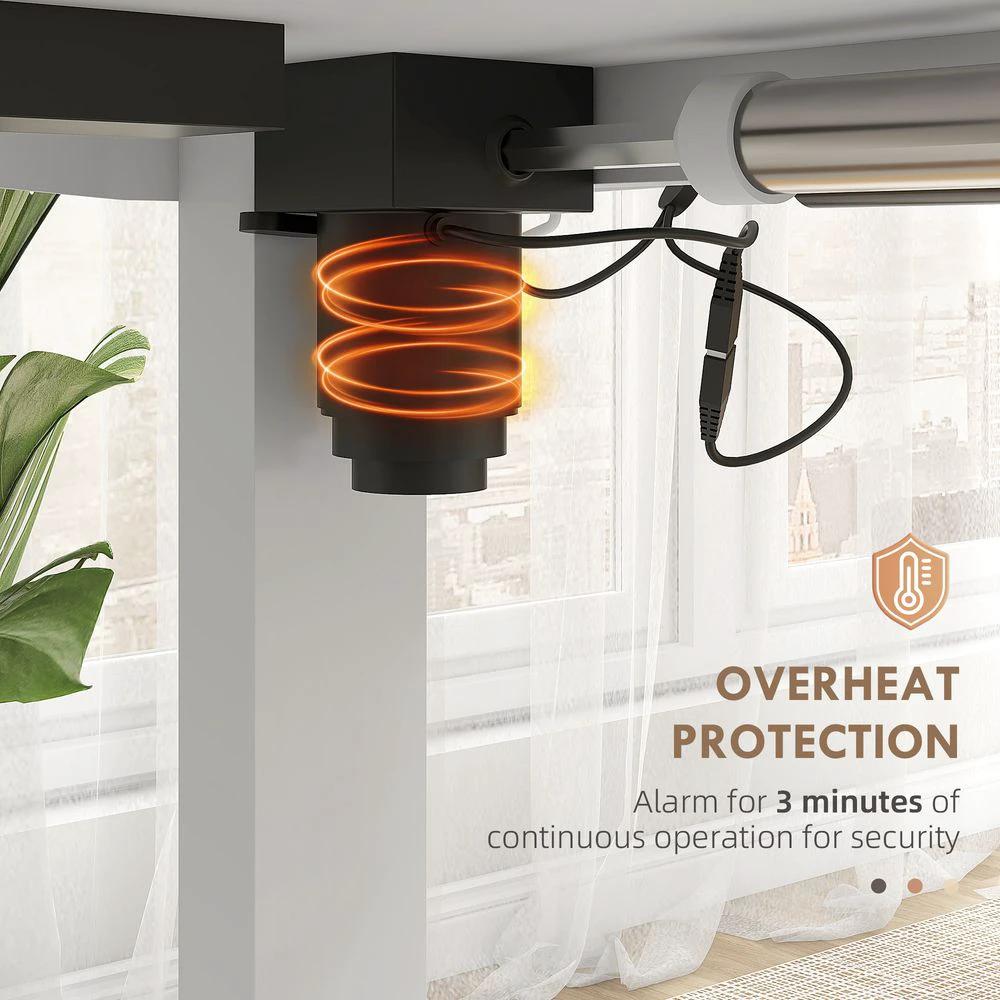
Single motor desks have one motor driving both legs through a connecting bar. Dual motor desks have a motor in each leg. Dual motor is faster, generally quieter under load, and holds more weight. Single motor is cheaper and perfectly adequate for a normal setup with a laptop, a monitor or two and the usual desk clutter.
If you're loading three monitors, a heavy monitor arm and a PC tower onto the top, look at the weight capacity carefully. If it's a laptop and a screen, single motor is fine.
Choosing the width
Depth is 60cm across the range, which is standard and works for a monitor at a sensible viewing distance. Width is where the decision is.
120cm is enough for a laptop or a single monitor plus a notepad. It suits a spare room or a corner of a bedroom. 140cm gives you a monitor and comfortable space to write beside it. 160cm takes two monitors side by side without them being cramped.
Also measure the room, not just the desk. You need space to stand at it and space to push the chair back when you sit.
Cables
Cable management matters more on a standing desk than a fixed one, because everything plugged in has to travel a 45cm range twice a day. Leave enough slack in every cable to reach full height, and route them together rather than letting them dangle separately. Most desks include routing holes in the top and a tray or clips underneath.
The desk itself needs a mains socket. It runs on standard UK supply.
Assembly and use
Electric desks arrive flat packed with the frame in sections and the top separate. It's a two person job, largely because the top is heavy and awkward to turn over. Allow an hour or so.
Once built, keep the area under the desk clear. Anything taller than about 50cm underneath can foul the mechanism as the desk lowers. Don't sit or stand on the frame itself, since it's built to carry equipment rather than body weight.
Where else to look
For fixed height options see office desks, folding desks and L shaped desks. To finish the setup, browse office chairs and office storage.