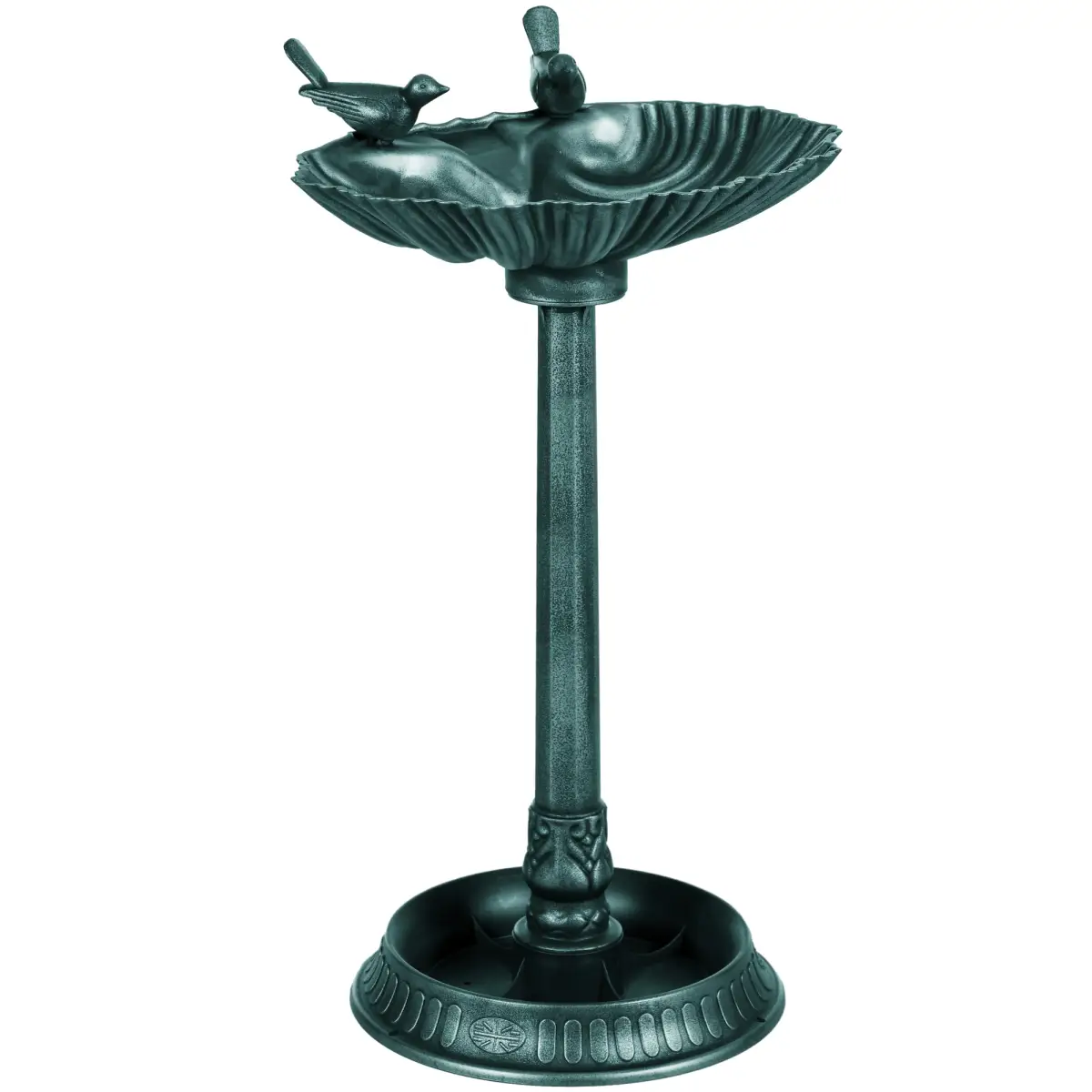
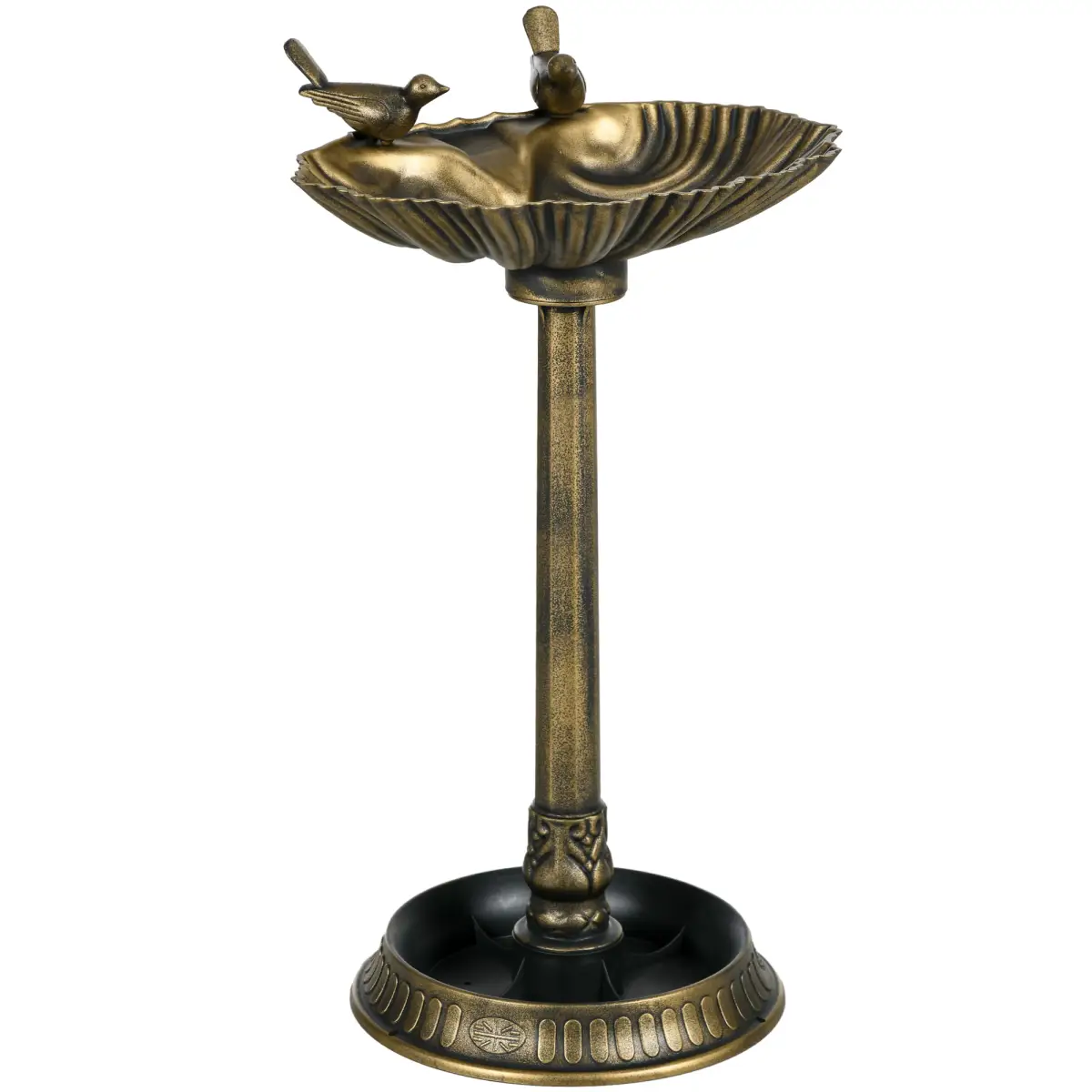
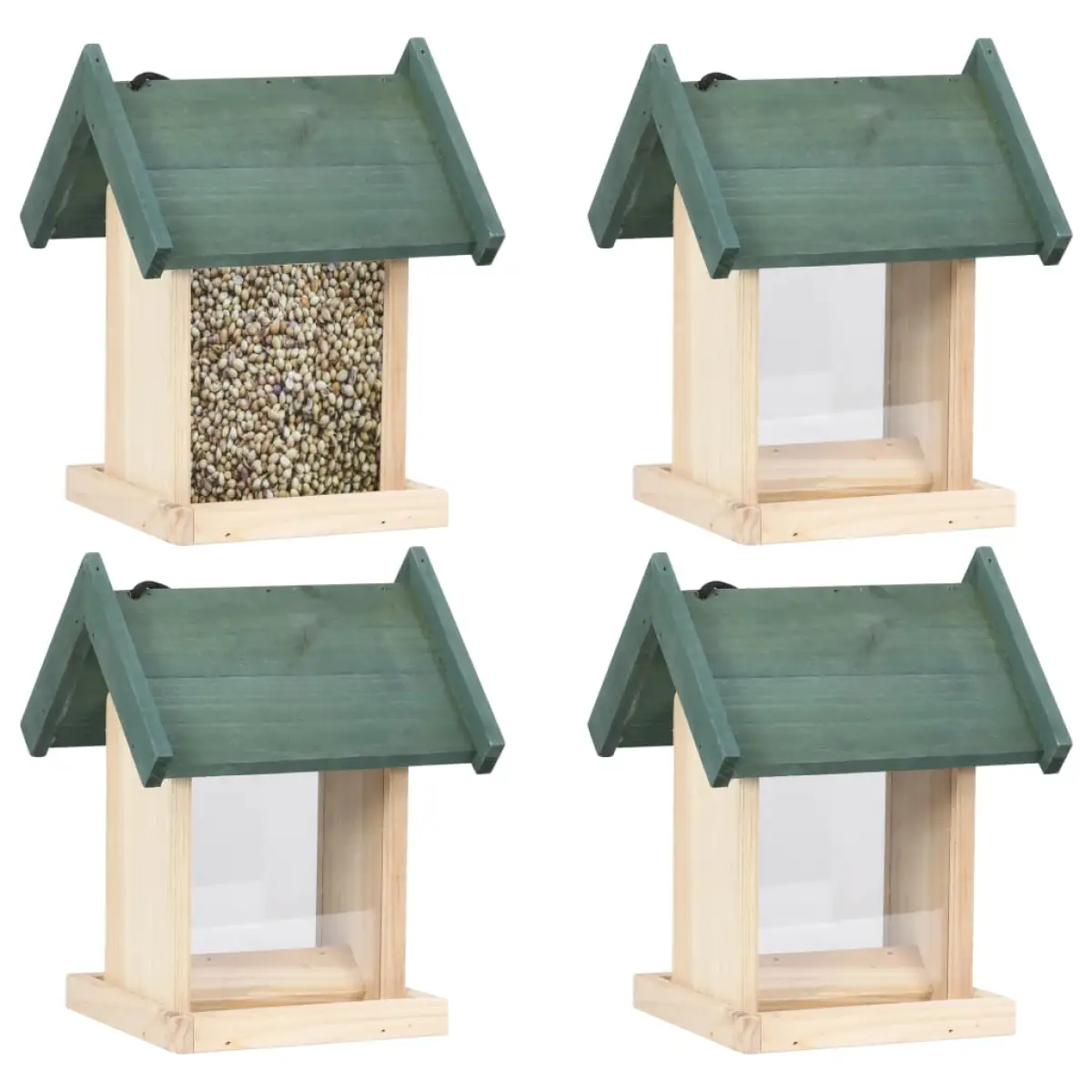
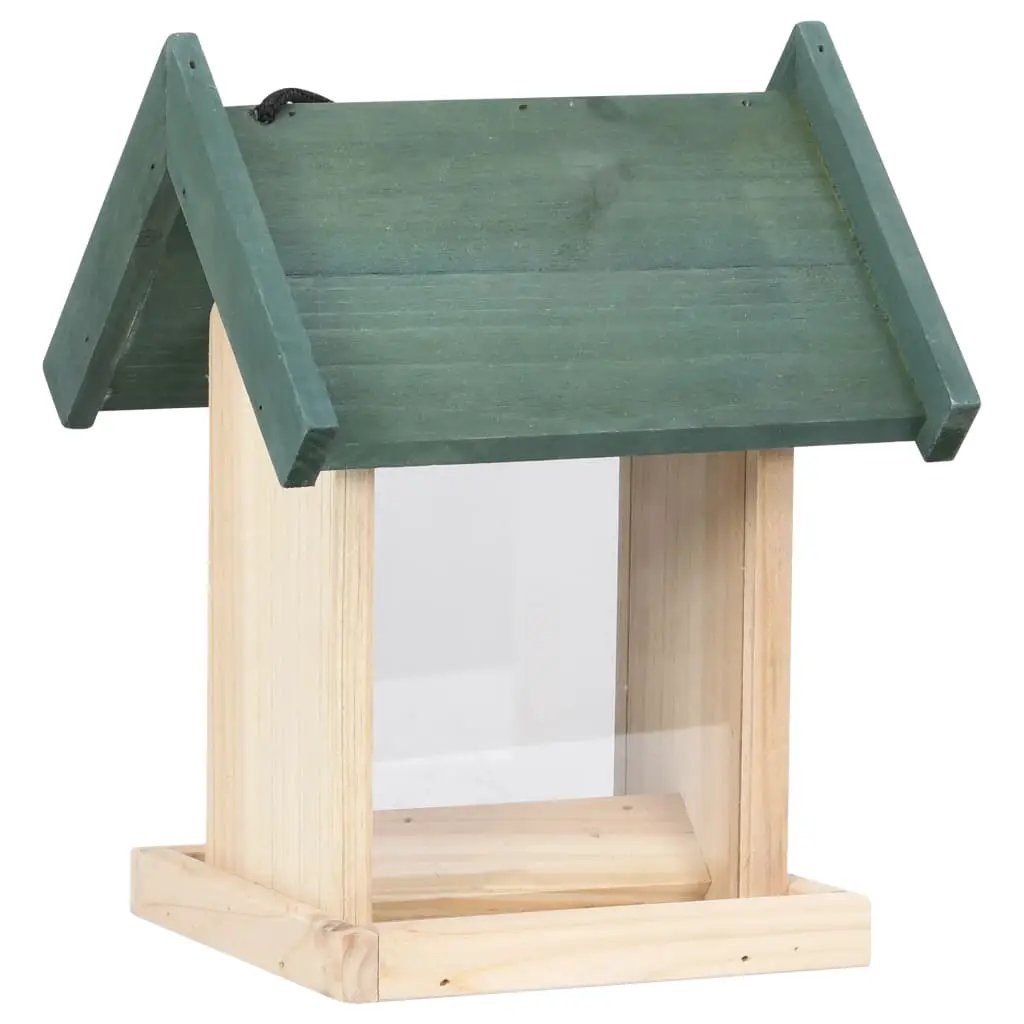
Choosing between a bird table, a feeding station and a hanging feeder
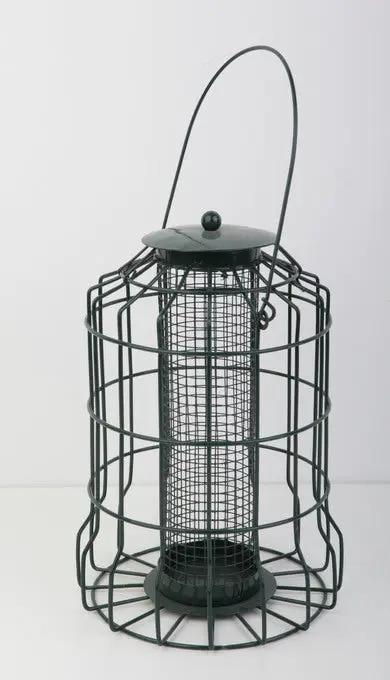
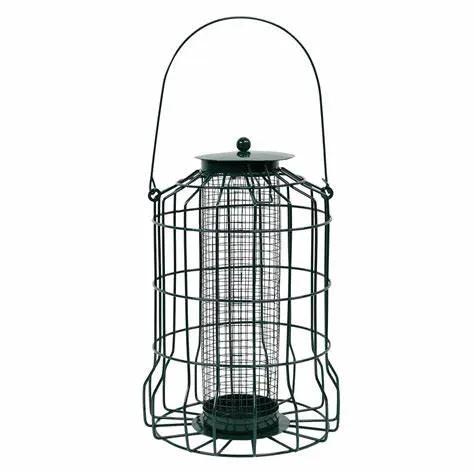
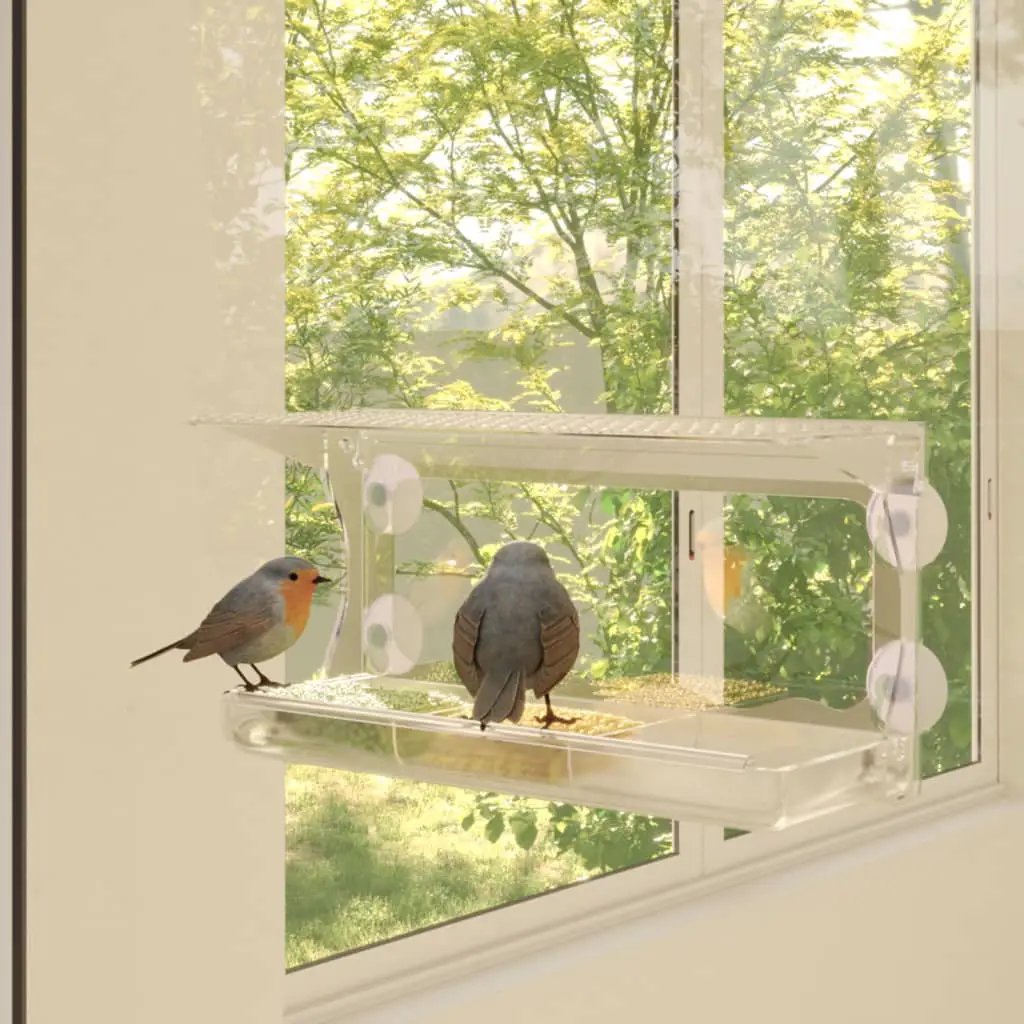
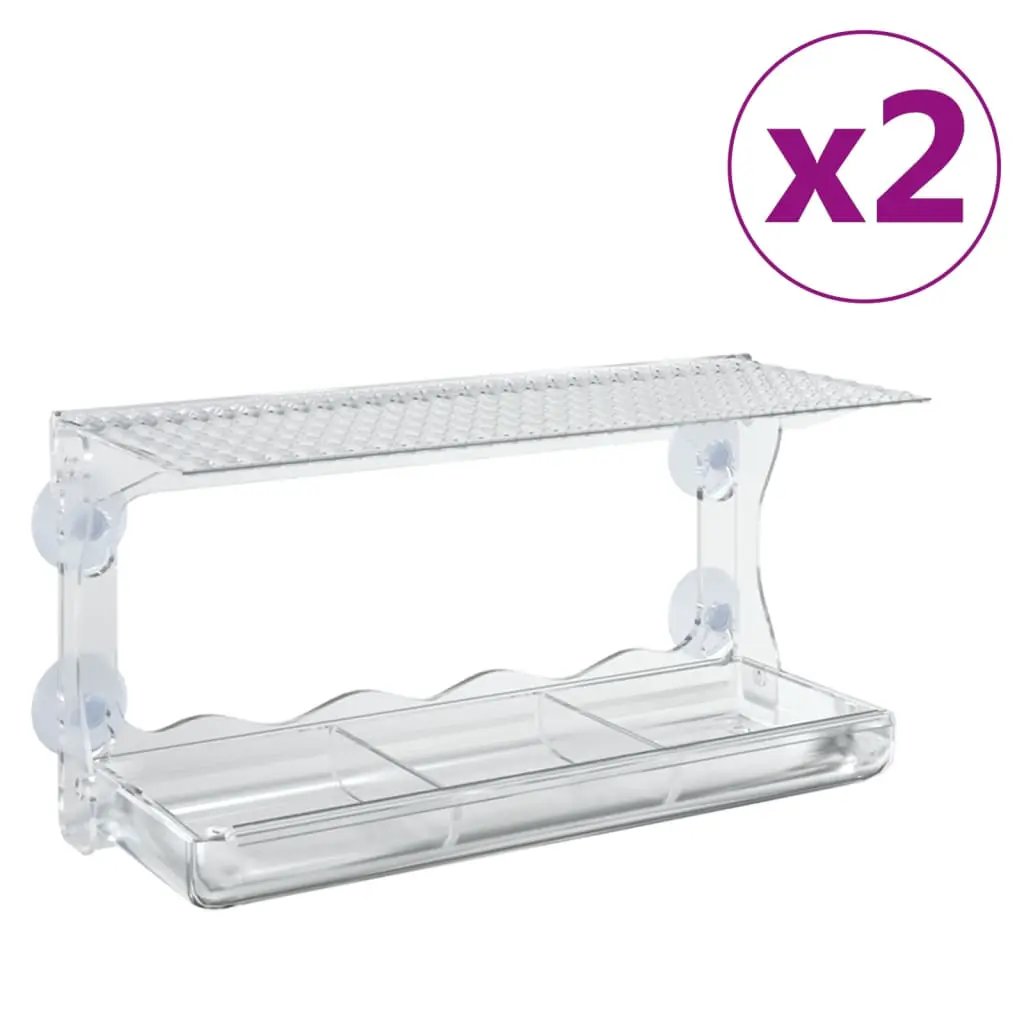
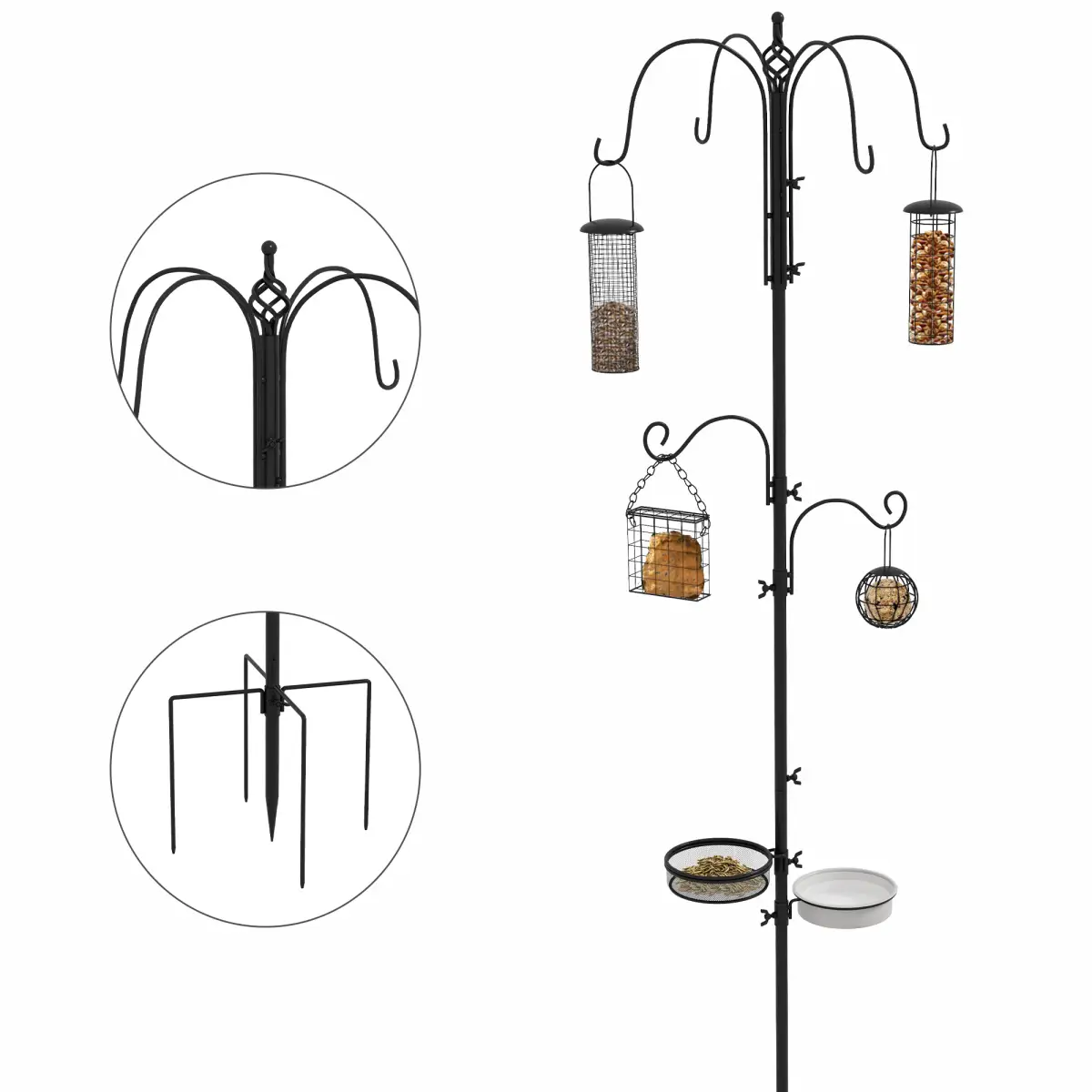
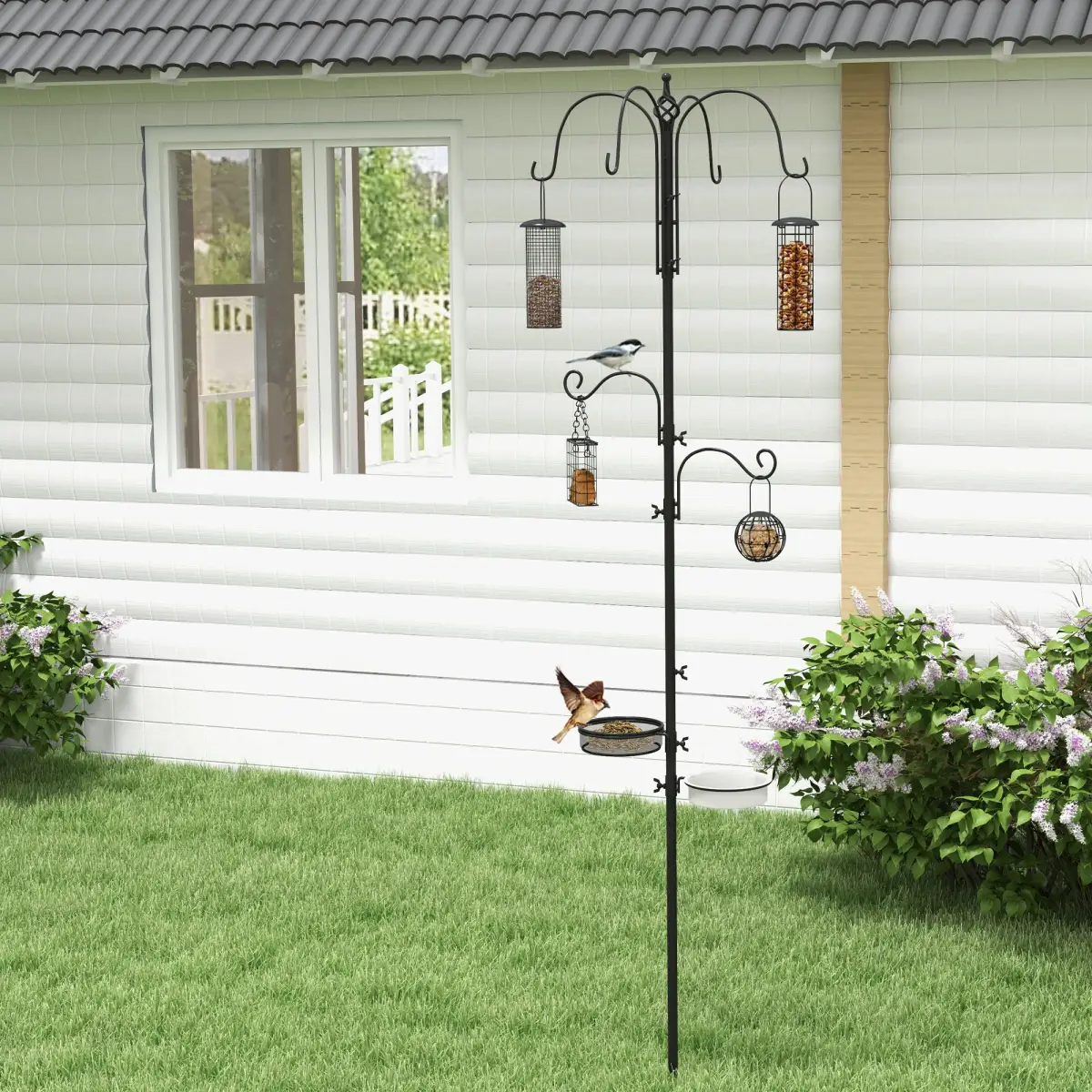
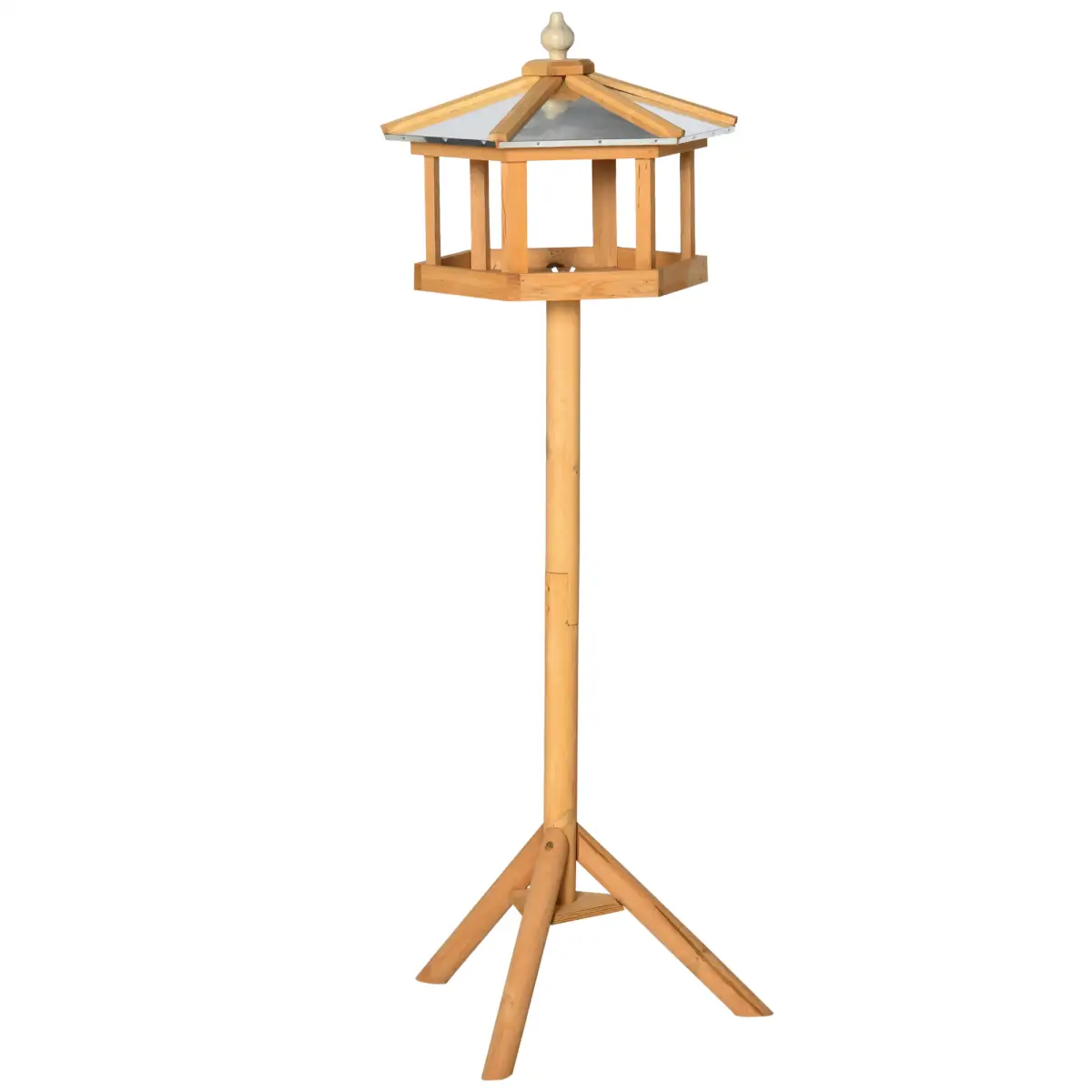
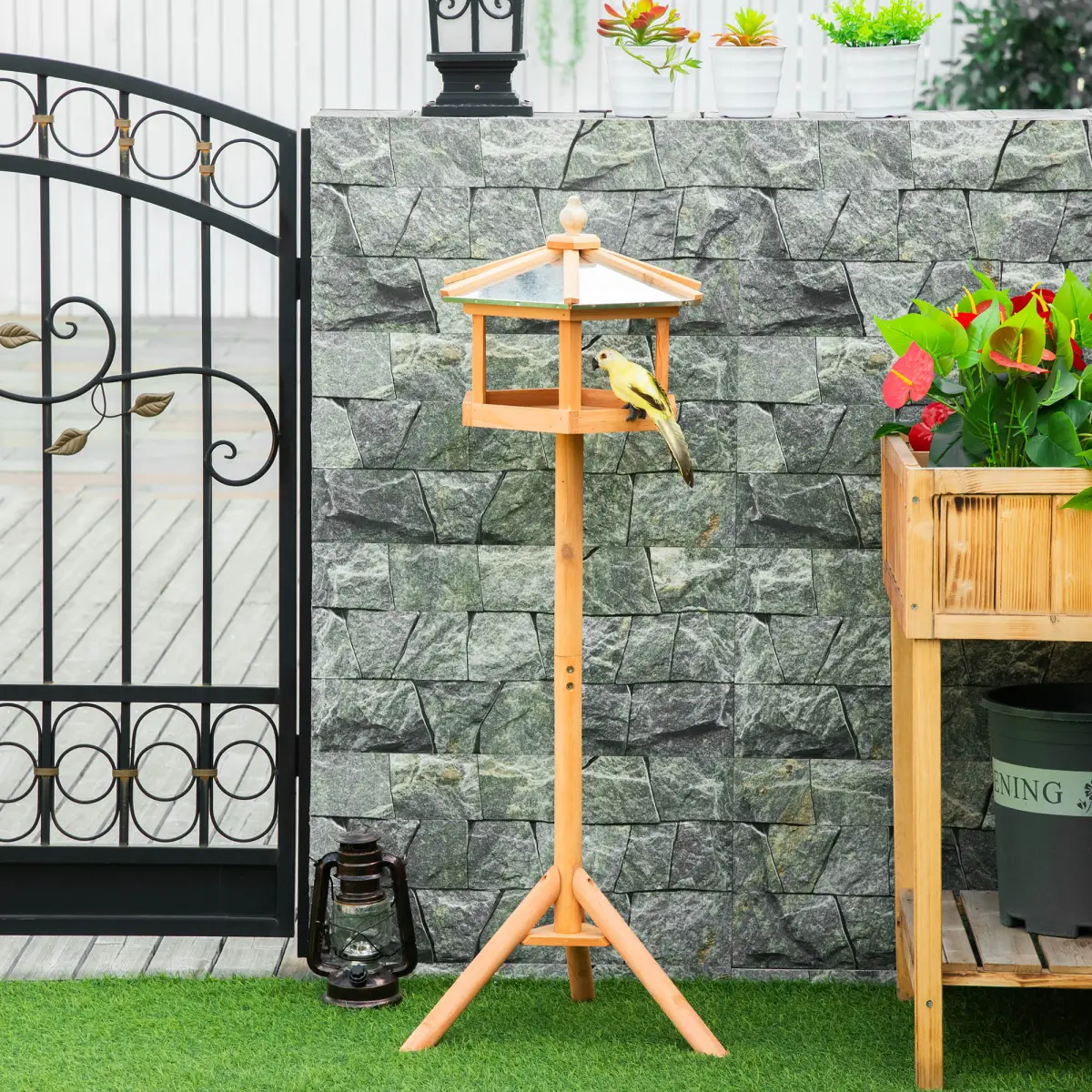
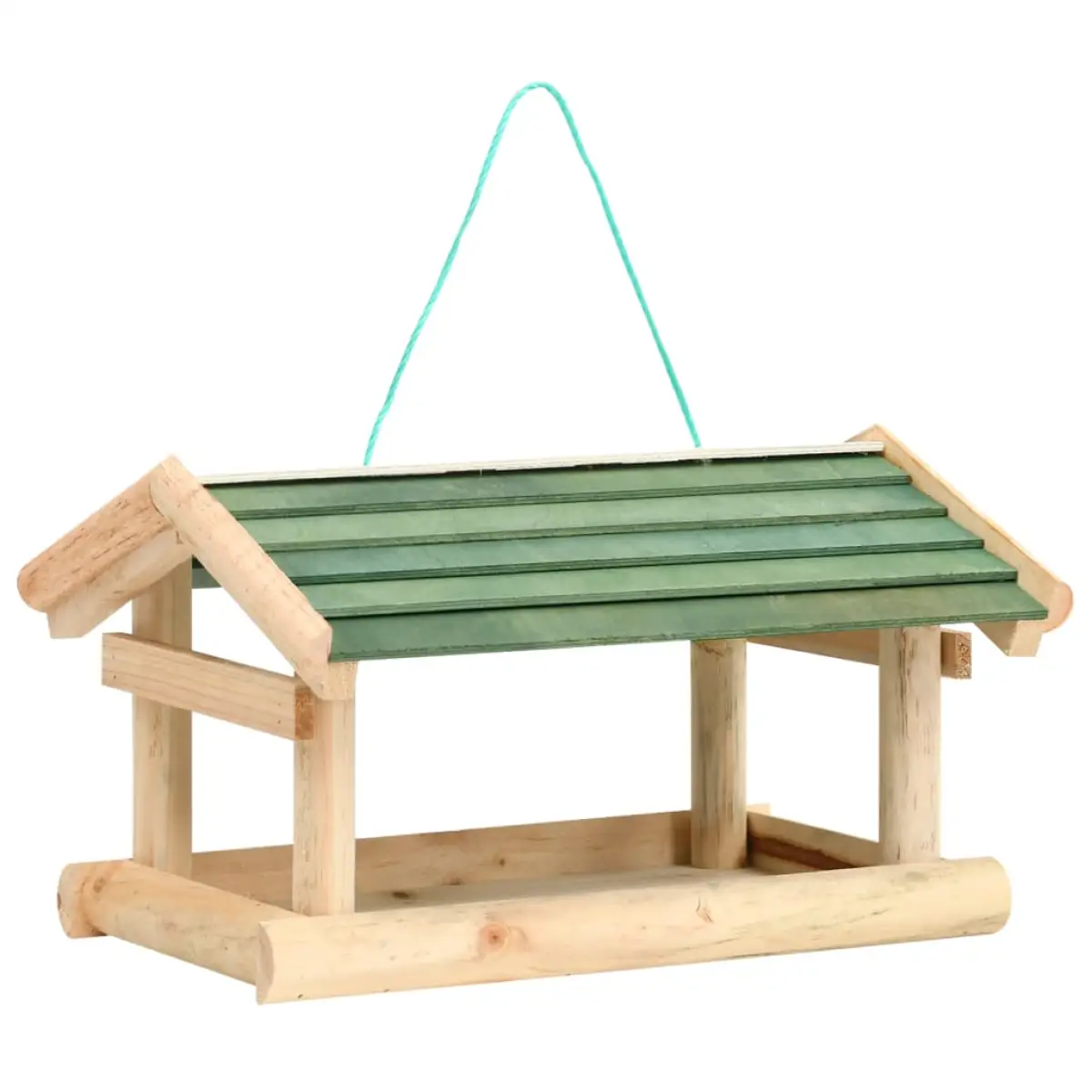
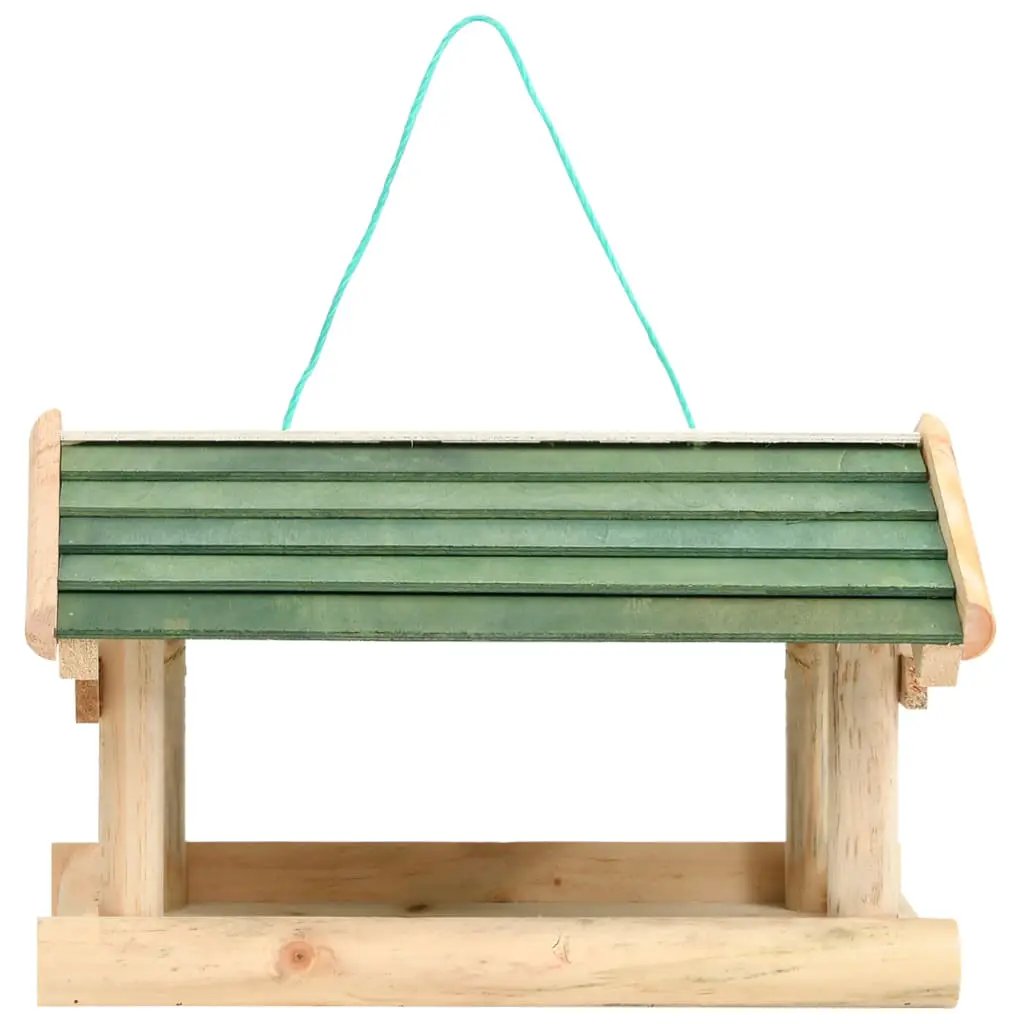
The three formats attract slightly different visitors, which is why plenty of people end up with more than one. Open bird tables suit ground-feeding species that don't cling well, so blackbirds, robins and dunnocks will use them happily. Hanging feeders on a station pole favour tits, finches and nuthatches, which grip the mesh or ports without any trouble. Window feeders are the smallest option and tend to be visited by the bolder garden regulars once they've got used to the movement behind the glass.
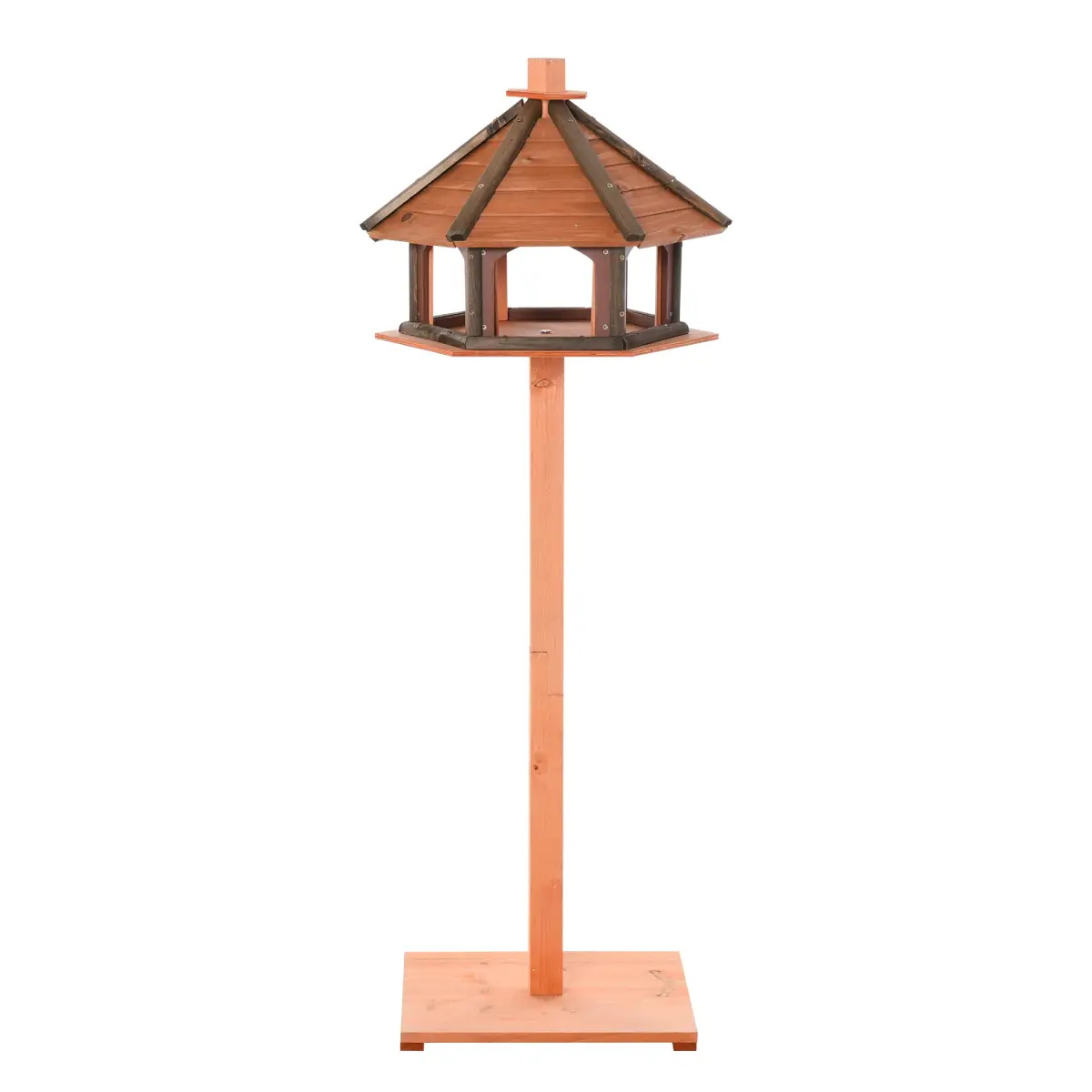
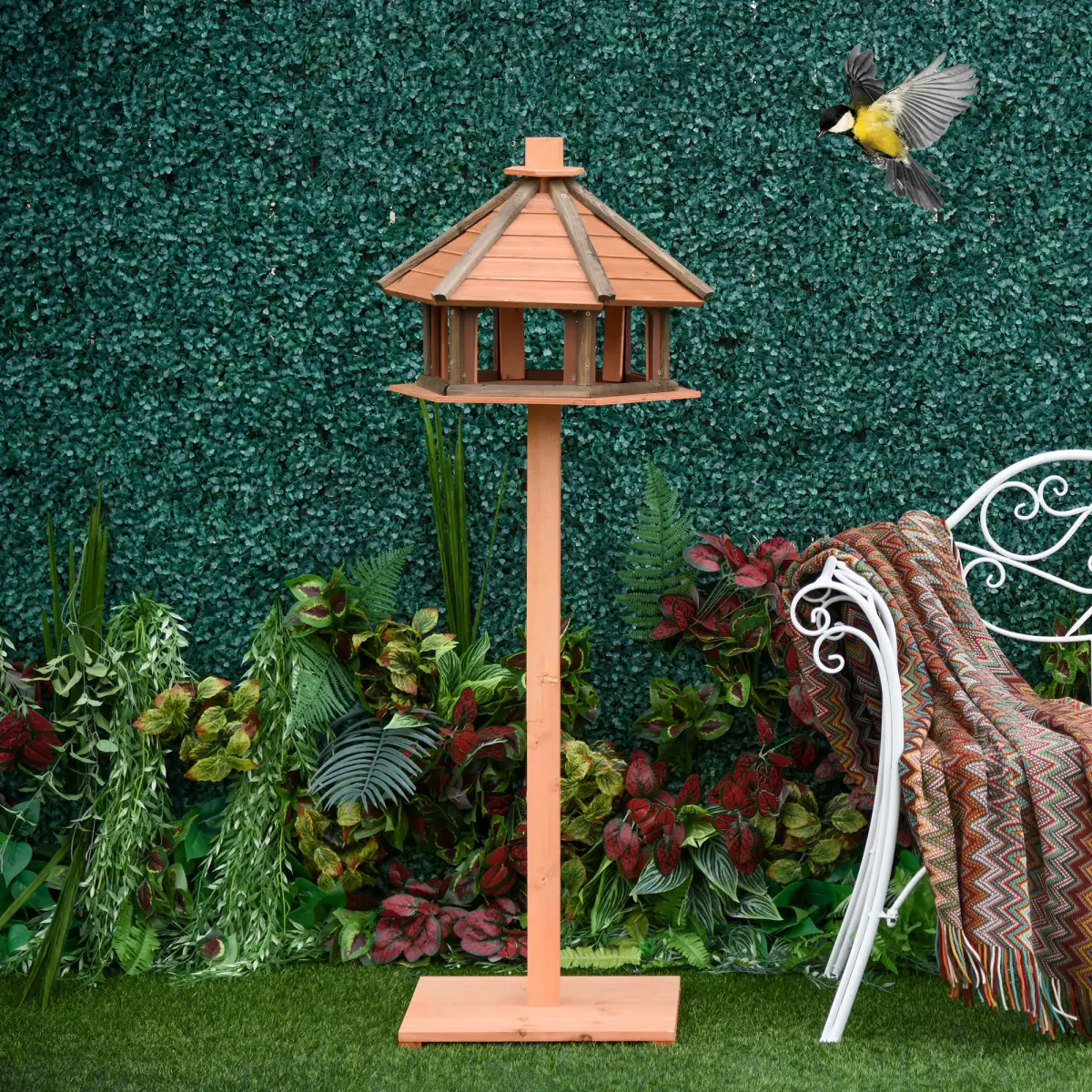
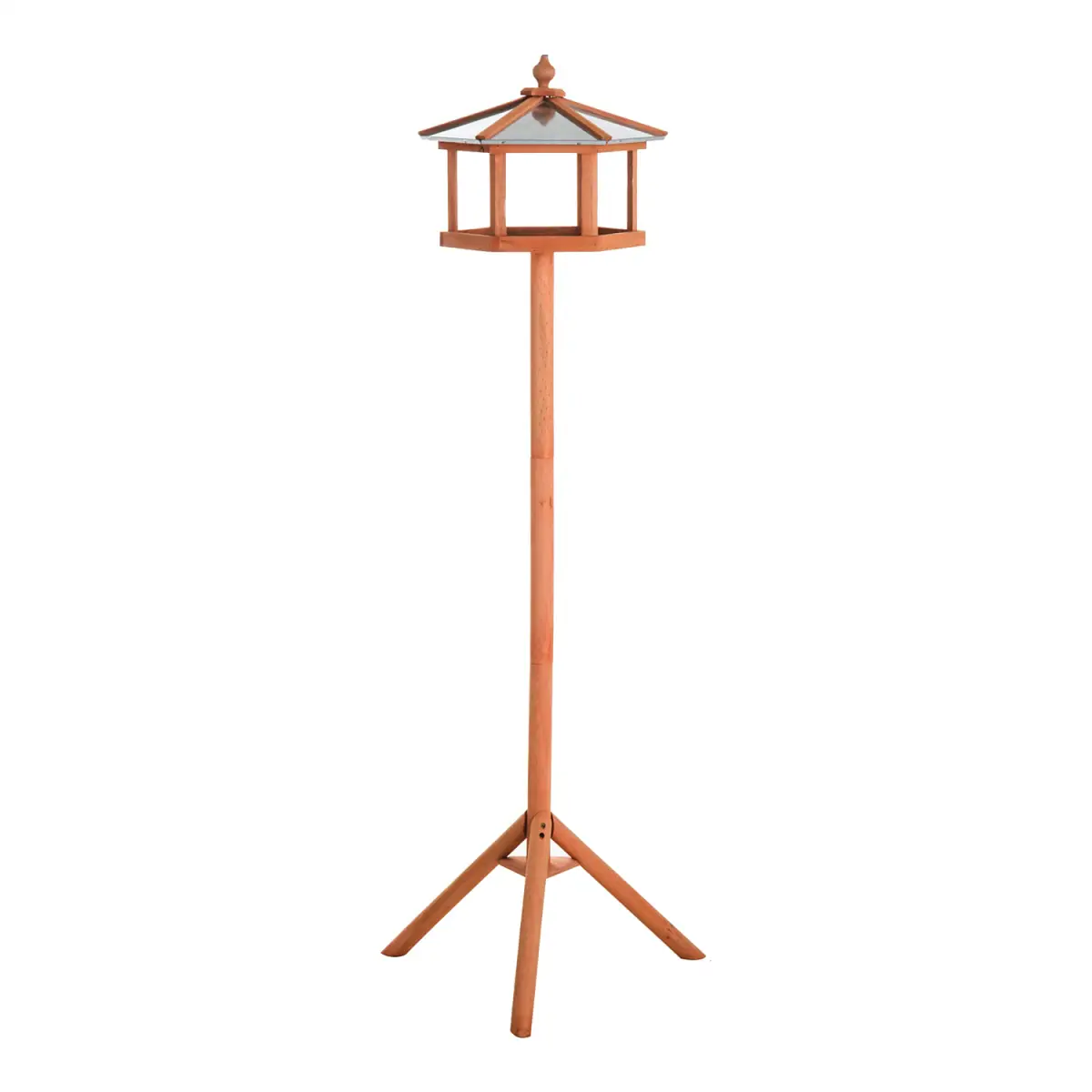
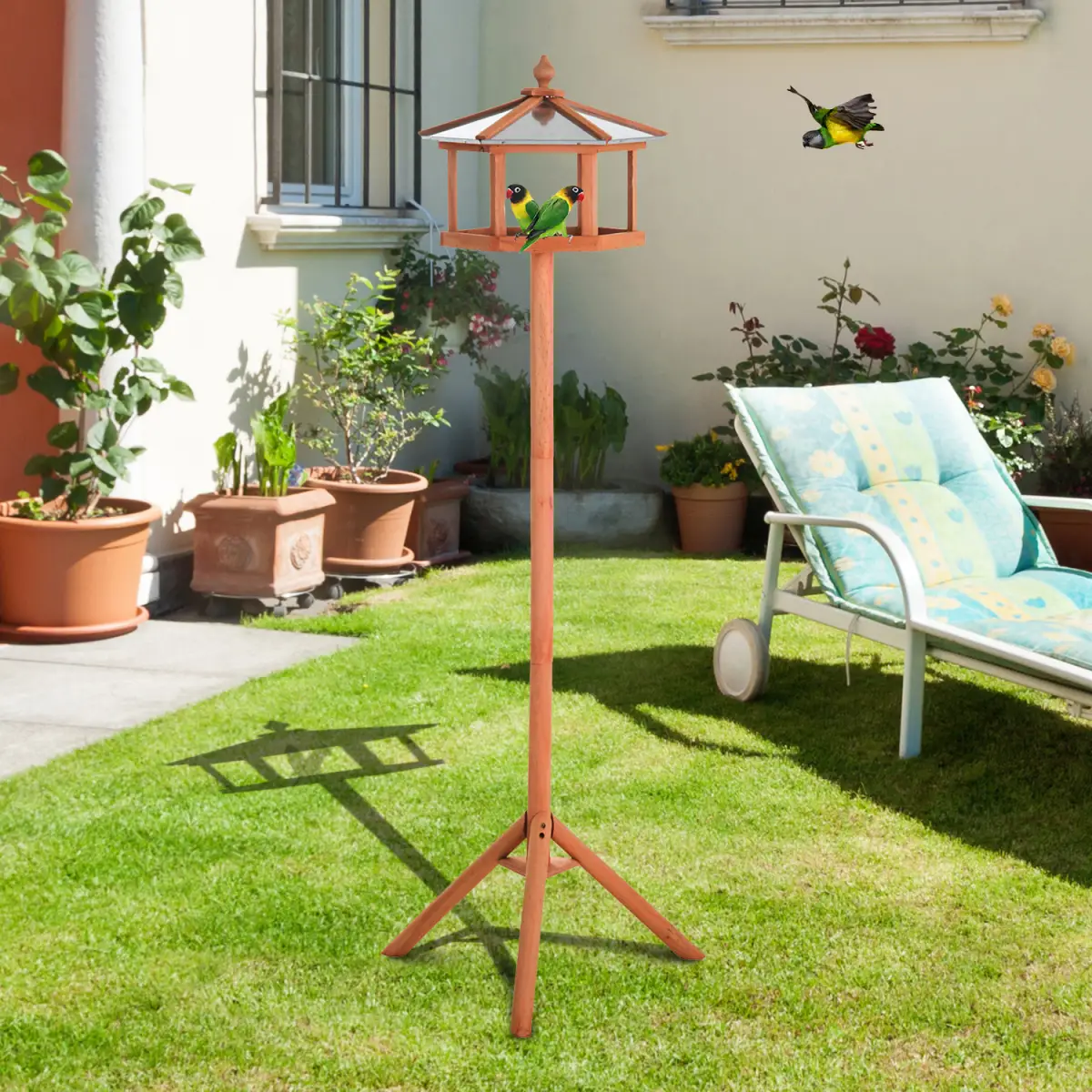
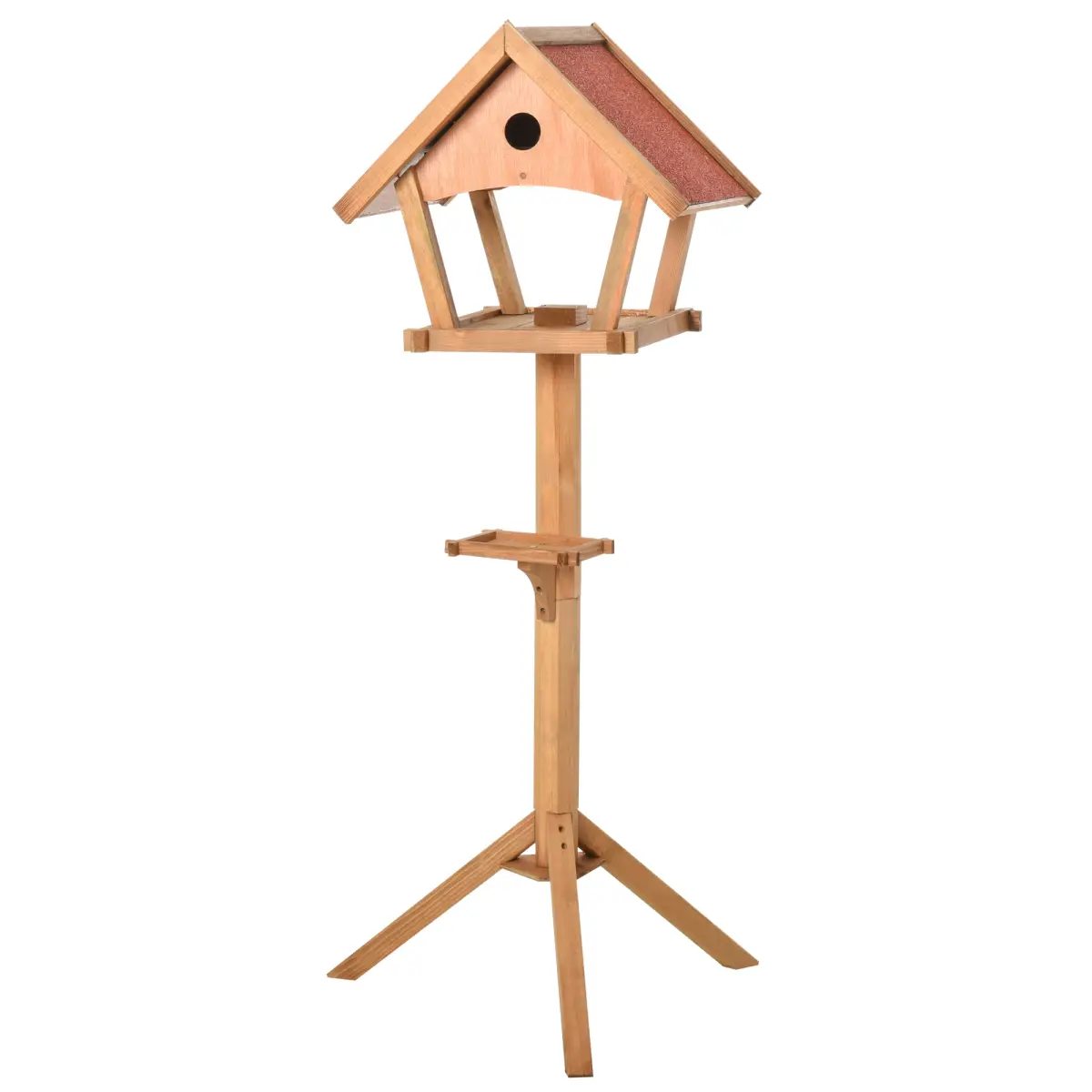
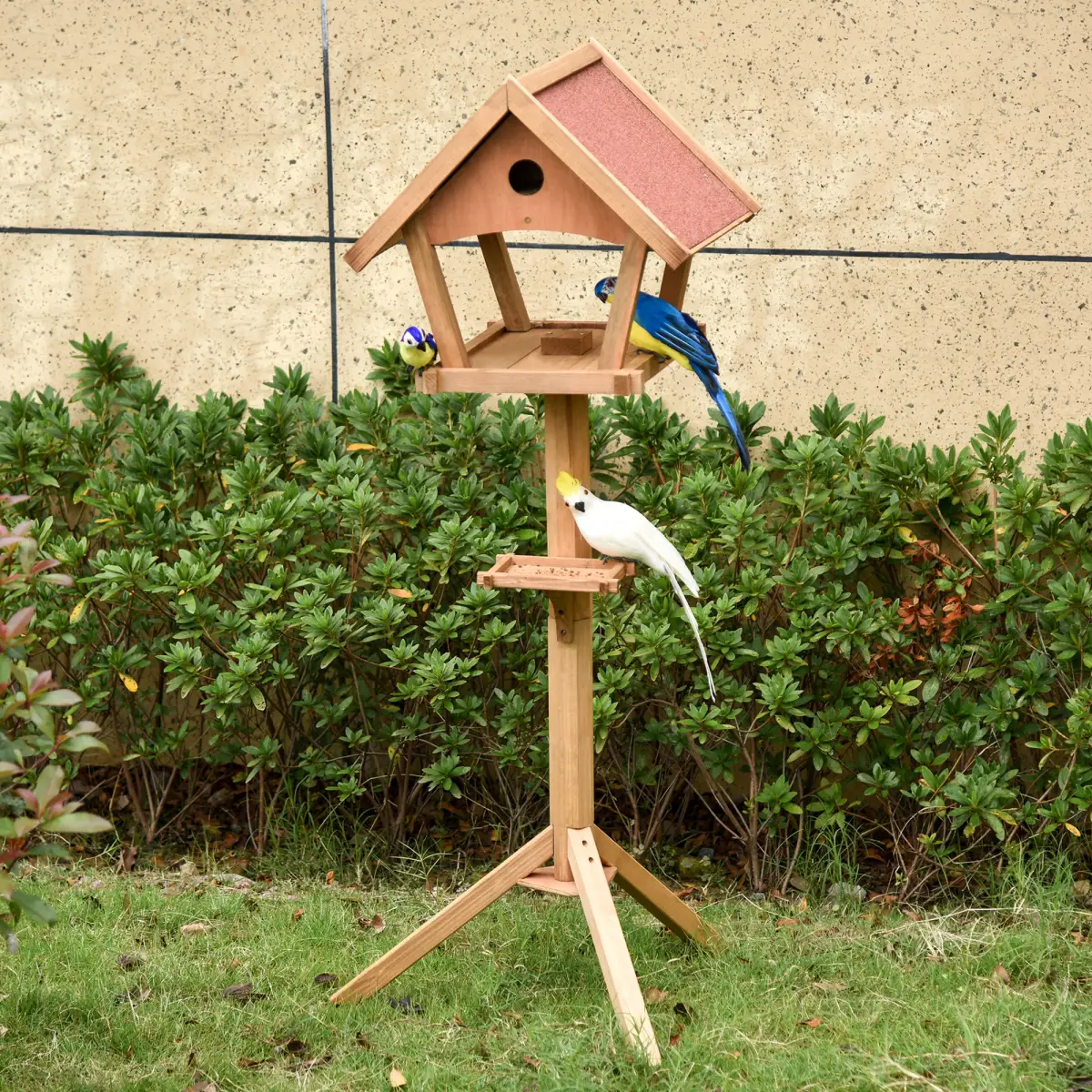
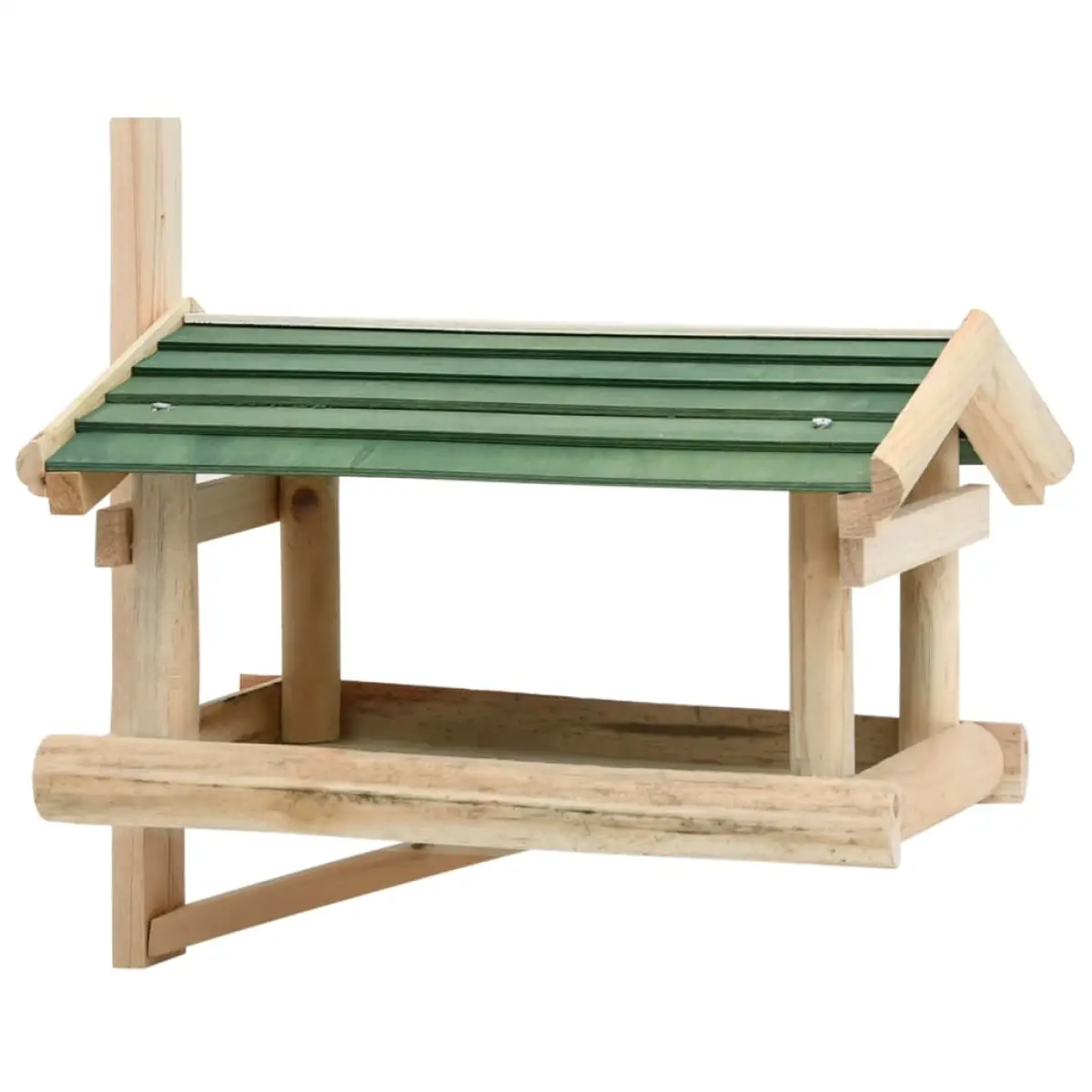
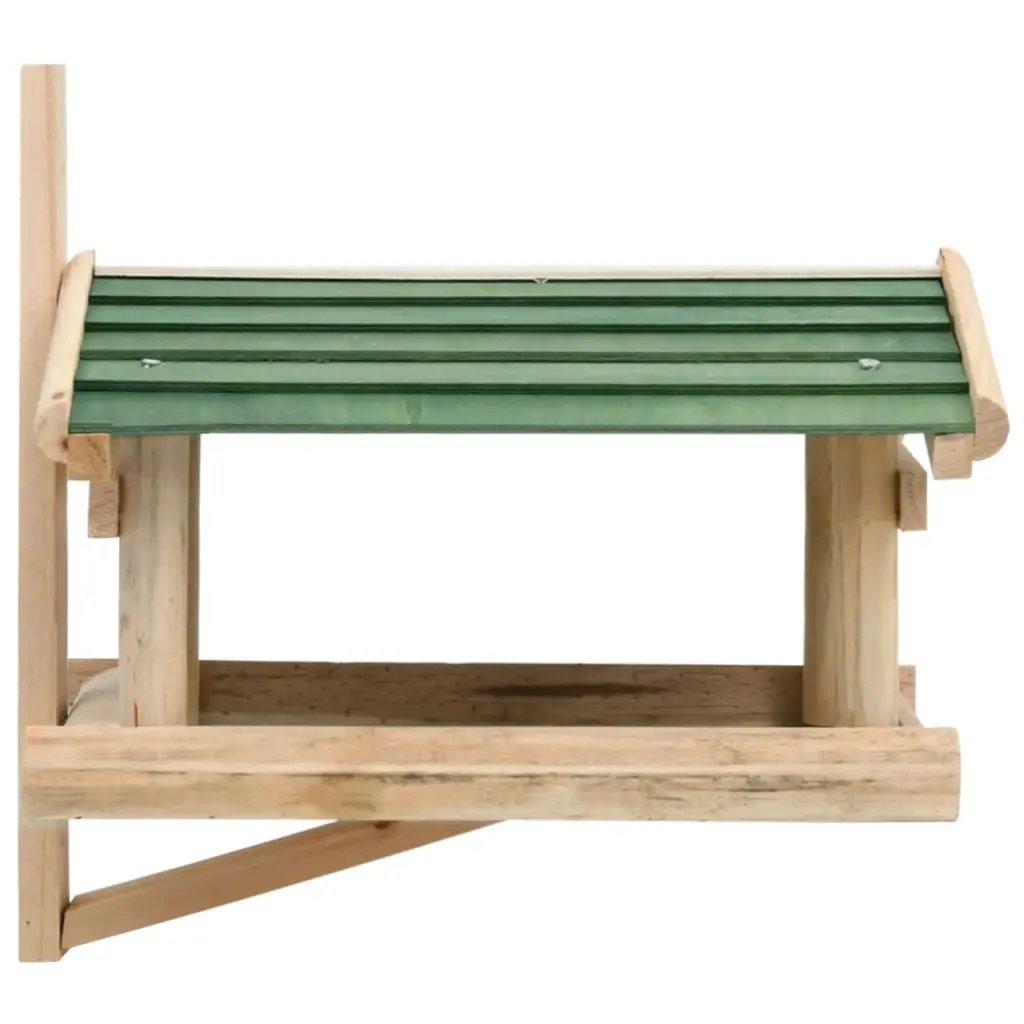
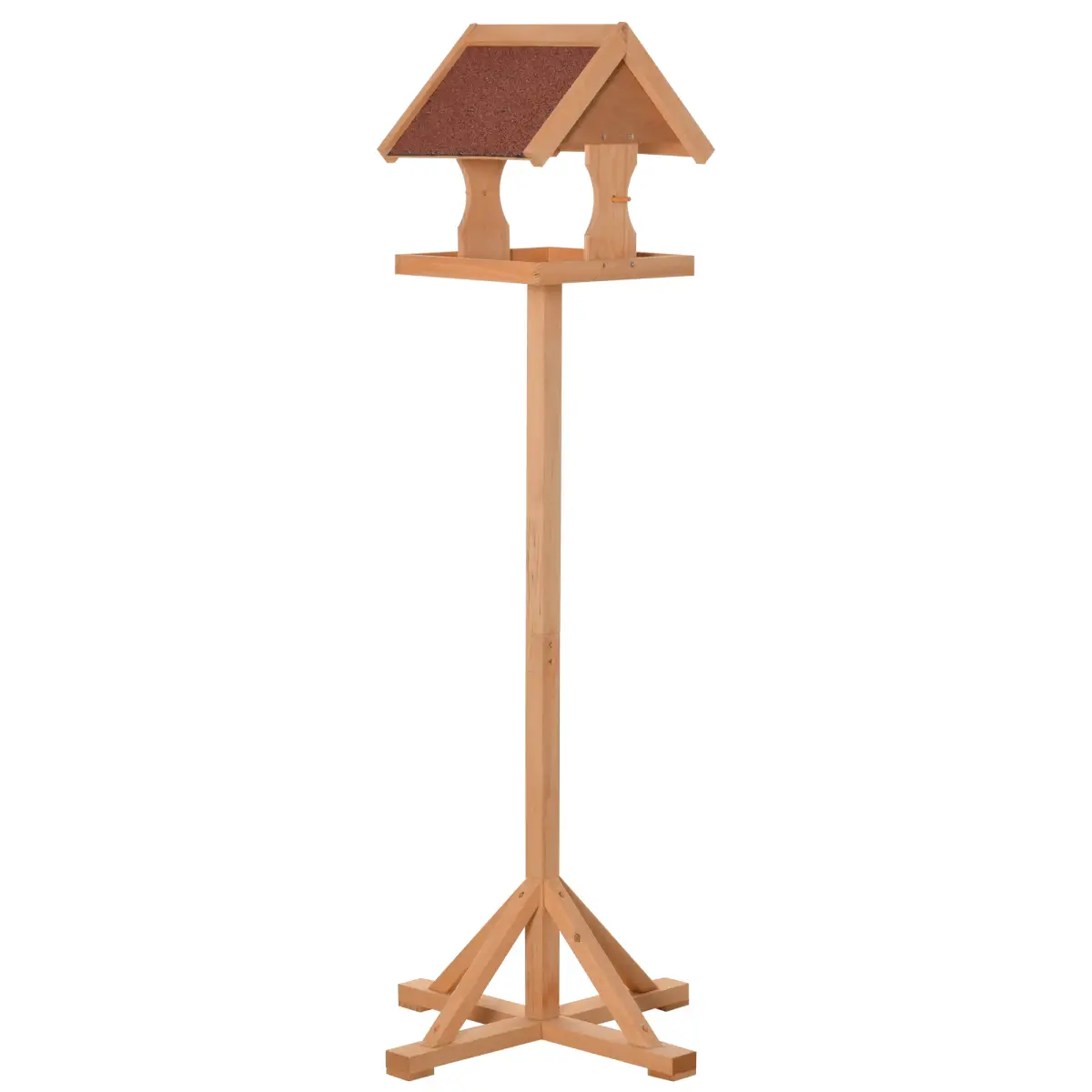
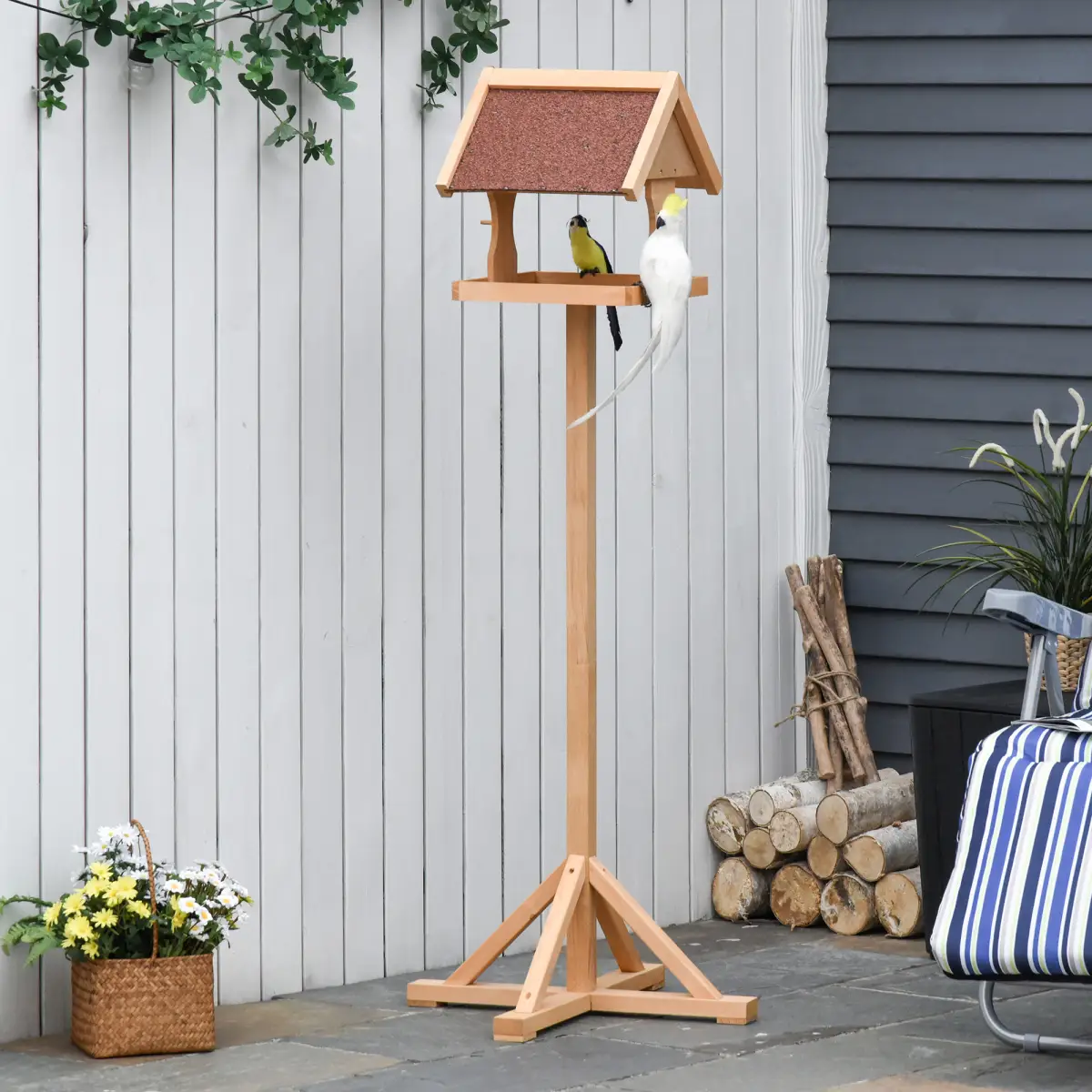
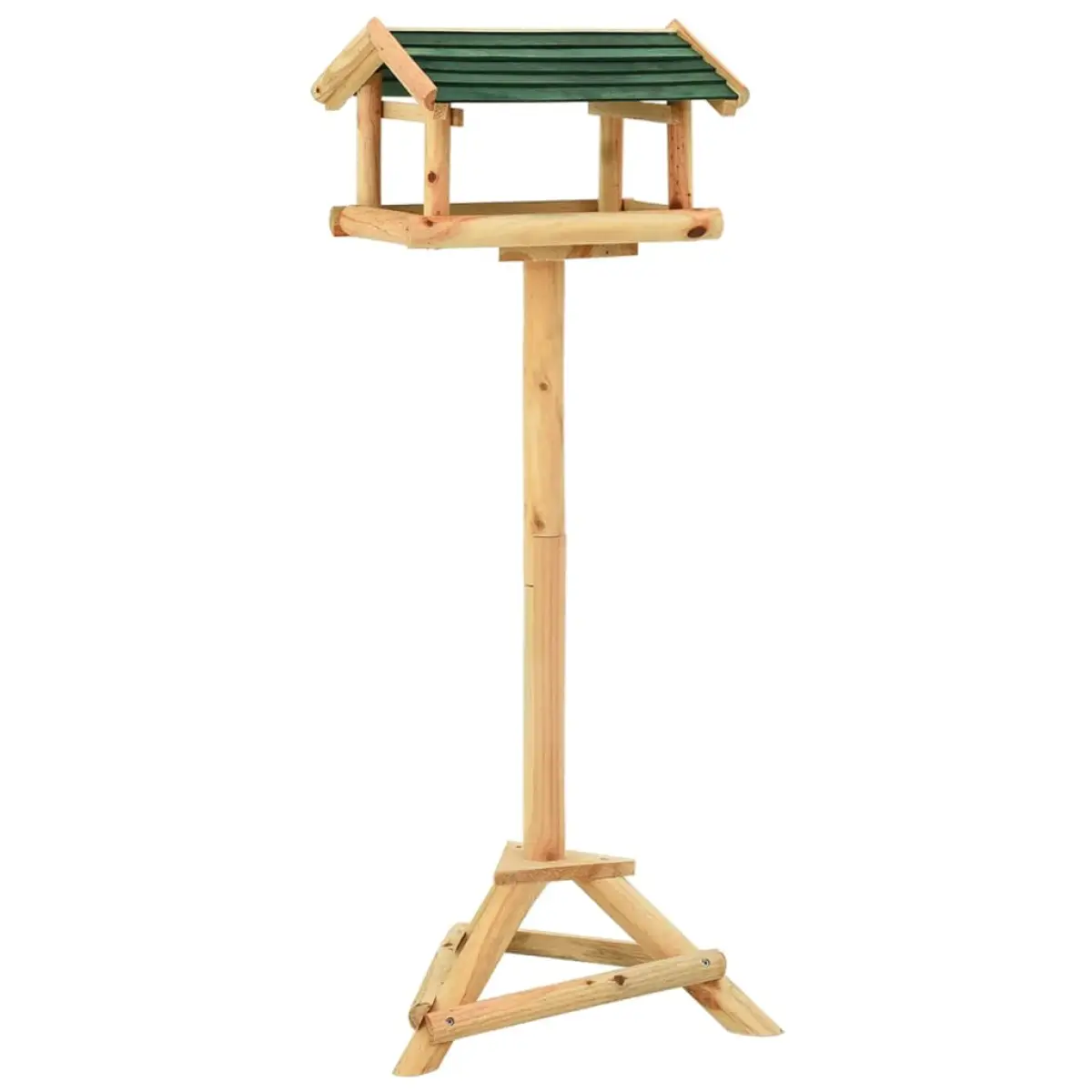
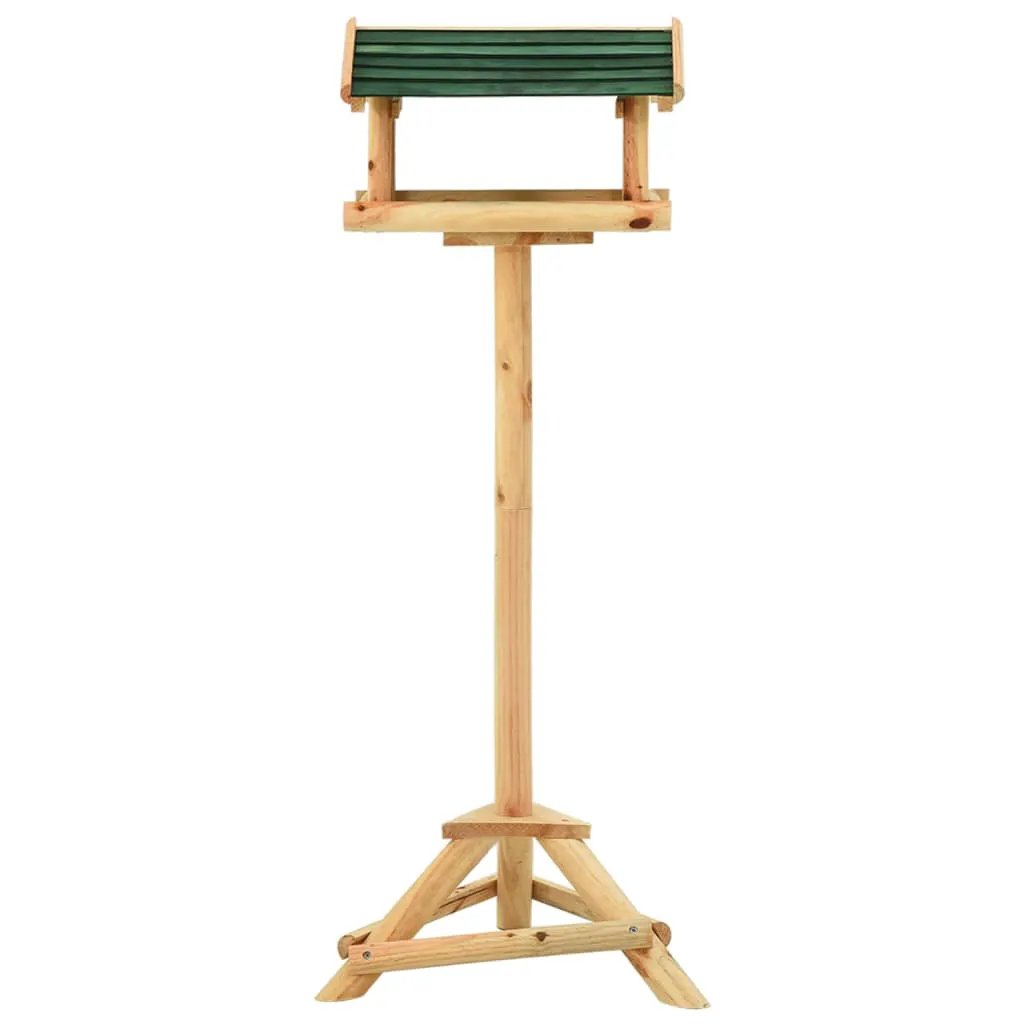
If you're starting from scratch, a bird table with a roof is the most forgiving choice. It handles seed, mealworms, kitchen scraps and fat blocks without needing separate kit.
Where to put it
Position matters more than most people expect. Birds want an escape route, so a table roughly two metres from a hedge, shrub or small tree gives them cover to dart into. Don't tuck it right up against dense planting though, since that gives cats somewhere to wait unseen.
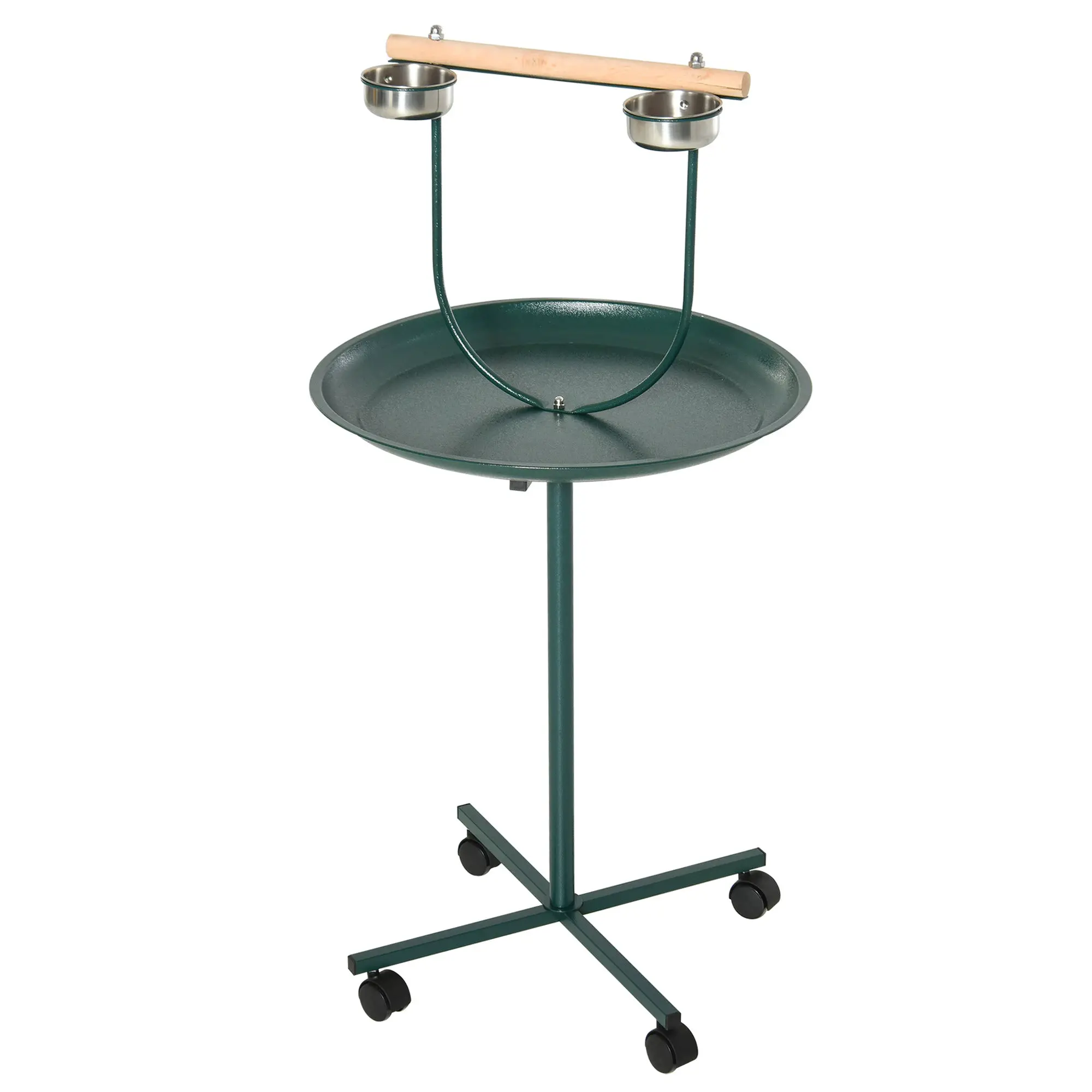
Keep feeders clear of low fences and washing lines that squirrels can launch from. On a patio, a freestanding model with wide support feet is more stable than a spiked post pushed into a gap. Somewhere you can actually see from a window is worth prioritising, because a feeder you never look at gets refilled far less often.
What to put out through the year
Sunflower hearts are the safest all-round bet and produce very little husk mess. Peanuts should always go in a mesh feeder rather than loose, particularly in spring and summer when whole nuts can choke chicks. Fat balls suit the colder months, and it's worth removing any plastic netting before hanging them.
Feeding through summer used to be discouraged, but the general advice now is to keep going year round, adjusting what you offer rather than stopping. Fresh water in a shallow dish matters just as much as food, especially during dry spells and hard frosts.
Cleaning and upkeep
Feeding stations concentrate birds in one spot, which means disease can spread if hygiene slips. Give the tray and any feeders a scrub with hot soapy water every couple of weeks, rinse well and let everything dry before refilling. Sweep up spilled seed underneath so it doesn't turn mouldy.
Treated timber holds up well outdoors, but a coat of pet-safe wood preservative every year or two will extend the life of a wooden table considerably. Avoid creosote and anything with a strong solvent smell.
Delivery and returns
Every order ships free to UK mainland addresses, excluding Northern Ireland, and leaves the warehouse within 3 to 5 working days. There are no hidden fees added at checkout. If you change your mind, you can return an unused item in its original packaging, though the return postage is covered by you rather than us. Anything that arrives faulty or damaged is handled separately, so just get in touch and we'll sort it.