What You're Actually Buying
Walk into a furniture shop and they'll show you plenty of "wooden" tables that are mostly chipboard with a thin veneer stuck on top. Fine for some purposes, but you can't sand them down when they get scratched. You can't refinish them when the style changes. Hit them hard enough and you'll see that brown composite material underneath.
Solid wood is different. It's cut from actual timber, joined properly, and built to be repaired rather than replaced. The tables in our collection use mango, acacia, sheesham, and reclaimed timber all proper hardwoods that can take a beating.
Mango wood has become popular for good reason. It's affordable because mango trees get replaced regularly on plantations once they stop producing fruit. The wood itself is dense with lovely golden colours and interesting grain. You get something that looks expensive without the expensive bit.
Acacia is tougher. It's the wood that garden furniture gets made from because it handles weather and moisture without falling apart. For a dining table, that means spilled drinks and hot mugs won't ruin your day. The honey tones warm up nicely over time too.
Sheesham sometimes called rosewood is darker and heavier. It's the sort of wood that colonial furniture was made from, which tells you something about its durability. If you've got a busy household, sheesham shrugs off the chaos.
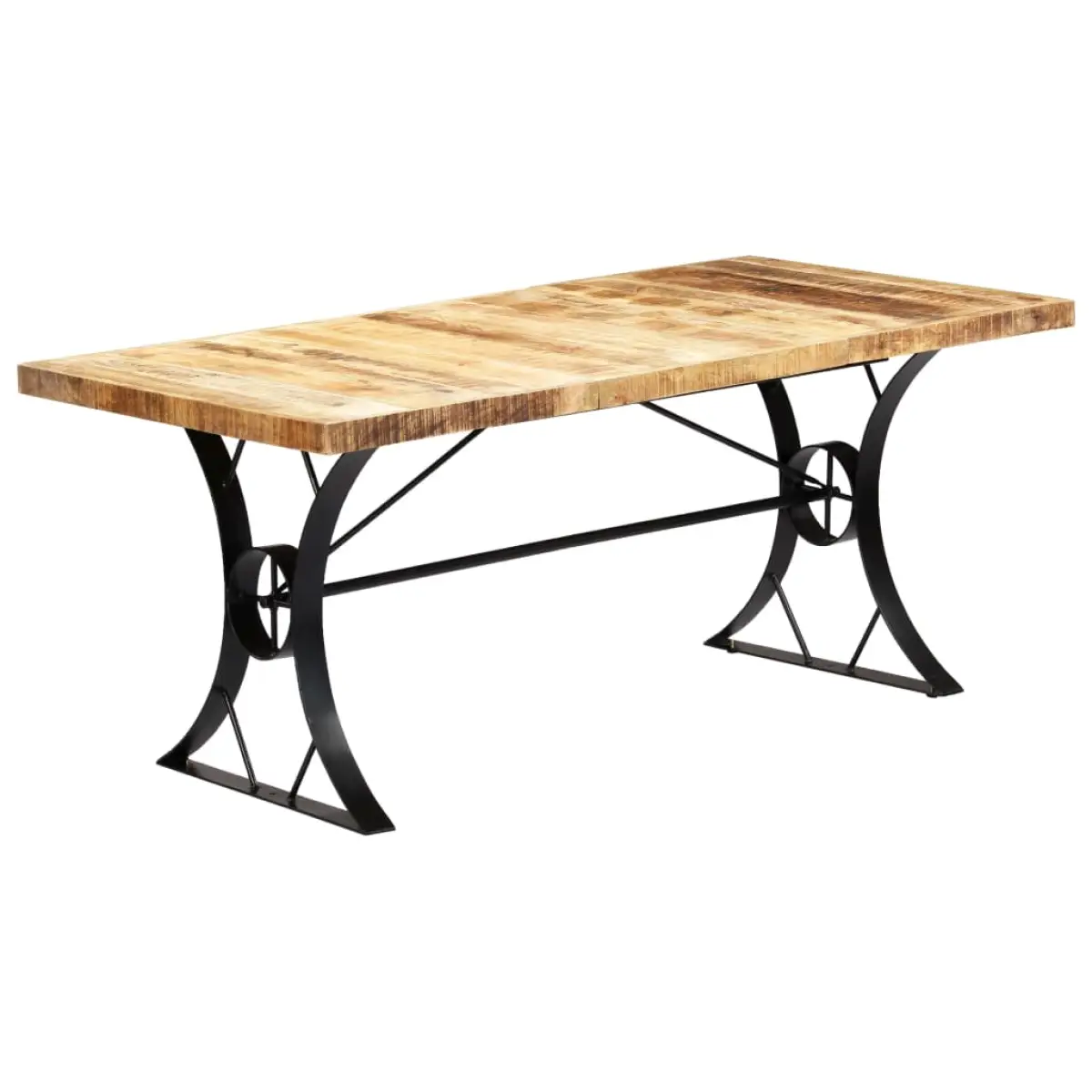
Reclaimed wood is its own category. This is timber salvaged from old buildings, railway sleepers, or industrial structures. It's already been through decades of life, which means it's stable and won't warp like fresh wood sometimes does. The nail holes, colour variations, and weathered character mean every table is genuinely unique. Plus you're stopping perfectly good timber from ending up in a skip.
Getting the Fit Right
Wooden tables take up visual space as well as actual floor space. A large dark table can dominate a small room in ways that a glass one wouldn't. Measure properly and when we say properly, we mean grab a tape measure and mark out the table size on your floor with masking tape. Then add 90cm all around for chairs. Walk around it. Does it feel comfortable or cramped?
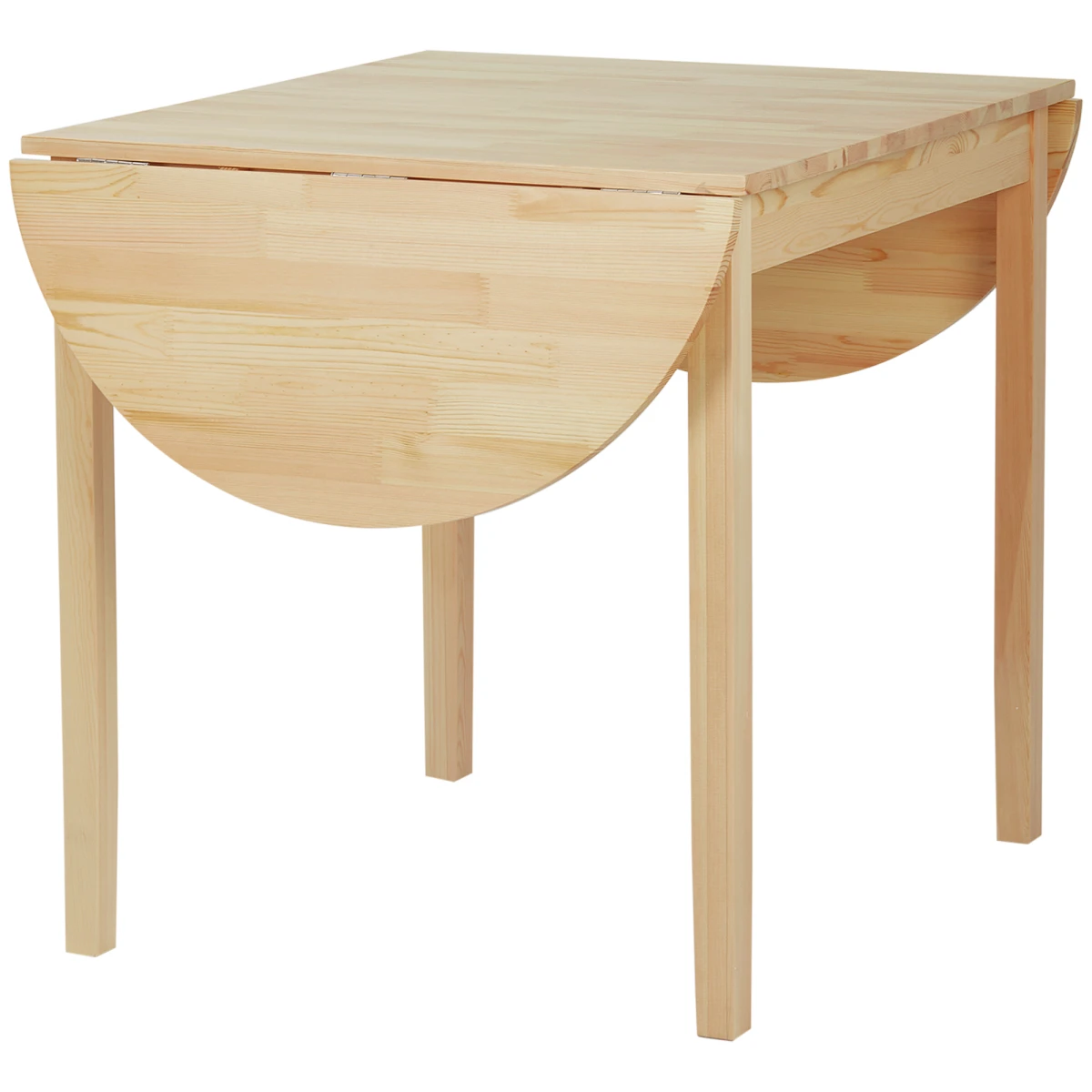
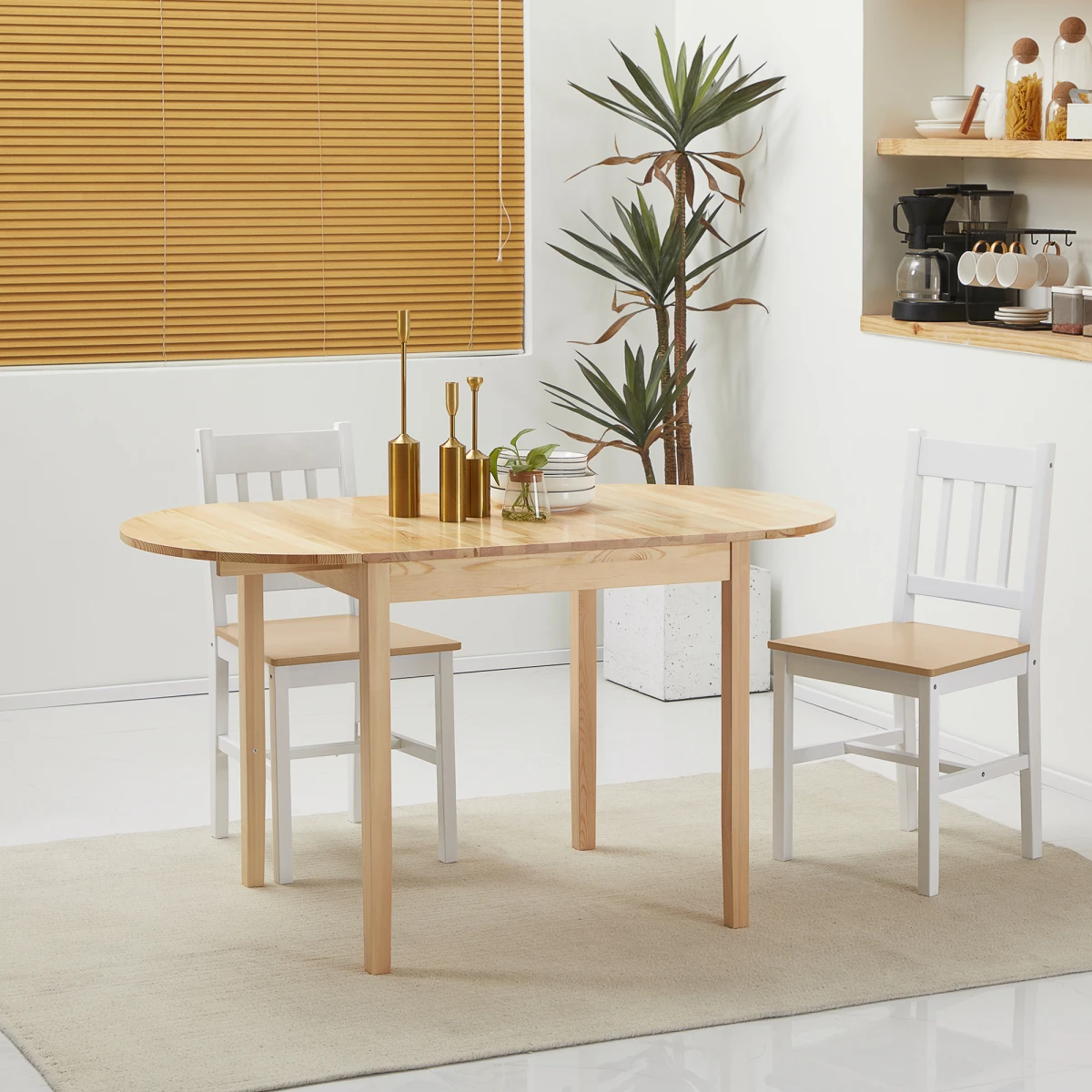
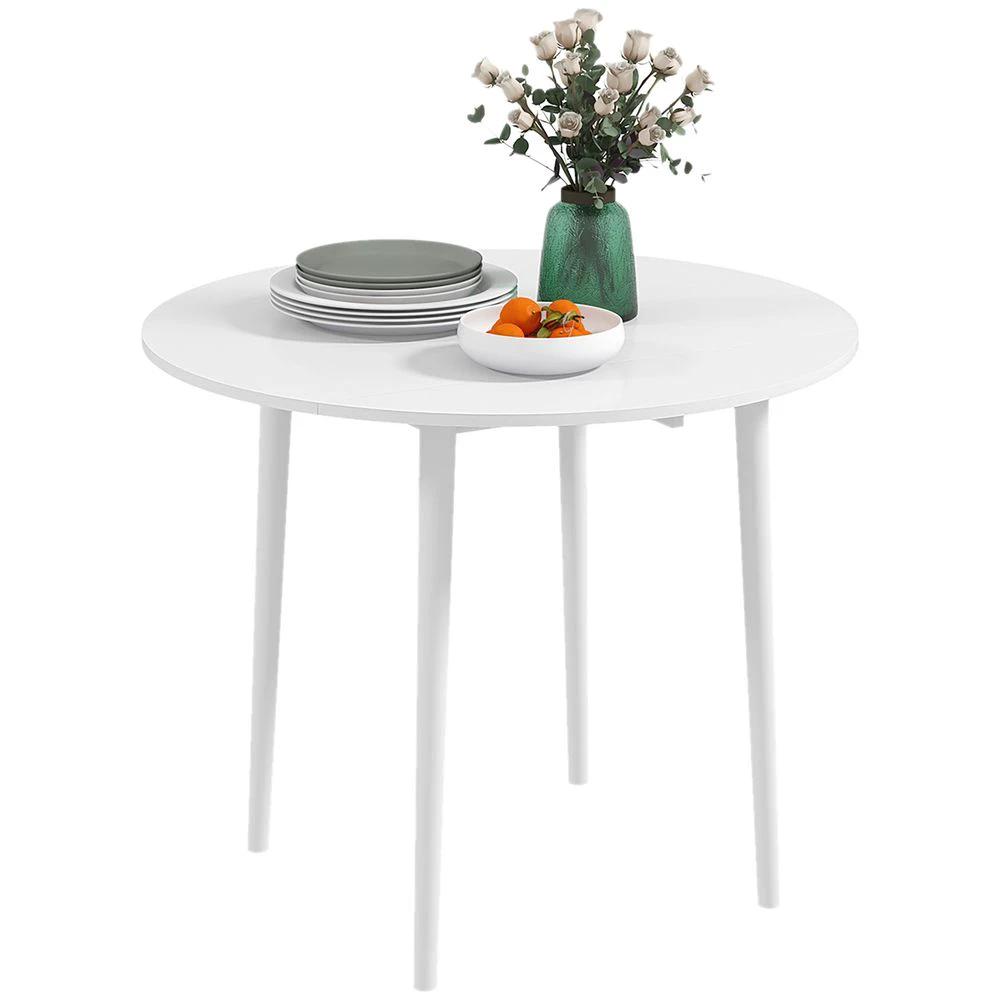
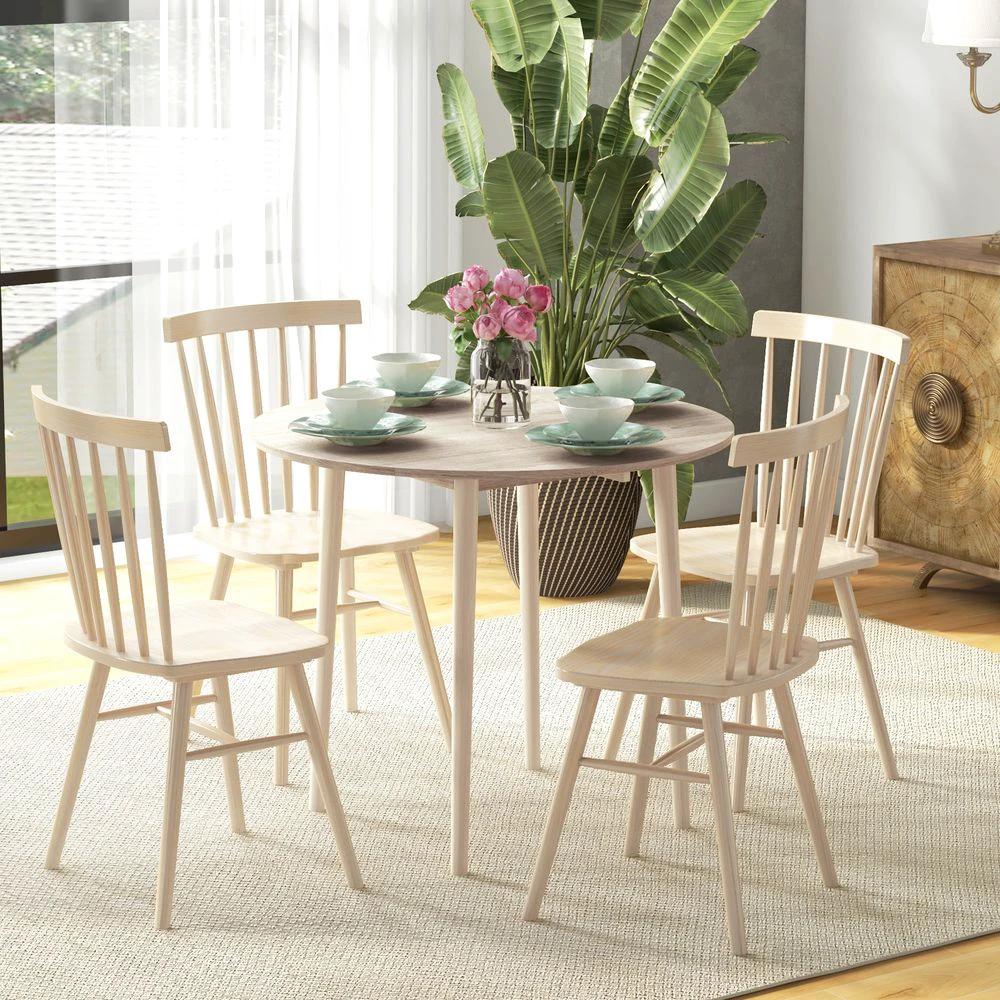
Round tables work better than you'd think, especially if people need to move around the table rather than just sitting at it. No sharp corners to catch your hip on. Rectangular tables are more traditional and fit more people when you need them to.
Think about your chairs too. Standard table height is about 75cm, but check yours. You need enough leg room under the table, and your arms shouldn't be reaching up or hunching down to eat
Actually Living With It
Wood moves. Not much, but it does expand when it's humid and contract when your heating's on full blast. A well-made table accounts for this in how it's built. You'll sometimes notice tiny gaps between planks in winter that close up in summer. This is completely normal. Fighting it is pointless just accept that wood is a natural material doing natural things.
Looking after a wooden table isn't complicated. Wipe up spills. Use a coaster. Don't stick a hot pan straight from the oven onto it. Every few months, give it a wipe with some wood oil or wax your table will tell you when it needs it because water stops beading on the surface.
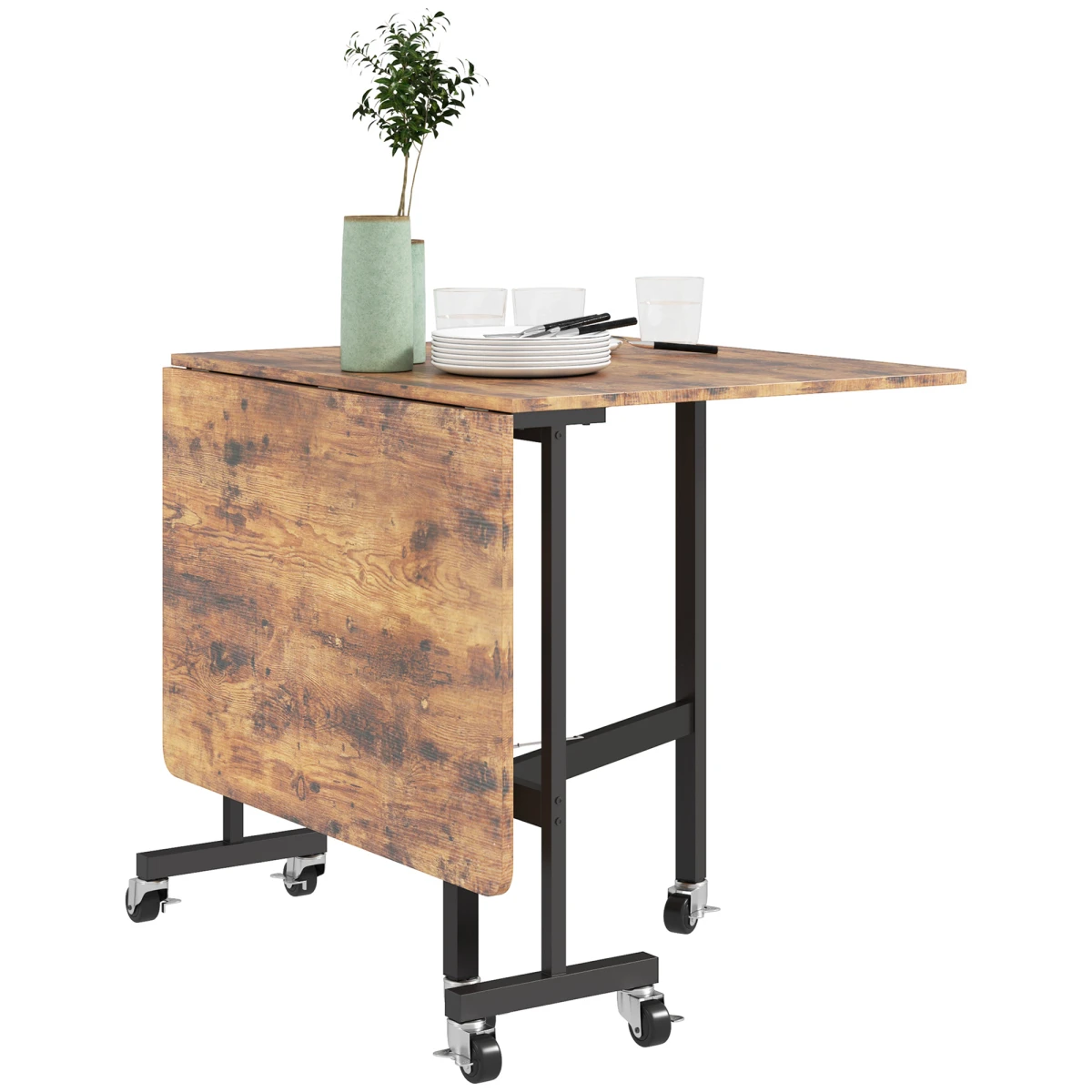
The dining table will get marked. This bothers some people more than others. If you're the type who'll lie awake thinking about that scratch from when someone dragged a serving dish across it, maybe get a table with a rustic or distressed finish where new marks just add to what's already there. Or accept that a table is for using, and a few marks are proof you're actually using it.
What Works Where
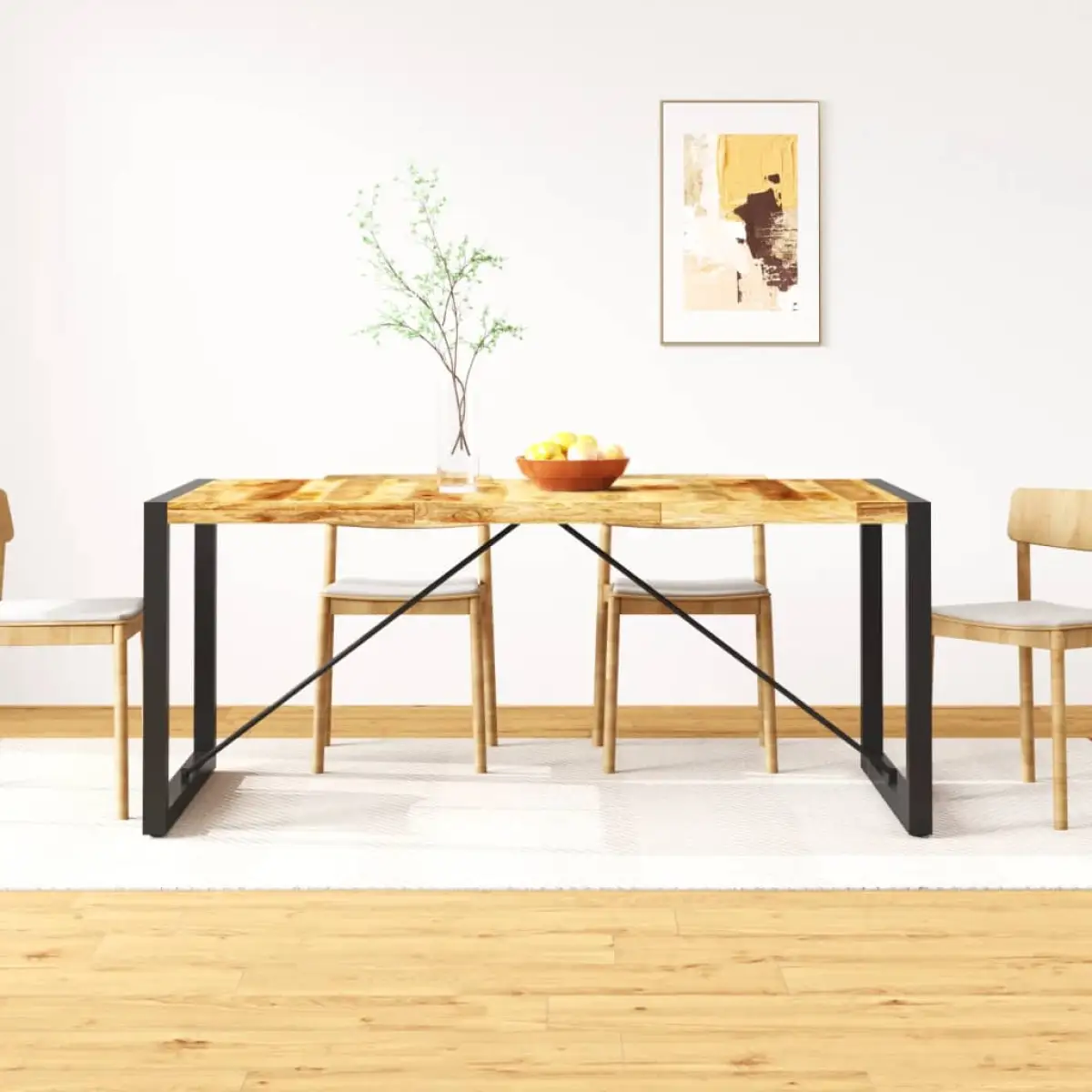
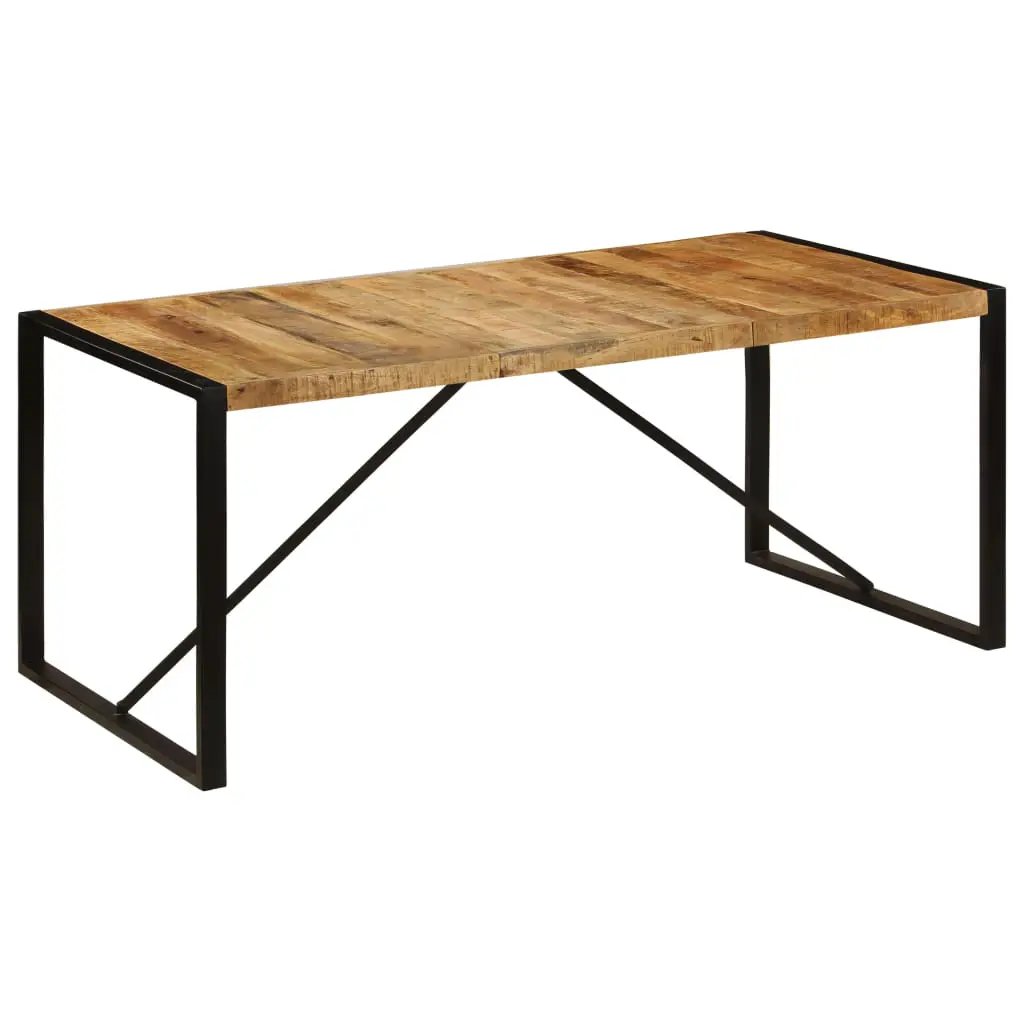
Natural finishes let you see what the wood actually looks like. These suit modern homes where you want clean lines and organic textures. The wood becomes a feature rather than just furniture.
Darker stains feel more formal. They're better at hiding marks, but they can make a room feel smaller and darker. You need decent lighting to stop them looking heavy.
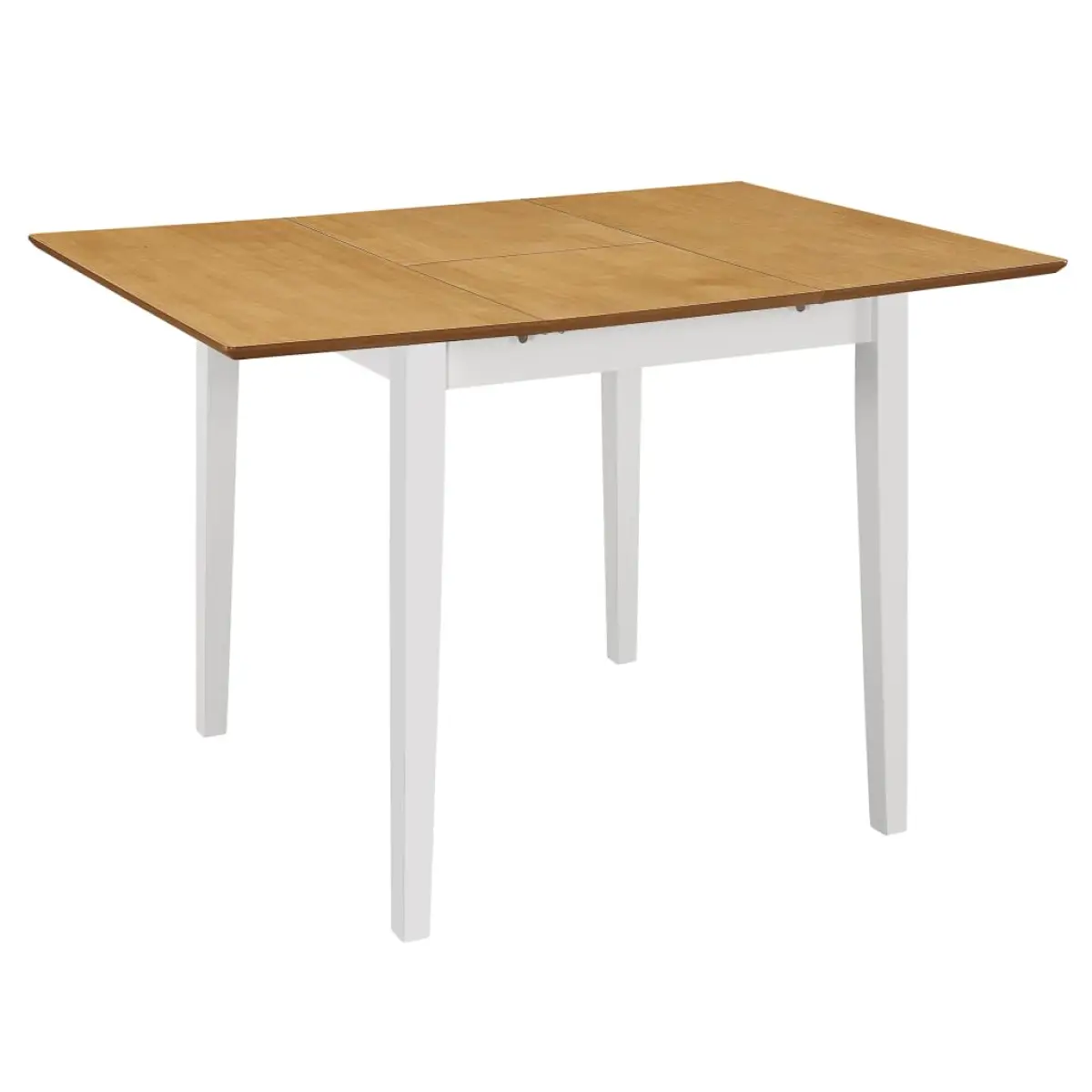
Some tables mix painted bases with wooden tops, or combine different timber types. These bridge that gap between modern and traditional useful if your home's décor is a bit of both.
Choosing Yours
Start by deciding which wood appeals to you and fits your budget. Our collection lets you filter by material, size, and style. Read the details properly. The wood type, the finish, the dimensions, how much the thing weighs it all matters when you're living with it for the next twenty years.
Don't forget about delivery. Solid wood tables are heavy. Really heavy. Make sure your floors can take it, and that you've got a route from your front door to where it's going. Some arrive assembled, some need the legs attaching. Check before you buy so you know what you're in for.
A decent wooden dining table costs proper money, but it's one of those purchases you make once and then forget about. Choose something you like, that fits your space, and that can handle how your household actually lives. That's all there is to it.