Wingback Recliners

Wingback Recliners

6 products

Showing 1 - 6 of 6 products

Showing 1 - 6 of 6 products
View

Recently viewed

What the wings actually do

Two things, and they work independently of each other. The practical one is lateral support: the wings give your head somewhere to go when it tips sideways, which is most people's default position for dozing in front of the television. Without them, your neck carries that weight on its own.

The second is about feel rather than function. The panels close off your peripheral vision a little and create a sense of being enclosed. Plenty of people find that settling, which is exactly why the design has lasted. Some find it restrictive. It's worth sitting in one if you've never tried it, because it's the sort of thing you either take to or you don't.

Push-back or power lift

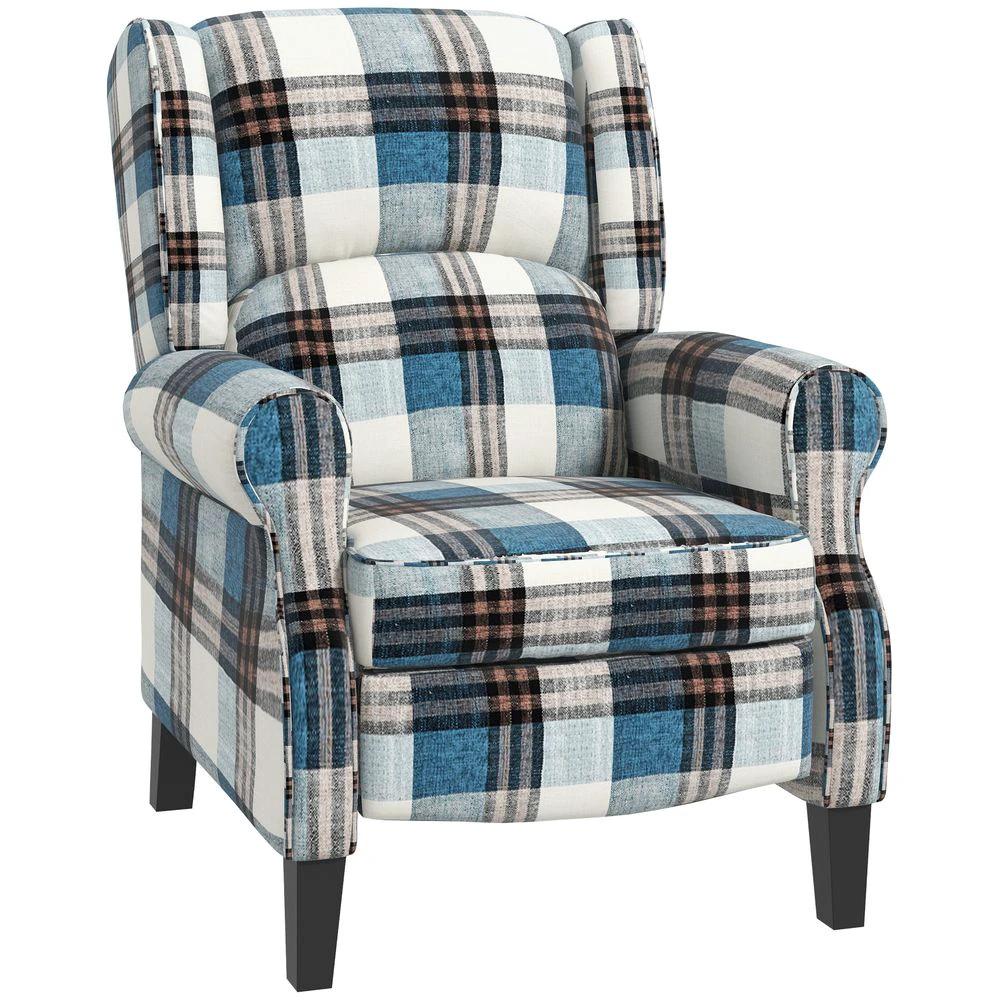
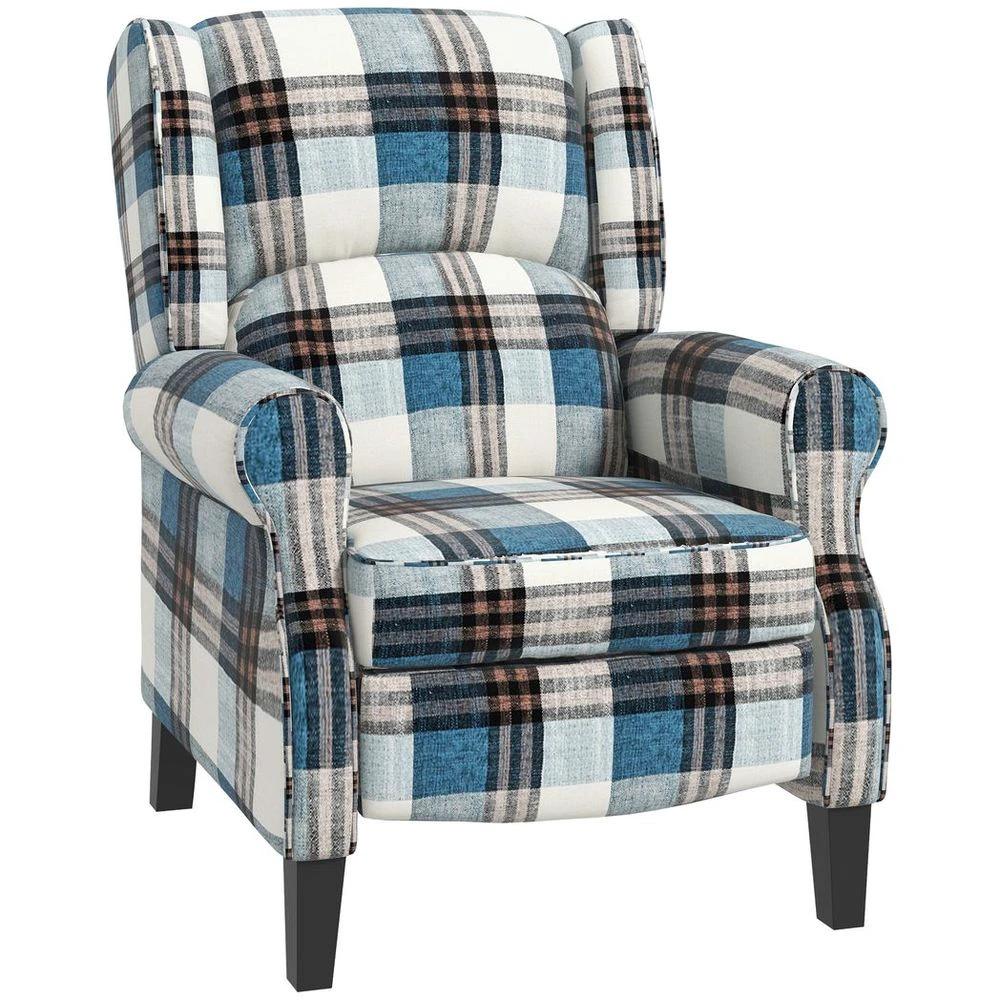
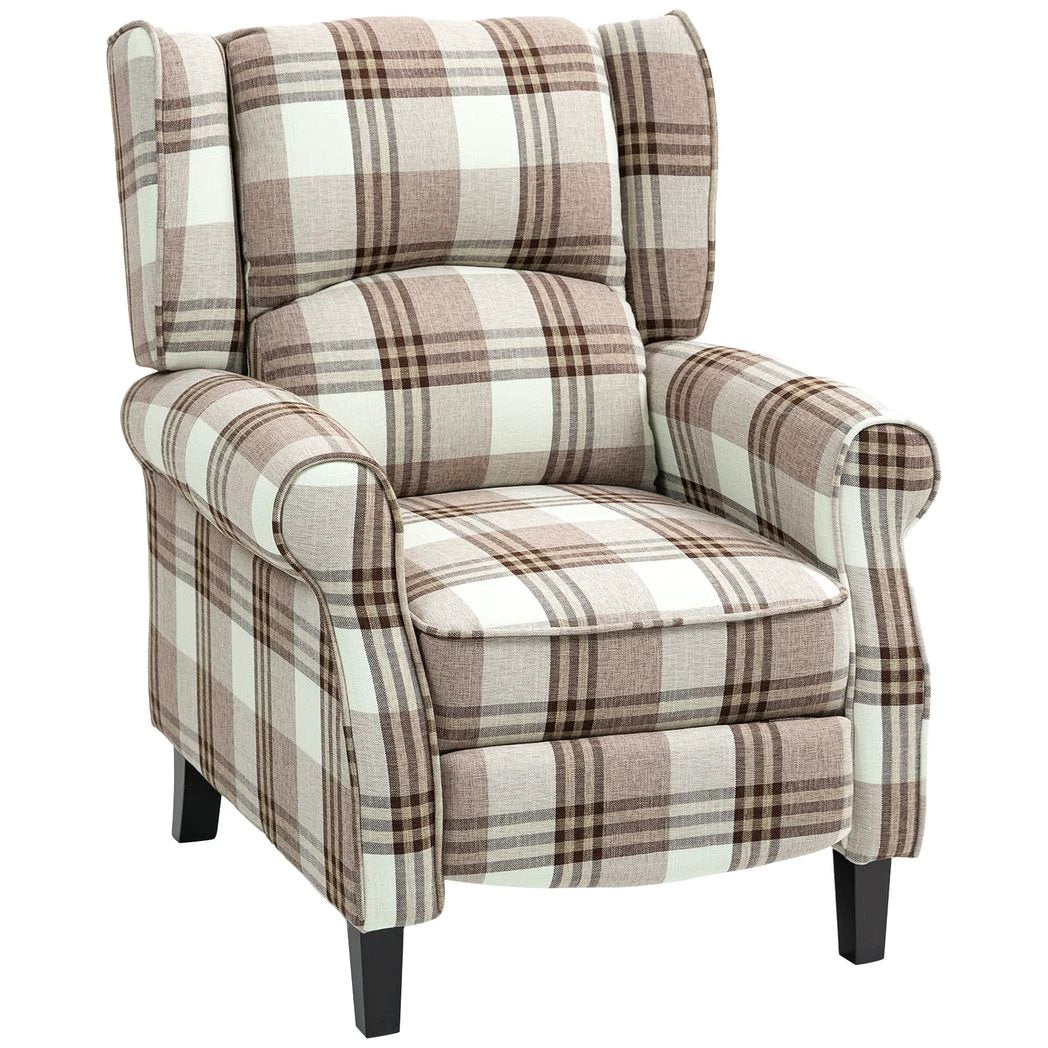
Three of the five chairs are manual push-back. You lean into the backrest, your own weight opens the recline, and you sit forward again to close it. No lever, no cable, nothing electrical to fail. Have a look at the wider manual recliners range if that's the mechanism you're after.

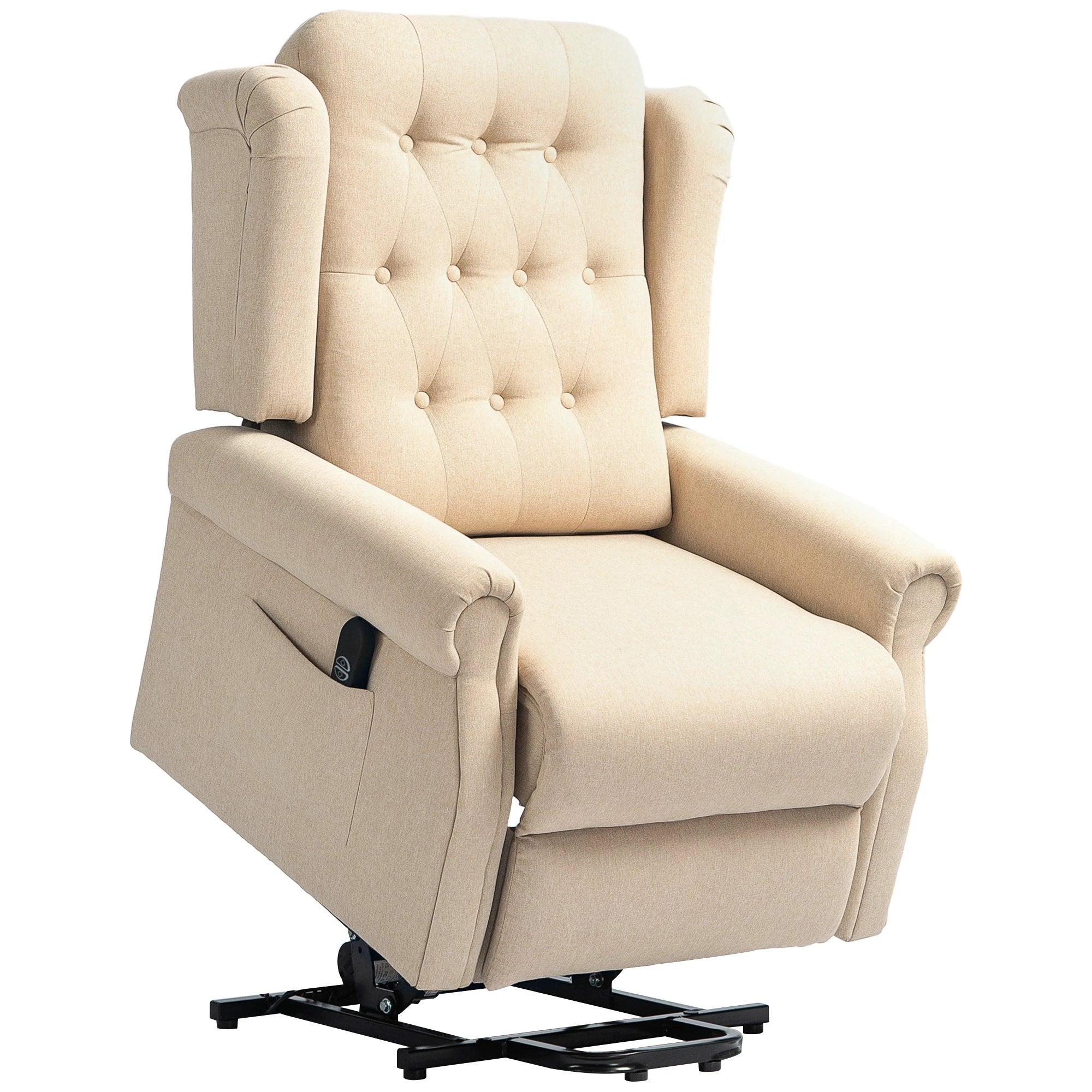
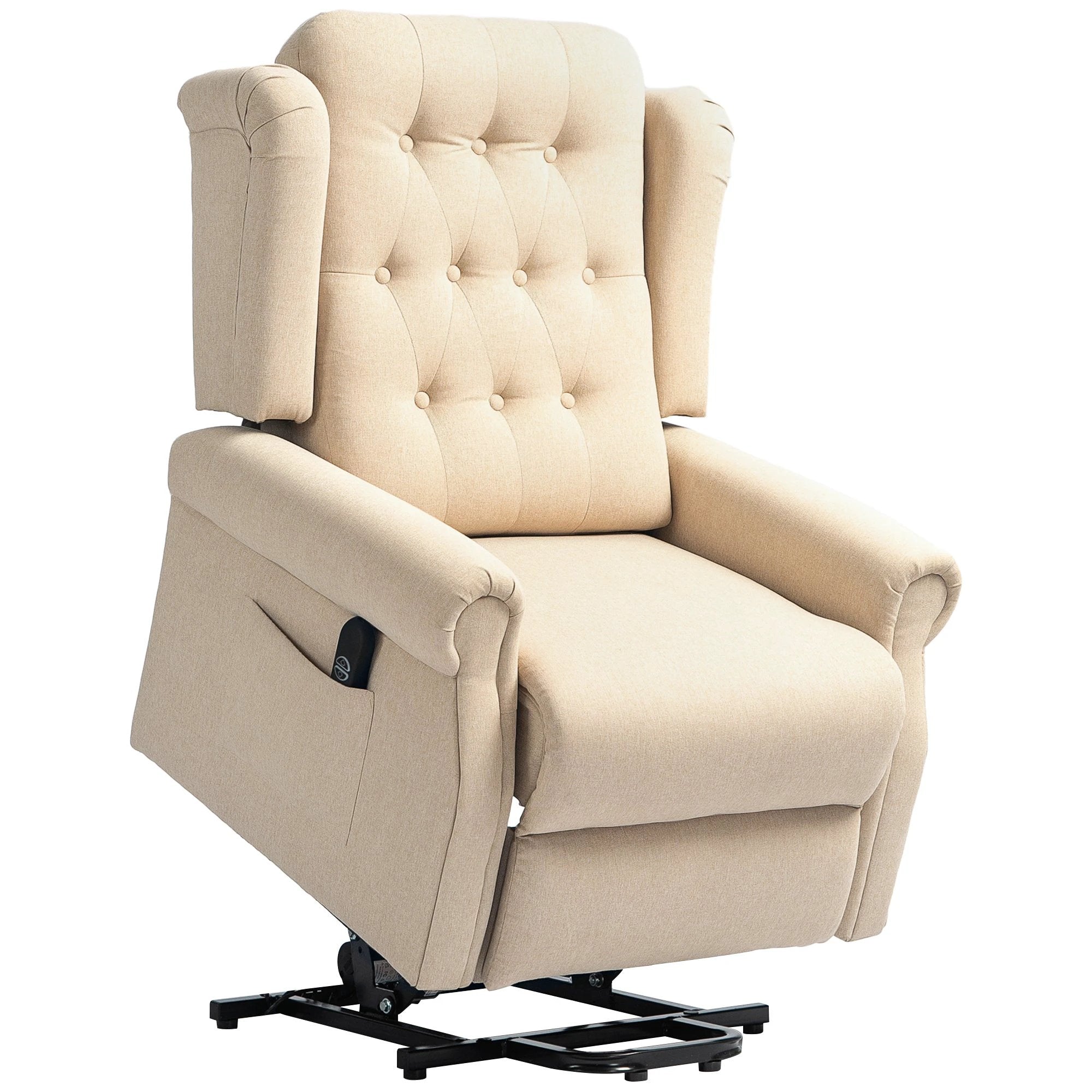
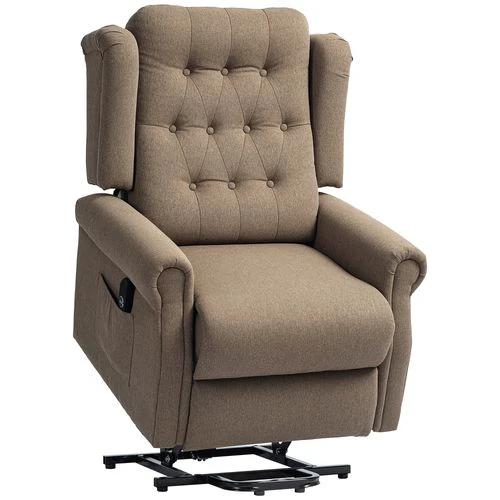
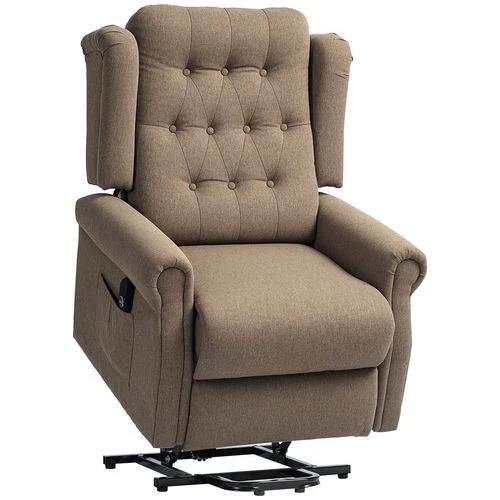
The other two are power lift models operated by a handset. One direction reclines the backrest and raises the footrest. The other tilts the entire seat base forward at the front, raising the front edge of the seat. These need a plug socket within reach of where the chair sits. The full power lift recliners collection has more options.

Measuring before you order

Two numbers matter more than the footprint. Back height is the one people forget, because a wingback sits taller than a standard recliner and can cut awkwardly across a window sill or a dado rail. The other is the clearance behind the chair, usually 30 to 40cm, which the backrest needs in order to open fully. If it's going against a wall, measure that gap before anything else.

Where a wingback sits best

A wingback reads as a statement chair rather than a background one, so it tends to work best on its own: beside a fireplace, angled into a corner, or in a bay window. Matched pairs need a large room to look right. In a smaller living room, one wingback alongside a two-seat sofa usually sits better than two armchairs facing each other. The broader recliners range covers other shapes if the winged profile is too much for the space.

Frequently asked questions

  • What is a wingback recliner chair?

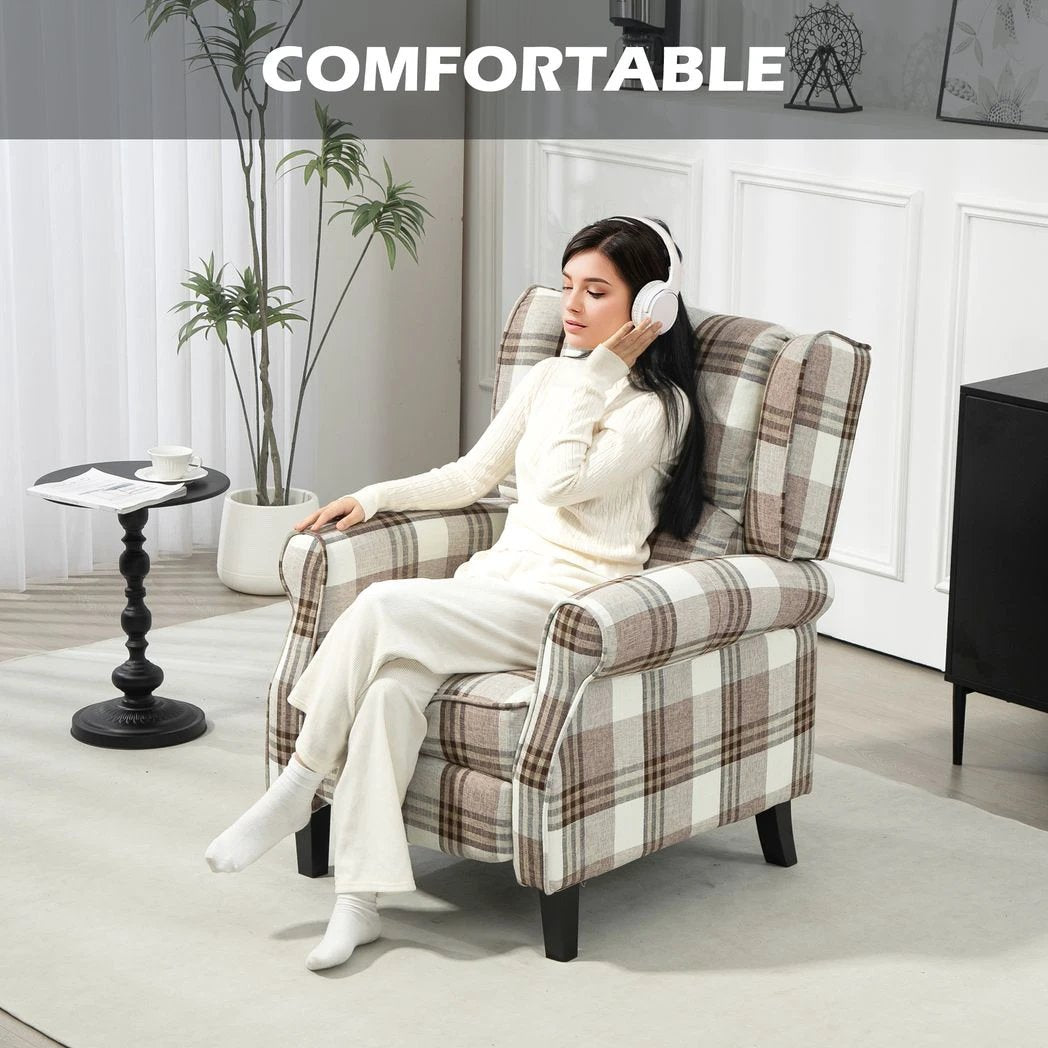
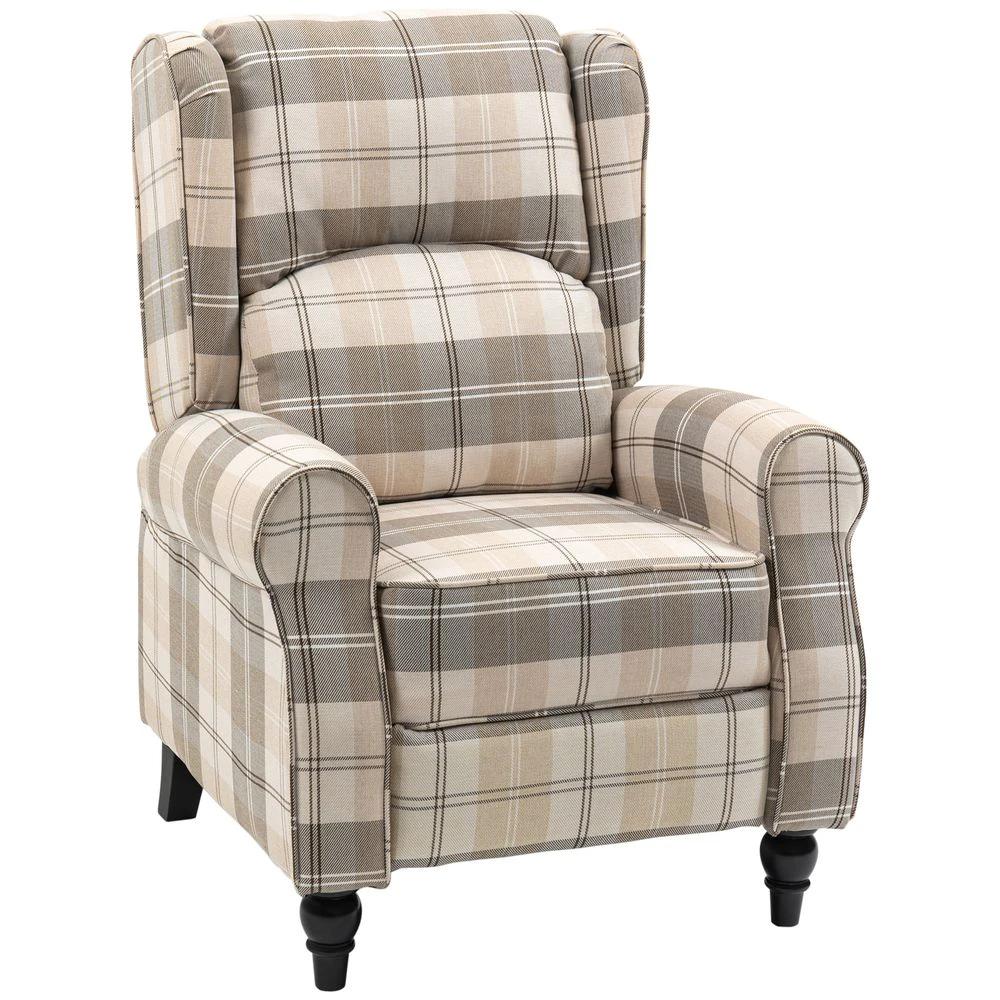
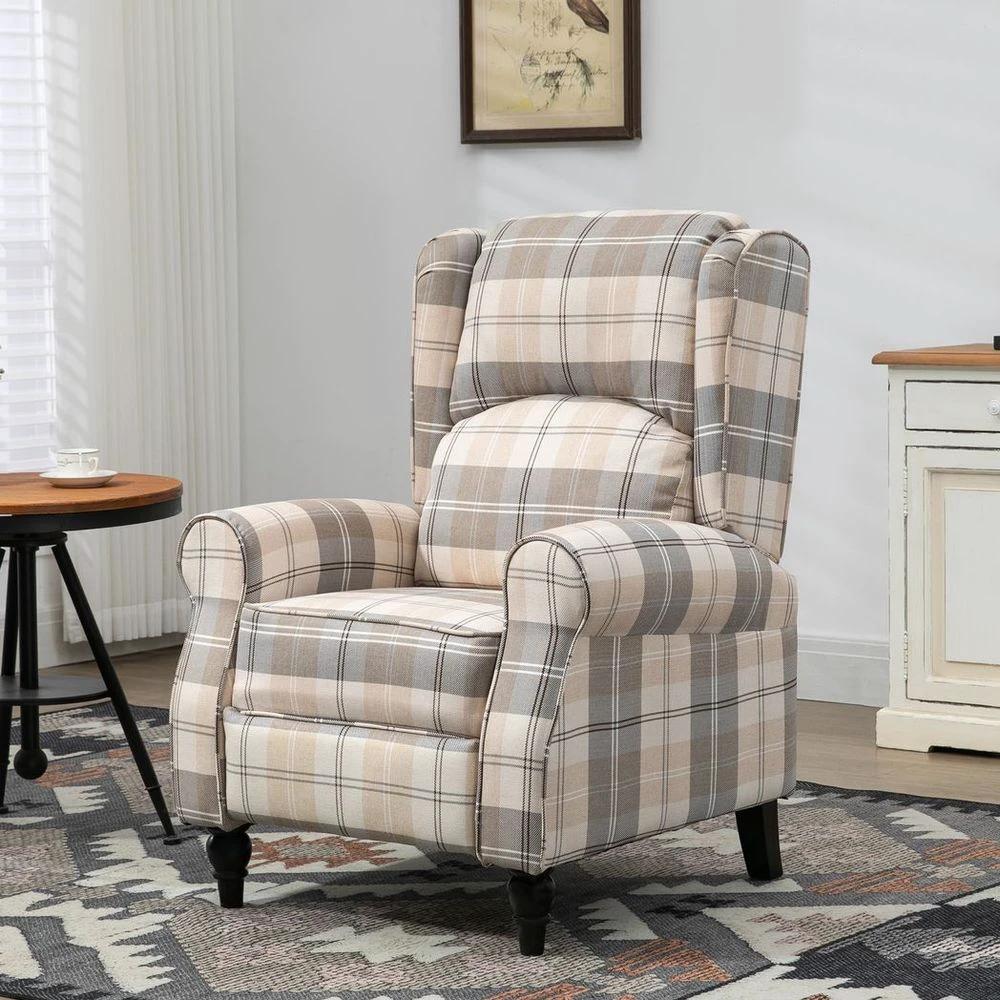
    It's a recliner with raised panels, the wings, on either side of the headrest at head height. The wings are the defining feature and they sit forward of the backrest so they meet your head when you lean sideways. Everything else works like a standard recliner: the backrest tips back and the footrest comes up.

  • What's the difference between the push-back and the power lift models?

    Push-back chairs recline using your own body weight. Lean back and the mechanism opens, sit forward and it closes. There's no motor, no handset and no cable. Power lift chairs use an electric motor and a handset, and they add a second movement: the seat base tilts forward at the front, lifting the front edge of the seat upwards. Push-back models cost less and can go anywhere in the room.

  • How much clearance do they need behind them?

    Around 30 to 40cm between the back of the chair and the wall, so the backrest has room to open fully. If you push a recliner flat against a wall it won't recline properly and you'll put strain on the mechanism. Each product page lists the exact figure for that chair.

  • Are they taller than a standard recliner?

    Yes, that's part of the design. The wings extend above where a normal headrest stops, so the overall back height is greater. This matters if the chair is going under a sloped ceiling, in front of a window, or against a wall with a picture rail. Check the height measurement on the product page against the spot you have in mind.

  • Can wingback recliners fit in modern homes?

    Yes, whilst wingback chairs have traditional origins, they complement many interior styles. The classic silhouette adds character to contemporary spaces, and neutral upholstery colours help them blend seamlessly with modern décor whilst providing a sophisticated focal point.

  • Can a wingback recliner help someone who finds standing up difficult?

    We're not able to advise on whether a particular chair suits an individual, and nothing on this page should be read as advice on that. What we can describe is what the mechanism does. On the two power lift models, the motor tilts the whole seat base forward, raising the front edge of the seat. If a chair is being bought to meet a specific need, an occupational therapist can specify the seat height, seat depth and back height that suit the person, and it's worth getting that done before ordering rather than after.

  • How do I clean the upholstery?

    Vacuum regularly with an upholstery attachment to lift dust out of the fabric, and deal with spills promptly using a damp cloth rather than letting them dry in. Avoid soaking the fabric. Each product page carries the manufacturer's care instructions, which take priority over general guidance. It's also worth checking the bolts on the mechanism once or twice a year and tightening any that have worked loose.

  • What if it's too big once it arrives?

    You can return it. For a change of mind or a sizing issue, the chair needs to be unused and in its original packaging, and the return postage is yours to cover. If it arrives damaged or faulty, that's handled separately at no cost to you. Recliners are bulky, so measure your doorways and any turns on the stairs before ordering, because access is the most common reason one goes back.

From the journal

Slim shoe cabinets for narrow hallways

Slim shoe cabinets for narrow hallways

In a lot of UK homes, the hallway is barely wider than the front door. Add a radiator, a coat hook and four people's shoes, and getting in with the shopping turns into an obstac...