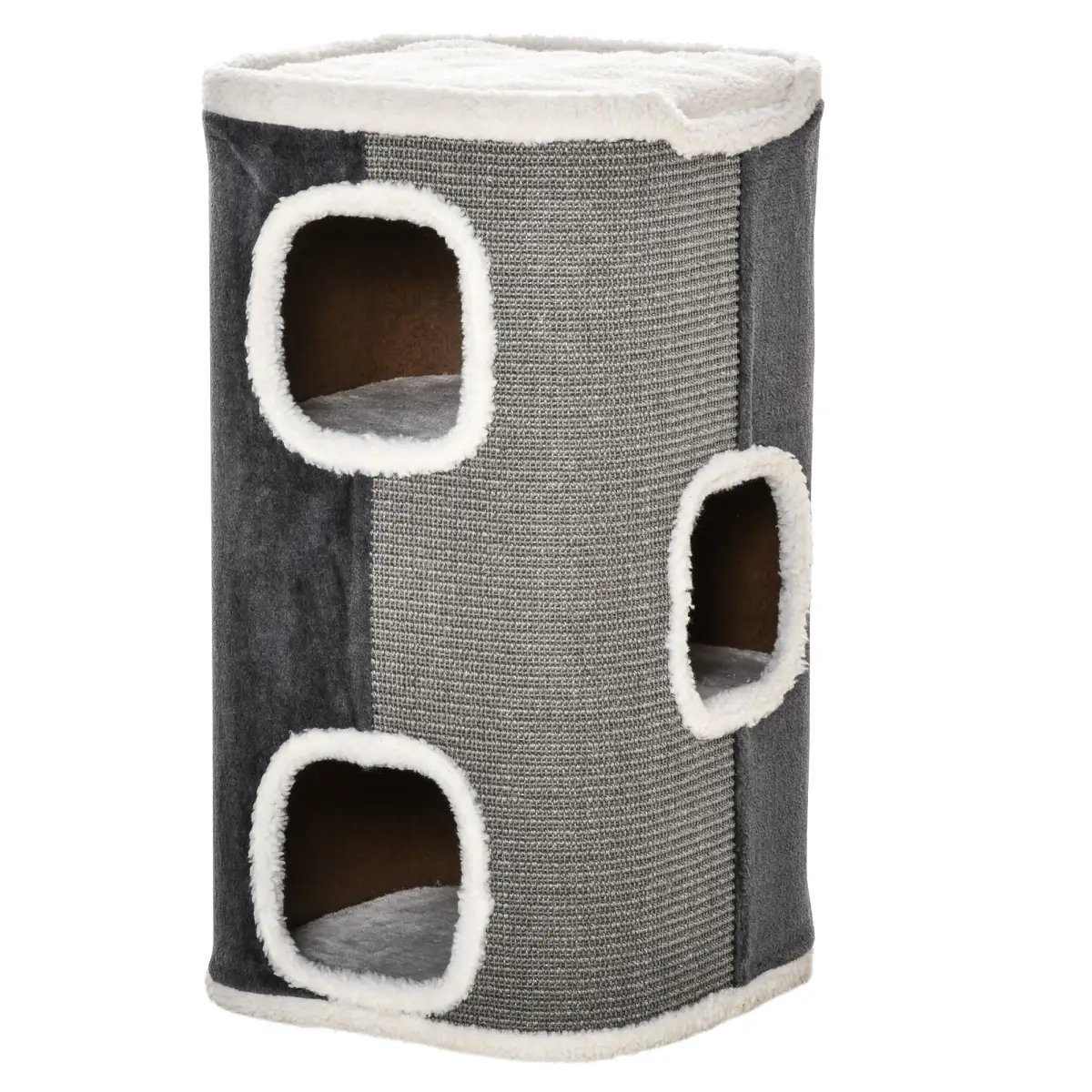
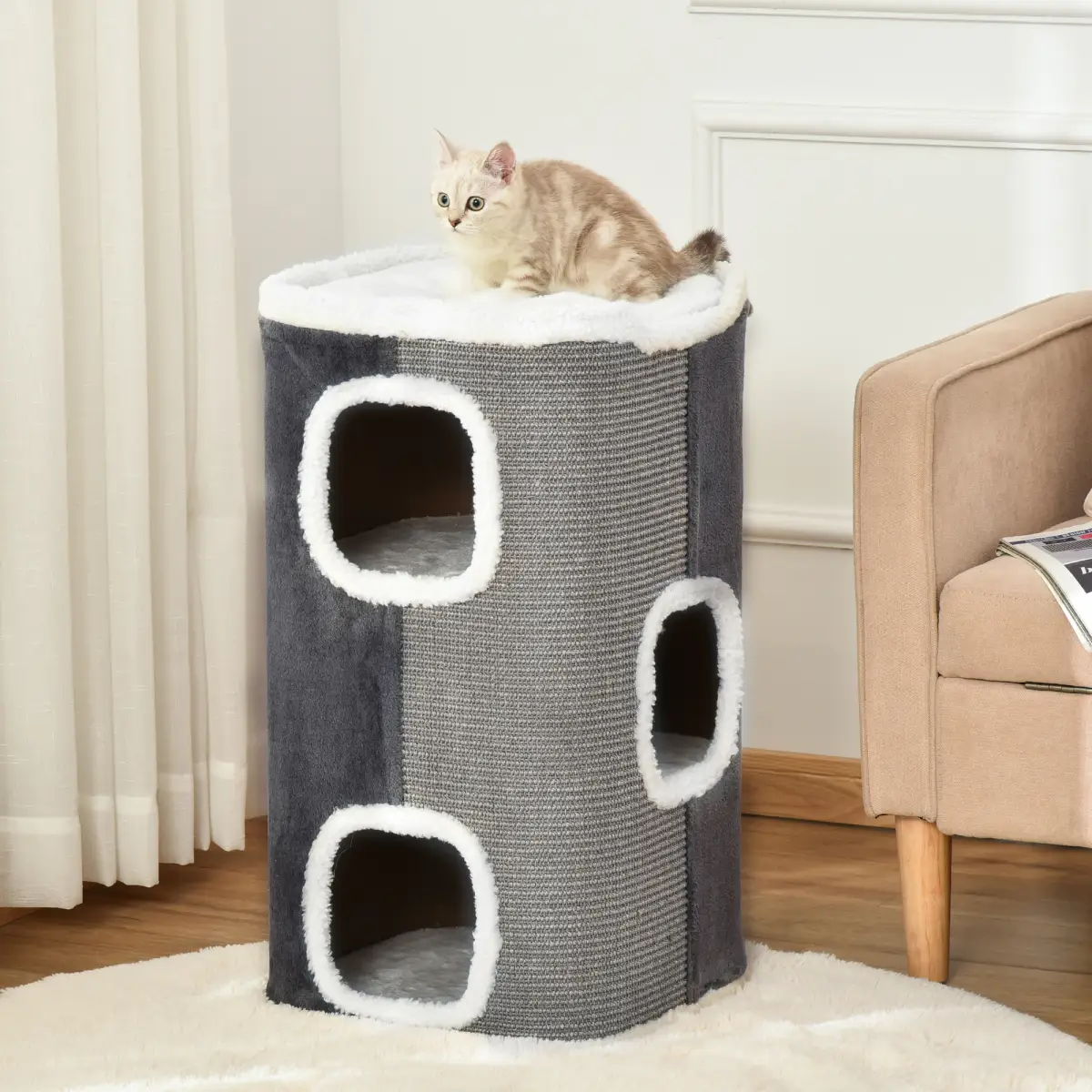
Height and stability are the two things that matter
A cat needs to stretch fully when it scratches. That's part of the point. If a post is shorter than your cat's full reach when standing on its back legs, it won't get used properly and your cat will go back to the sofa arm, which is exactly the right height.
For an average adult cat, look for at least 60cm of scratching surface. Bigger breeds want 70cm or more. Kittens can start smaller but will outgrow it within the year, so it's usually cheaper to buy for the adult size straight away.
Stability is the other half. If a post wobbles when a cat leans into it, that cat won't trust it again. Look for a wide, heavy base. A post that rocks is a post that gets ignored.
Choosing the covering
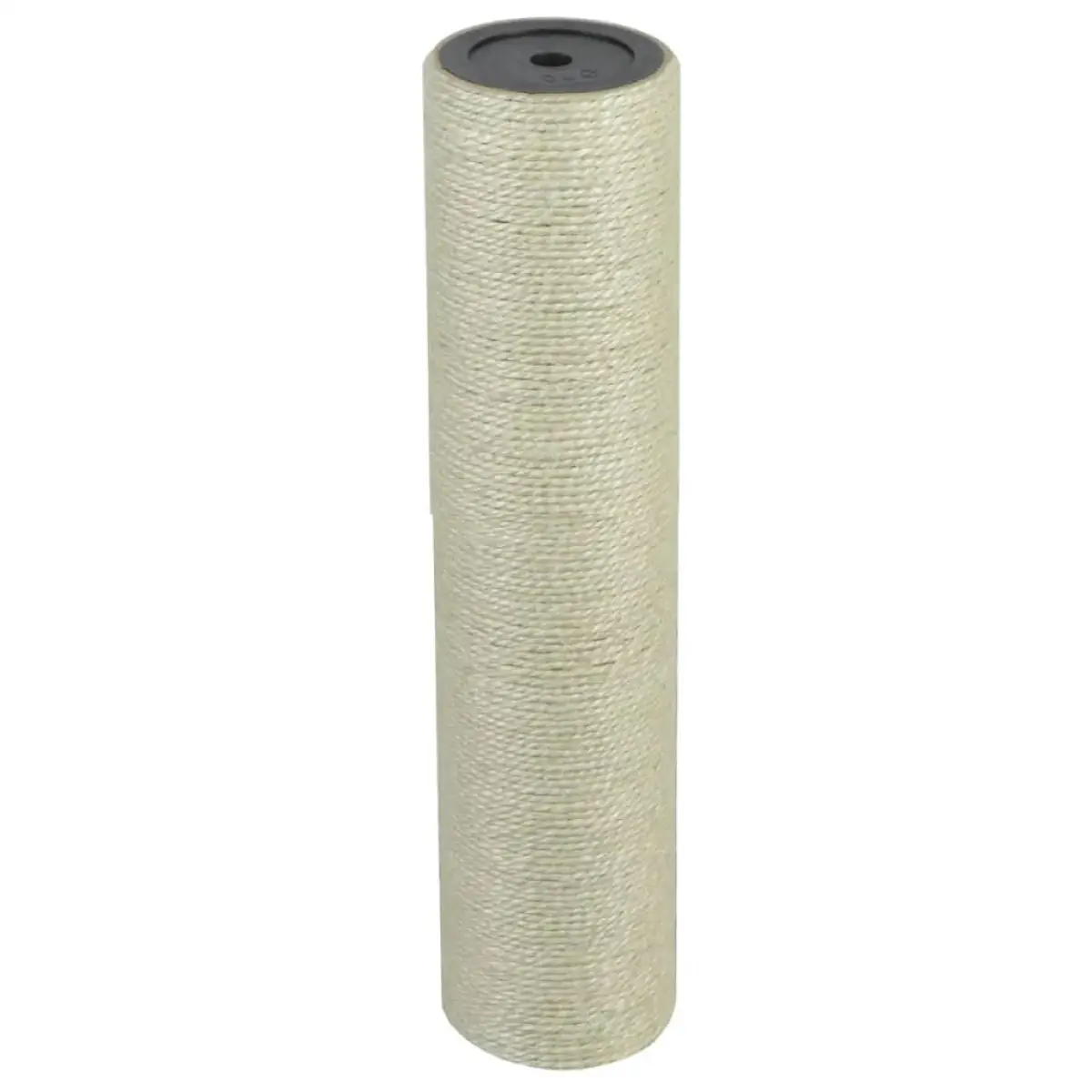
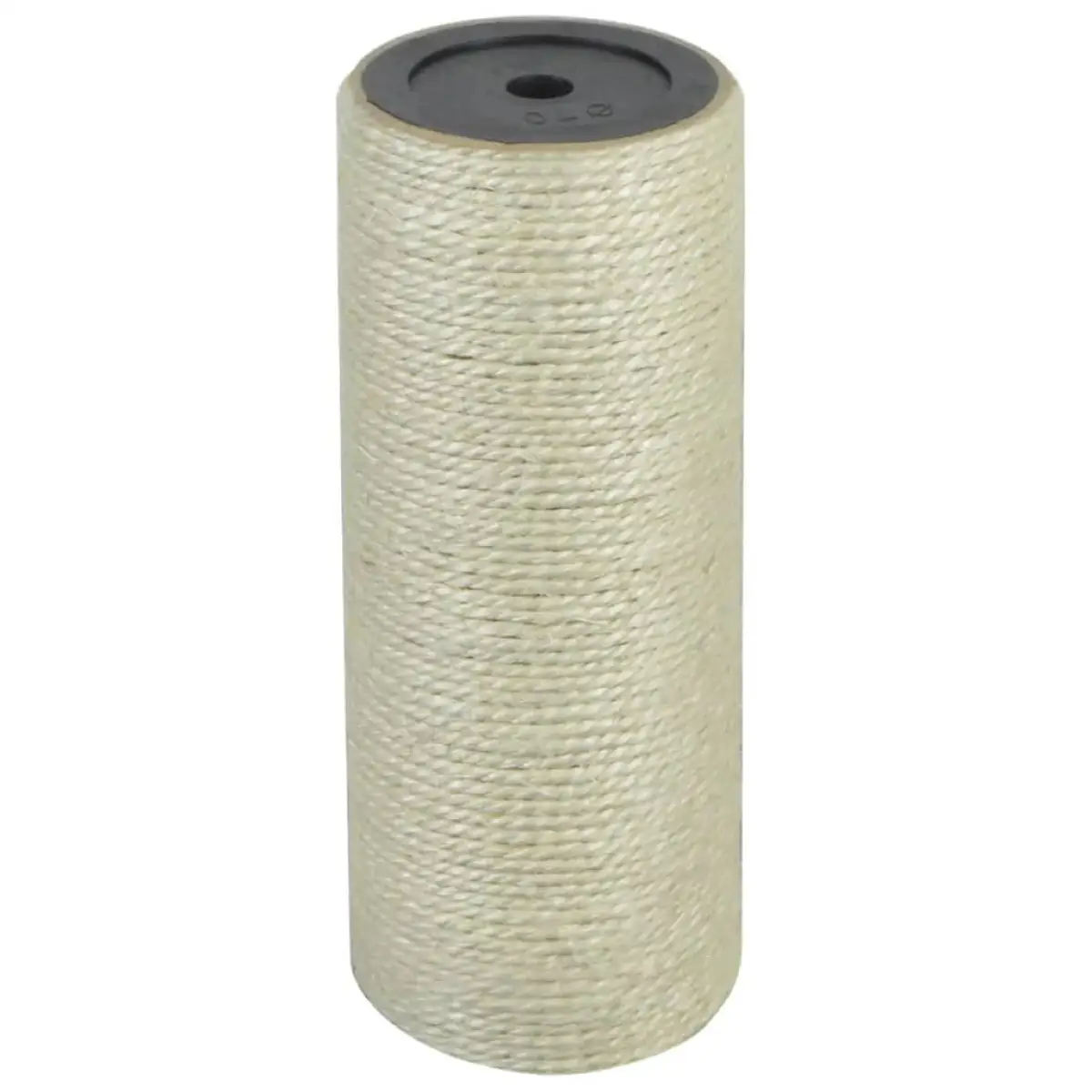
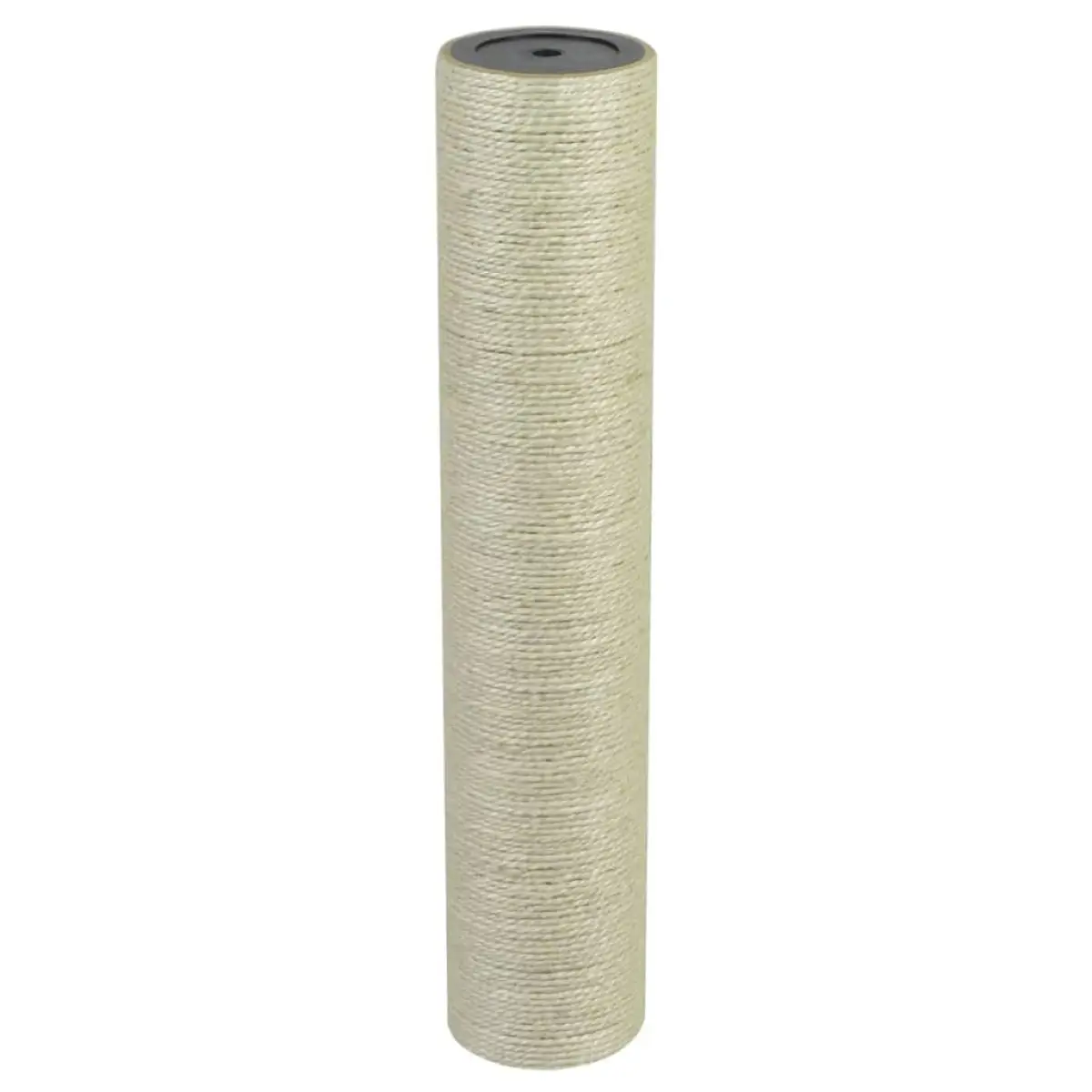
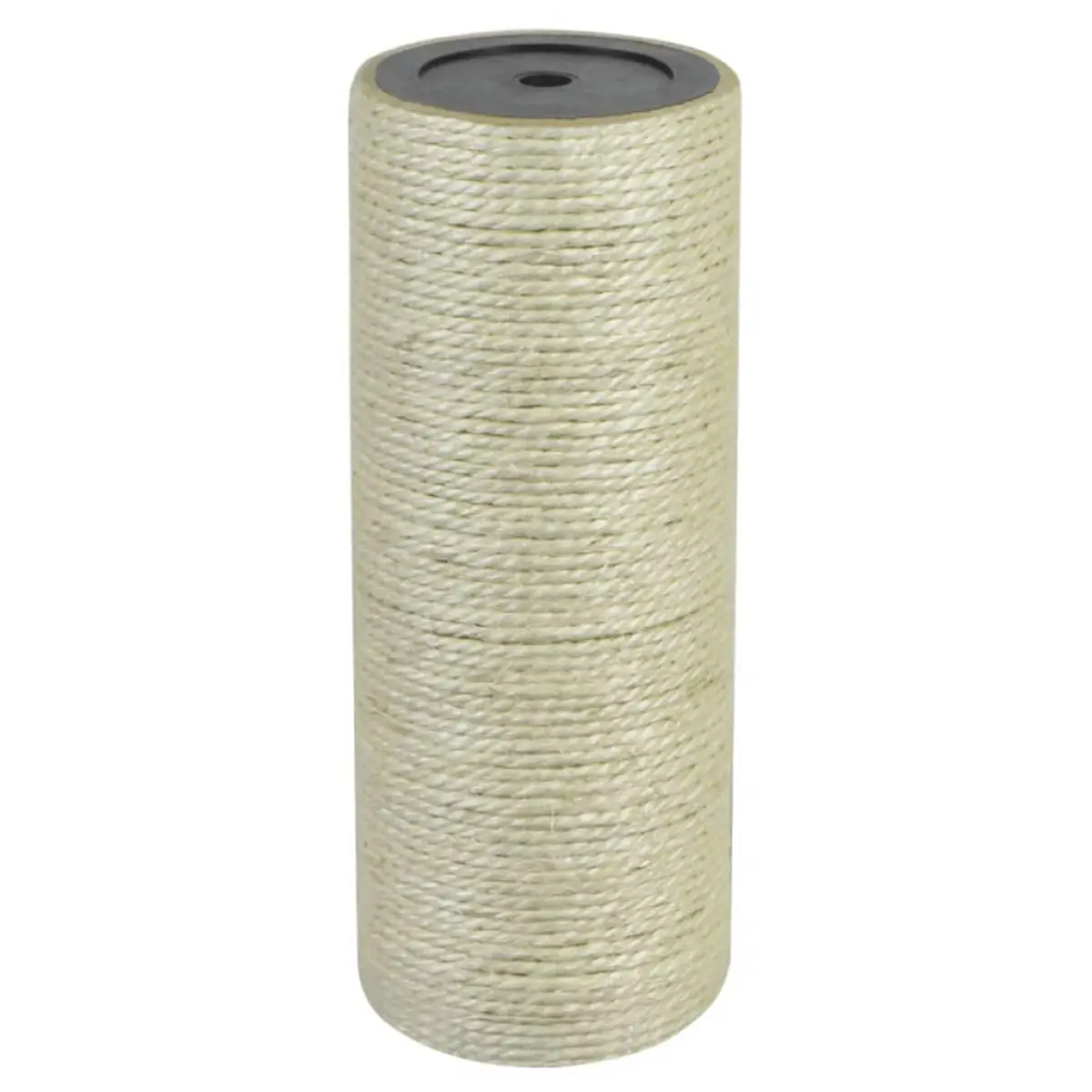
Sisal rope wears best and gives the strongest resistance, which is what most cats prefer. It looks slightly rustic and sheds a small amount of fibre.
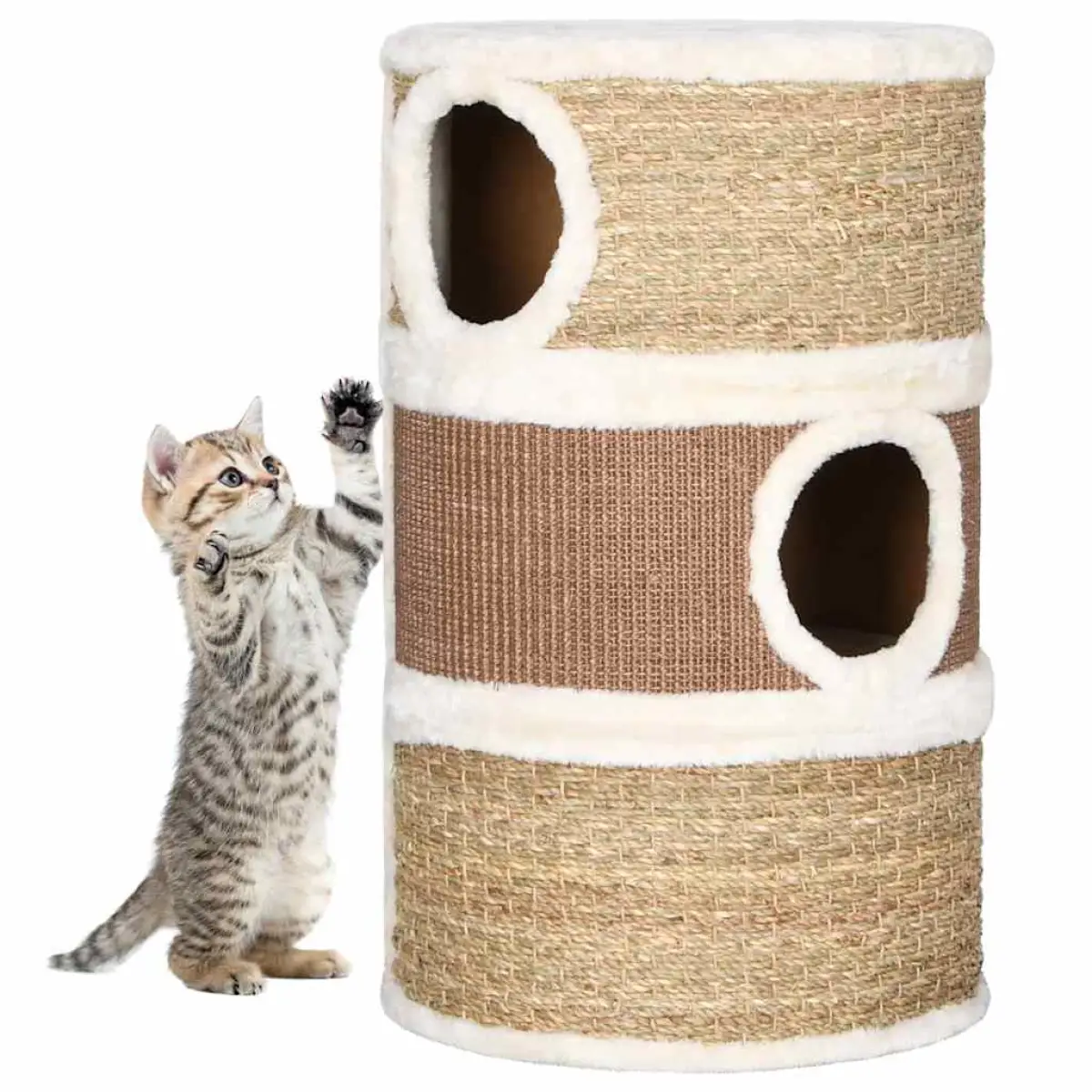
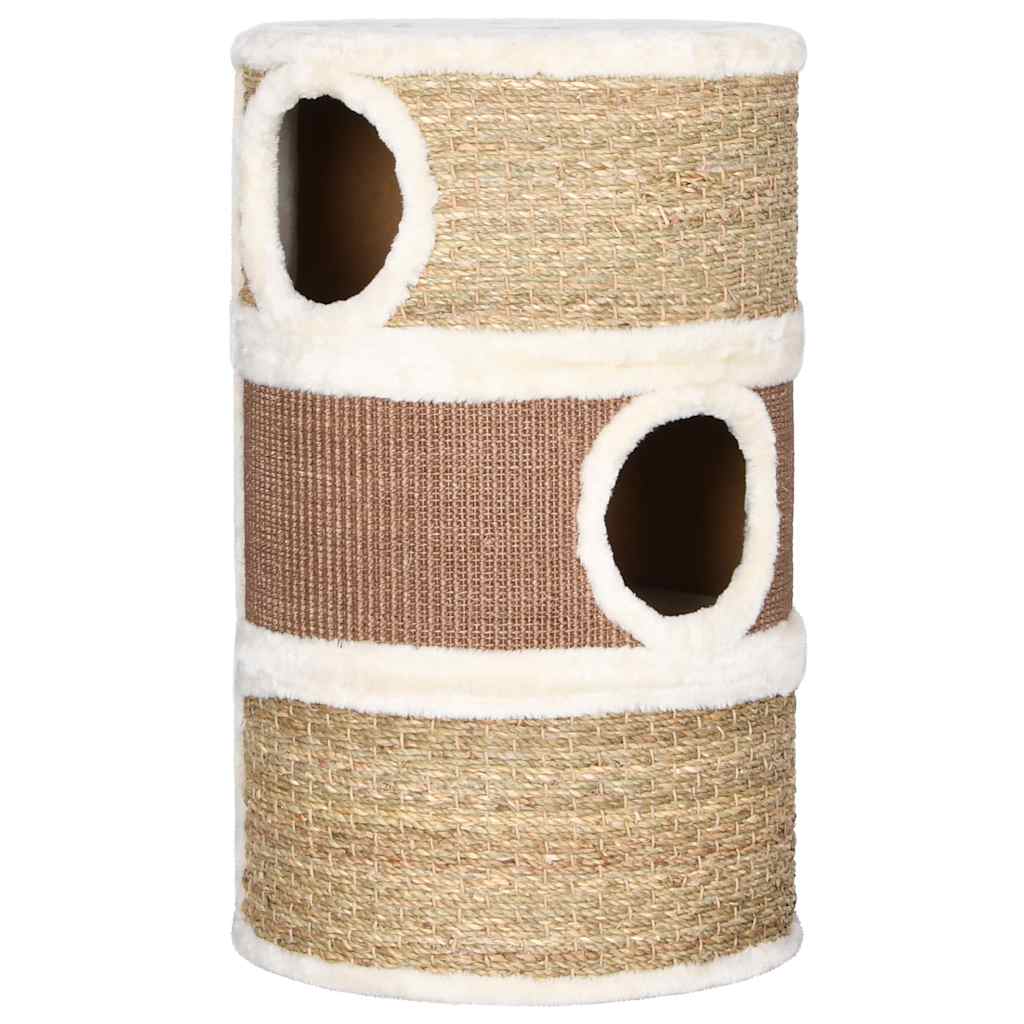
Seagrass is a softer natural alternative. It's quieter, it looks tidier in a living room, and cats with more delicate claws often prefer it. It doesn't last quite as long as sisal under heavy use.
Cardboard is the cheapest and, oddly, one of the most popular with cats. It shreds as it's used, so expect to replace it every few months.
Carpet covered posts are worth avoiding. They teach a cat that carpet is fair game, which is not the lesson you want.
Vertical or horizontal
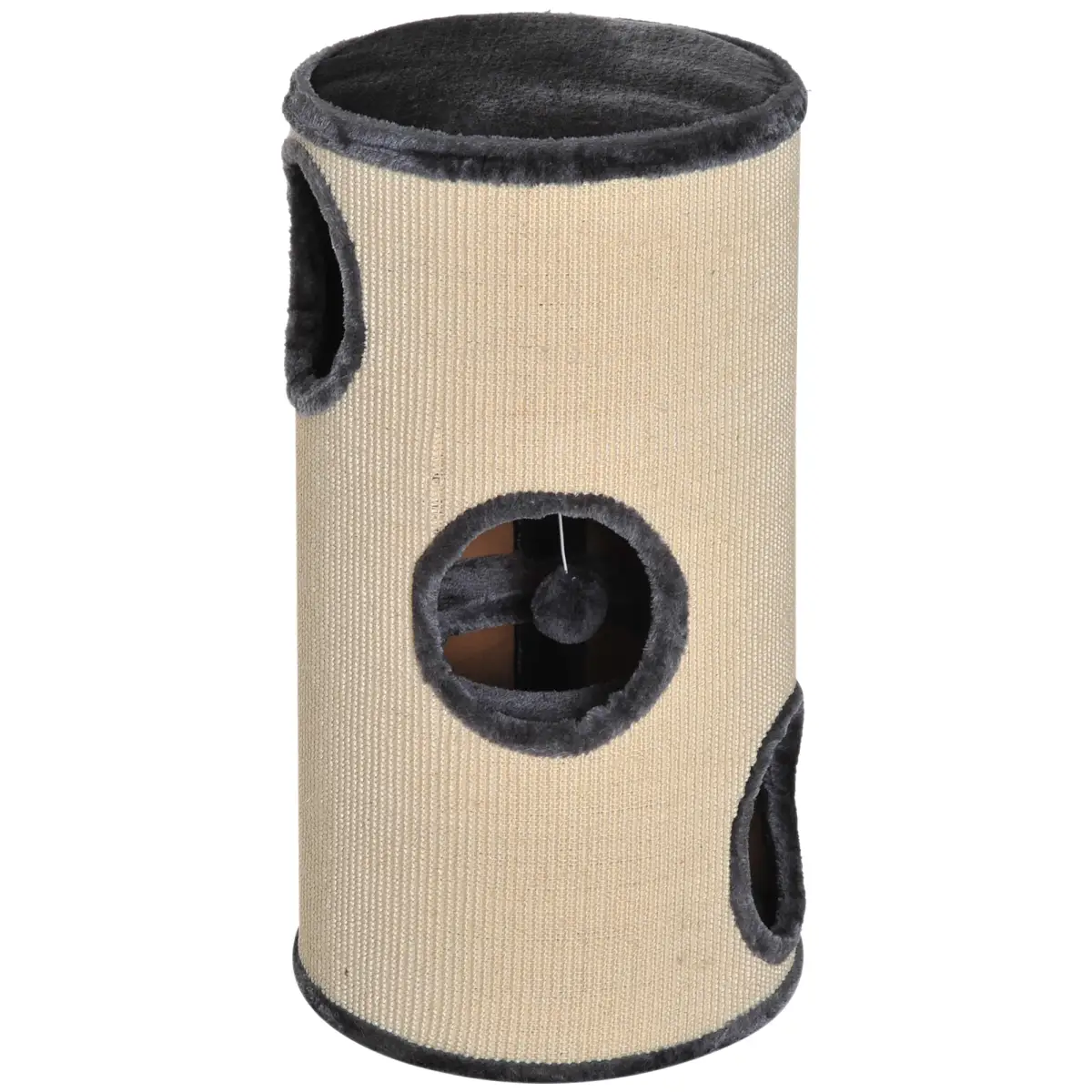
Watch how your cat scratches now. Some reach up a doorframe or the back of the sofa, which means a vertical post. Others rake at the carpet or the rug, which means a flat or angled scratcher. Plenty of cats do both, in which case one of each is worth having.
Older cats often shift towards horizontal scratching as their joints stiffen, so if your cat has stopped using a tall post it may not have lost interest, it may just be uncomfortable reaching that high.
Where to put it
This is where most people go wrong. Tucking a post away in a spare room means it never gets touched.
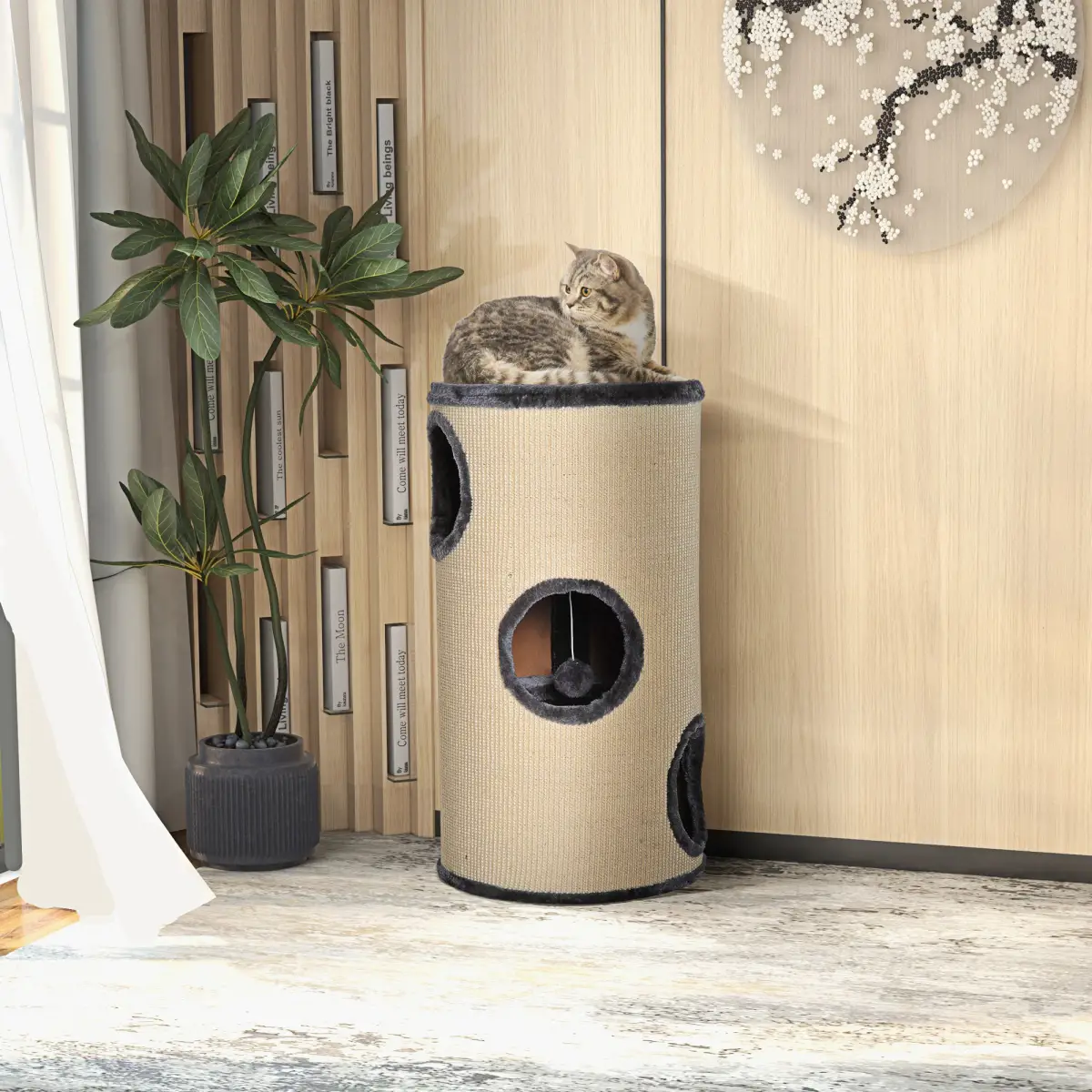
Put it next to whatever your cat is currently scratching. If the sofa arm is the problem, the post goes beside the sofa arm. Cats scratch in places that matter to them, near entrances, near where they sleep, and in the middle of the household action. Once the habit has transferred, you can gradually move the post a few inches at a time if you want it somewhere else.
A post by the door your cat comes through, and another near where it sleeps, covers most households.
Getting your cat to use it
Rub catnip into the surface or use a catnip spray. Drag a toy up and down it to get the paws on. Praise the cat when it uses the post. Don't ever pick a cat up and press its paws against it, as that reliably puts them off for good.
How many do you need?
One per cat, plus a spare, is the usual advice. Cats won't queue.