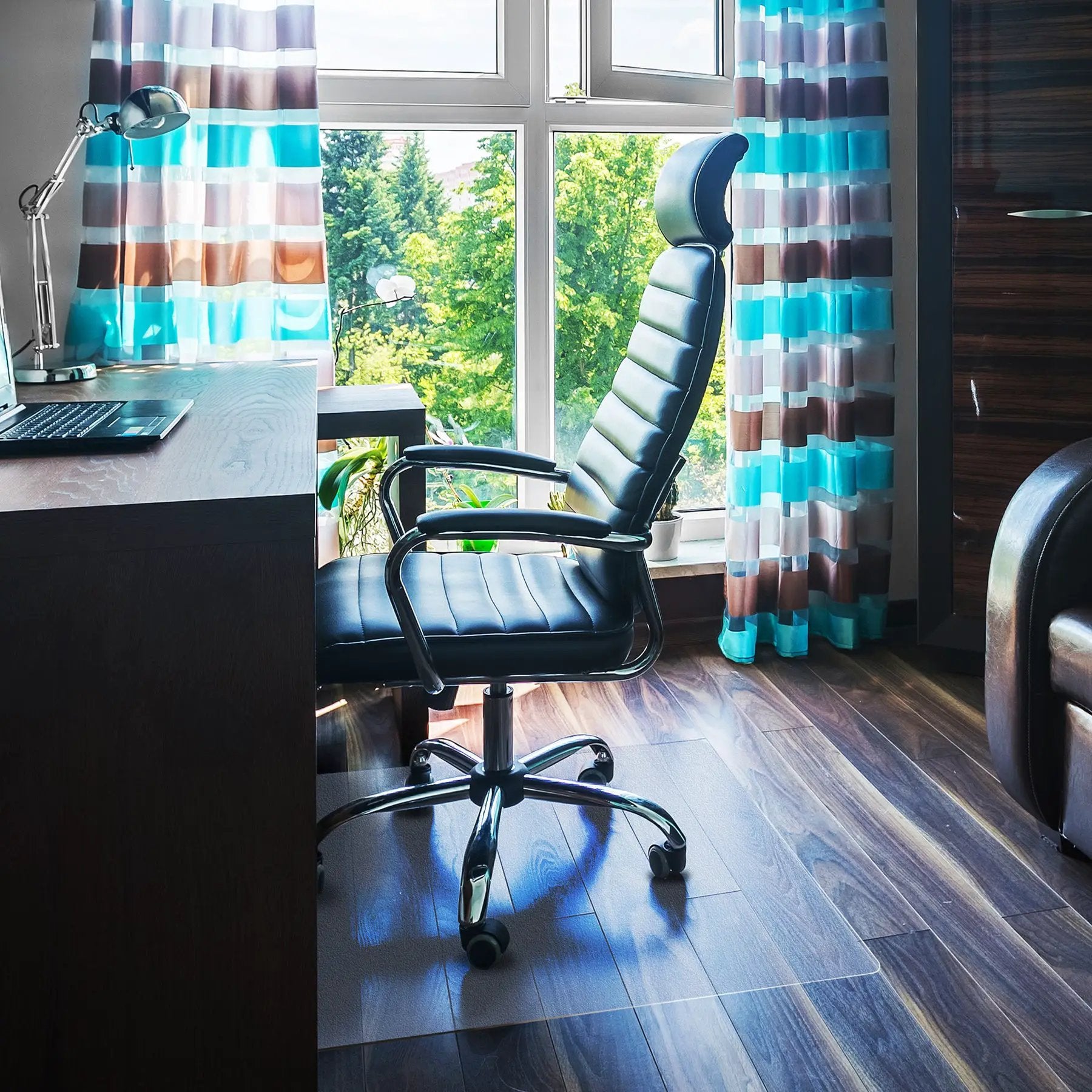
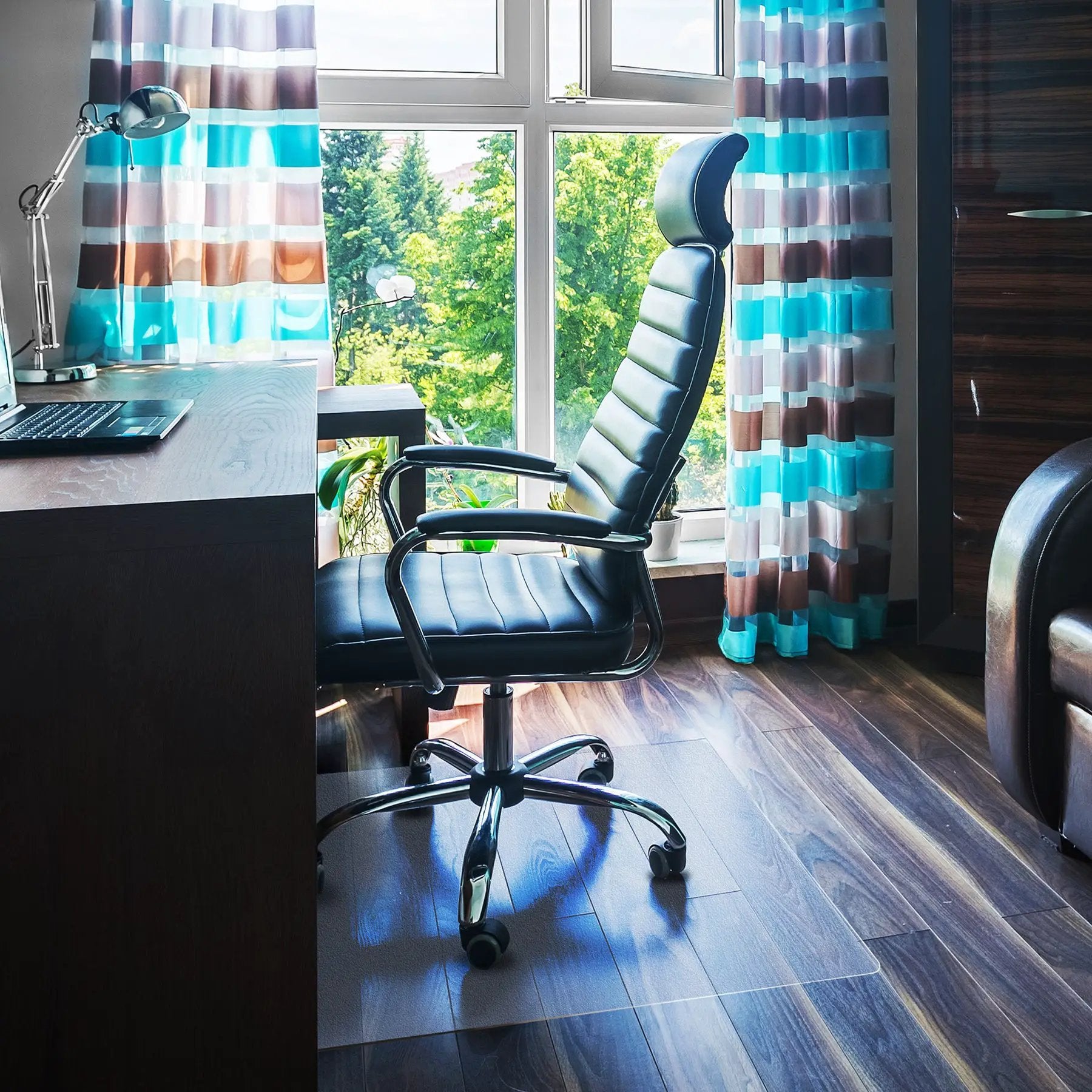
Carpet mats and hard floor mats are not interchangeable
This is the single most important thing to get right, and it's the mistake we see most often.
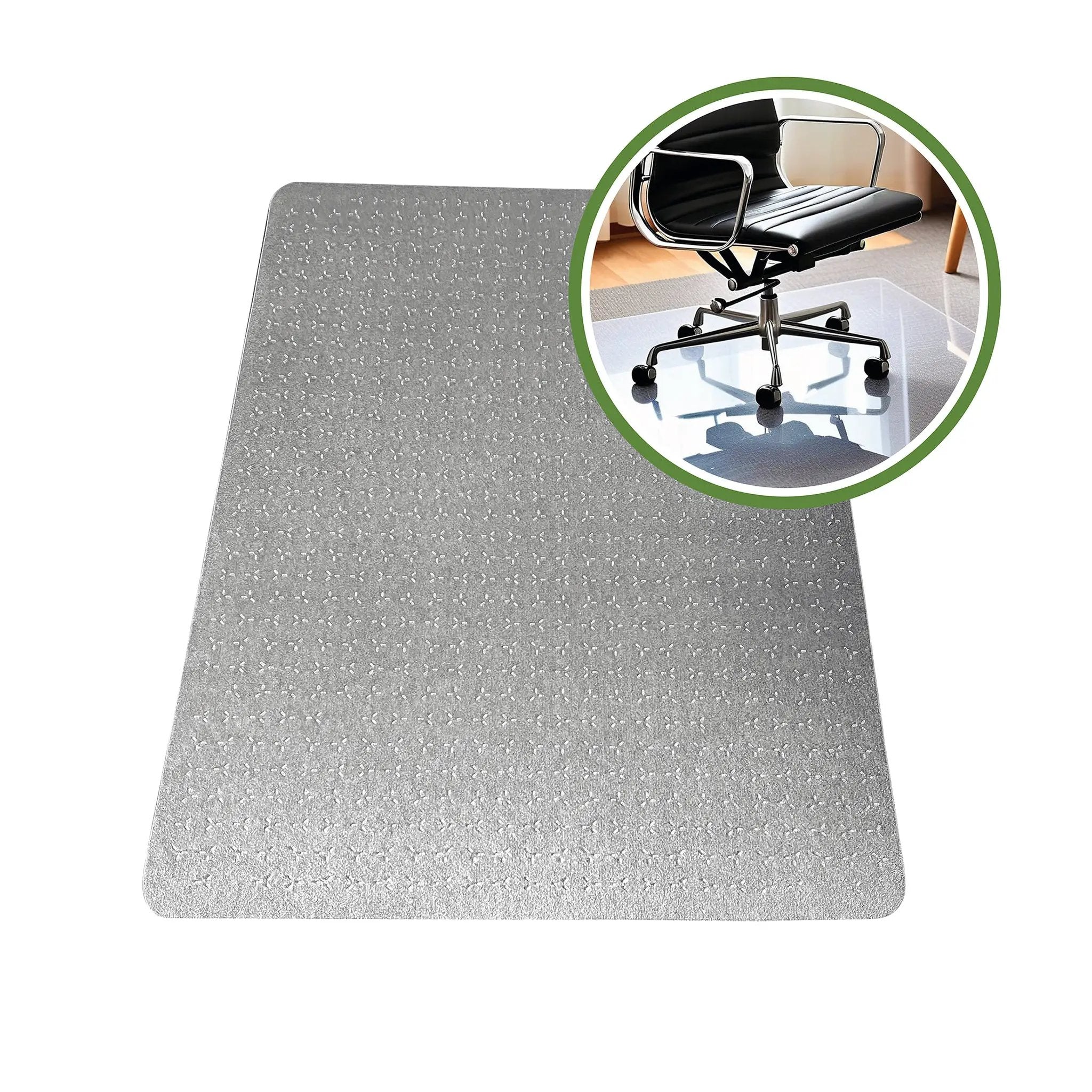
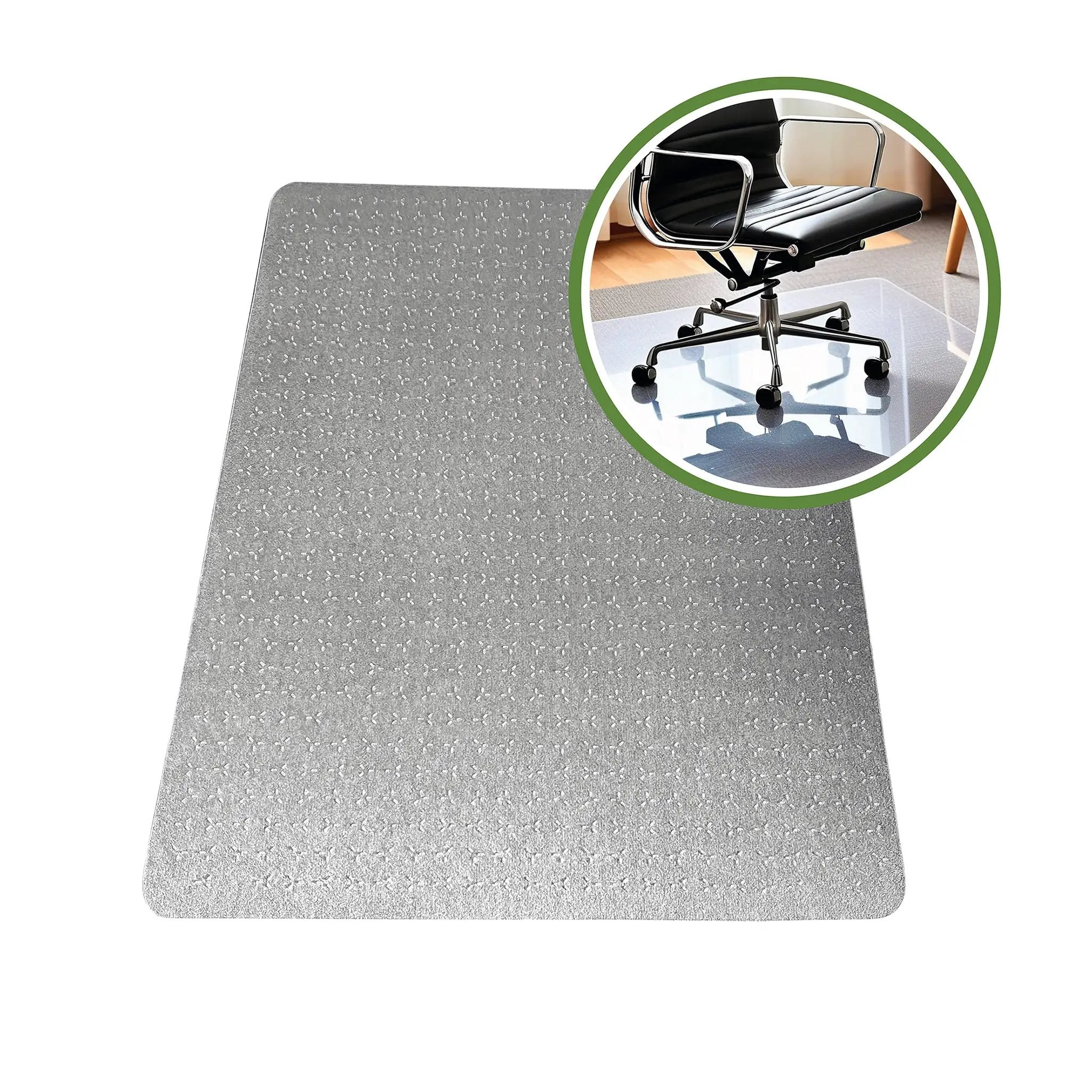
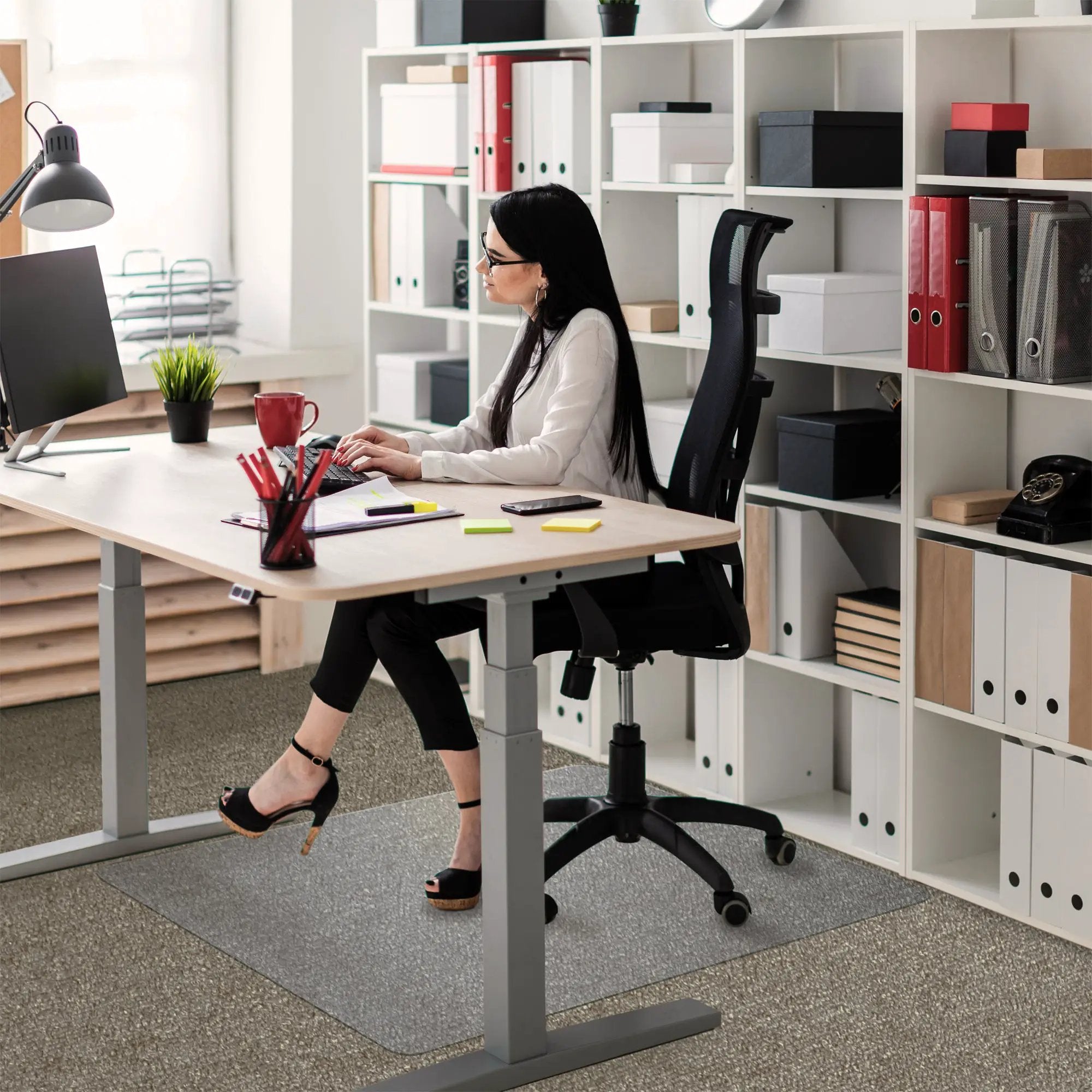
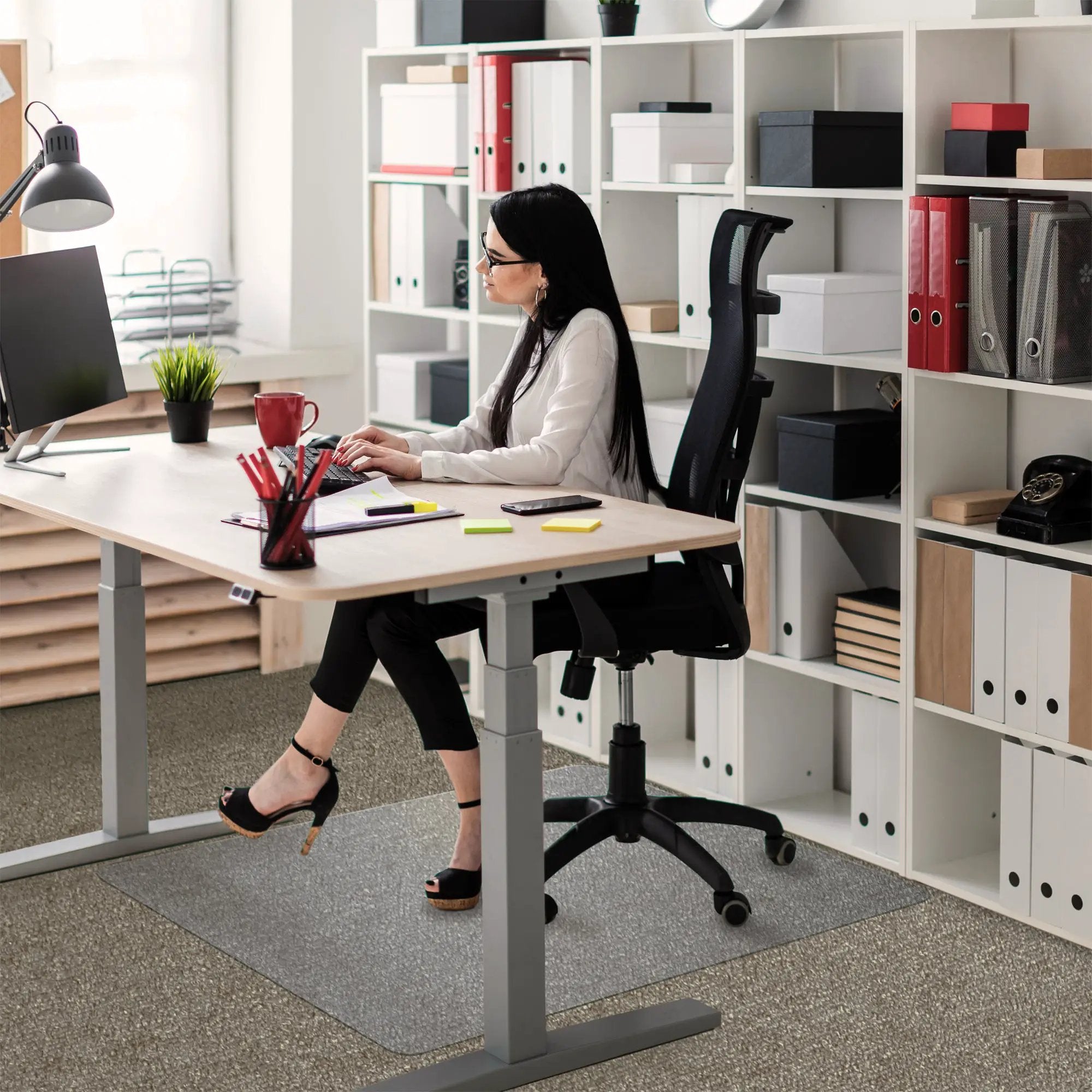
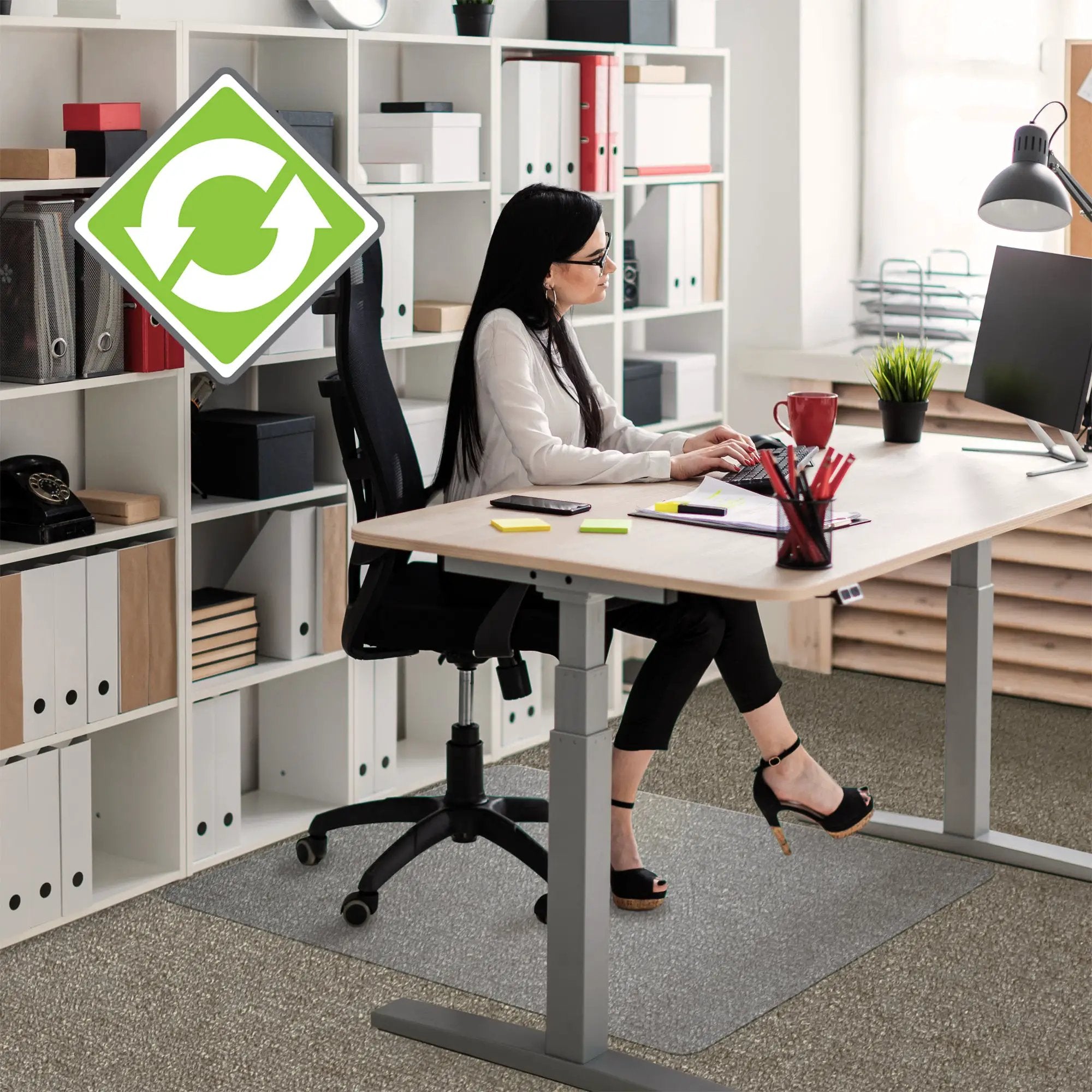
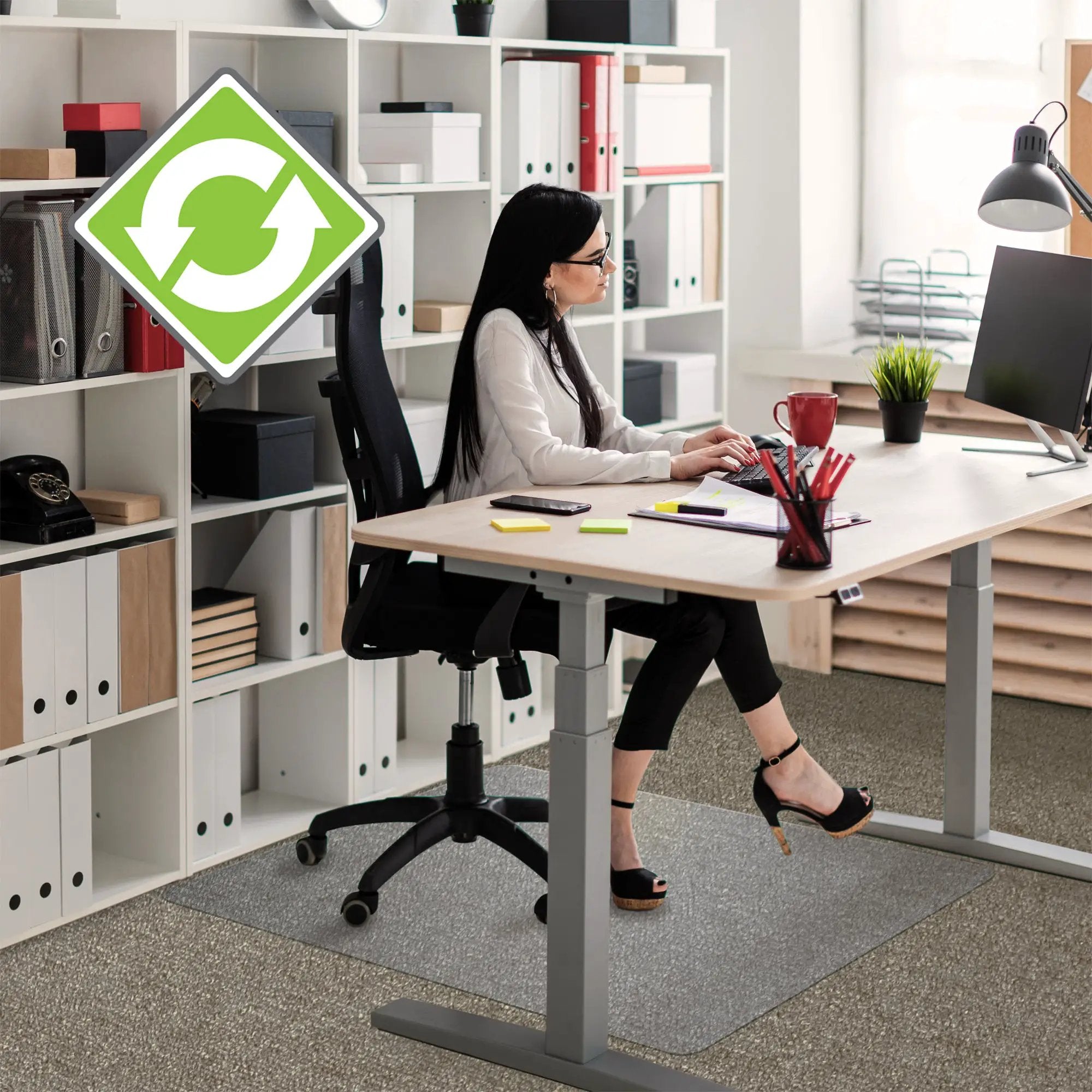
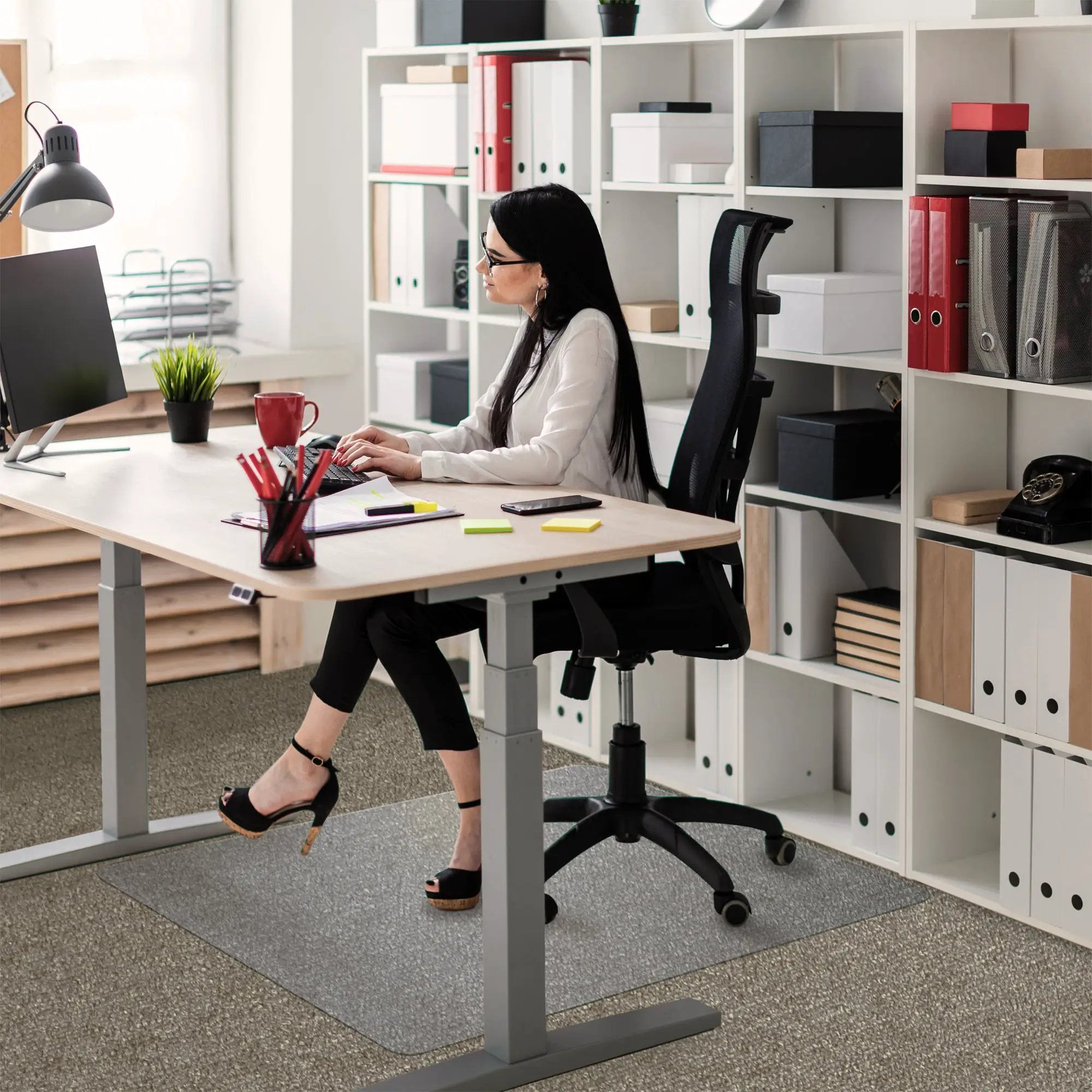
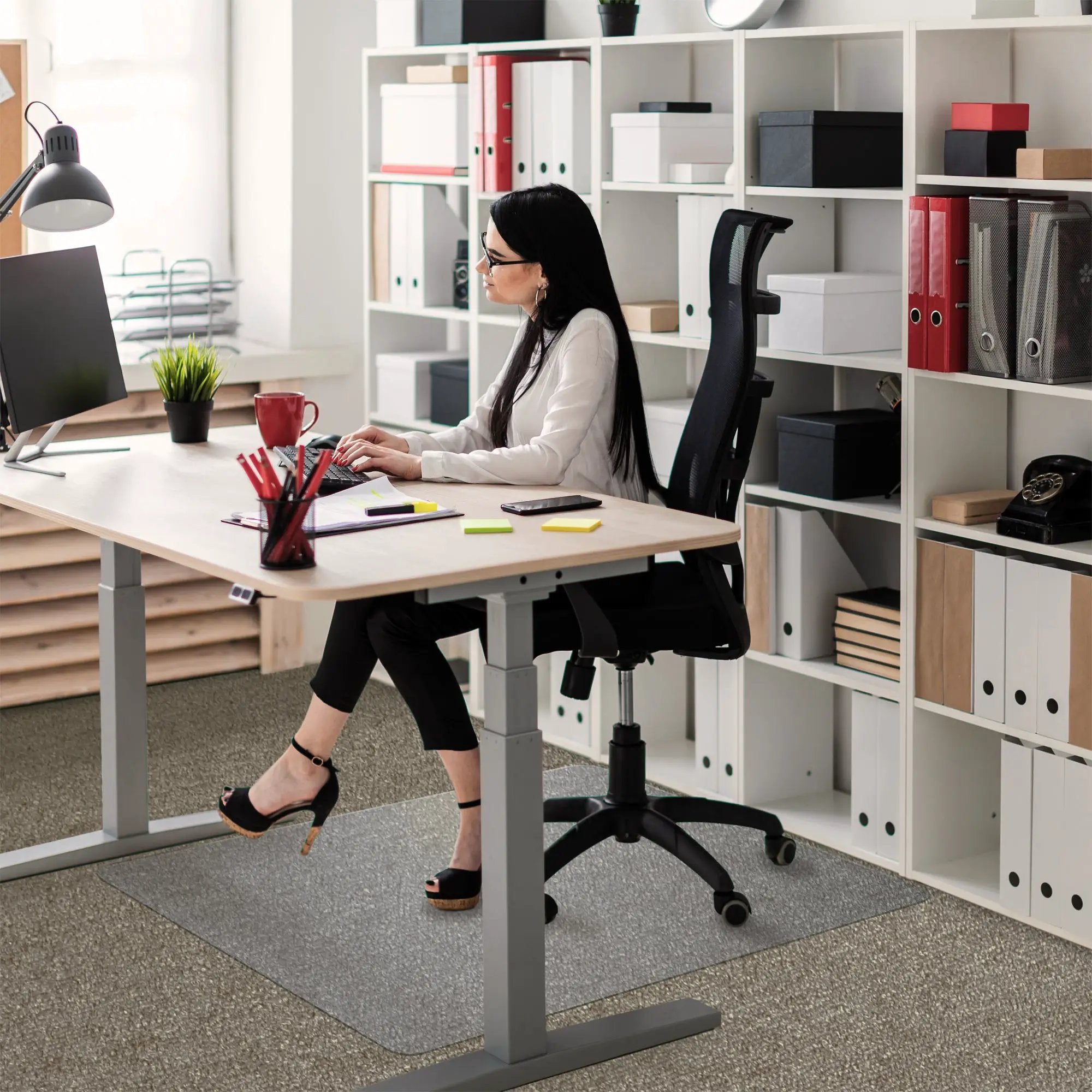
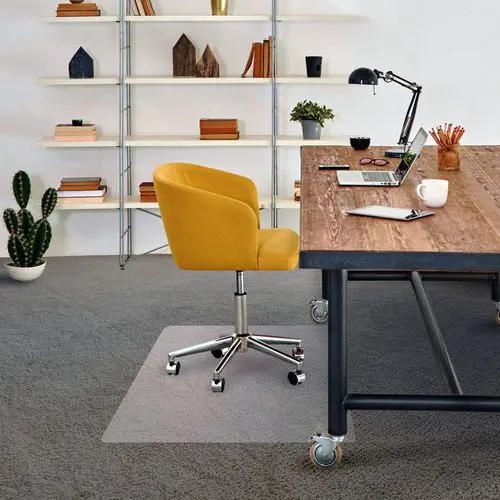
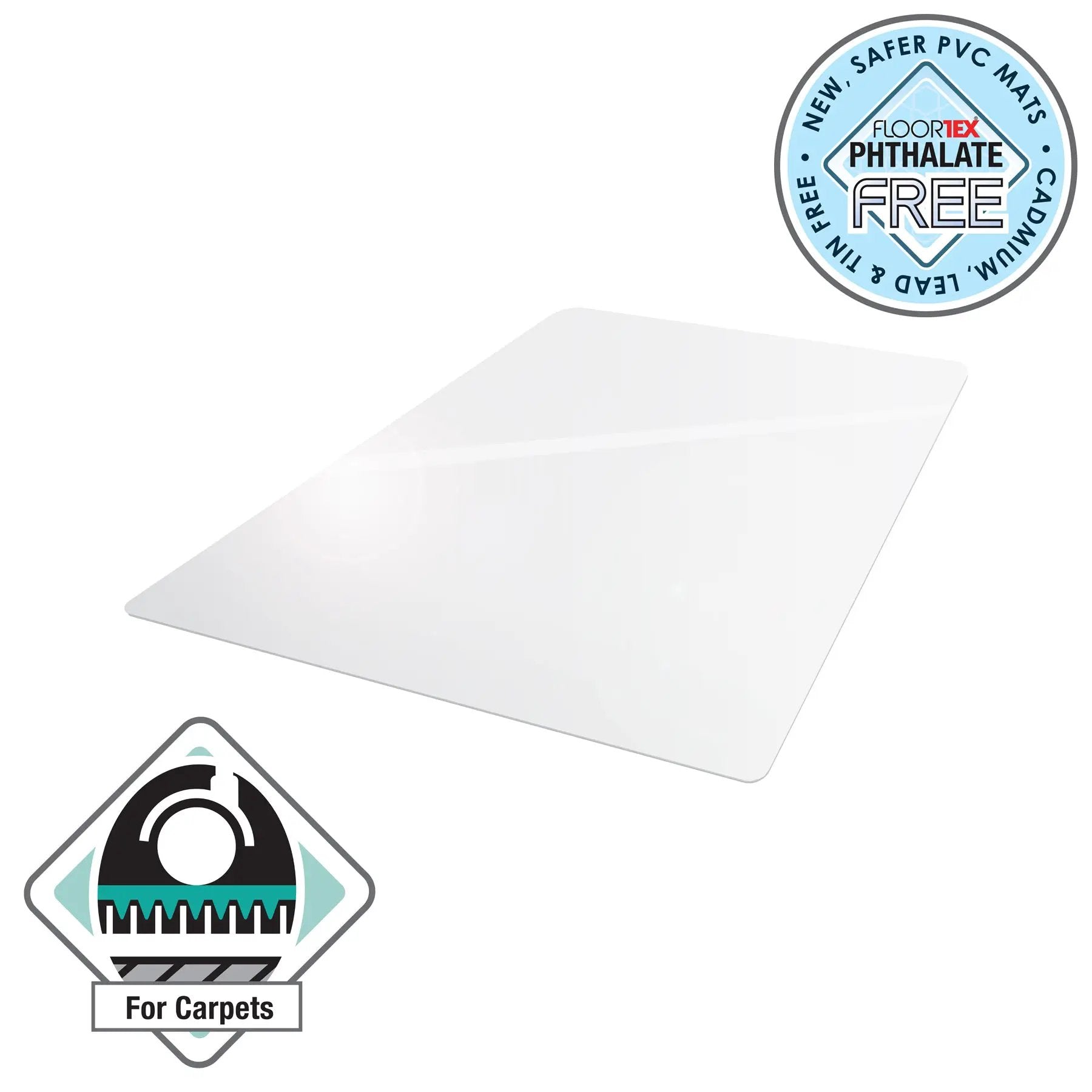
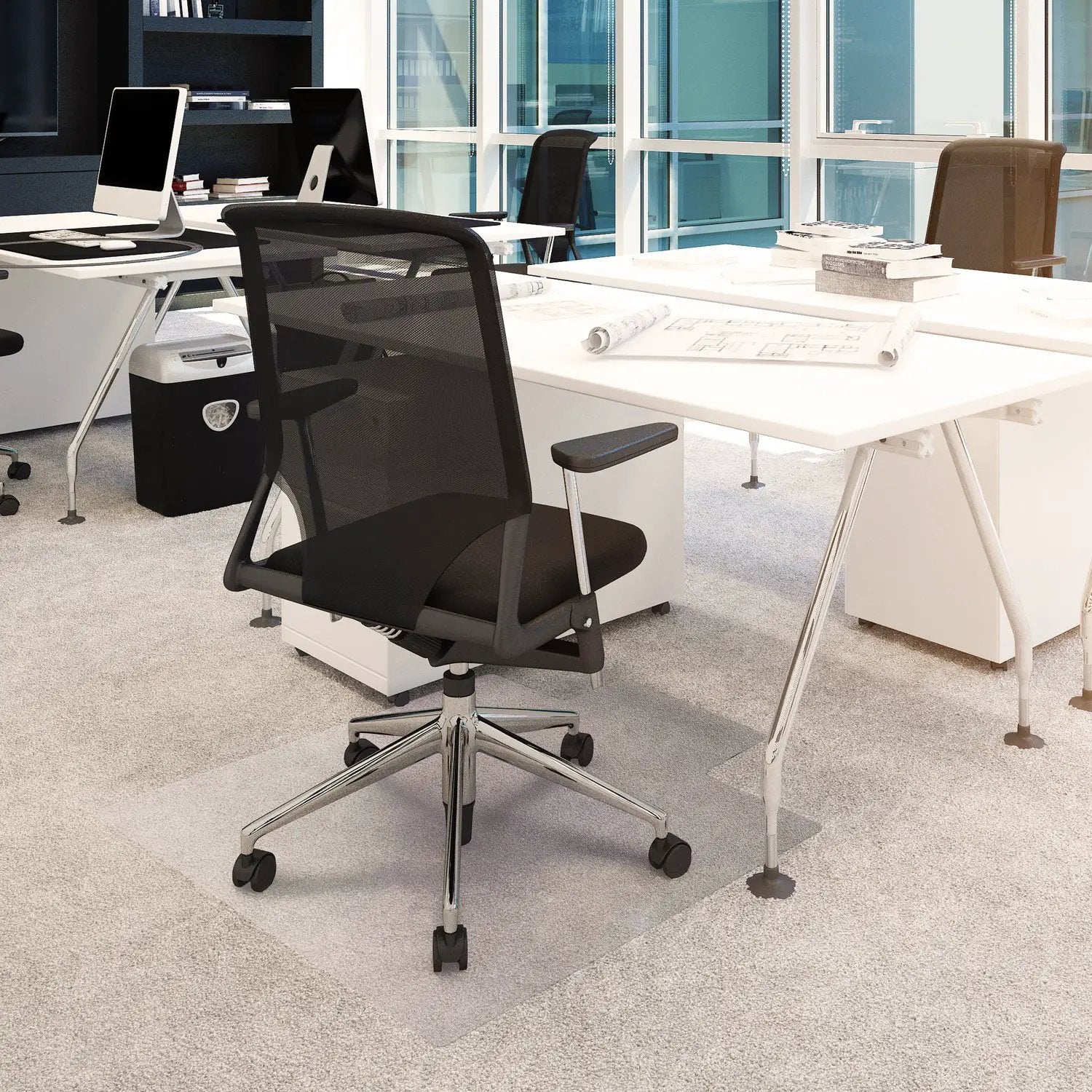
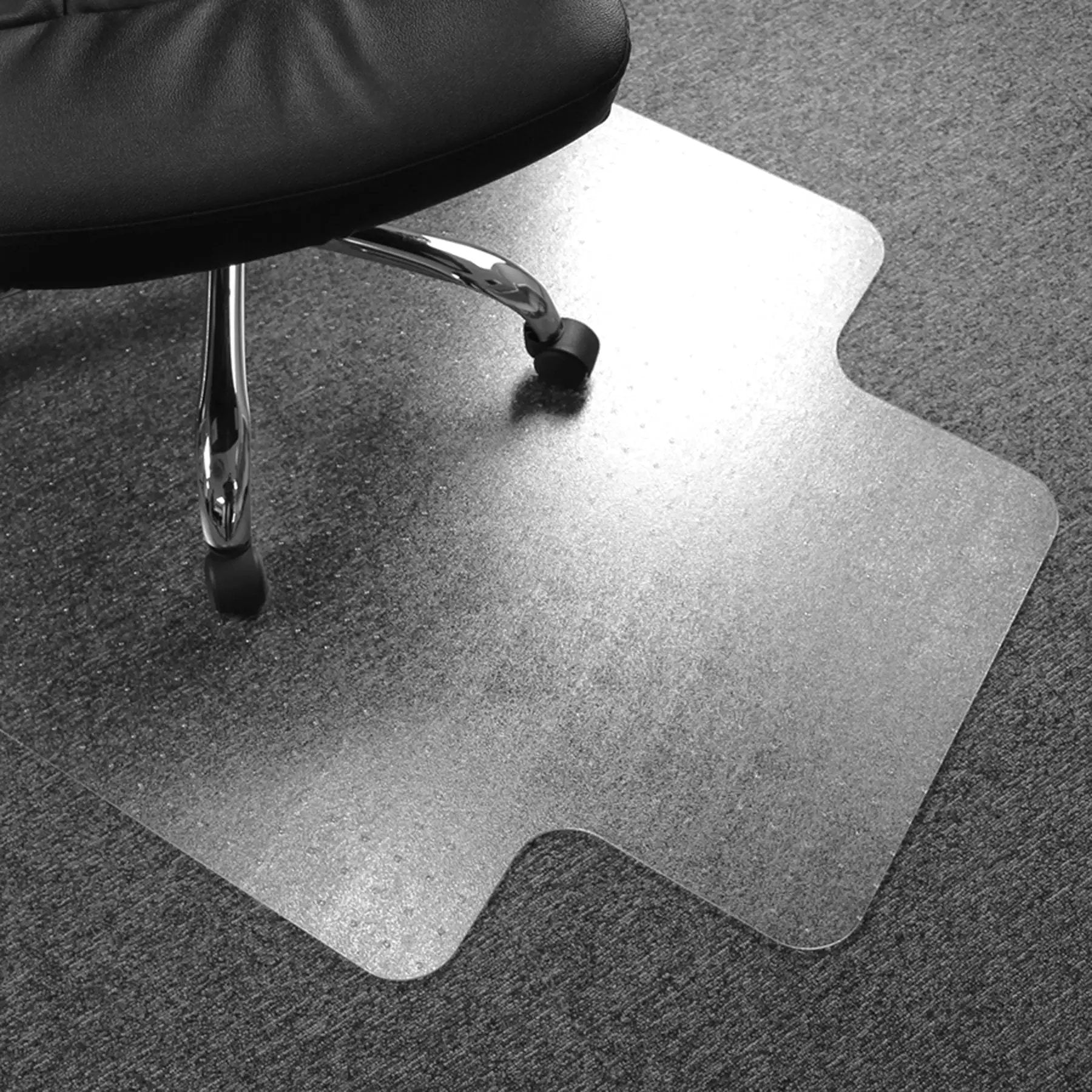
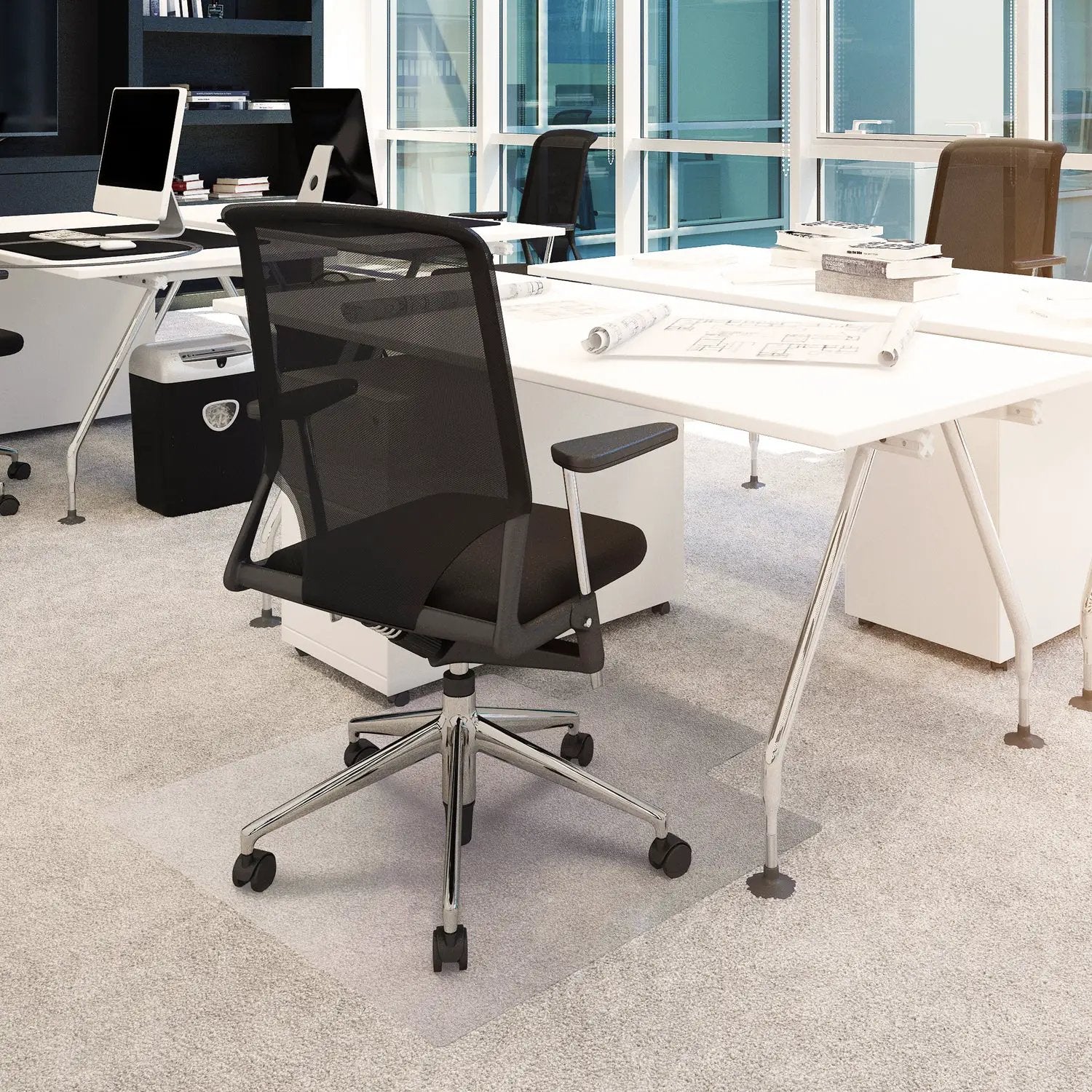
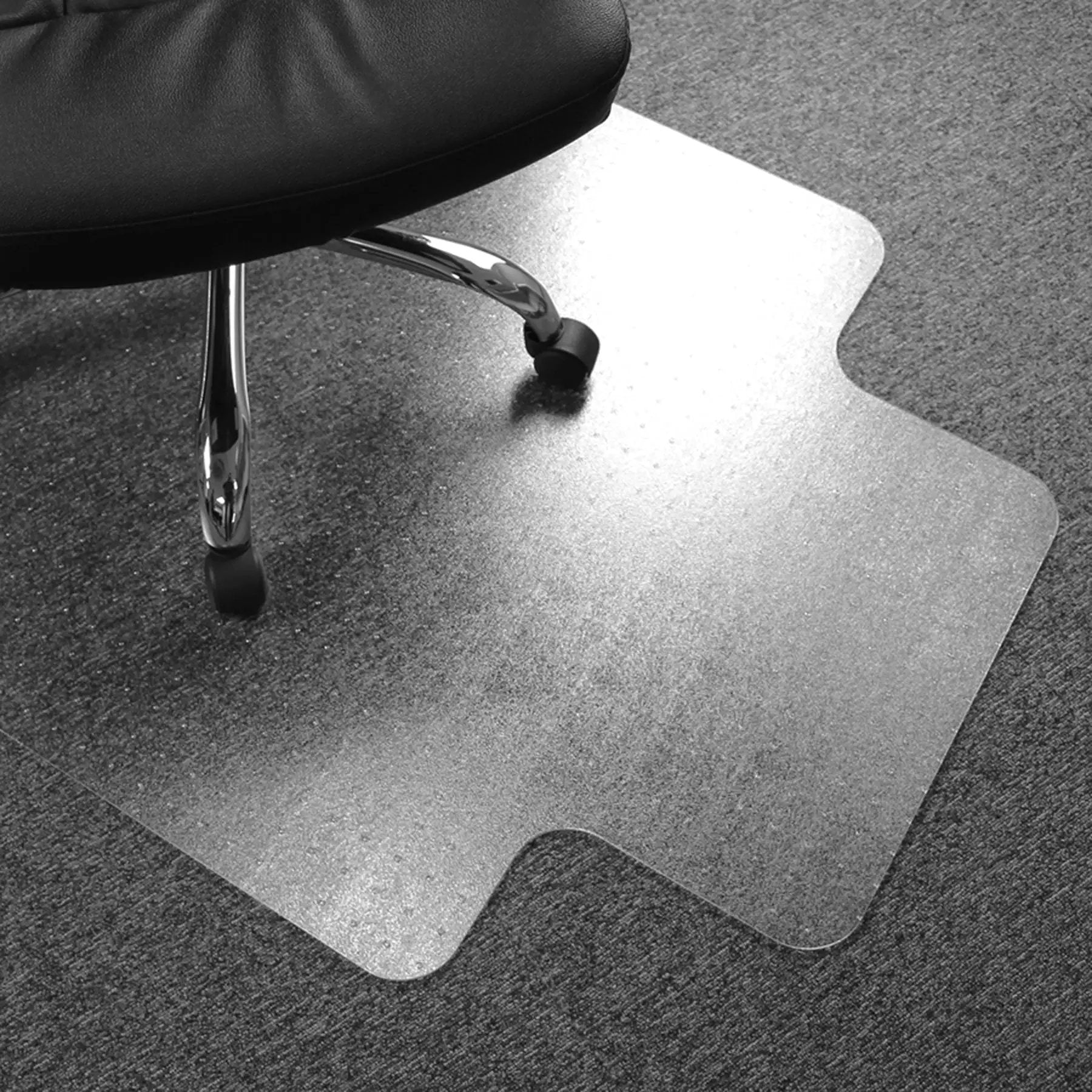
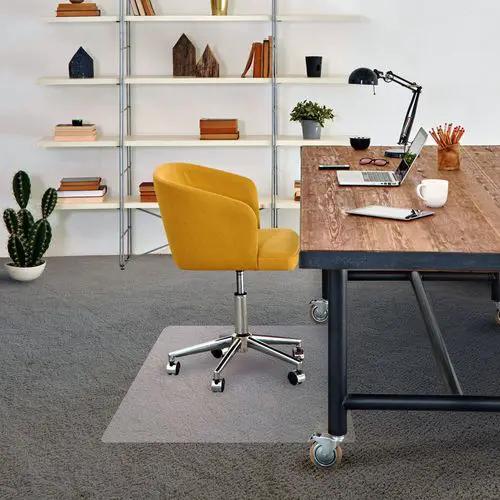
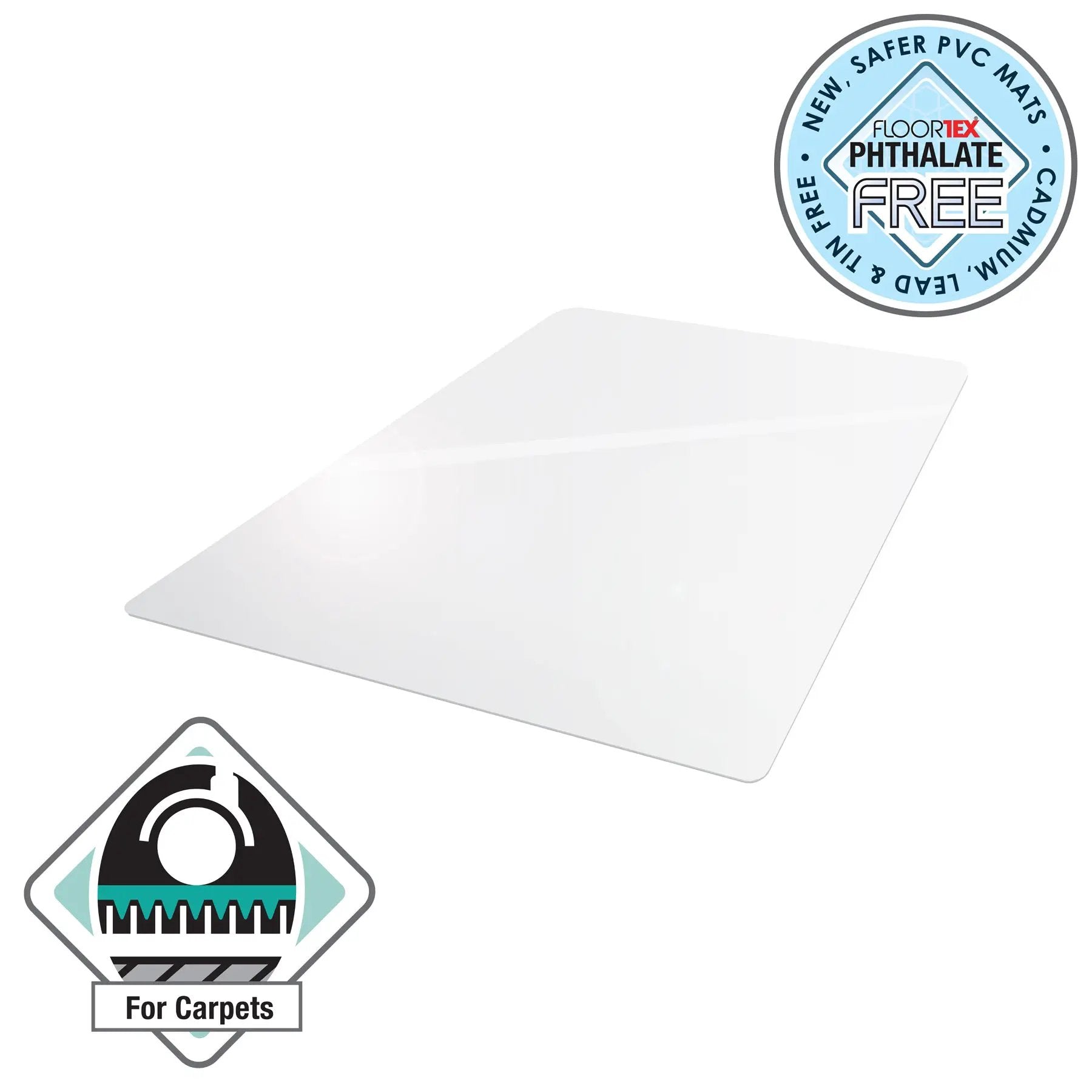
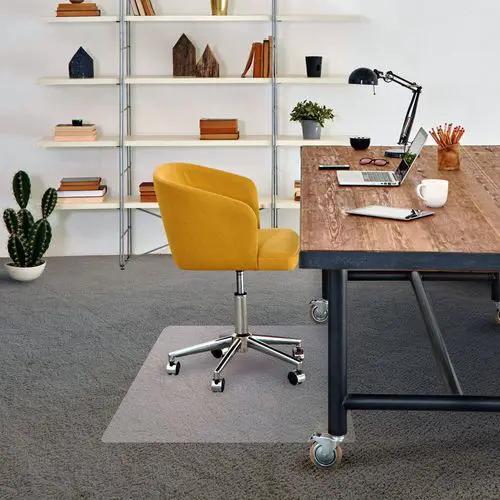
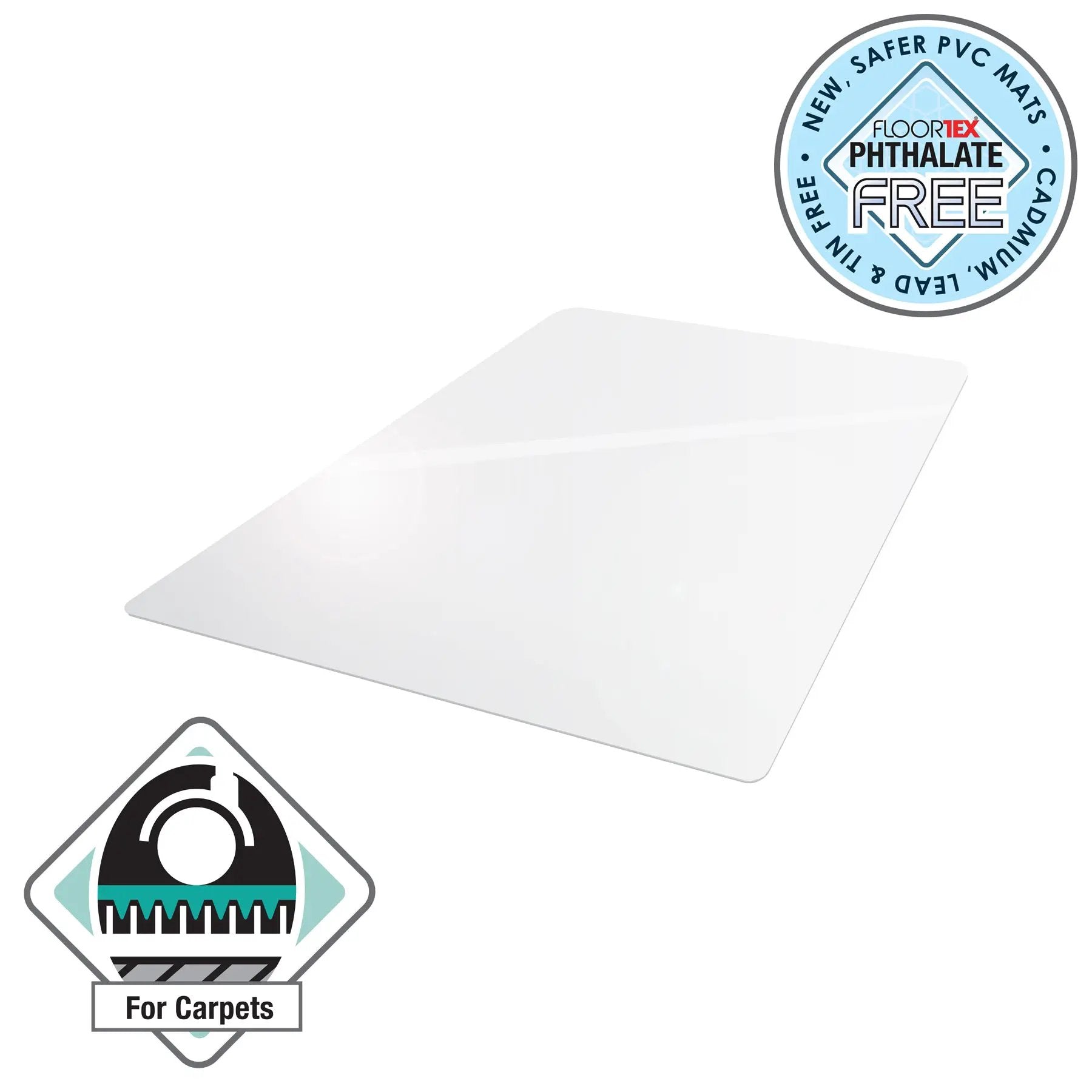
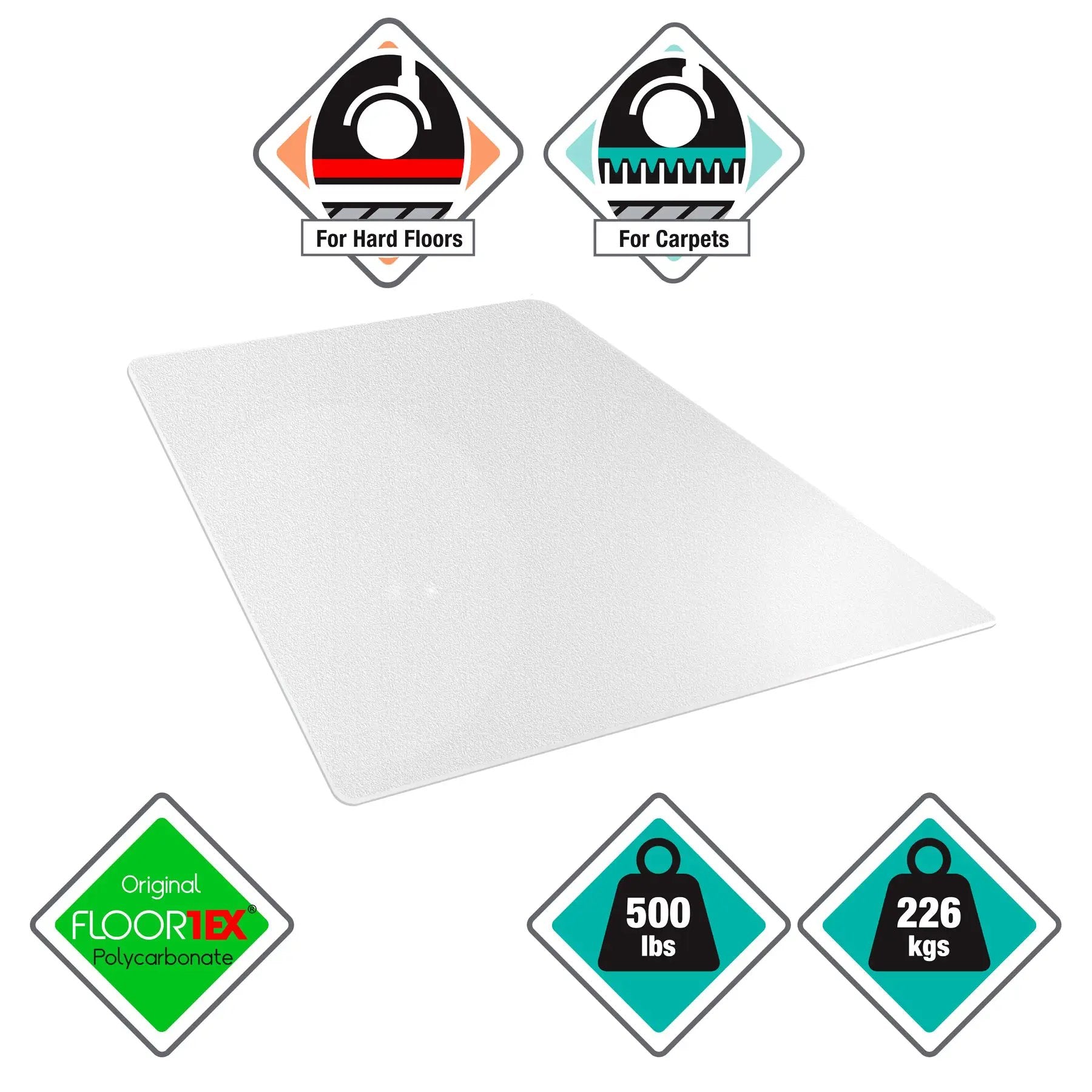
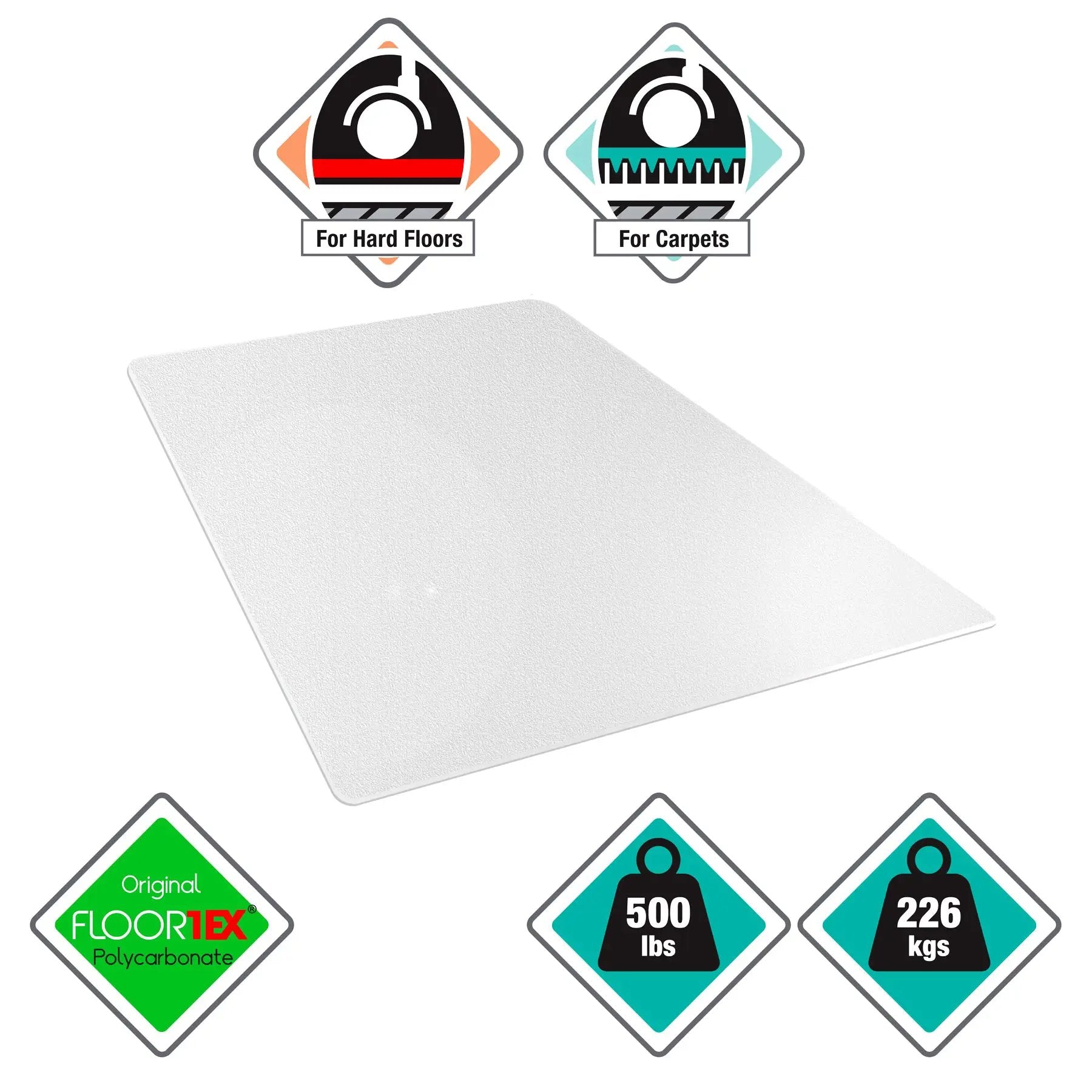
A chair mat made for carpet has small spikes or studs on the underside. Those grip down into the pile and hold the mat still. Put one of those on a wooden or laminate floor and the studs will mark it, which is exactly the outcome you were trying to avoid.
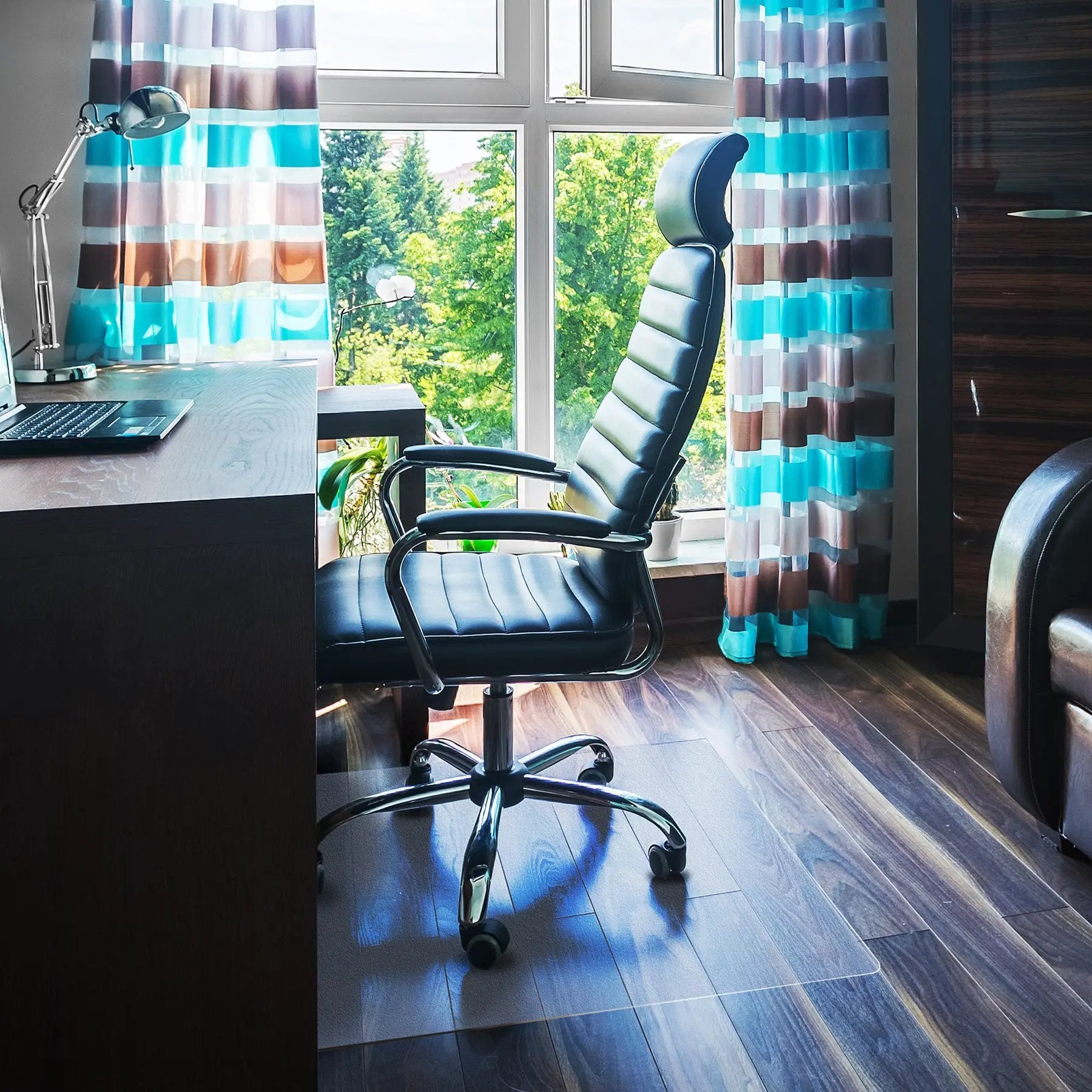
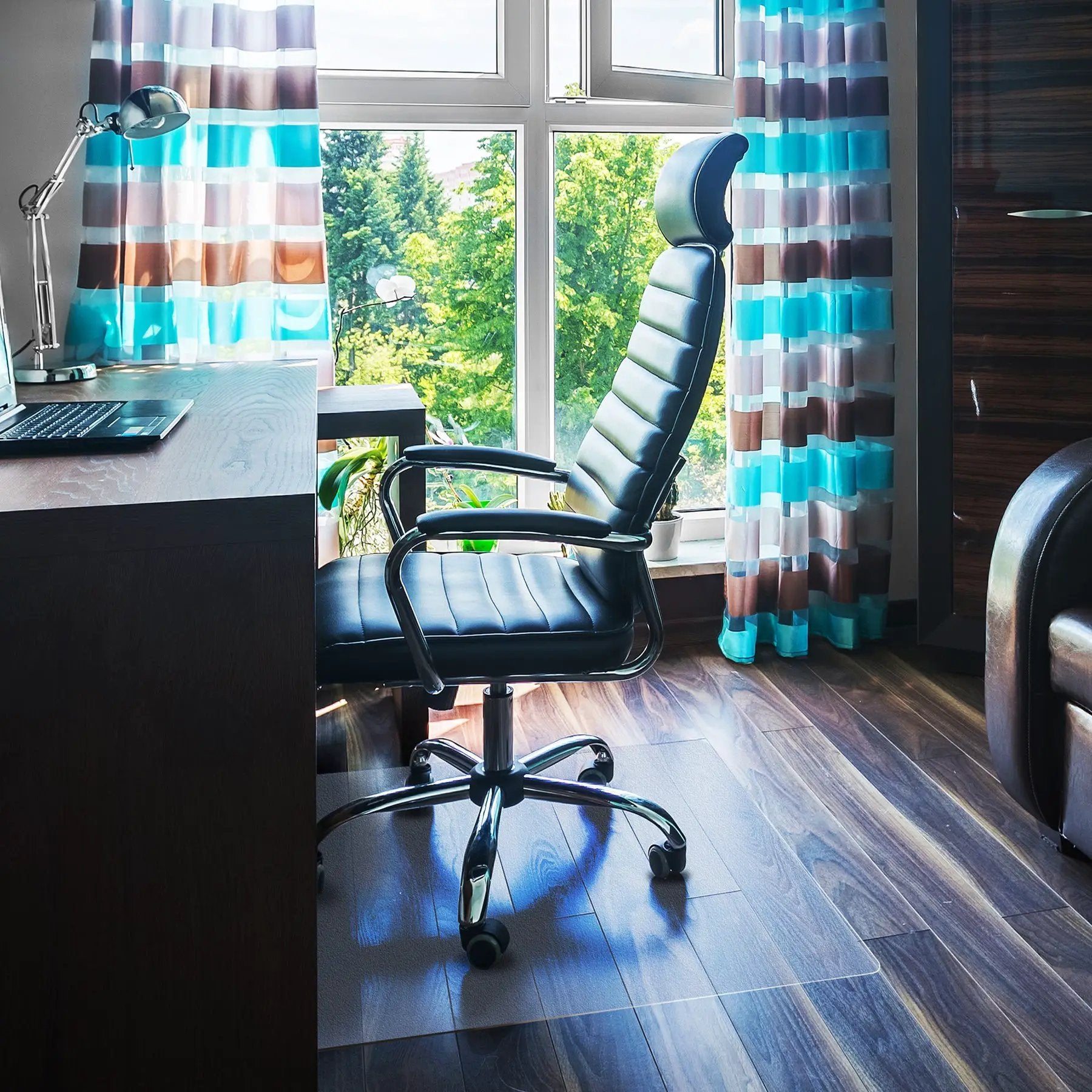
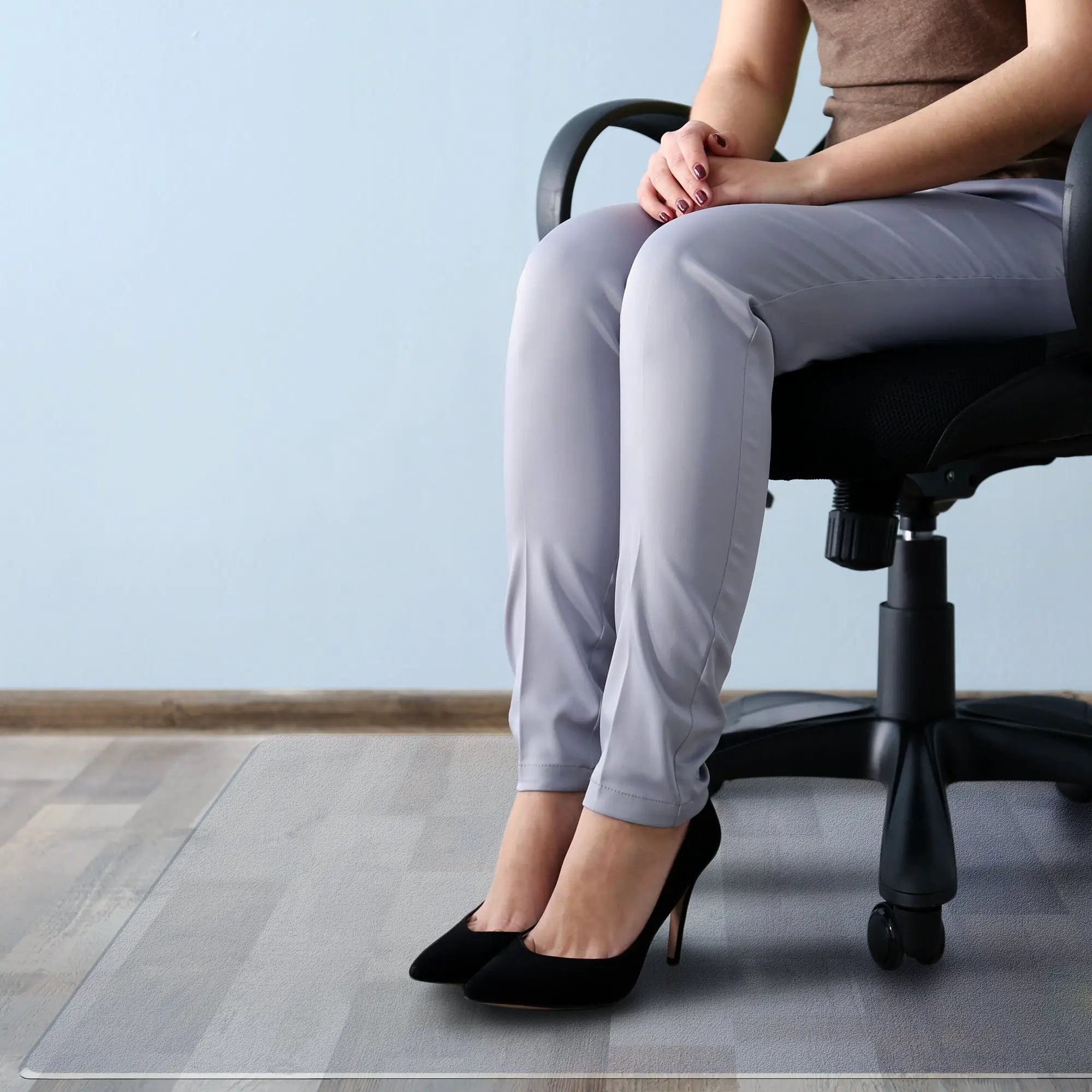
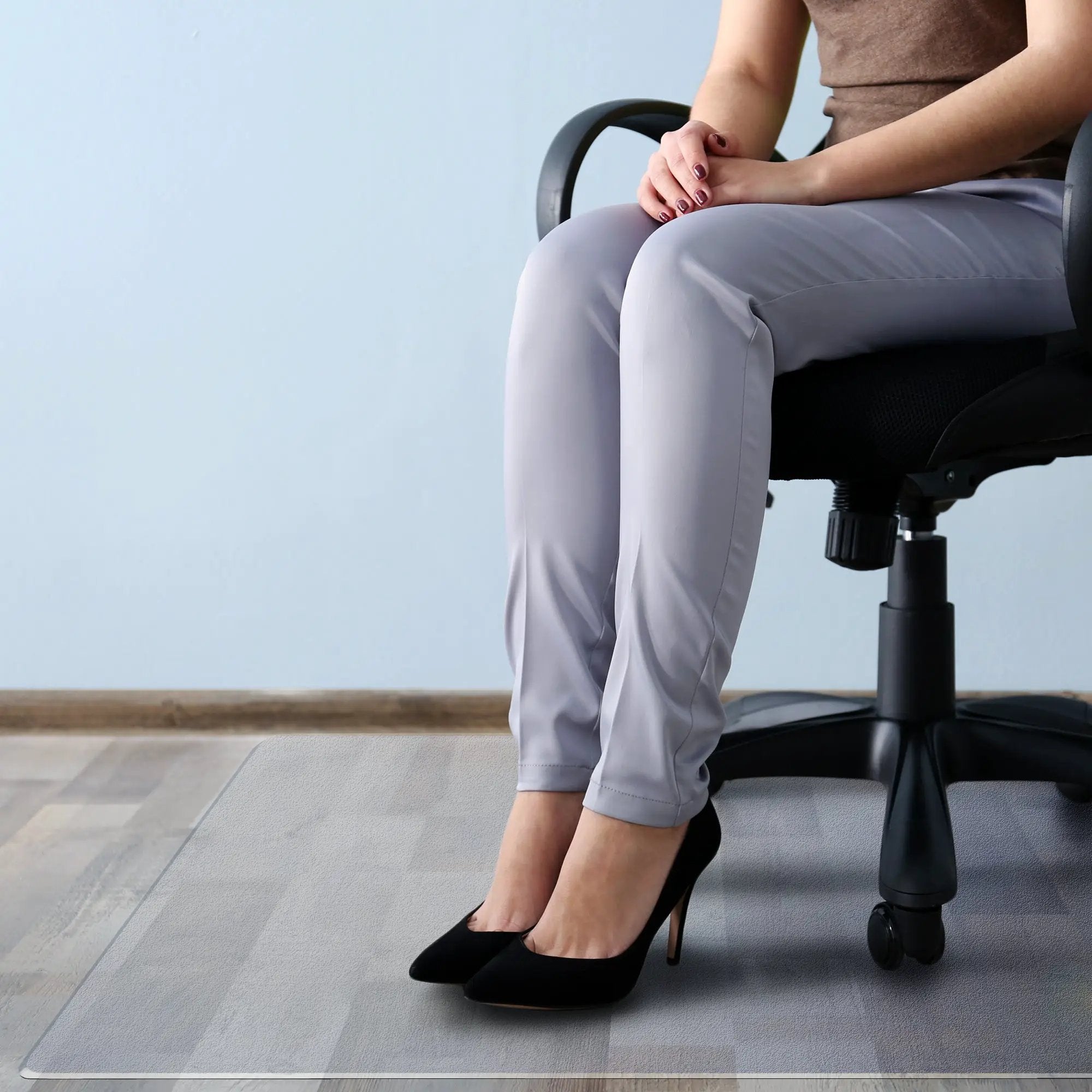
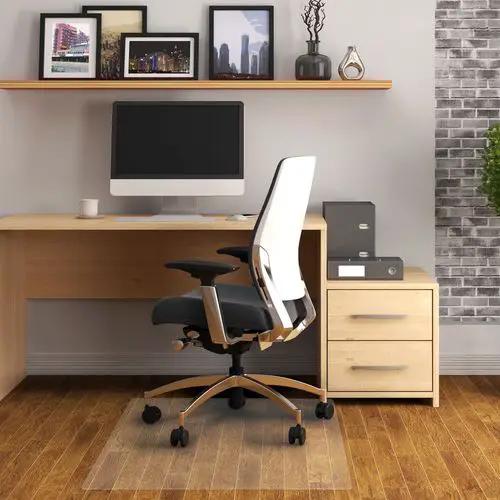
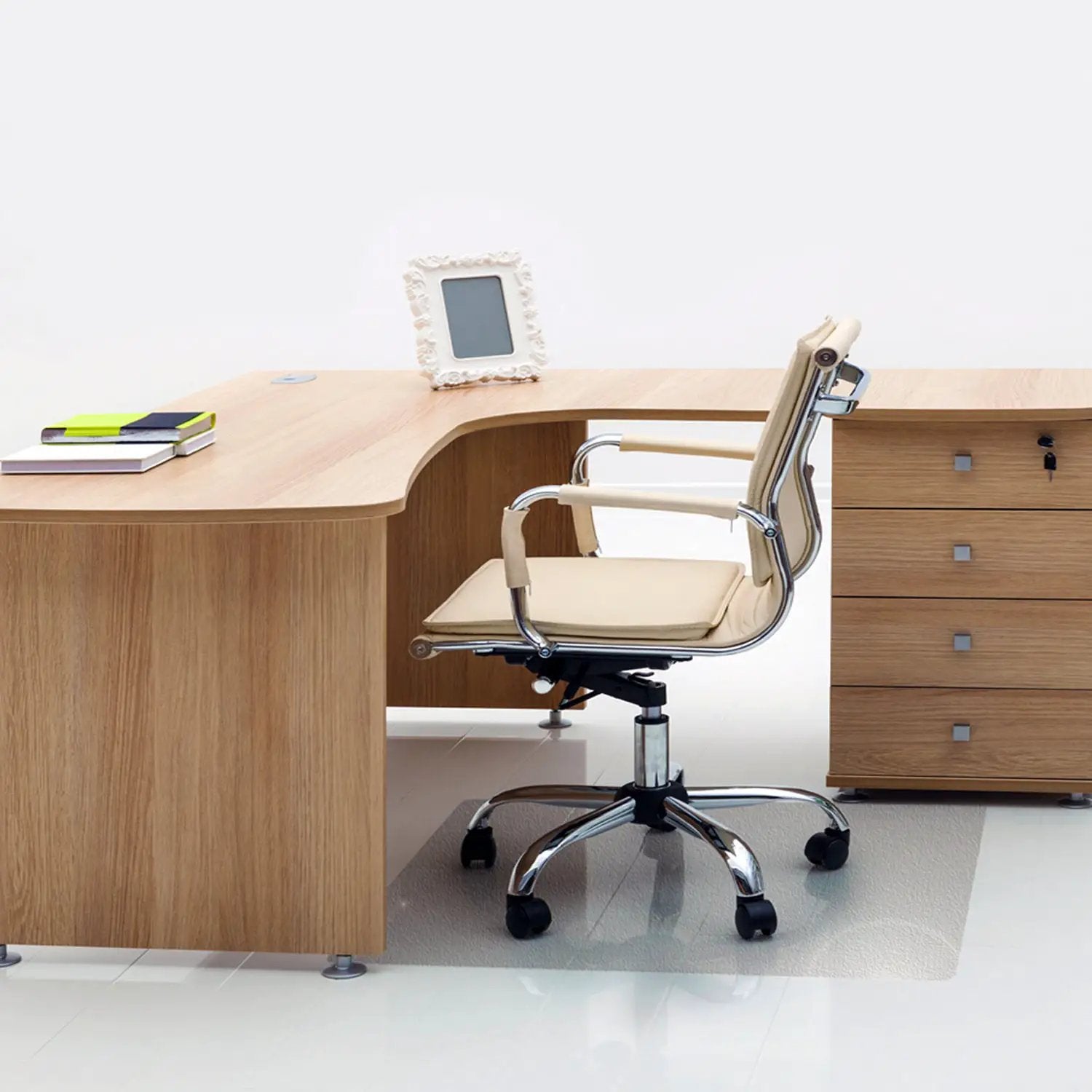
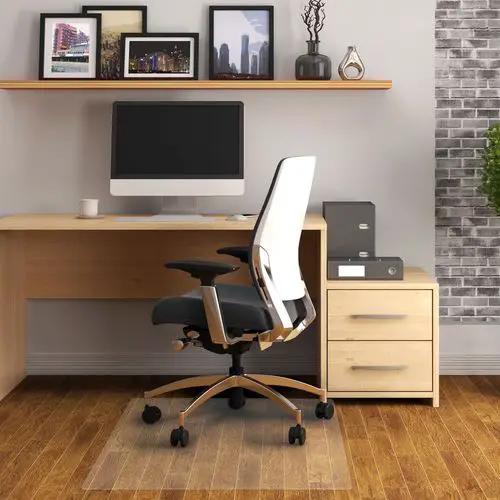
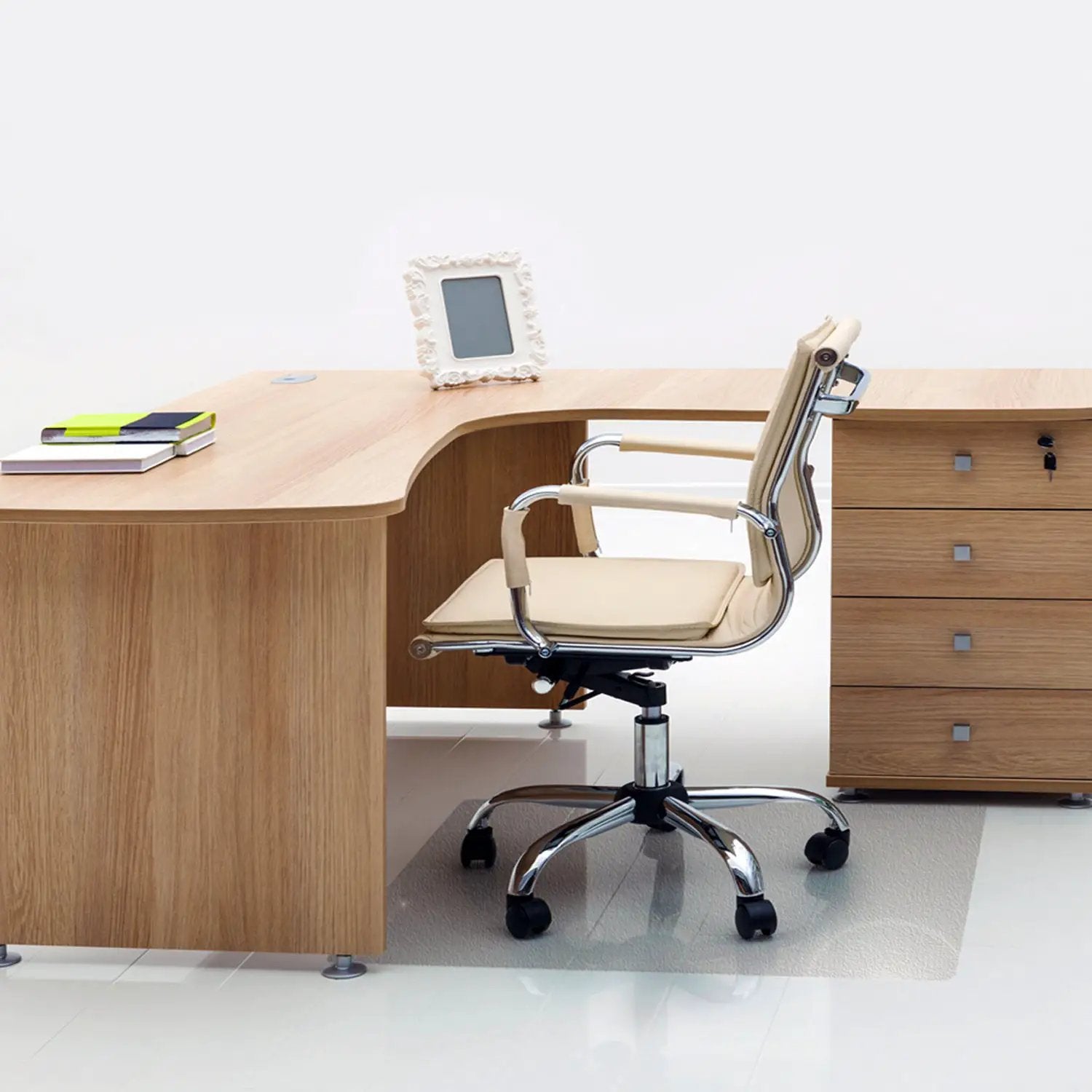
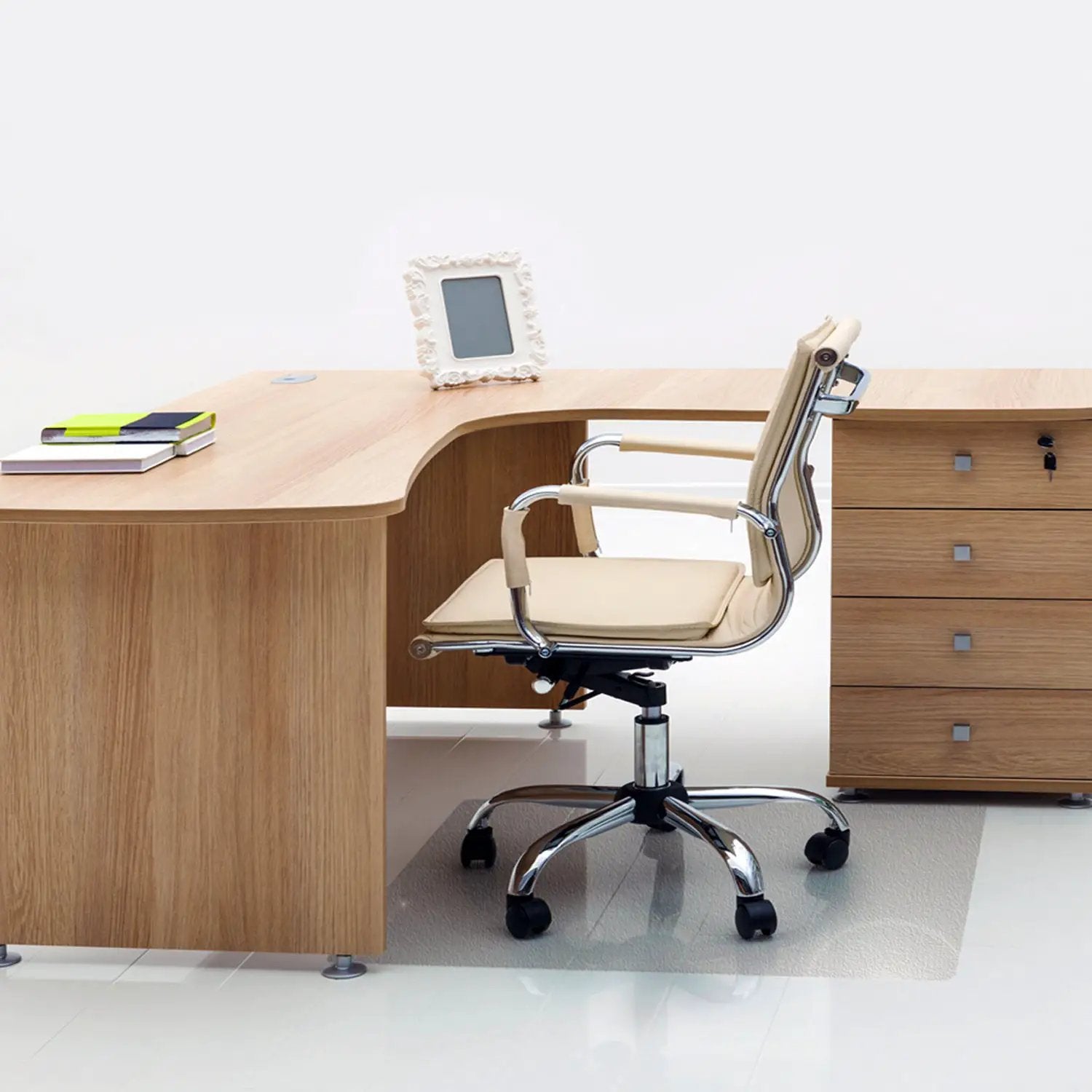
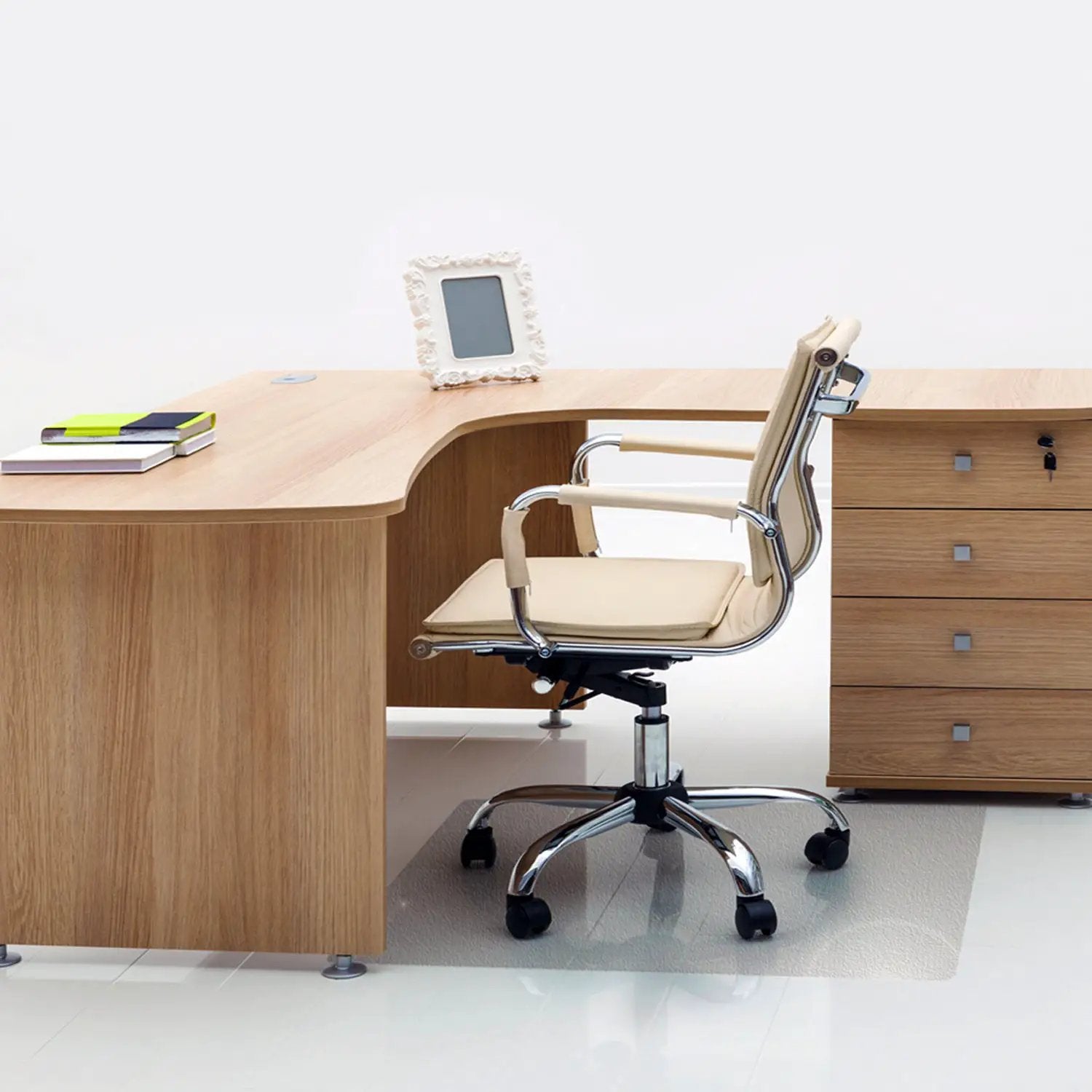
A hard floor mat has a smooth or lightly textured underside, often with a grip coating instead of studs. It sits flat and stays put through friction. Use one of those on a thick carpet and it'll slide around under you all day.
Check which floor you have before ordering. If you've got a low pile carpet or a carpet tile, look for a mat rated for low pile specifically.
Working out the size
Measure the area your chair actually travels across, not just the footprint of the desk. Most people roll back further than they think, particularly if they get up frequently.
For a standard desk and a single monitor, something around 90 x 120cm covers most of it. A wider desk, a corner setup or a chair you move about in wants 120 x 150cm or larger. If your desk sits against a wall, a lipped mat is worth considering. That's the shape with a rectangular tongue that extends under the desk, giving you protection where your feet rest without wasting mat behind you.
Standing desks and anti-fatigue mats
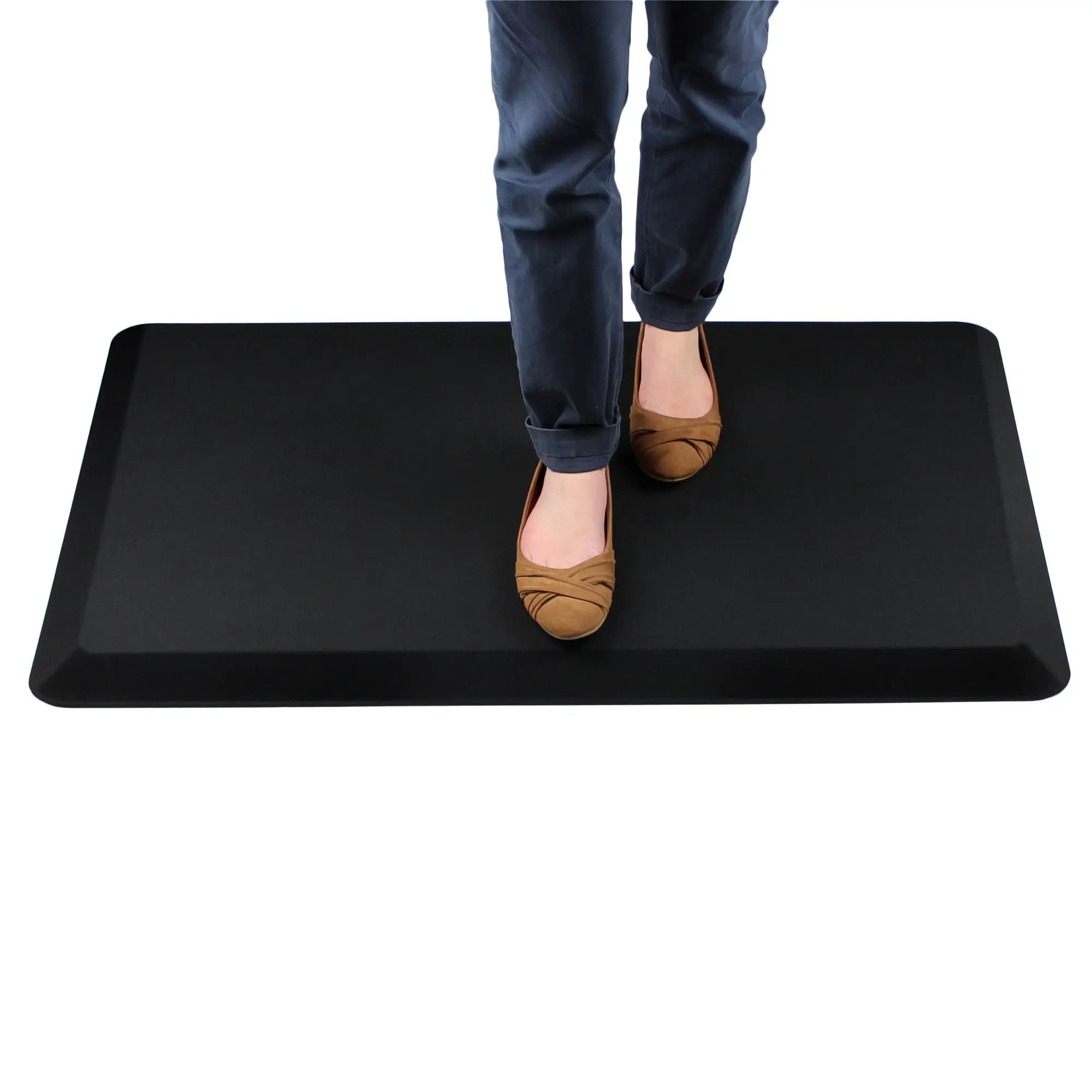
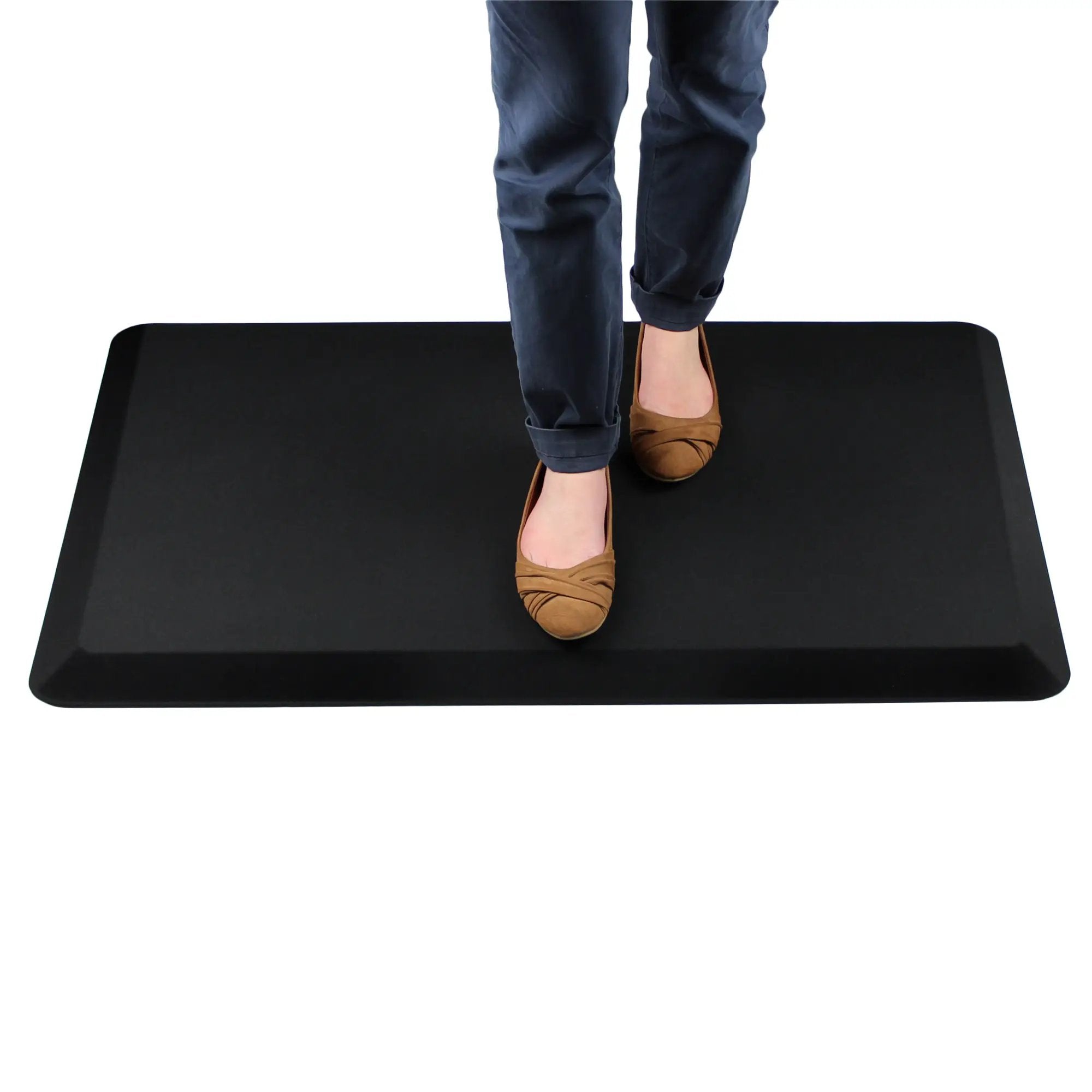
If you've moved to a sit stand desk, a hard floor underfoot becomes noticeable within an hour or two. Anti-fatigue mats use a cushioned core that encourages small shifts in weight and posture rather than locking you in one position. Some include raised areas or a textured surface to move about on.
They're a genuine improvement for anyone standing more than an hour at a stretch. If you only stand occasionally, you probably don't need one.
Anti-slip mats and smaller protectors
Not everything needs a full chair mat. A smaller anti-slip mat under a desk leg, a printer stand or a filing cabinet stops the item creeping across a polished floor and takes the pressure off a single point. These are inexpensive and worth adding when you're already ordering something larger.
What separates a good mat from a poor one
Thickness and material do most of the work. A mat that's too thin will crack under castor pressure within months, usually where the chair sits most. Polycarbonate holds up better than basic PVC and stays clear rather than yellowing. Bevelled edges matter too, as a squared off edge becomes a trip hazard and catches on the vacuum.
Give it a day to settle
Mats are shipped rolled or folded, so expect a slight curl at first. Lay yours flat in a warm room for 24 to 48 hours before putting the chair on it. Don't try to force it flat with heavy objects, as that can crease the material permanently.