If you've fed garden birds for years, the advice changed this summer. In July 2026 the RSPB updated its guidance to help slow a disease called trichomonosis, which spreads between birds at feeders and has hit finches hard. Greenfinch numbers have fallen by 65% over three decades.
The good news is that winter is still a good time to feed. You just need the right kind of feeder, kept clean and moved around. This guide covers what changed, which feeders to choose and how to look after them. You'll find the hanging feeders and feeding station we mention in our bird feeders range.
What changed, at a glance
|
|
1 November to 30 April |
1 May to 31 October |
|---|---|---|
|
Seeds and peanuts |
Yes |
Pause |
|
Fat balls, suet, mealworms |
Yes |
Small amounts |
|
Feeder type |
Hanging feeders |
Hanging feeders |
|
Bird tables, window feeders, trays |
Not advised |
Not advised |
H2: Why does the RSPB now advise against bird tables?
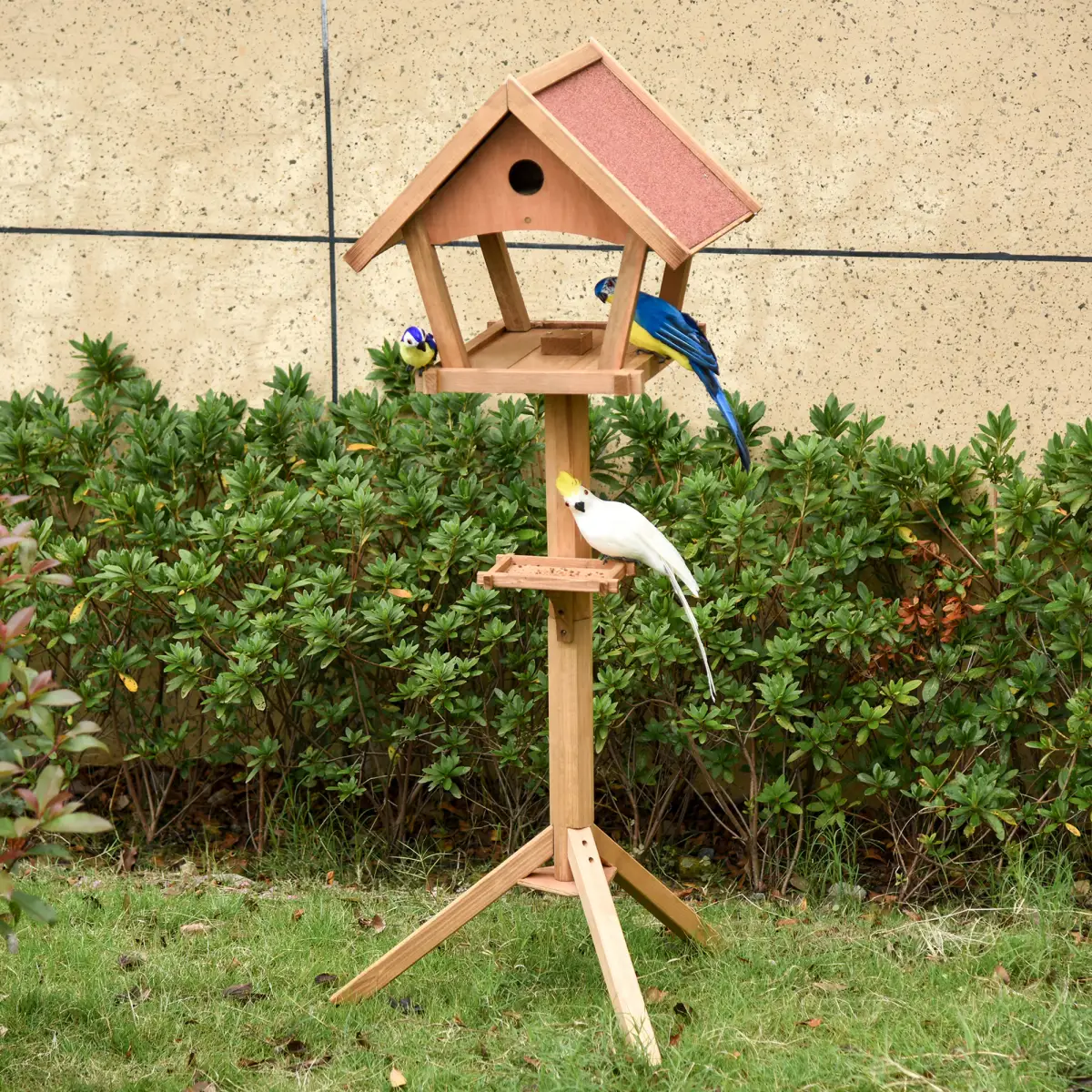
Birds with trichomonosis struggle to swallow. They tend to perch on flat surfaces and bring food back up, and healthy birds then eat it. The RSPB's latest guidance found that bird tables and other flat feeders carry the highest risk of passing the disease on, and that even daily cleaning can't remove that risk.
So the advice is clear: don't feed from bird tables, window feeders or feeders with trays. Use hanging feeders instead.
Which type of hanging bird feeder should I choose?
Match the feeder to the food:
- Seed feeders are tubes with small ports and perches. They suit sunflower hearts and seed mixes, and keep the food off any flat surface.
- Mesh feeders hold peanuts so birds peck small pieces rather than taking whole nuts.
- Fat ball and suet feeders are open cages. Take any plastic netting off fat balls before you hang them.
- Caged feeders have an outer metal guard so small birds can get in but squirrels and bigger birds can't. Our Avilo squirrel-proof feeders come as a set of two, 26cm tall, in green metal.
Whichever you choose, look for a lid that keeps the rain out. The RSPB says damp food helps disease survive.
Is a feeding station a good standing bird feeder?
Yes, if you want something freestanding. A feeding station is a tall pole with hooks, so you hang feeders from it rather than putting food on a flat table. Our PawHut wild bird feeding station has six hooks, comes with four hanging feeders and stands on a ground spike.
Two things to bear in mind. First, the RSPB suggests spreading feeders around the garden so fewer birds crowd into one spot, so don't fill every hook if you have room for a second feeder elsewhere. Second, it asks you to move feeders to a new spot each week. A ground spike makes that easy: pull it up and push it in somewhere else.
Where should I put a bird feeder?
- Somewhere you can see from the house, so you notice when it needs topping up or cleaning.
- Not under trees where birds roost, as droppings fall onto the feeder and the food.
- Away from fences, sheds and branches that squirrels can jump from.
- In a slightly different spot each week, so old food and droppings don't build up underneath.
How often should I clean a bird feeder?
At least once a week. Wash feeders in hot soapy water, then disinfect with a non-toxic product or a mild bleach solution, rinse well and let them dry before refilling. Clear away any food and droppings from the ground below as well.
If you put out water, change it every day. The RSPB says to only offer water if you can do that, as the parasite can survive in it.
How much food should I put out?
Less than you might think. Put out enough seed and peanuts for the birds to finish within a day or two, and suet within a week. If food is sitting there for longer, cut back. Overfeeding leaves old, damp food in the feeder and can attract rats.
What should I do with my bird table?
The RSPB's advice is to stop feeding from it. If you already have a bird table, move your feeding over to hanging feeders this winter. Our hanging feeders and feeding station are a straight swap.
Winter feeding checklist
|
Do |
Don't |
|---|---|
|
Use hanging seed, peanut and fat ball feeders |
Feed from bird tables, window feeders or trays |
|
Clean feeders weekly with hot soapy water and disinfectant |
Leave old food sitting for days |
|
Move feeders to a new spot every week |
Hang feeders under roosting trees |
|
Choose feeders with lids that keep food dry |
Leave netting on fat balls |
|
Change water daily, or don't offer it |
Put out seeds and peanuts from May to October |