Getting the size right
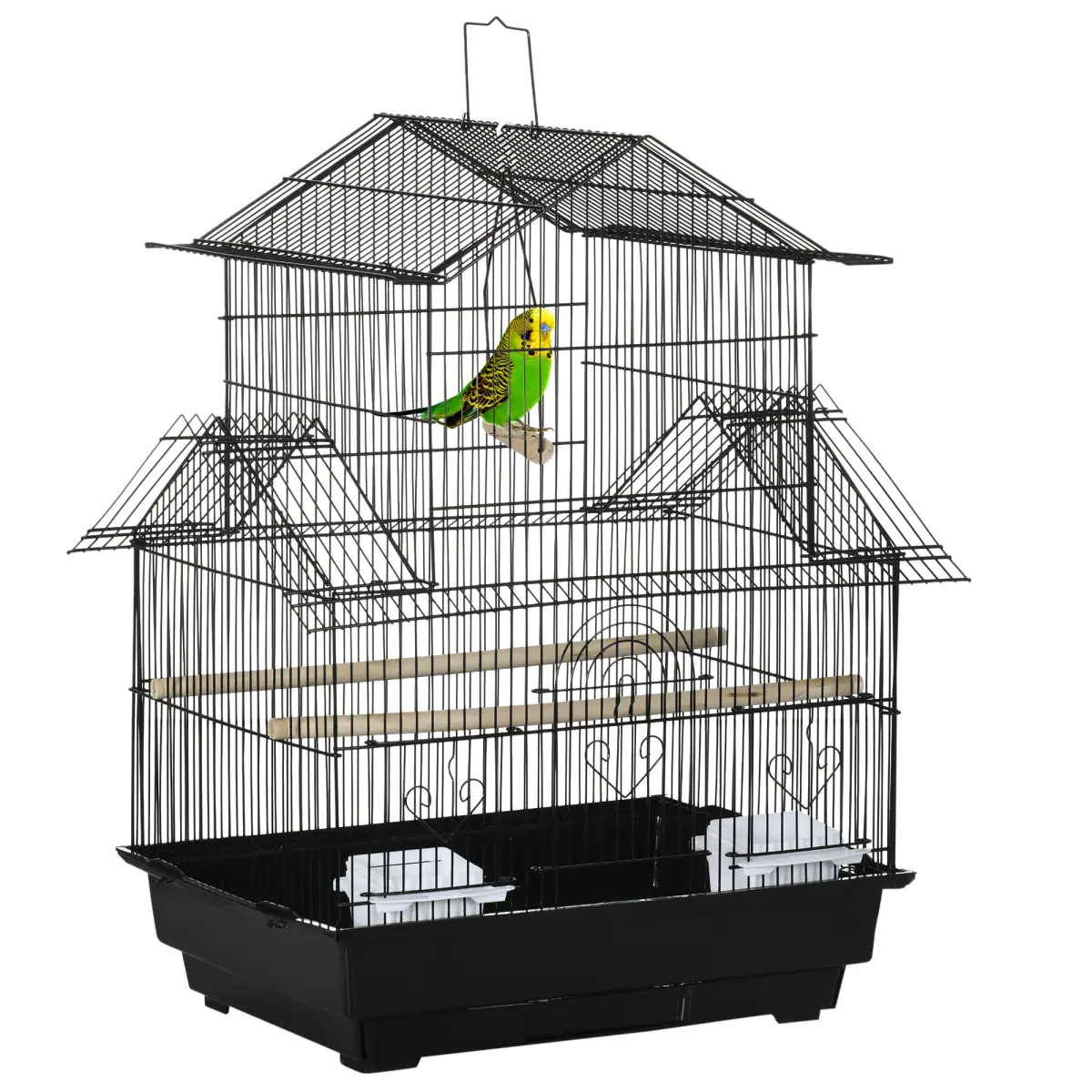
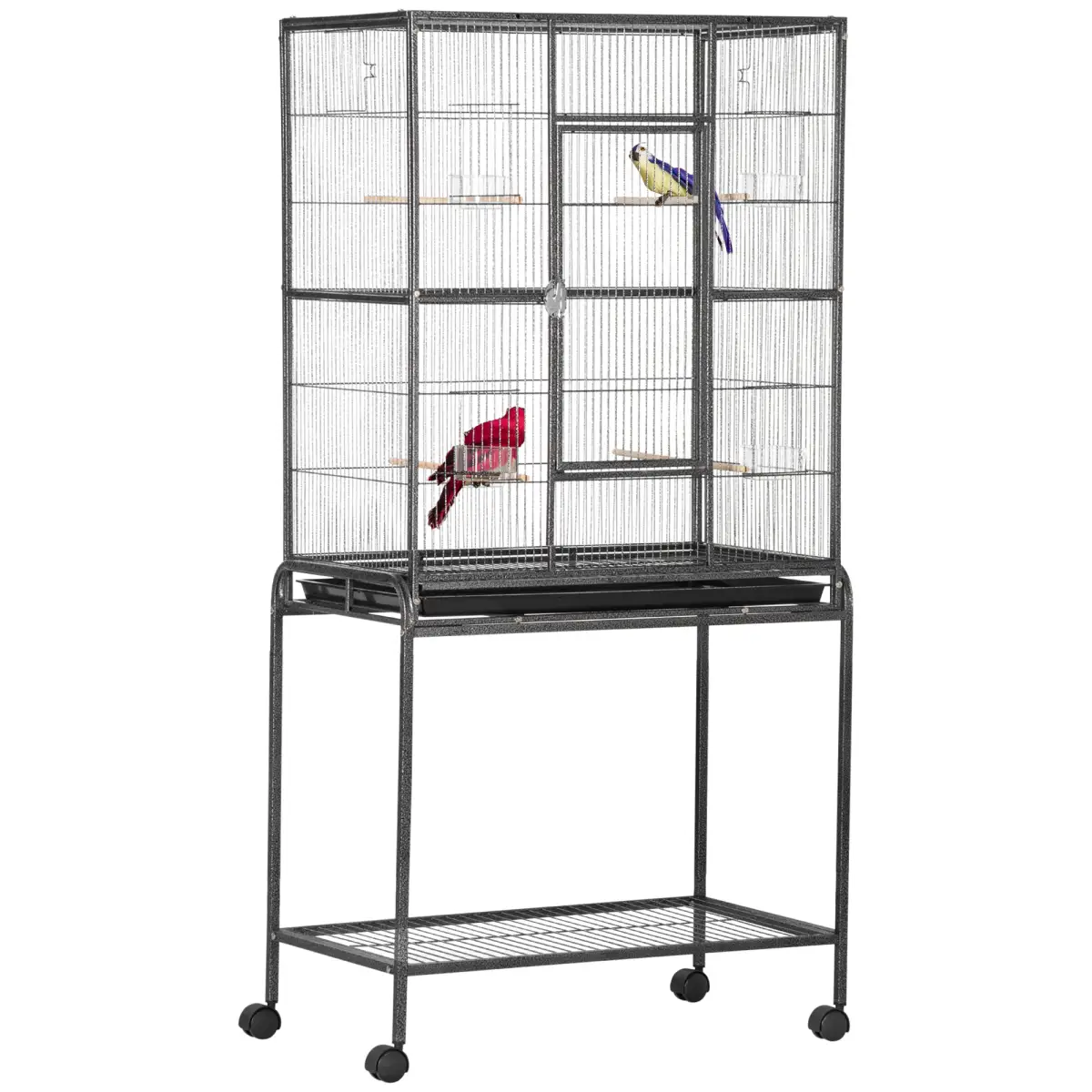
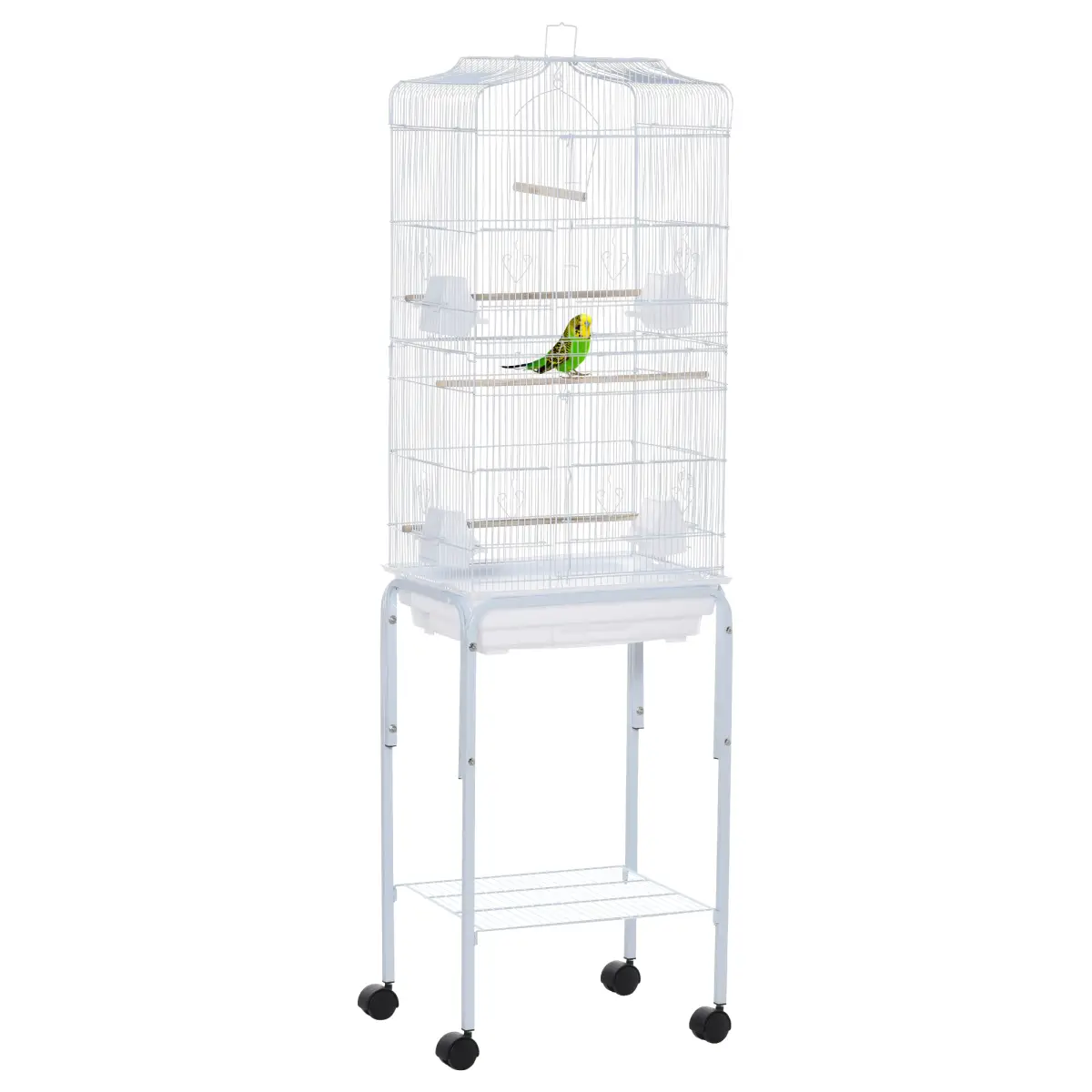
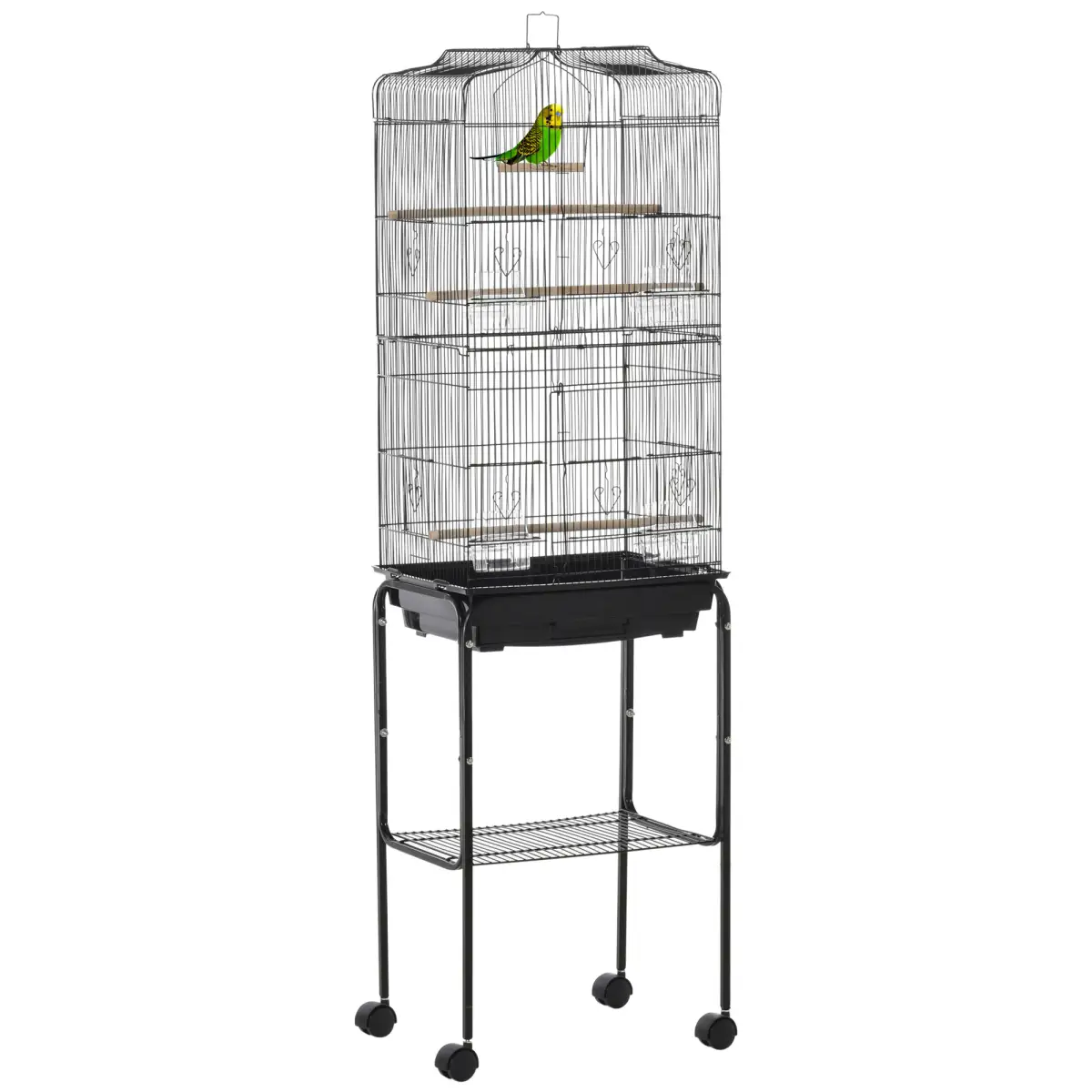
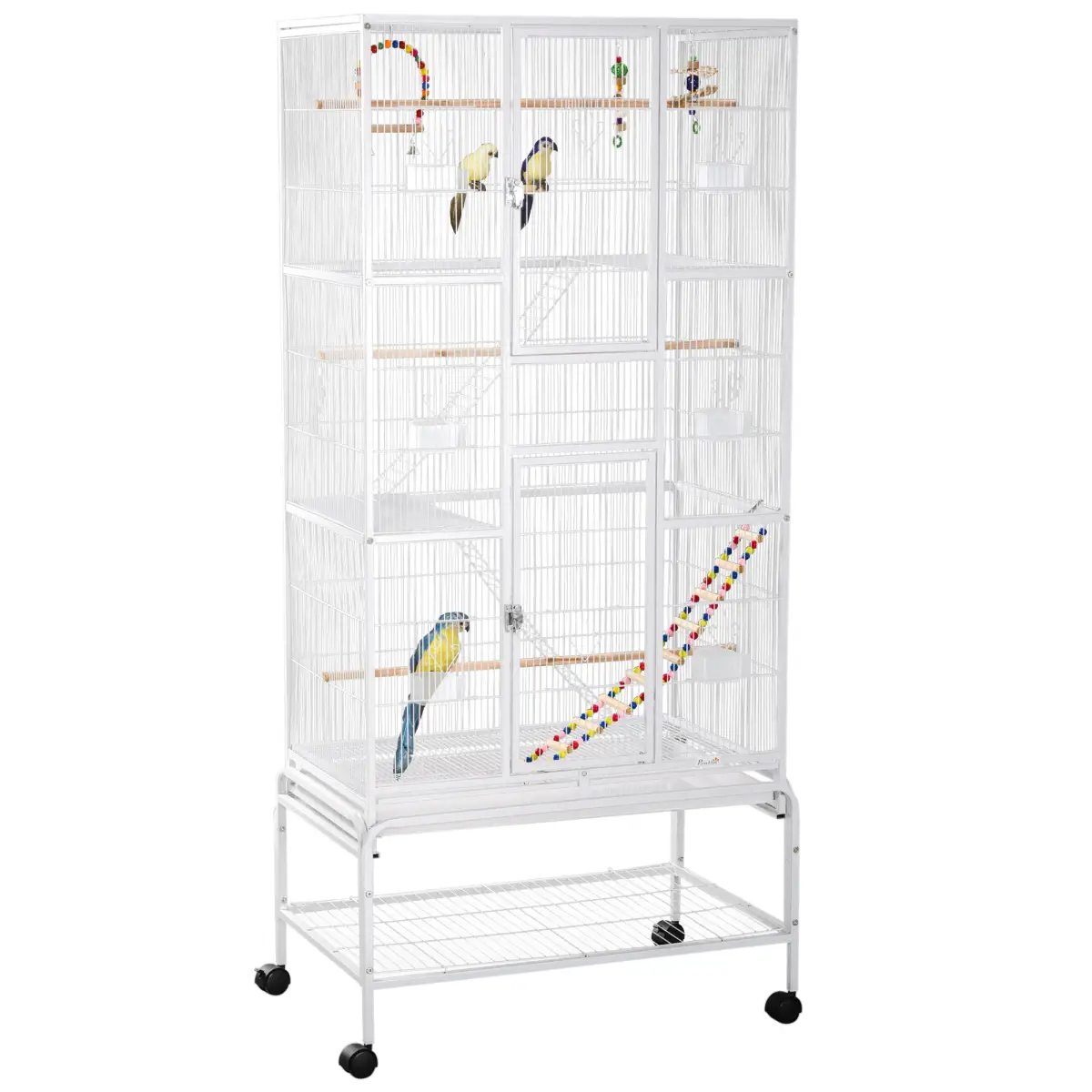
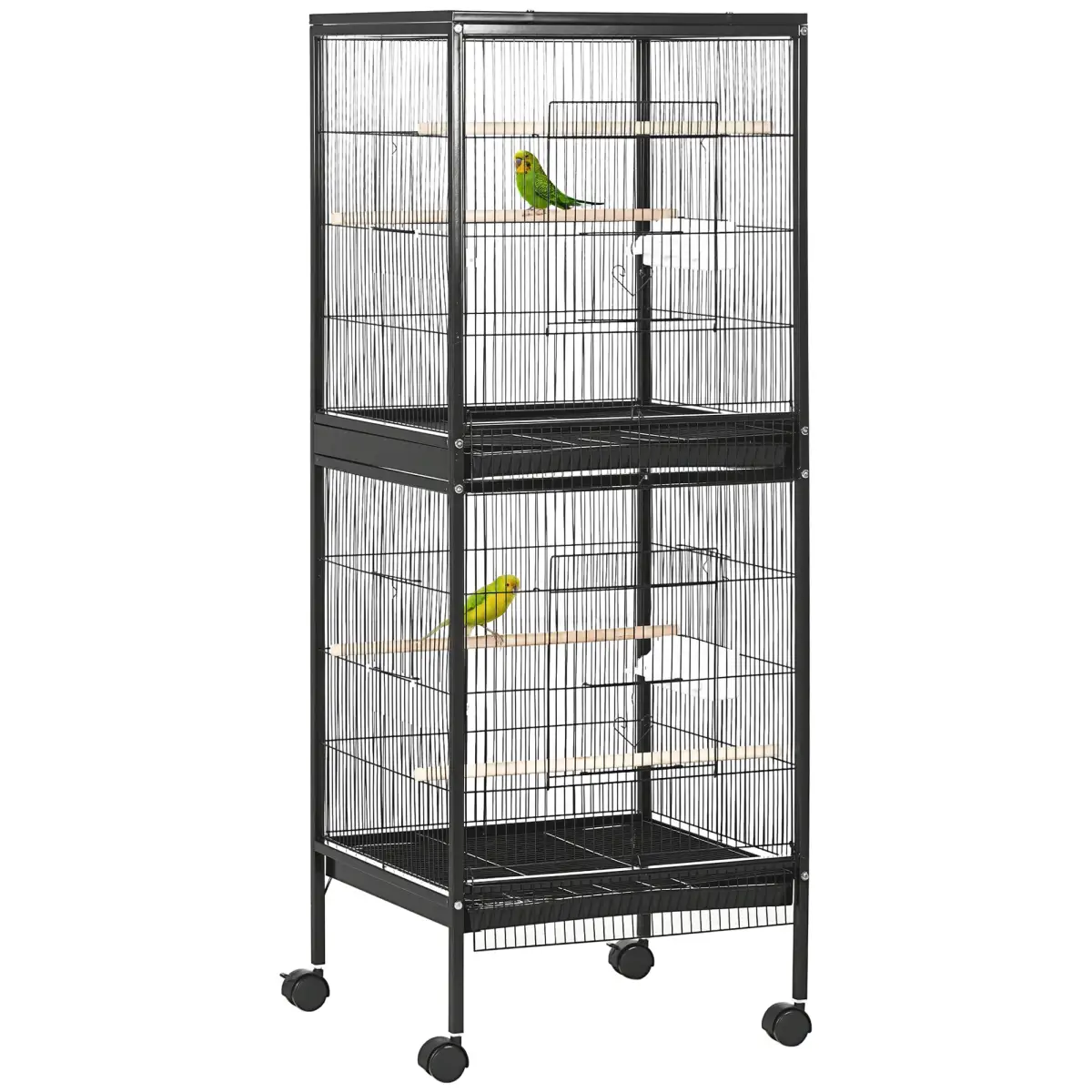
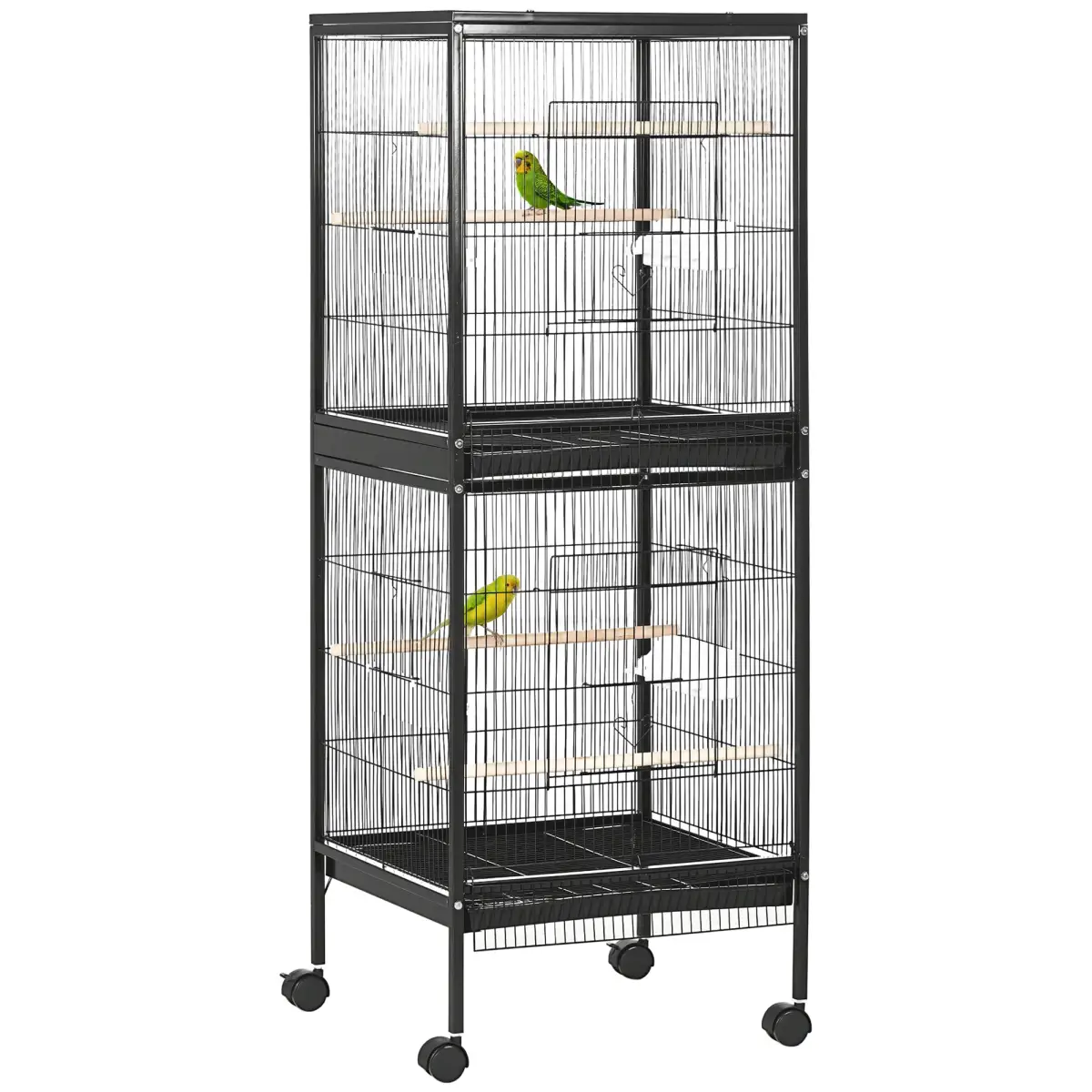
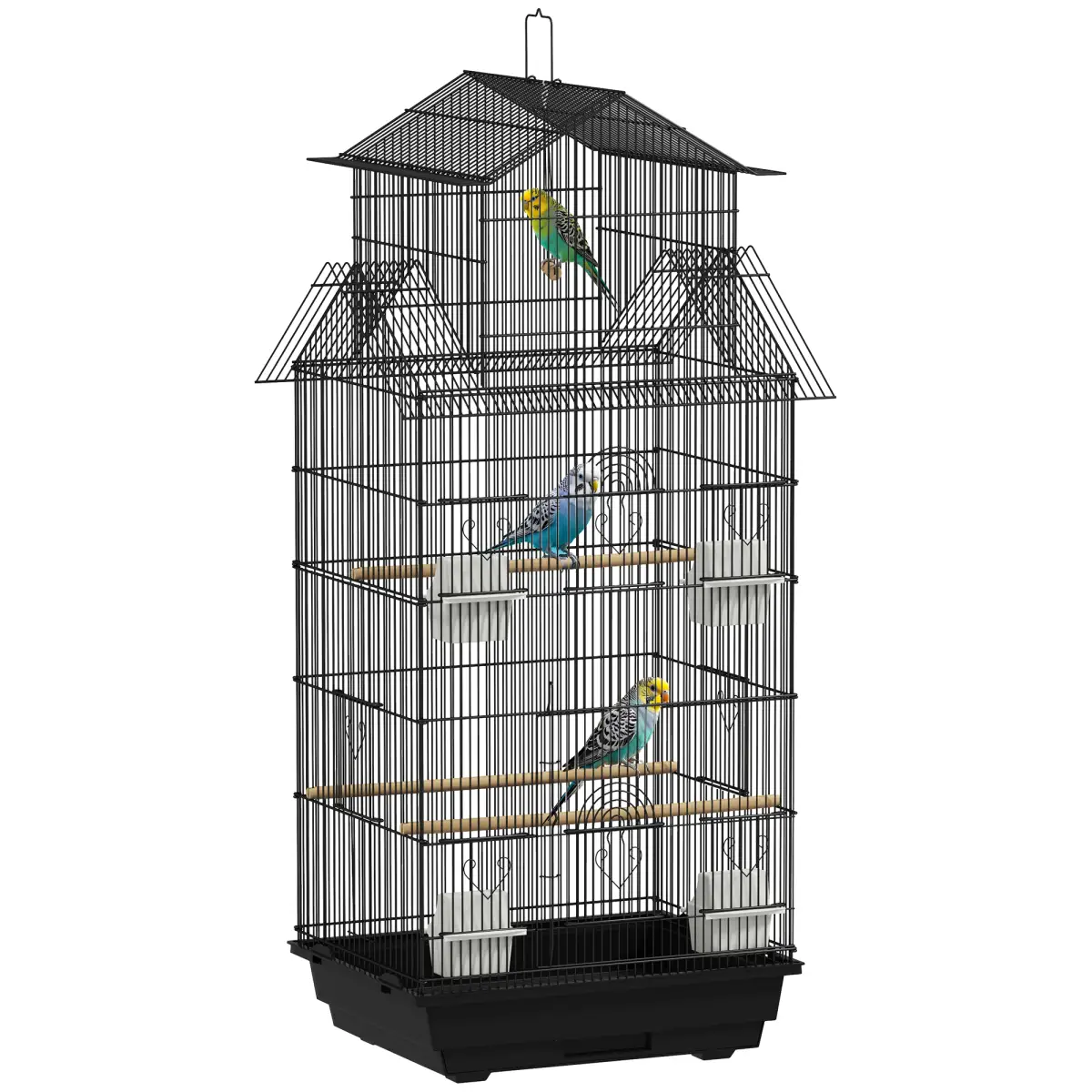
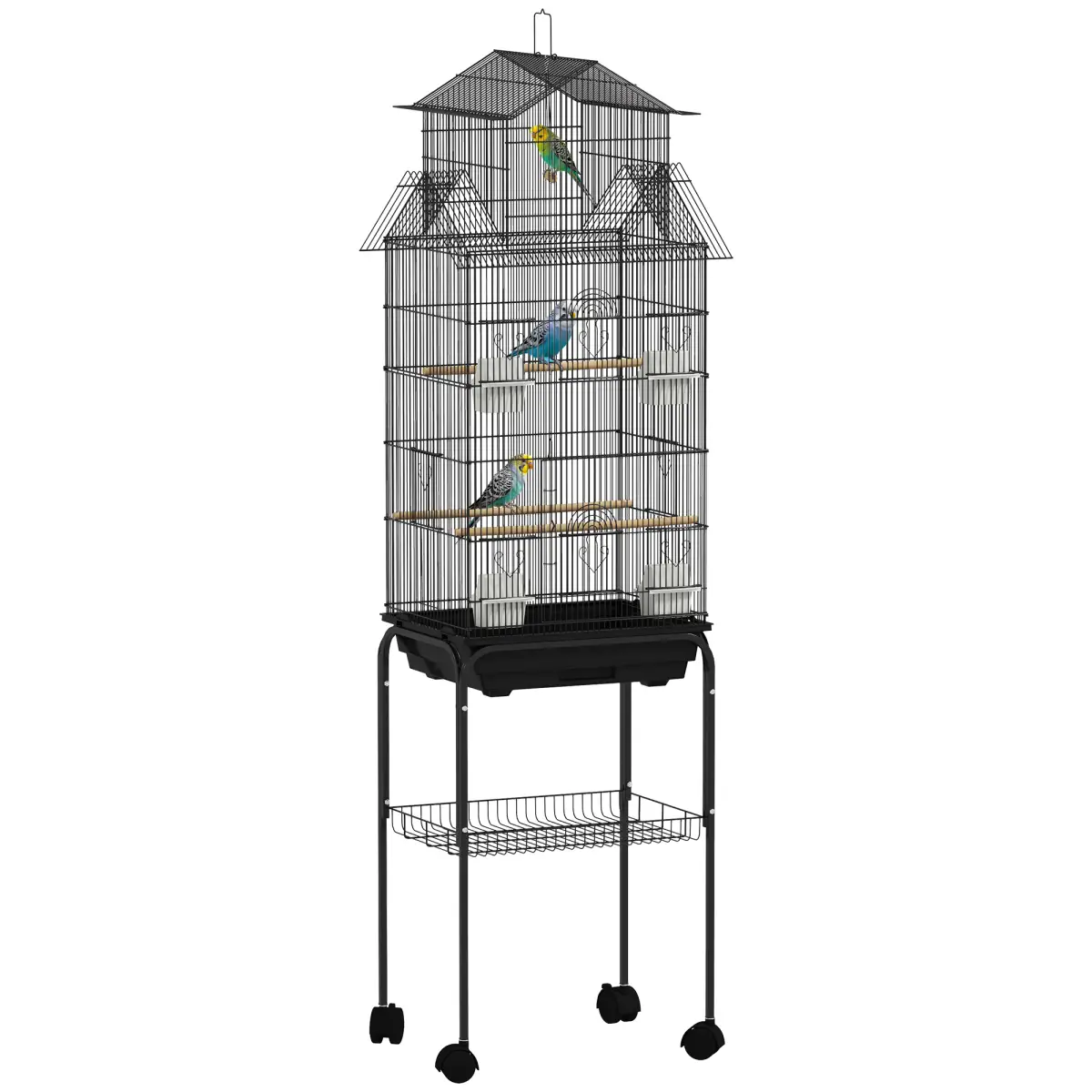
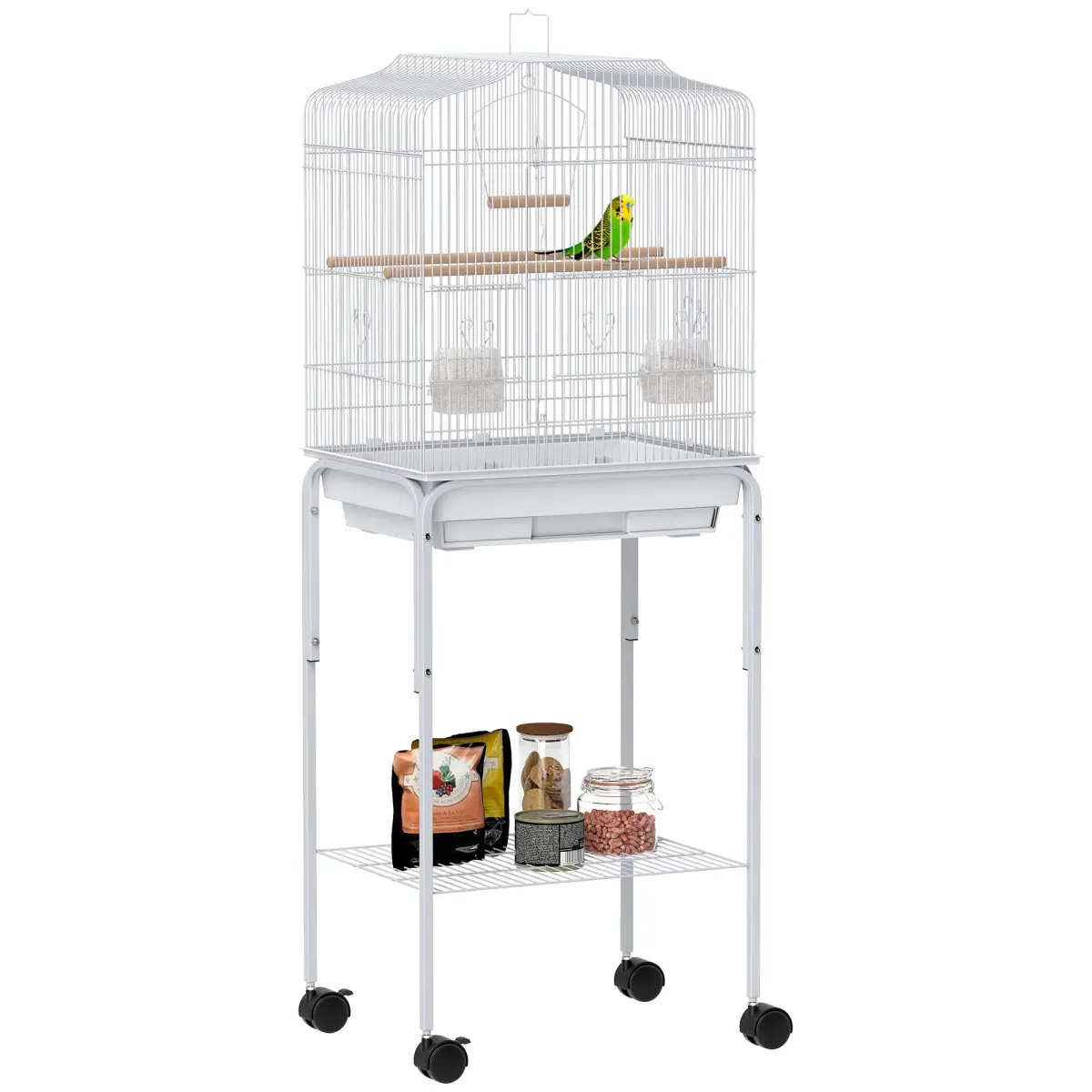
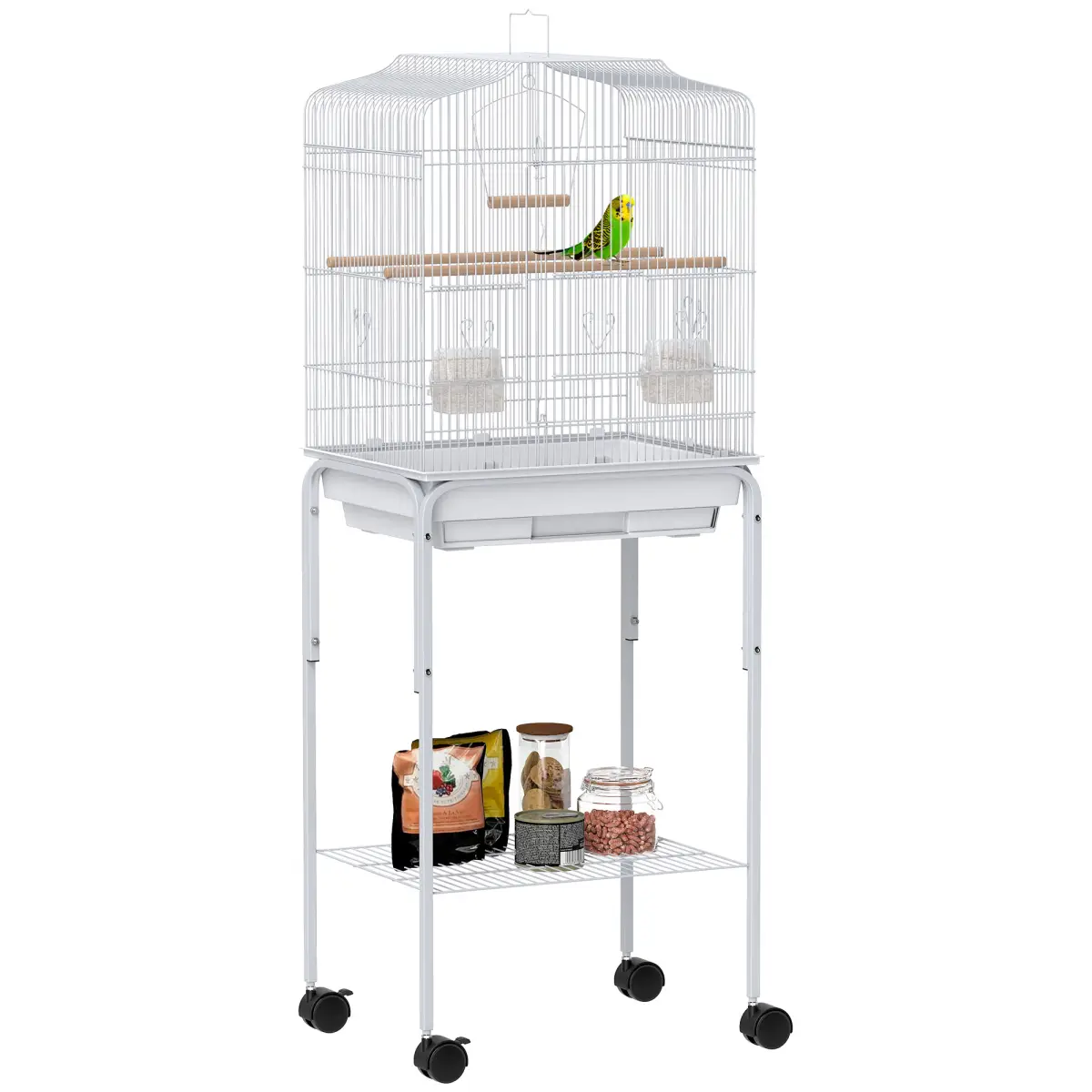
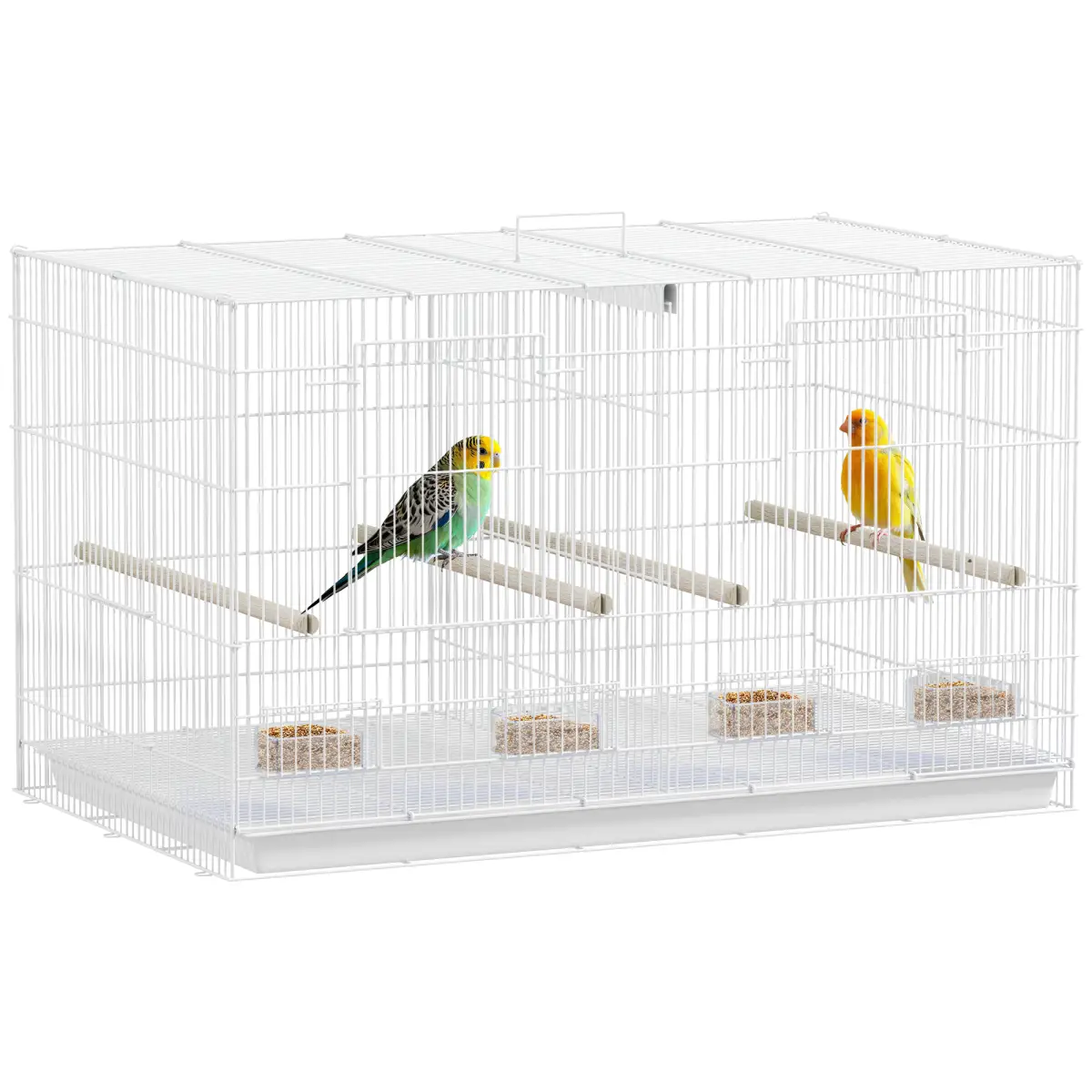
Floor space and width matter more than height for most pet birds. Budgies, canaries and finches fly horizontally rather than hovering, so a wide cage gives them more genuine flying room than a tall narrow one. As a rough guide, a single budgie wants a minimum of around 45cm in each direction, and more is always better. A pair needs noticeably more than that.
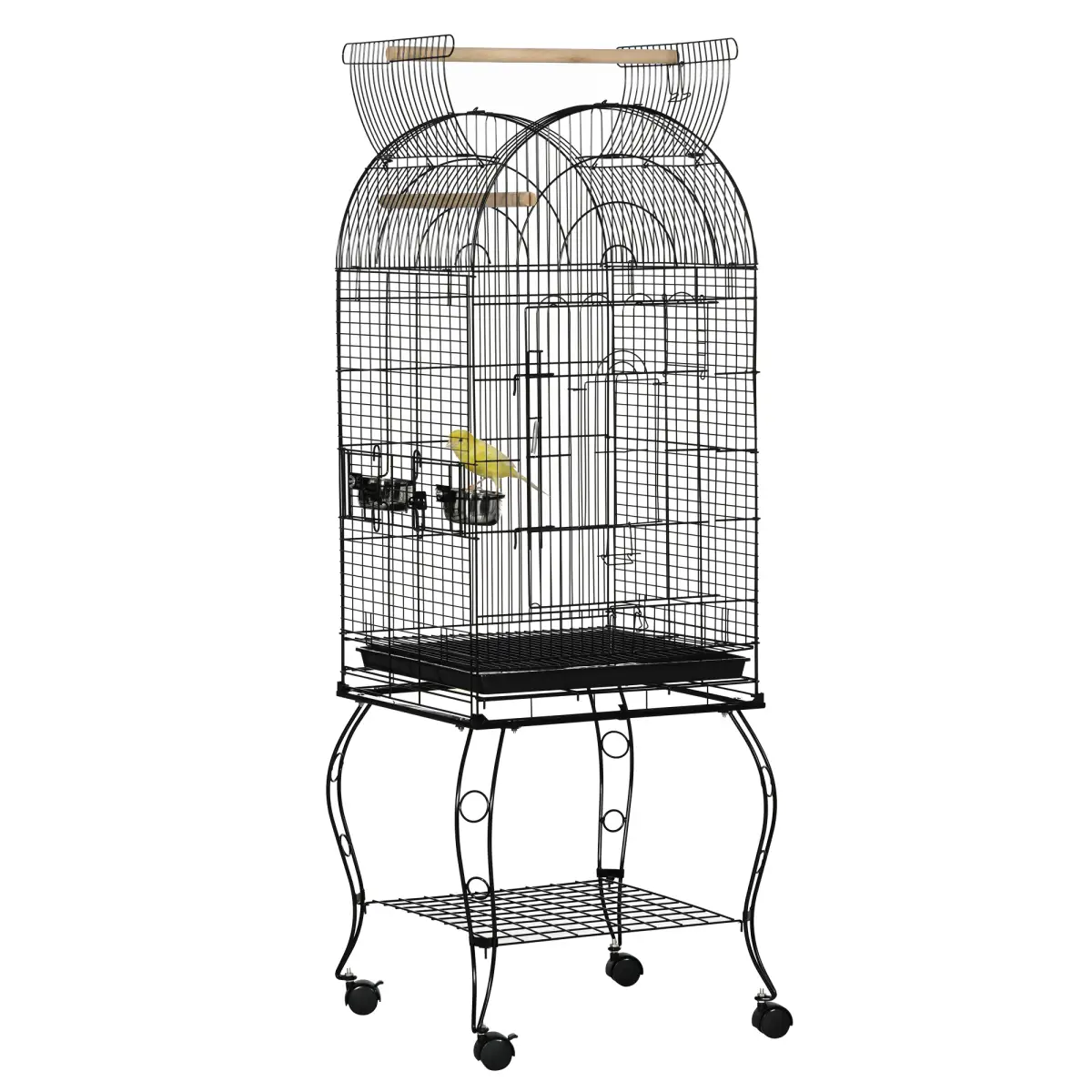
Cockatiels and parakeets have longer tails and need extra clearance so the tail isn't constantly brushing the bars. If you're buying for a bird that will spend most of the day inside the cage rather than out on a stand, size up.
Bar spacing by species
This is the specification people most often overlook. Bars that are too far apart let a small bird push its head through and get stuck. Finches and canaries generally need spacing under 12mm. Budgies sit at roughly 10mm to 14mm. Cockatiels and small parakeets are usually fine around 16mm to 20mm.
Horizontal bars on at least one or two sides are a bonus, since parrots and budgies use them to climb. A cage with only vertical bars gives them nothing to grip.
Wooden aviaries and steel cages
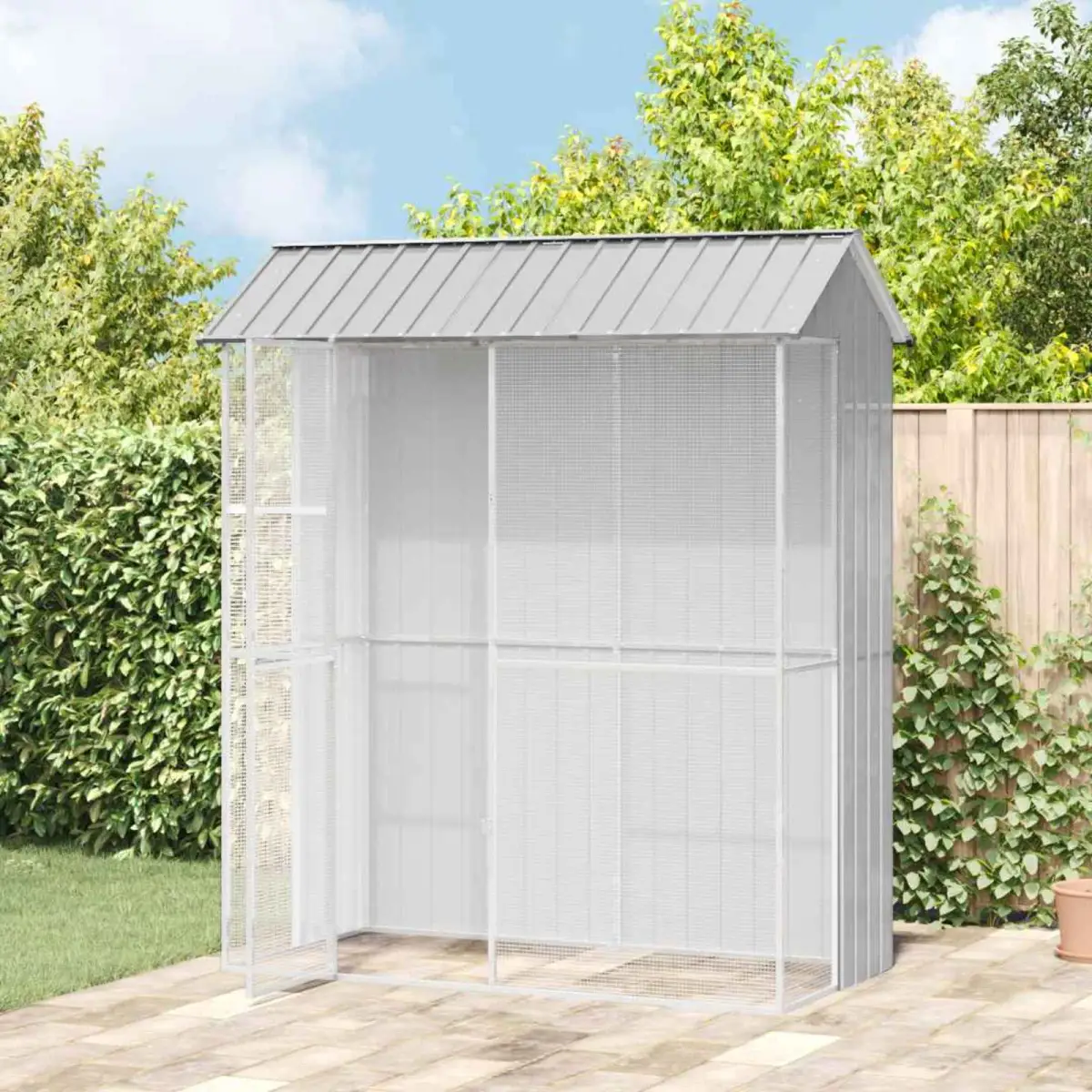
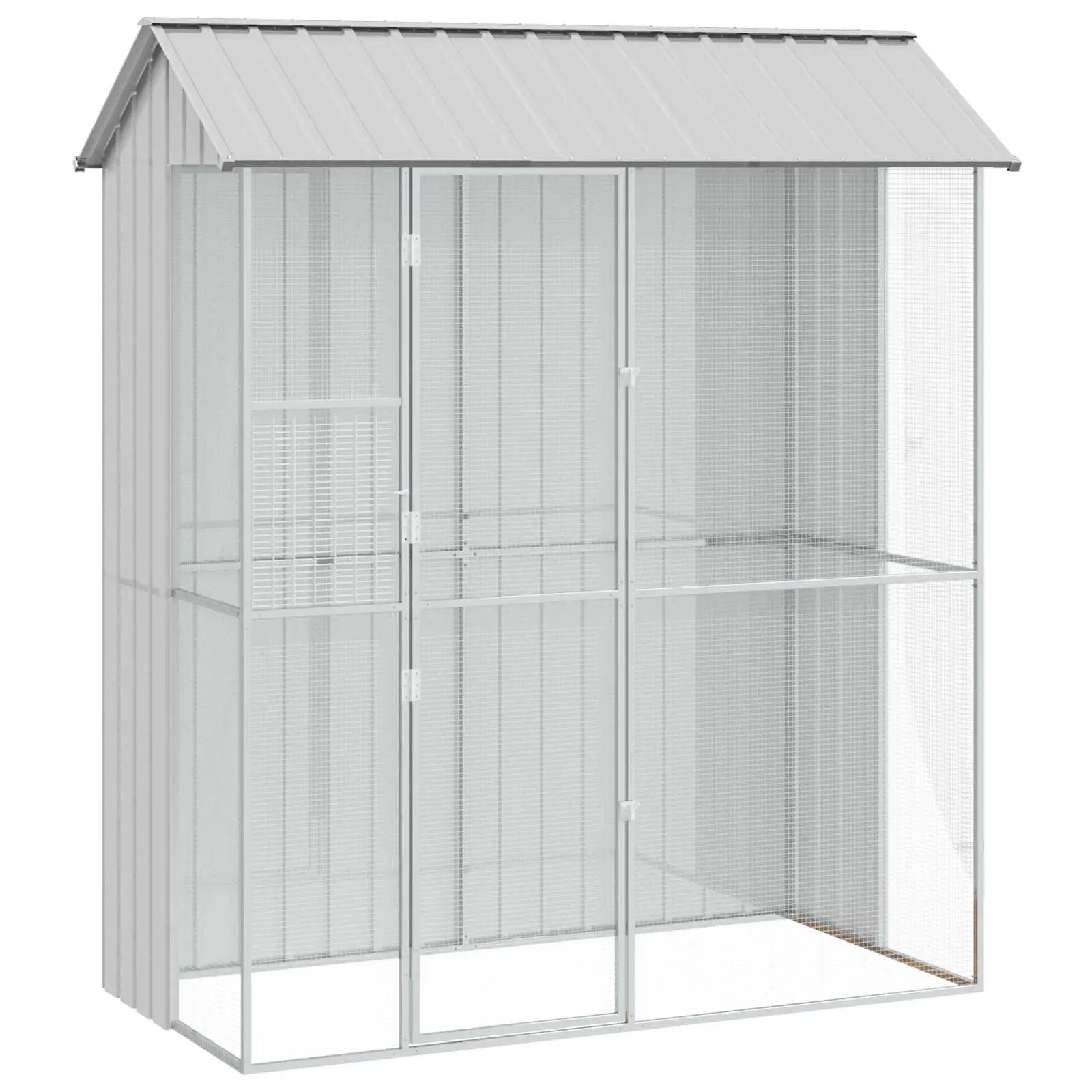
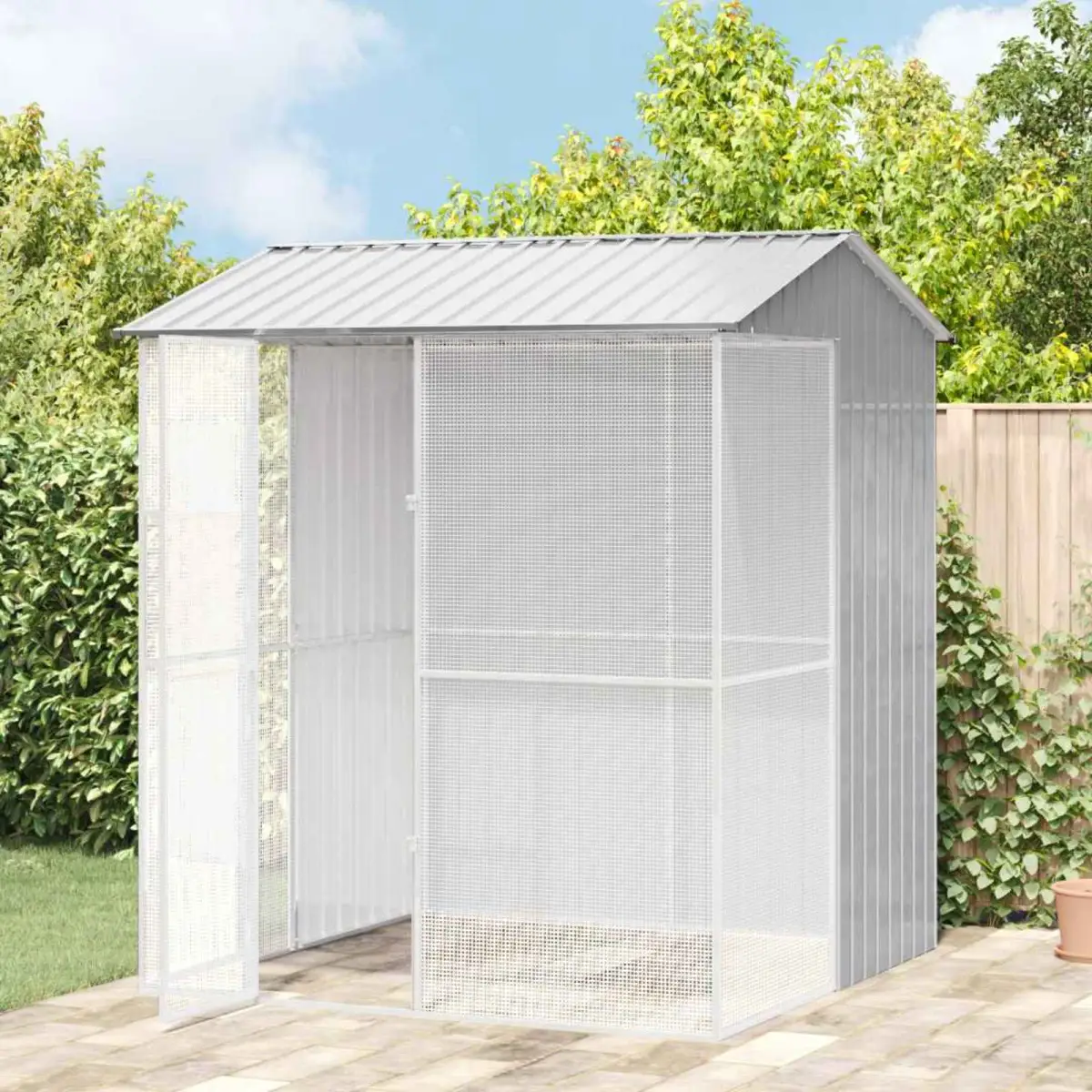
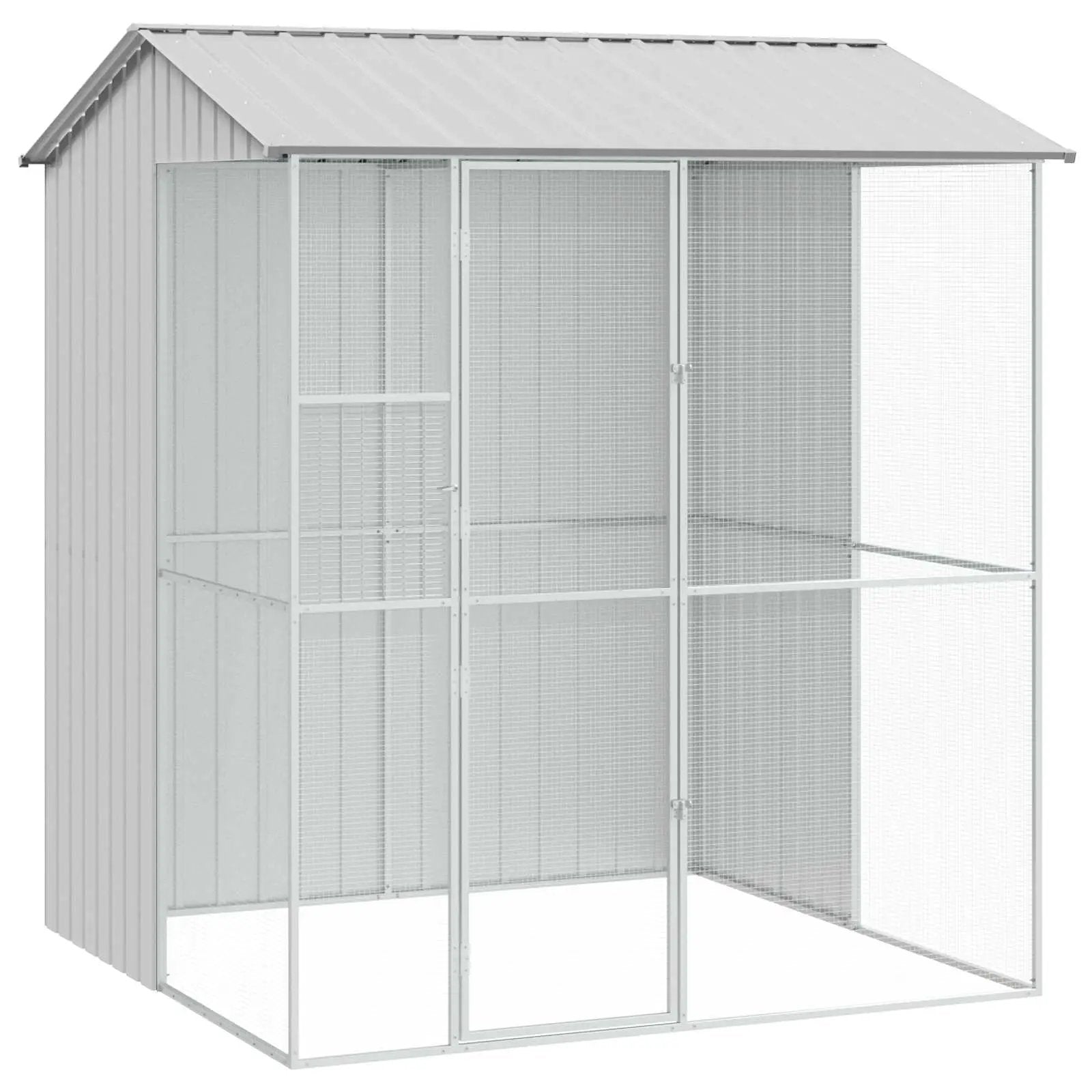
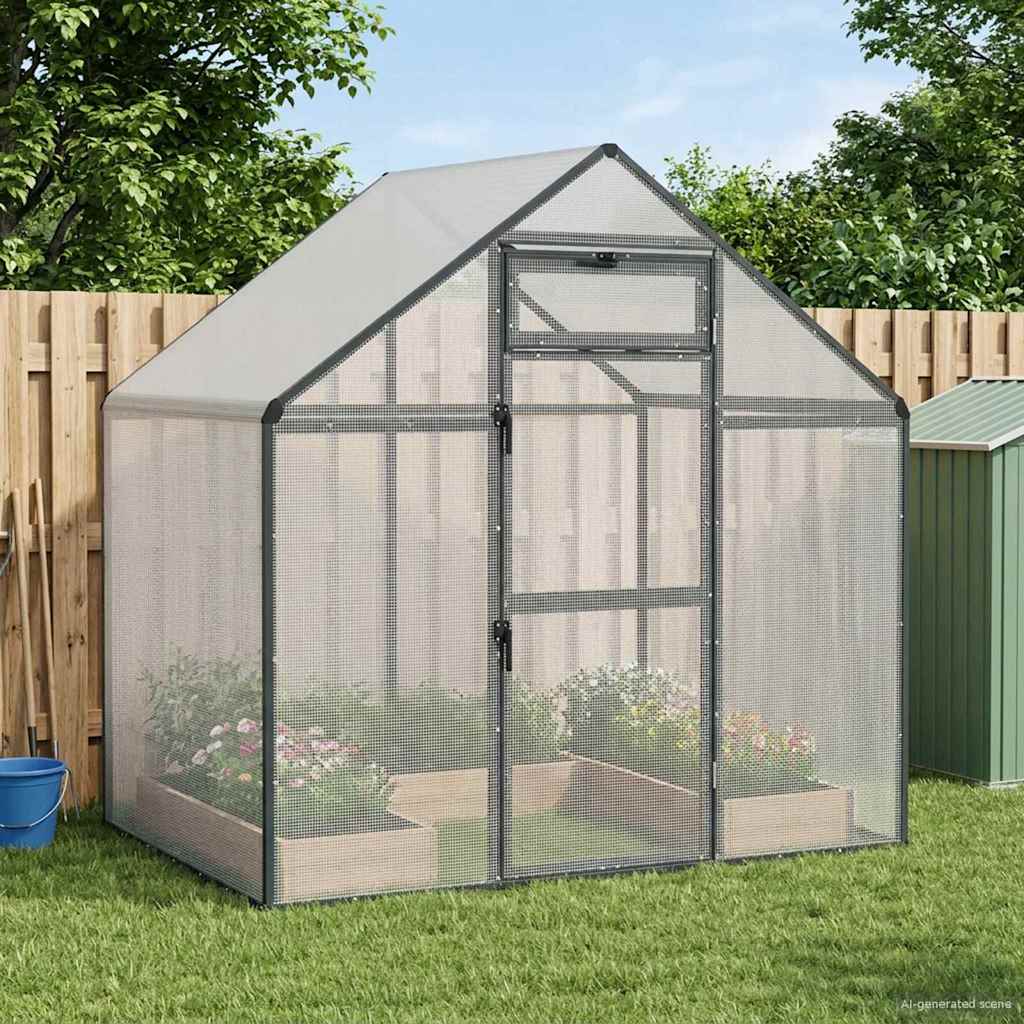
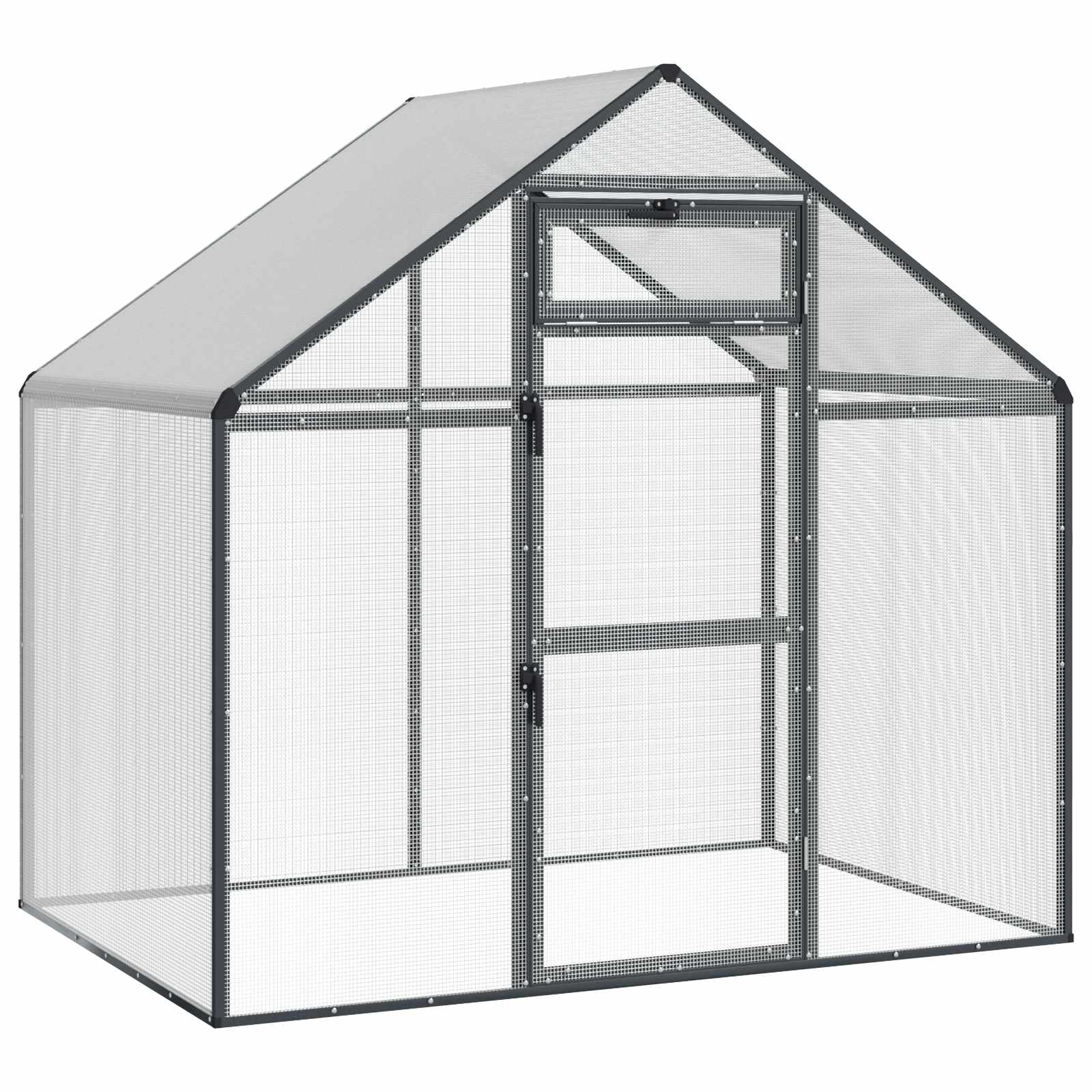
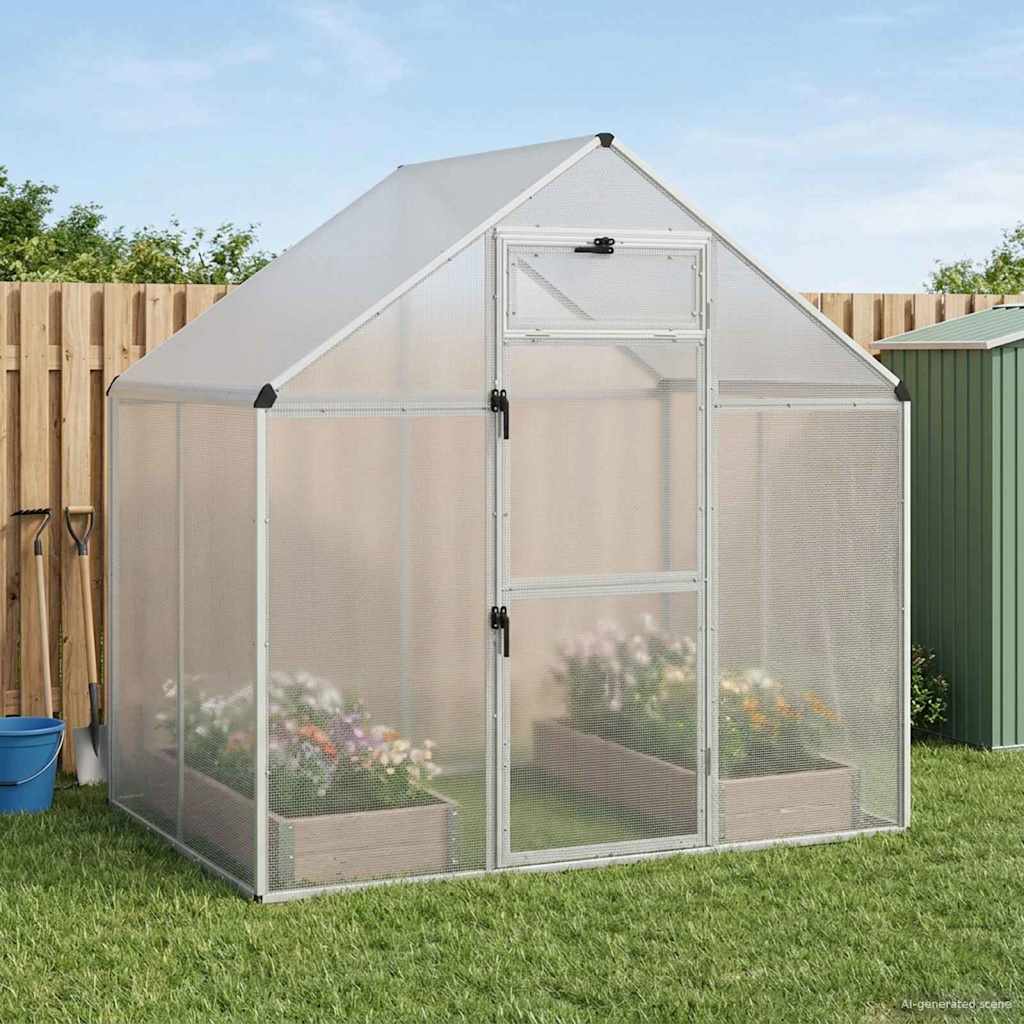
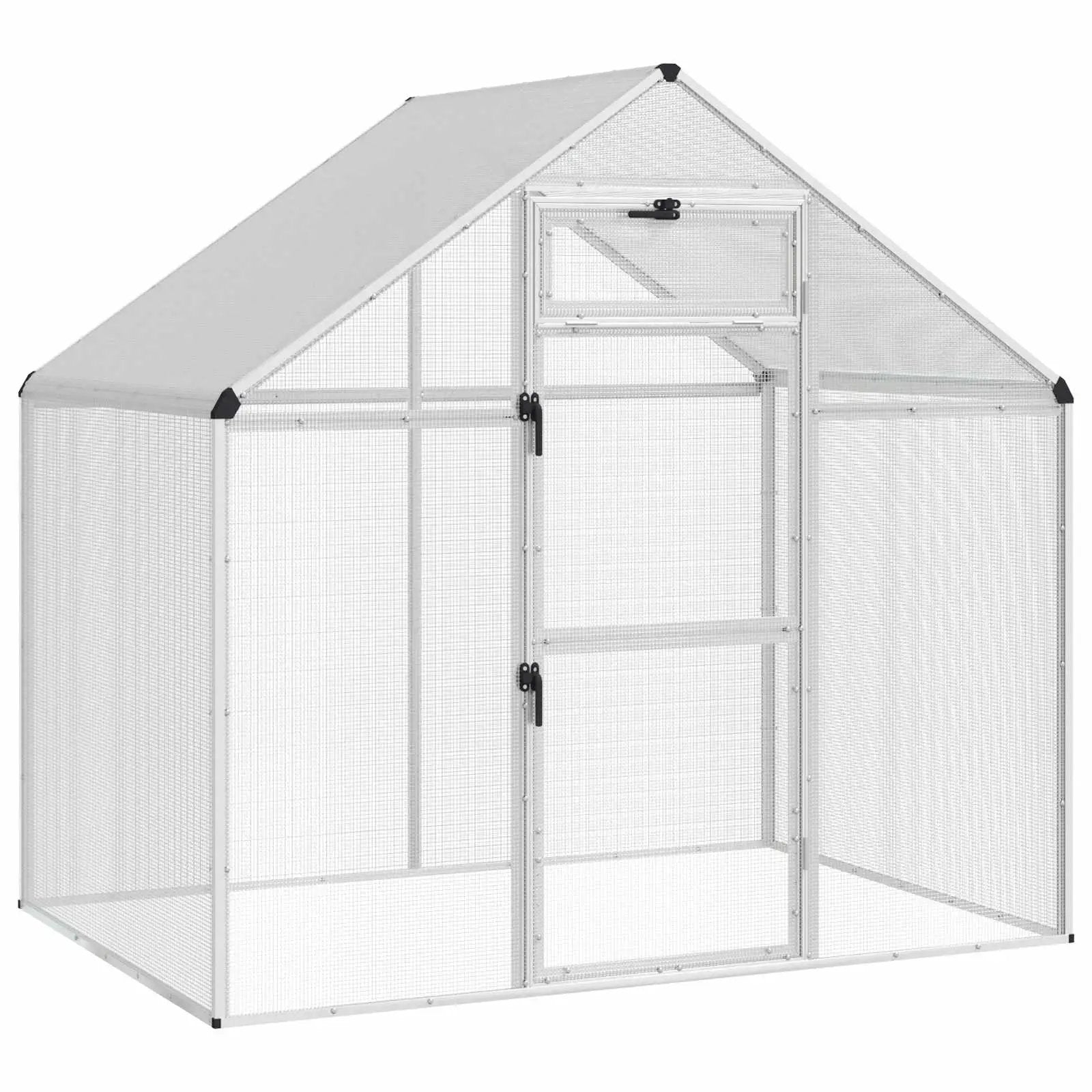
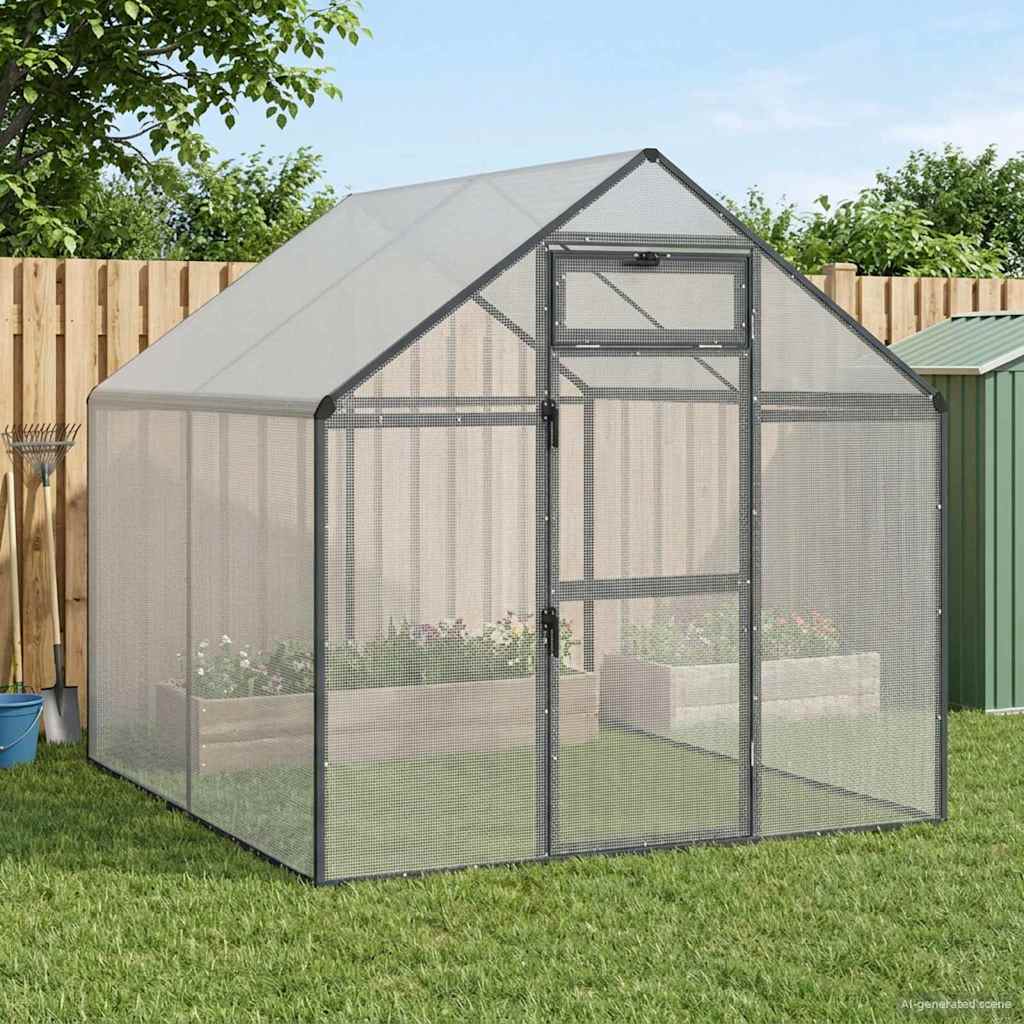
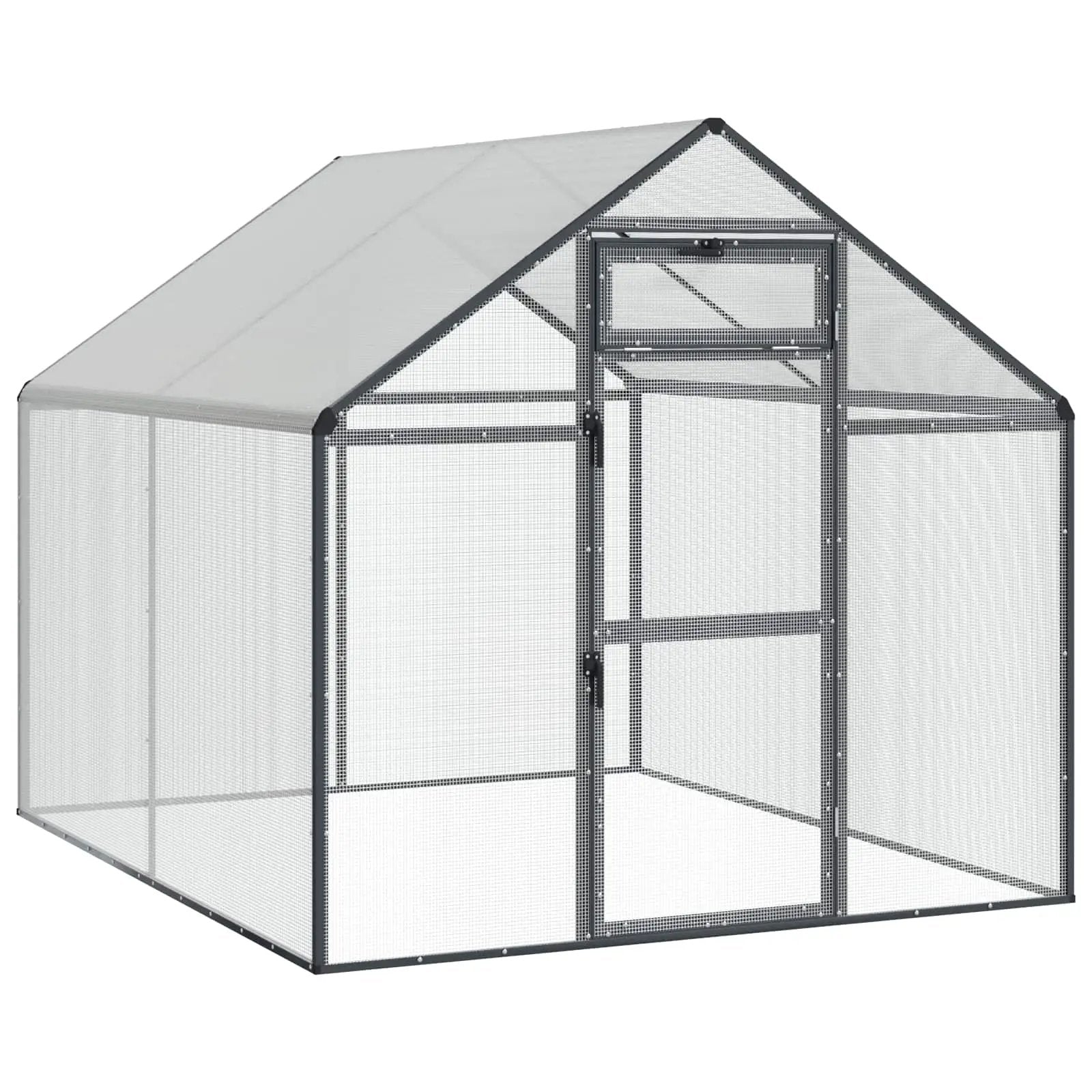
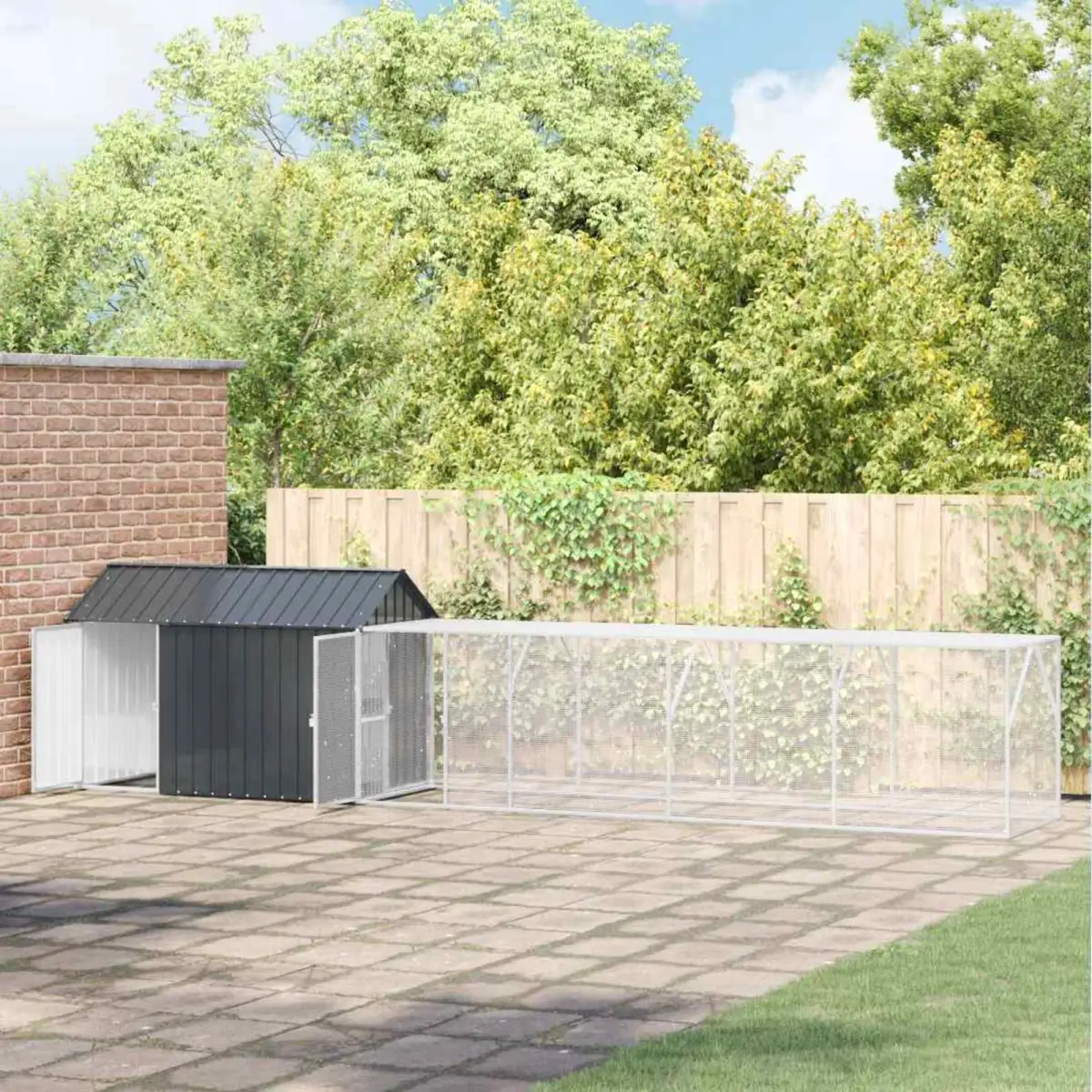
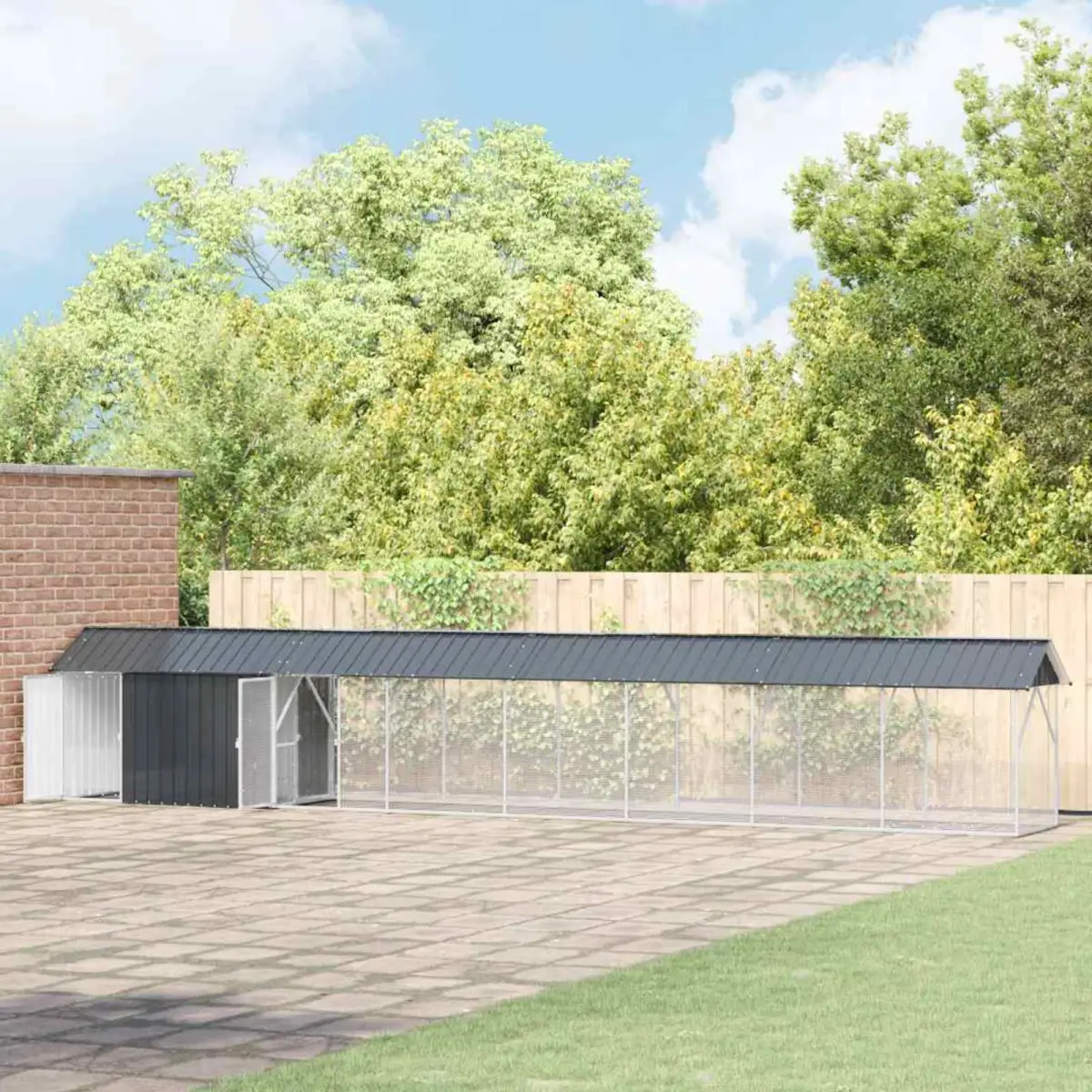
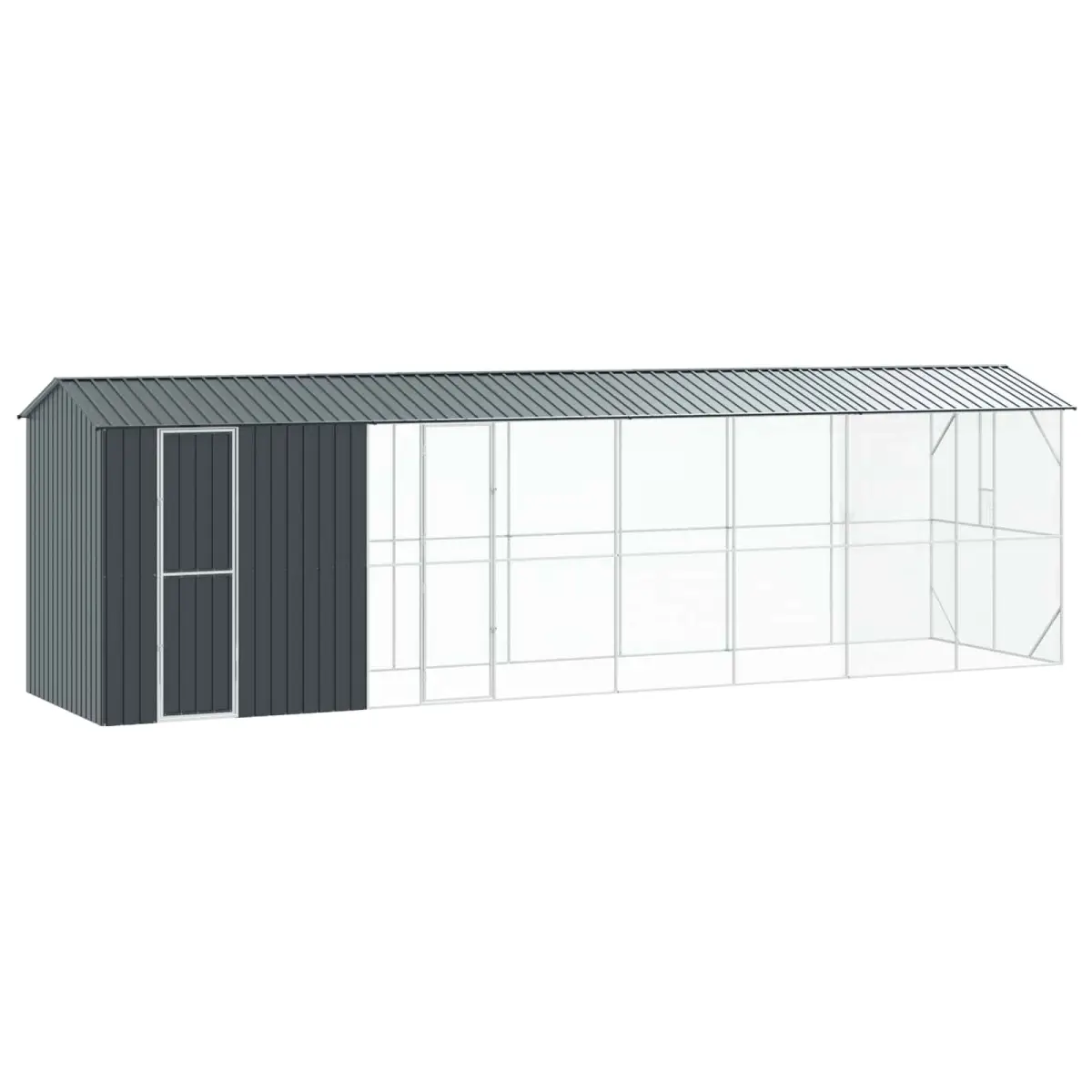
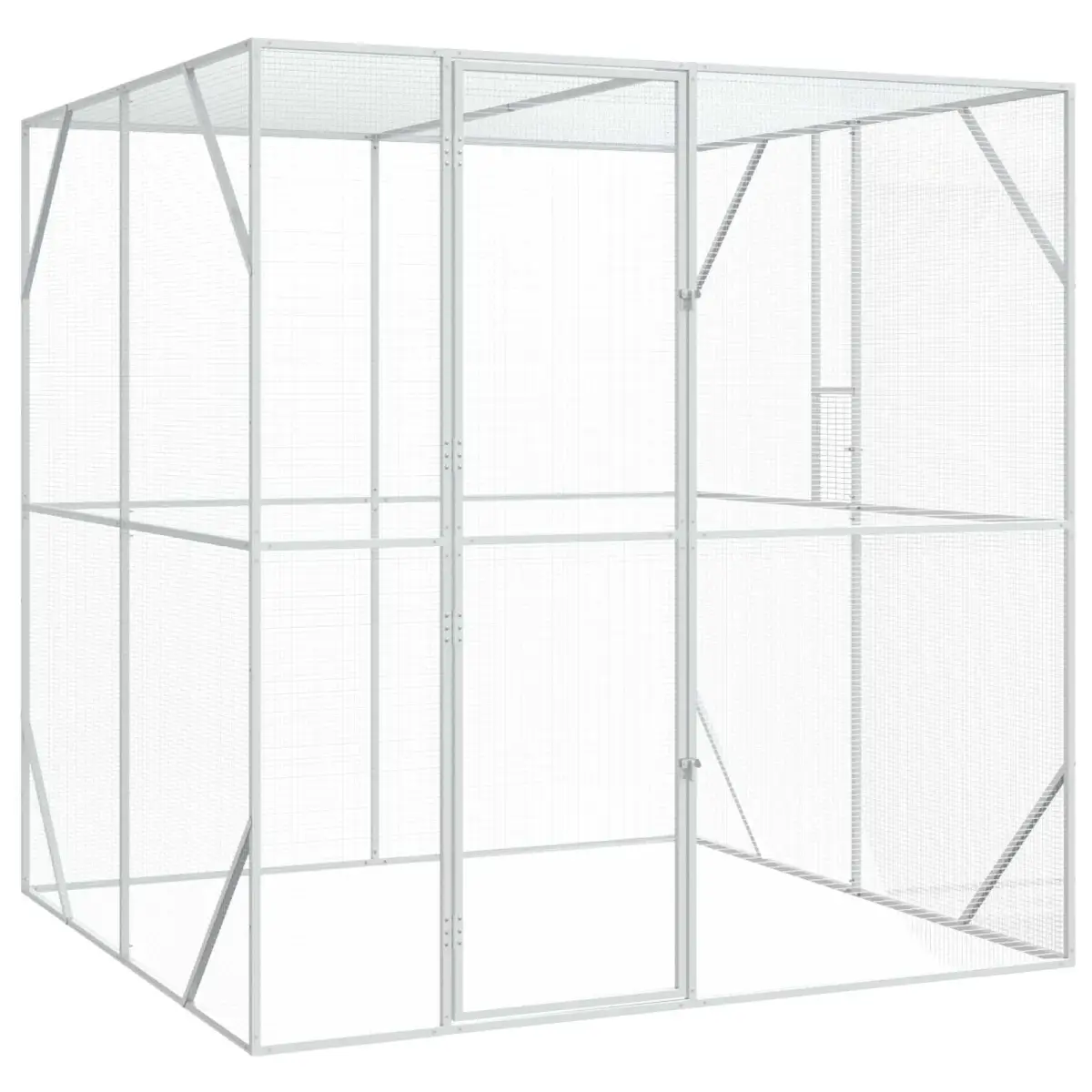
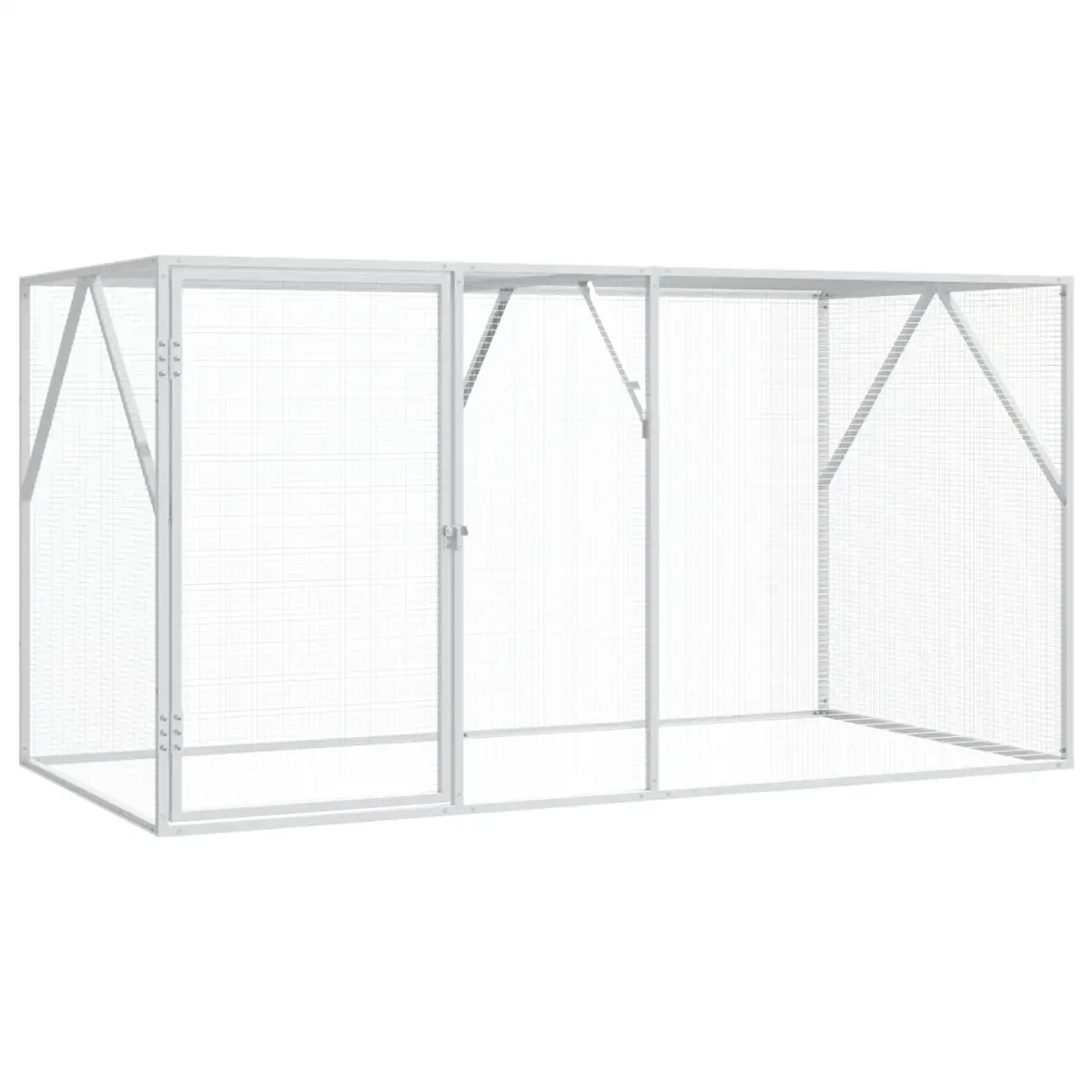
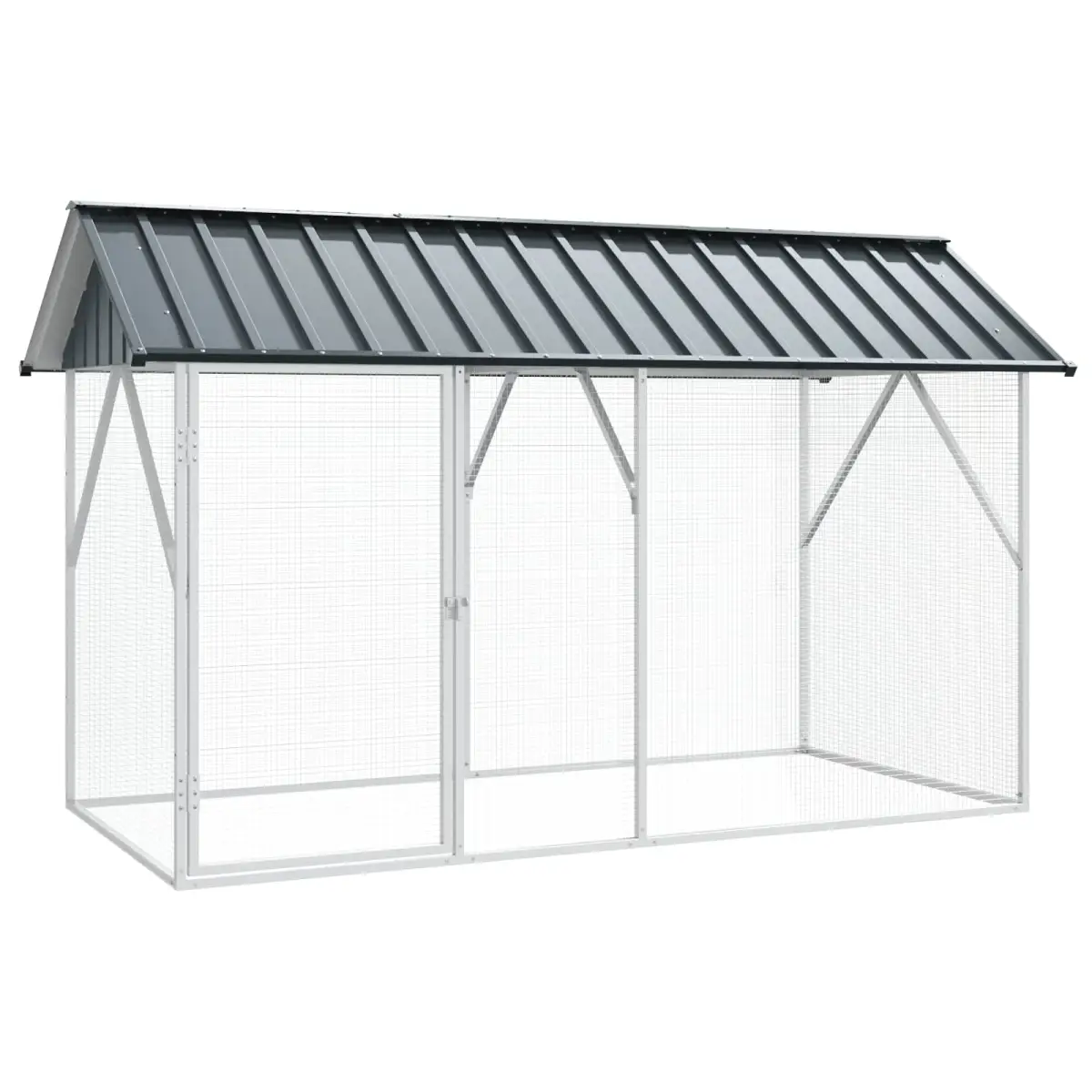
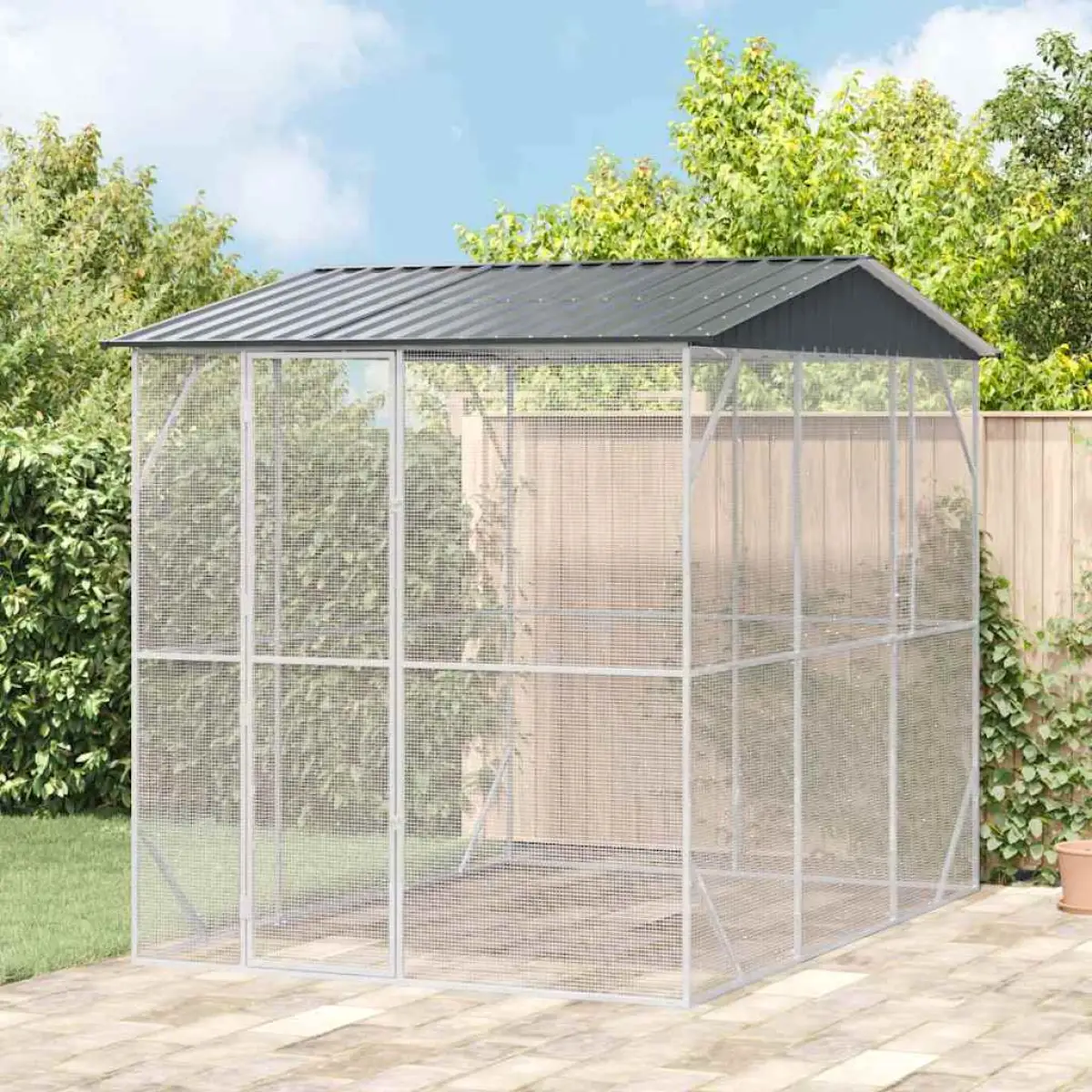
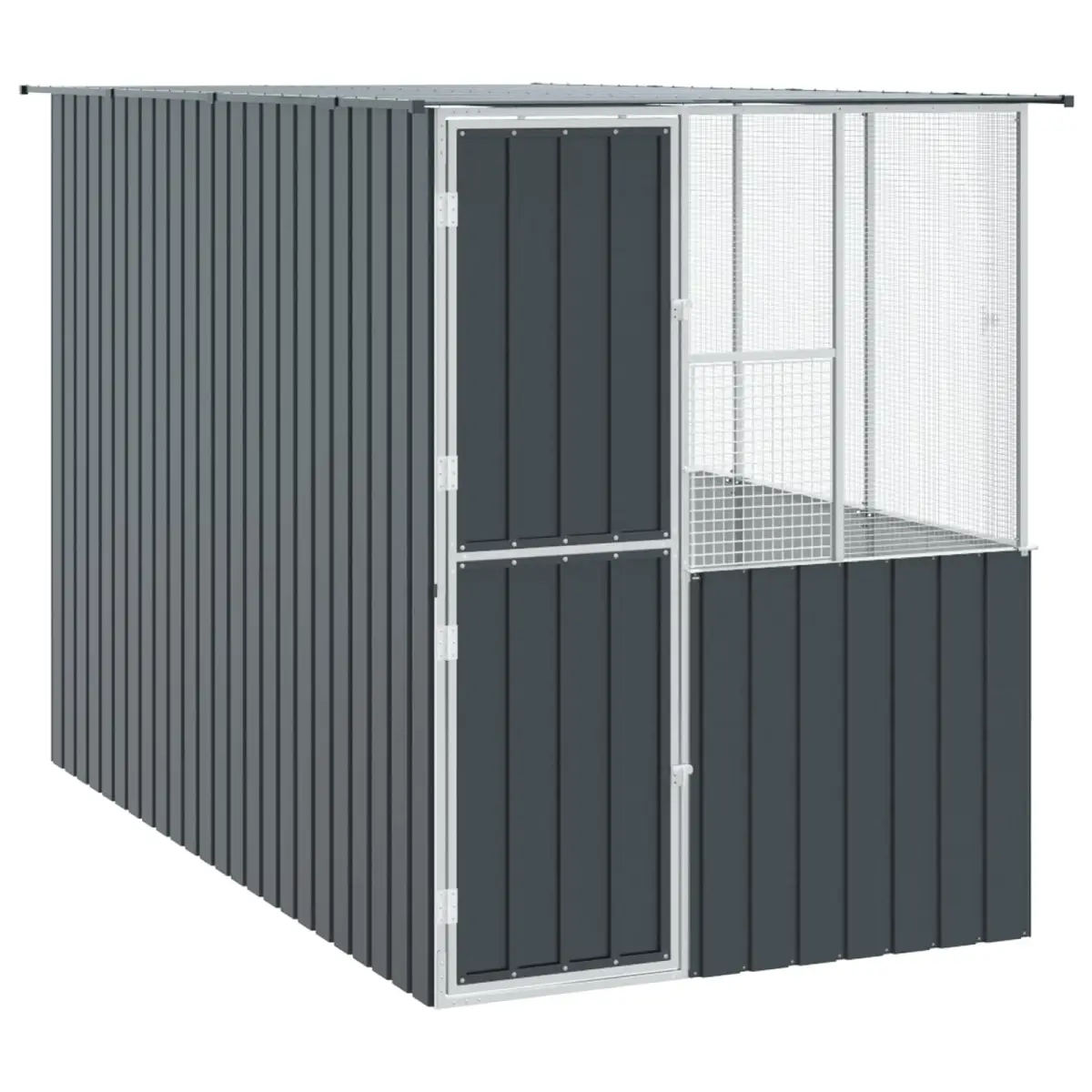
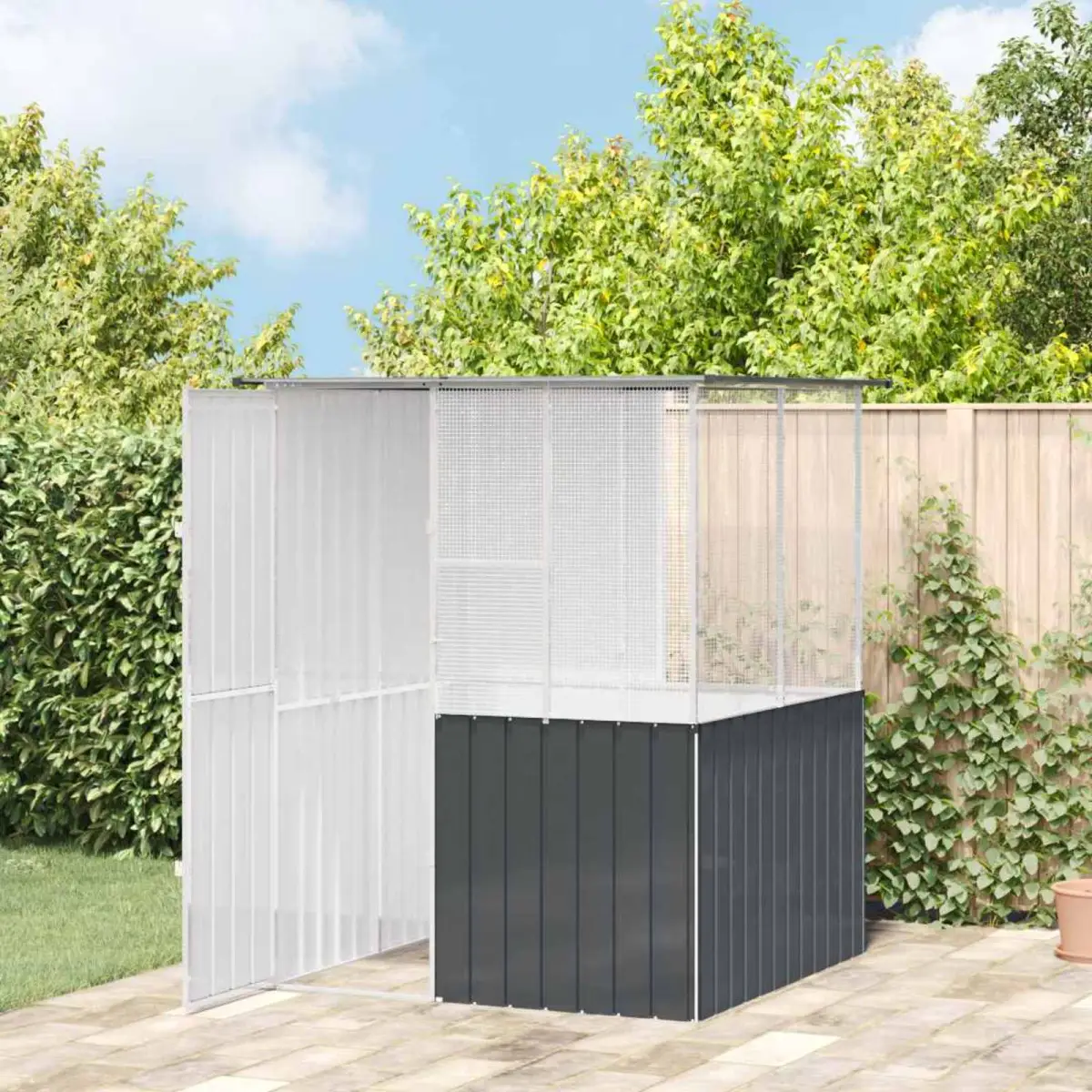
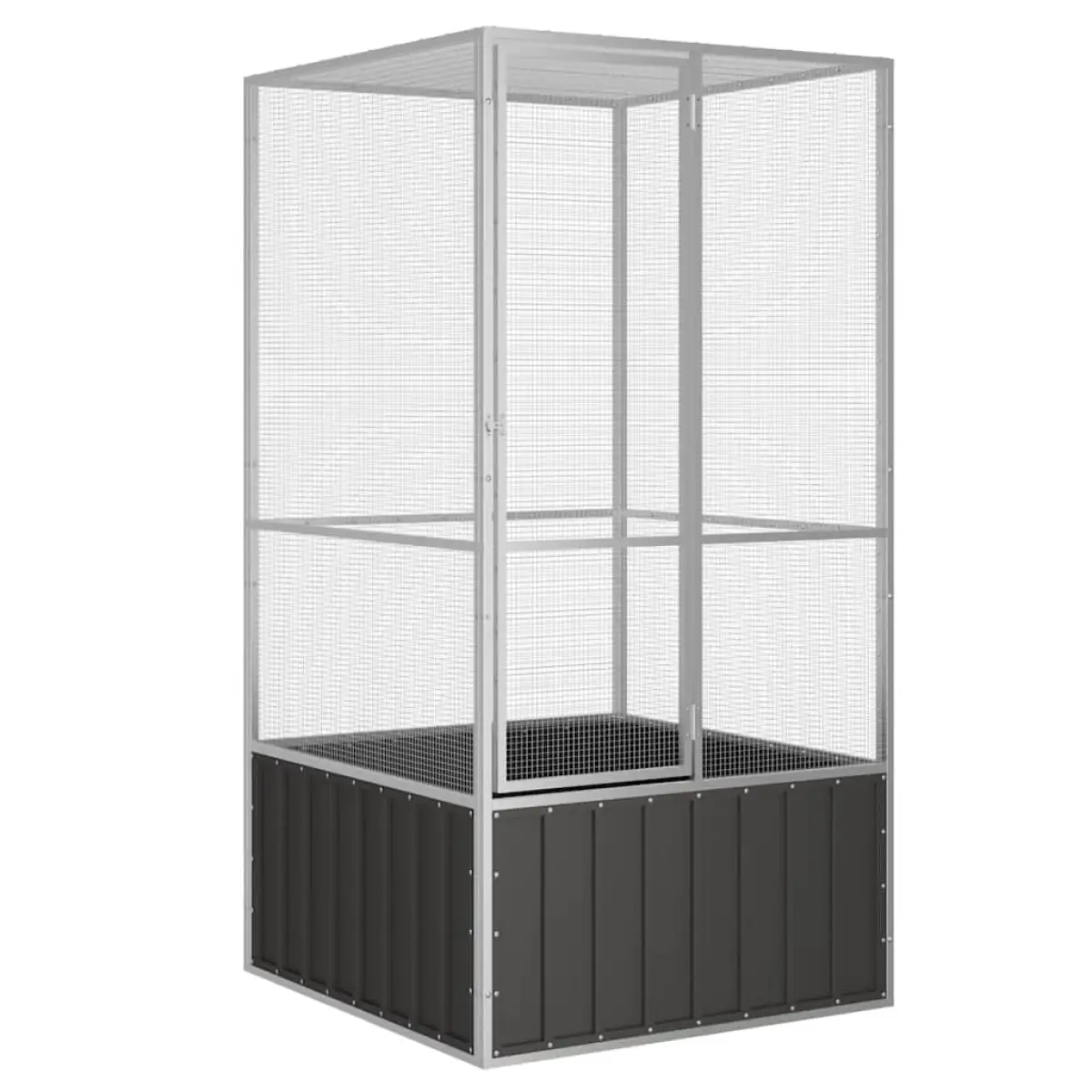
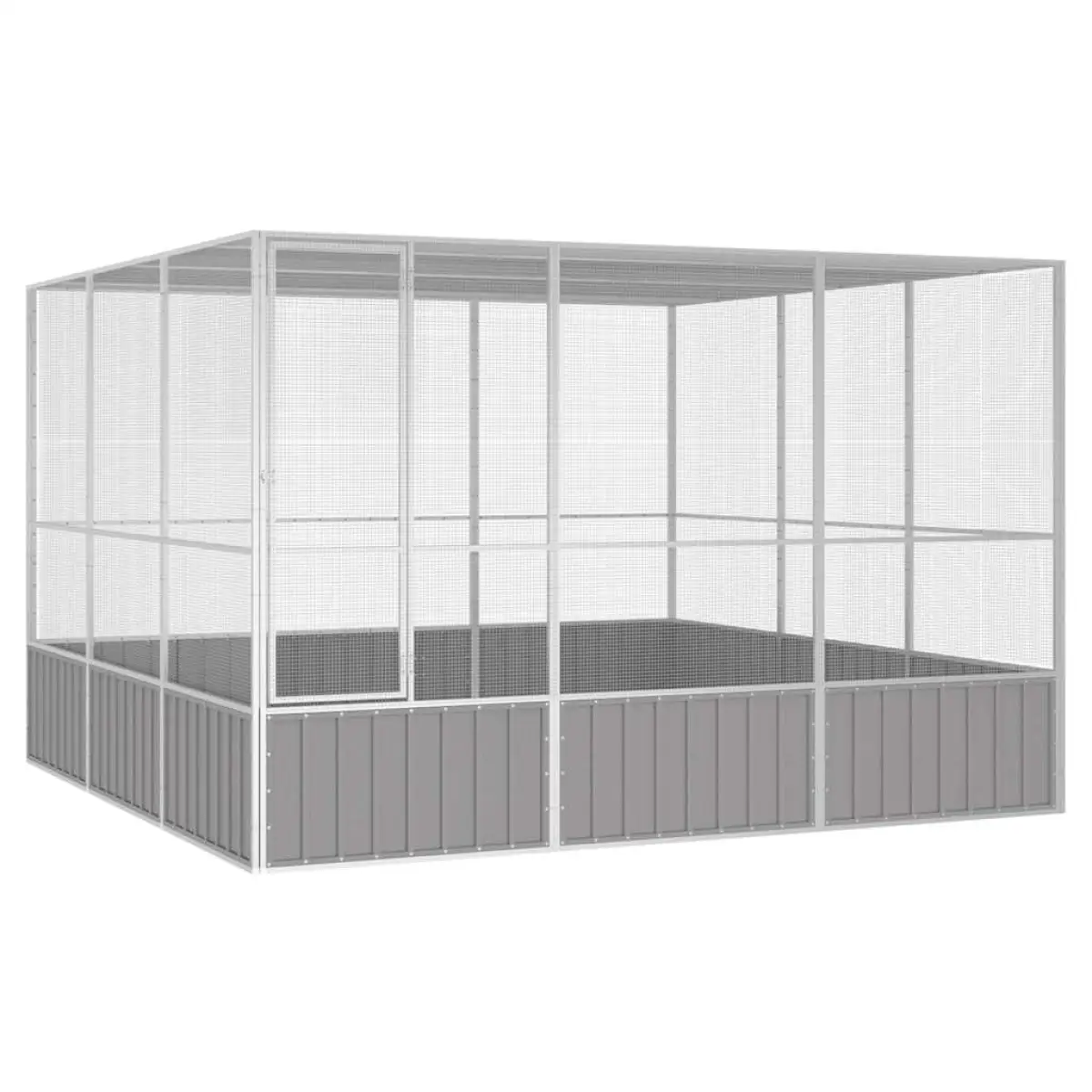
The two materials suit different jobs. Powder-coated or galvanised steel is easier to disinfect and stands up to being scrubbed repeatedly, which is why most indoor cages use it. Solid pine and fir aviaries look better in a garden setting and give birds a more natural environment, but timber absorbs moisture and will need treating with a bird-safe preservative every year or so.
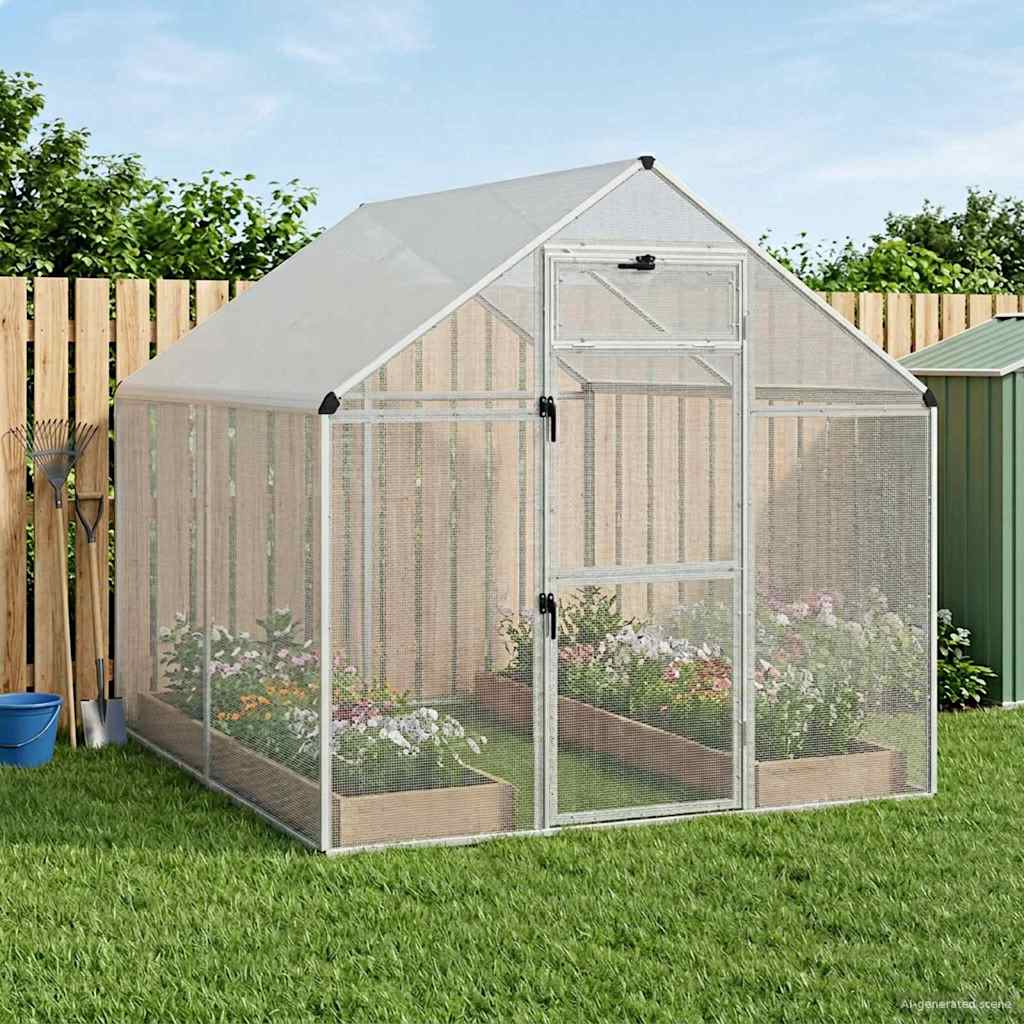
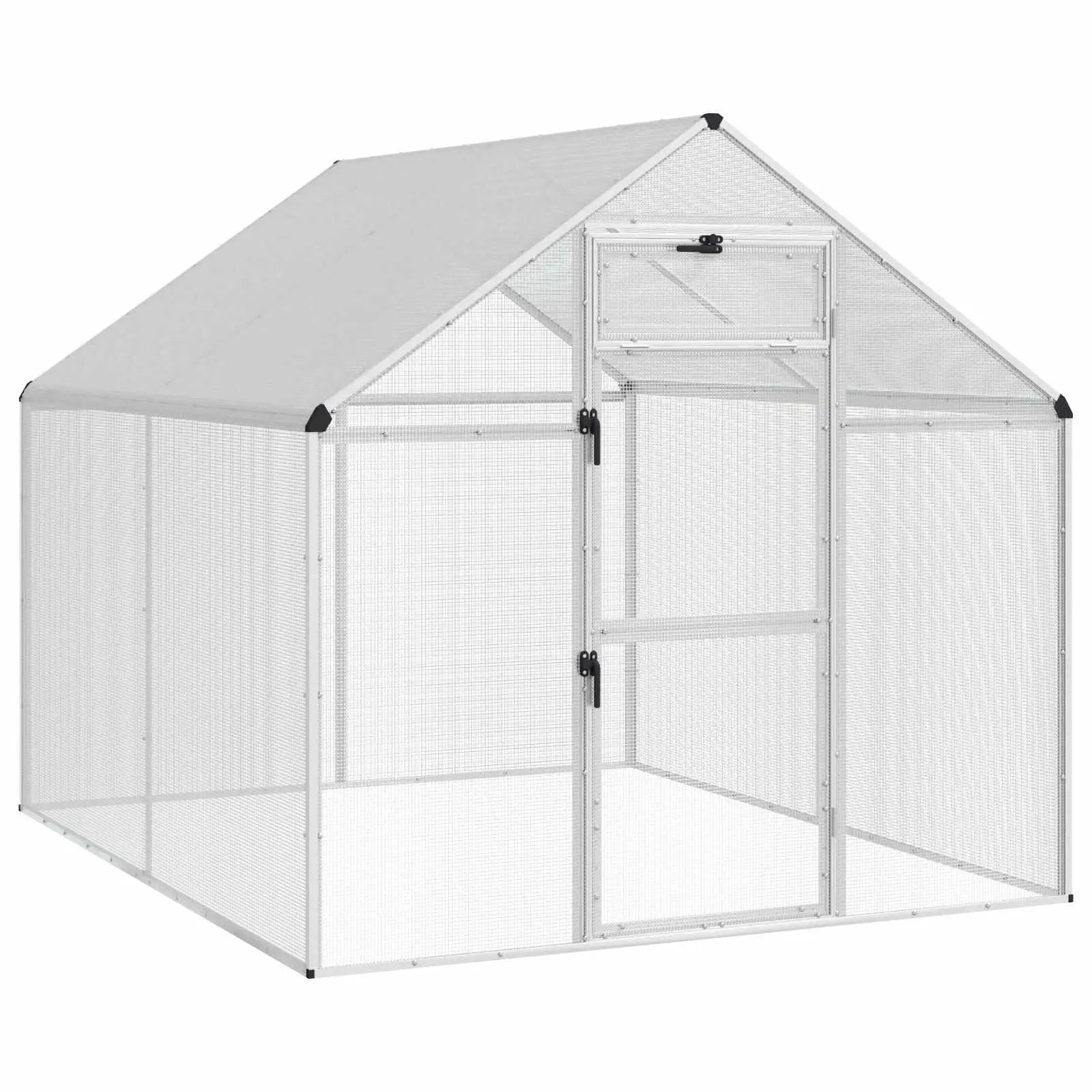
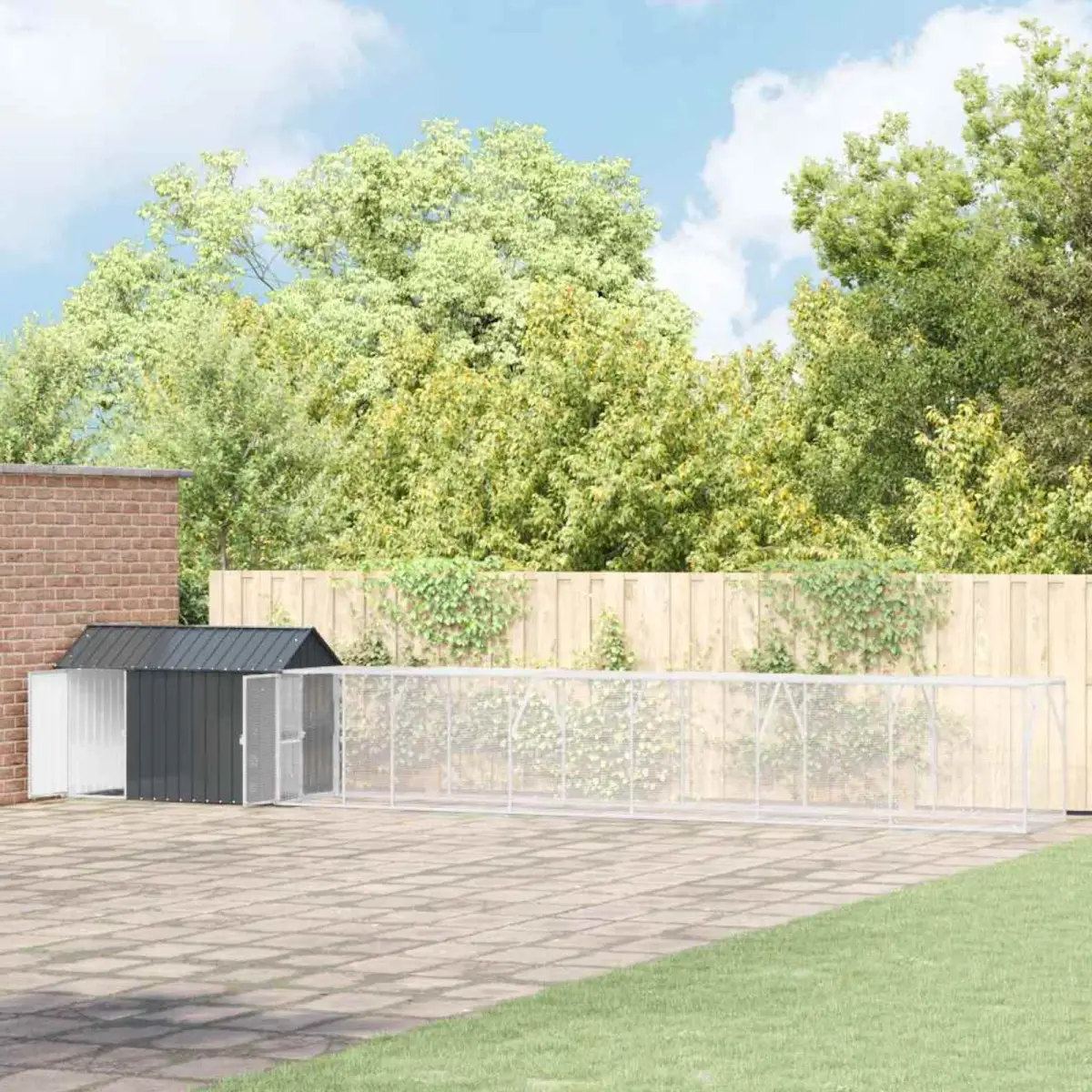
If you're putting an aviary outdoors, think about wind direction and shelter. Birds need a section they can retreat into that's dry and out of the prevailing weather.
Where to position an indoor cage
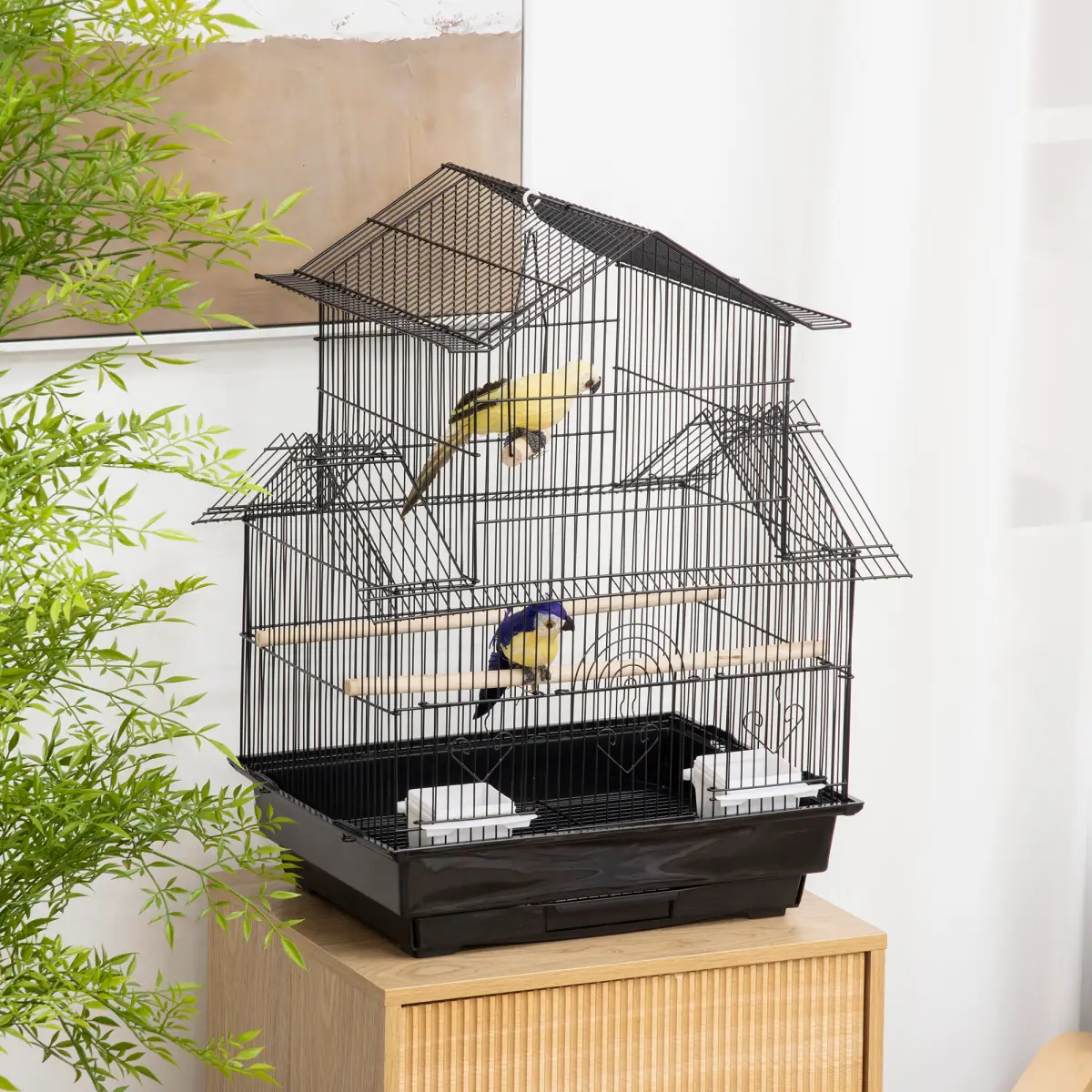
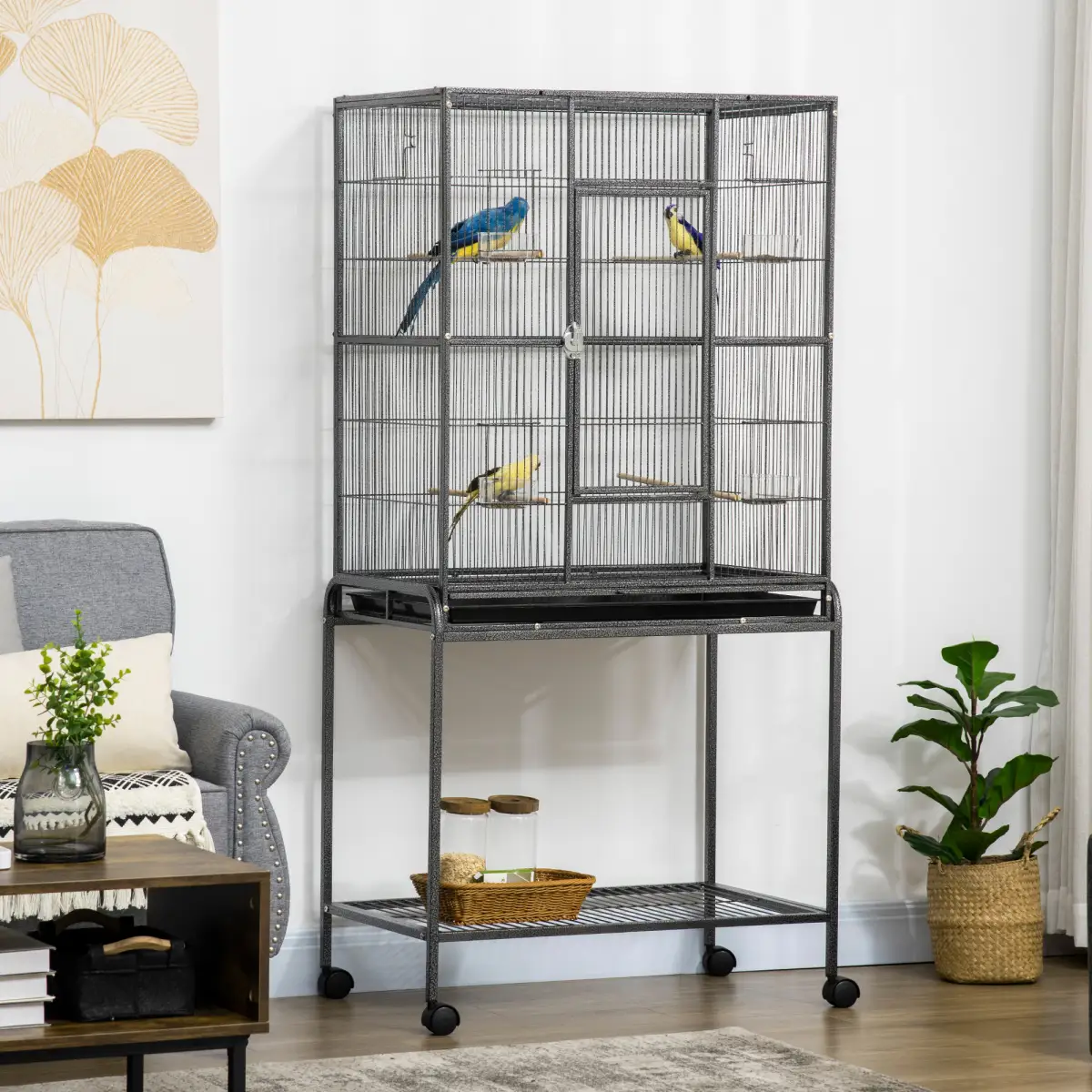
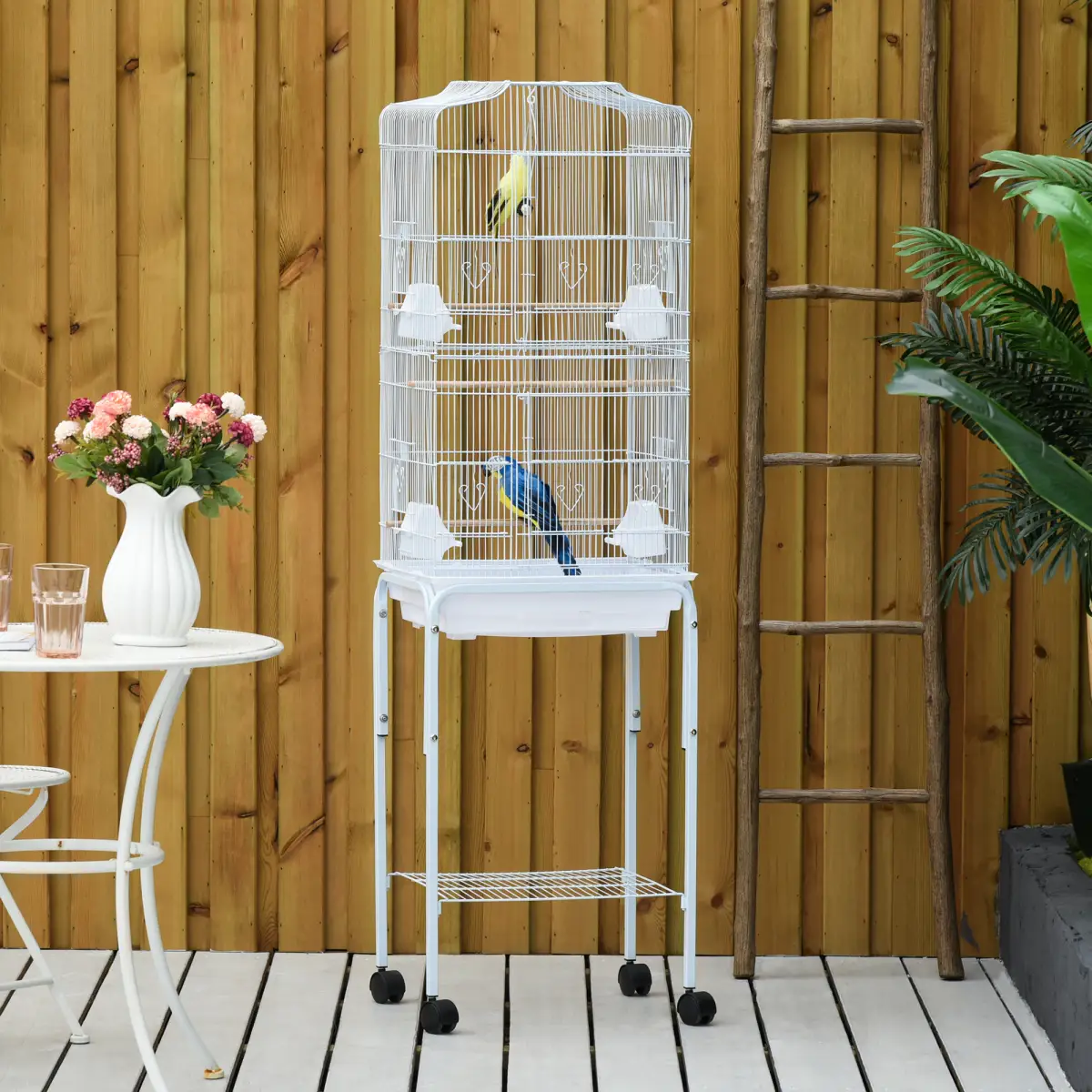
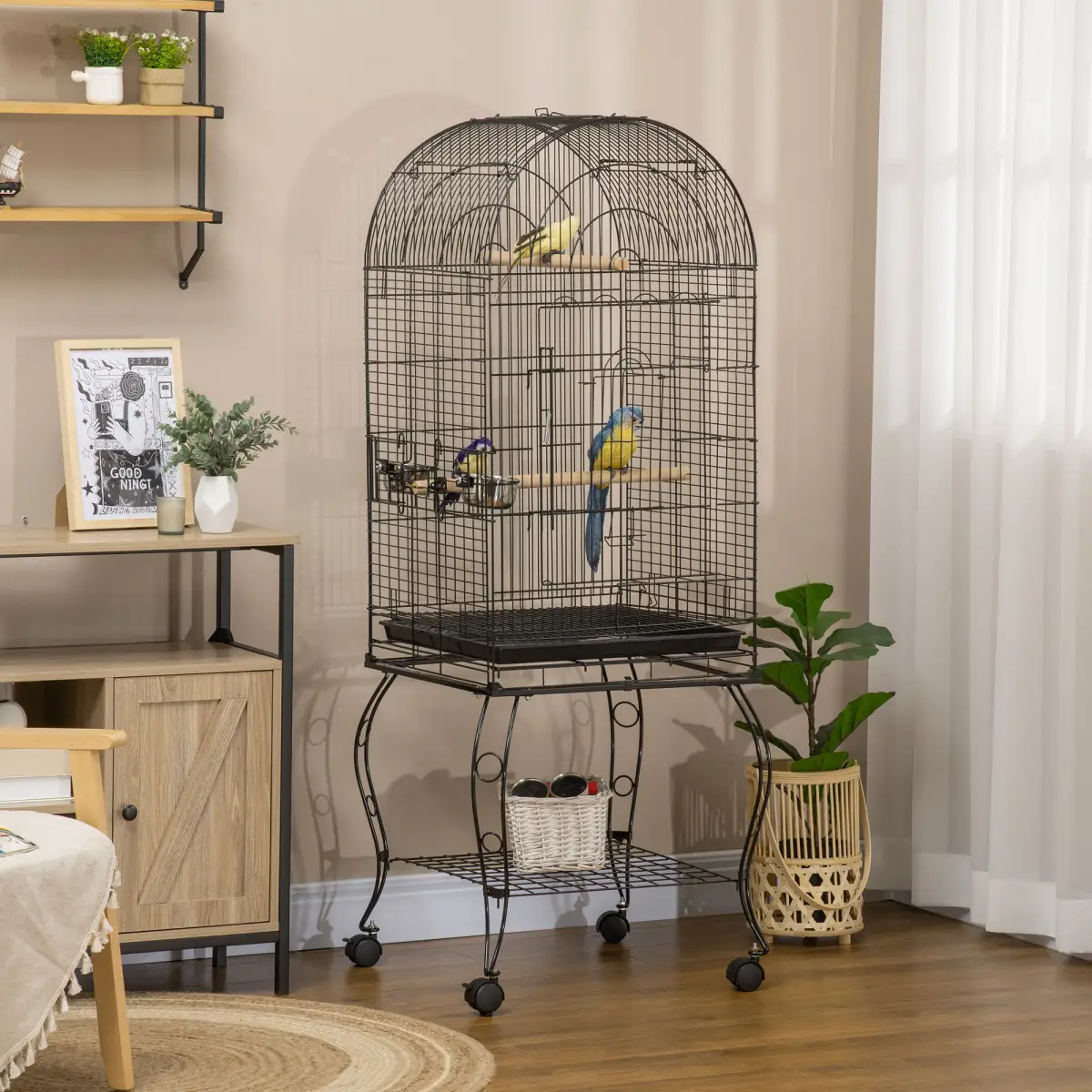
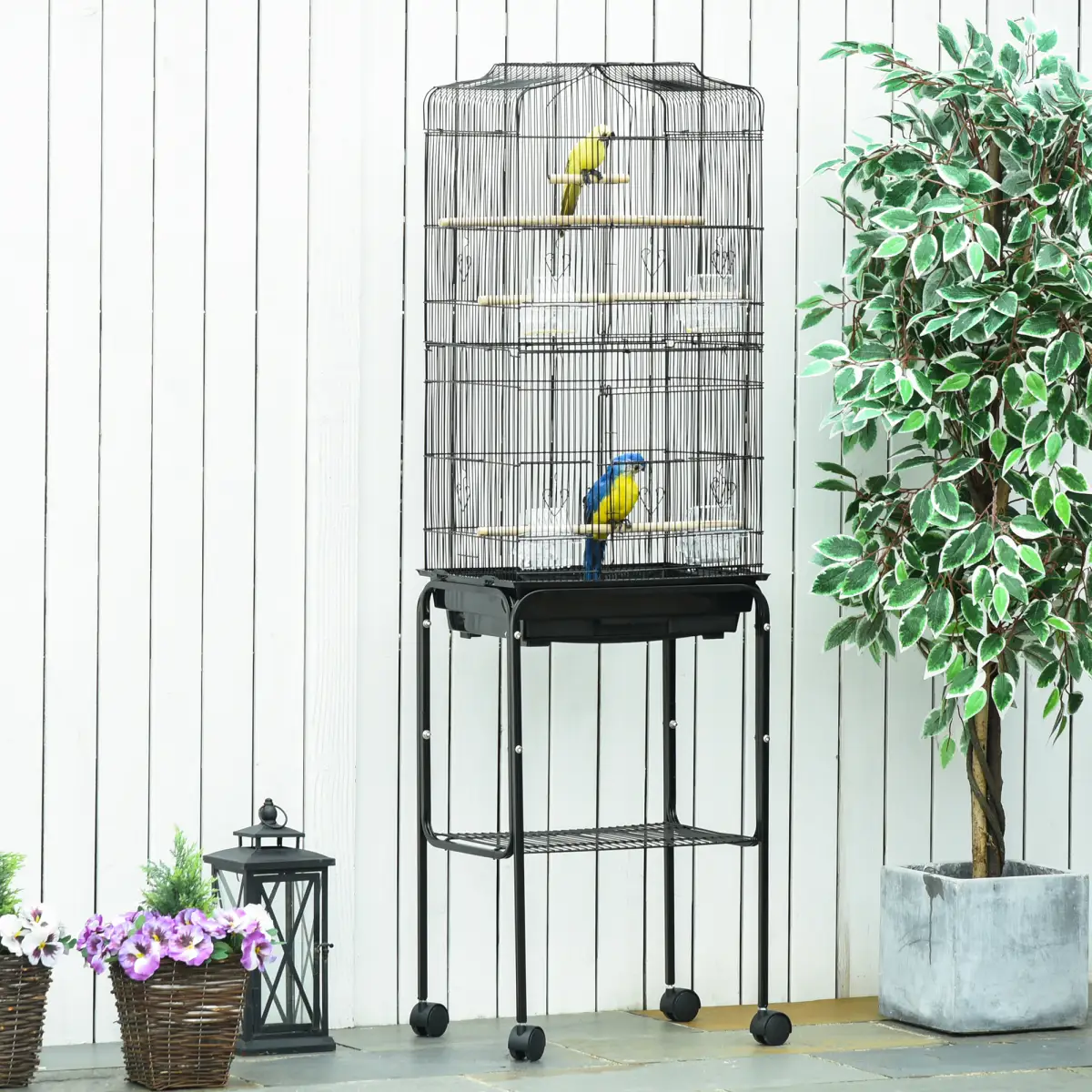
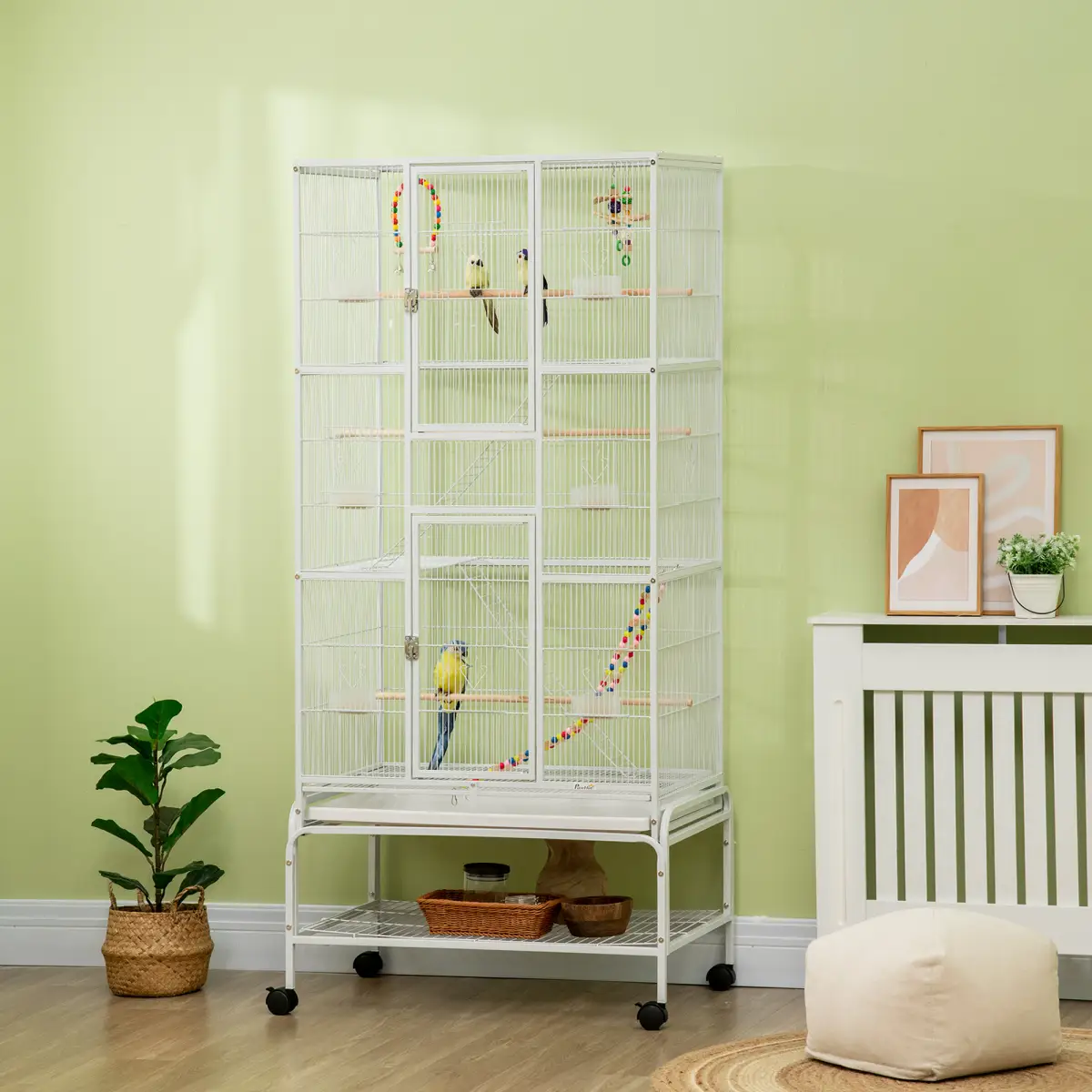
Somewhere with activity nearby, but not in the middle of it. Birds are social and get stressed when isolated, though a cage right beside a television or a busy doorway is unsettling in a different way. Avoid kitchens entirely, since fumes from non-stick pans can be fatal to birds.
Keep the cage away from direct radiator heat, draughty windows and anywhere in full afternoon sun. Backing one side against a wall gives birds a sense of security rather than feeling exposed on all sides.
Cleaning routine
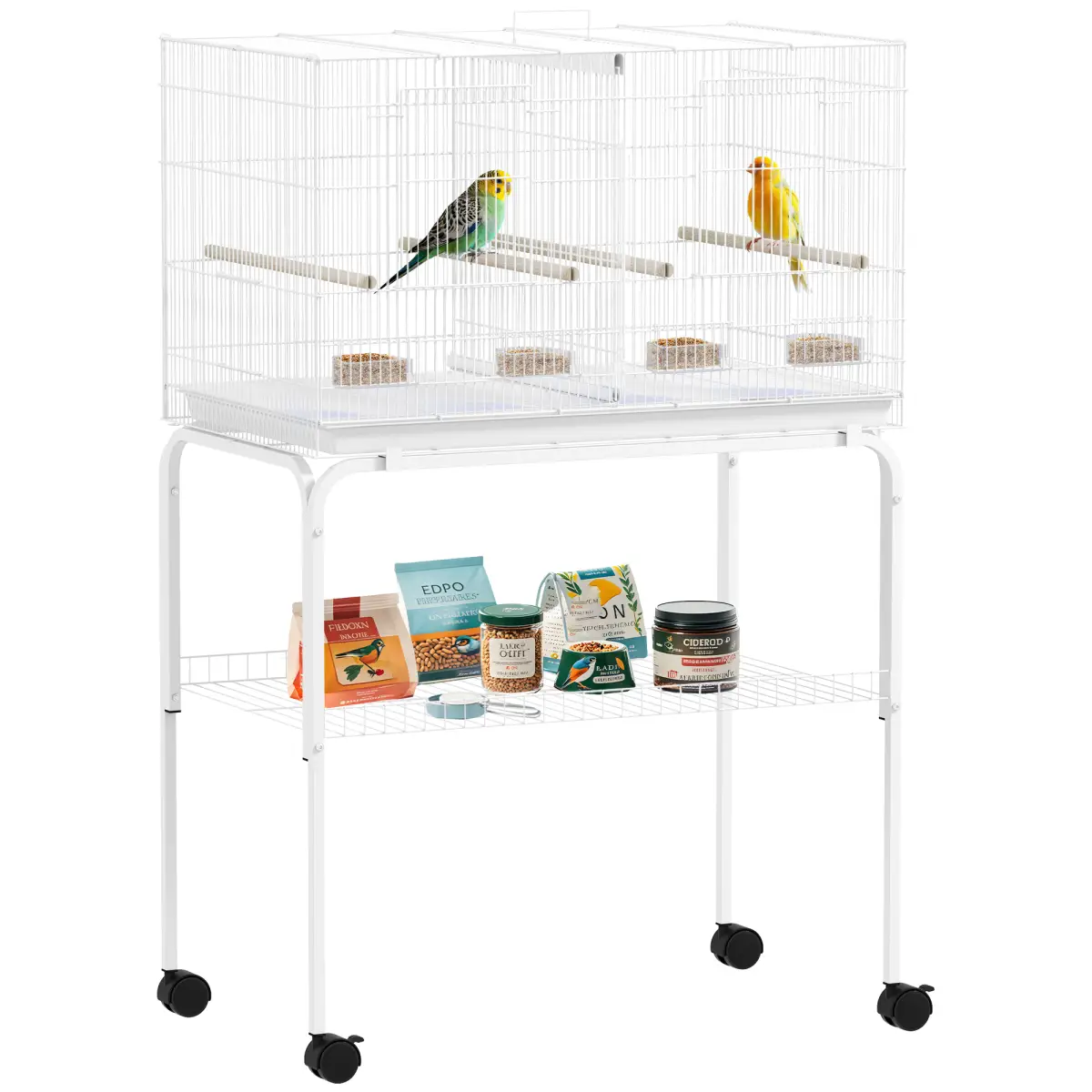
A slide-out tray makes daily work simple. Line it, change the lining each day, and give perches and bowls a proper wash weekly. A full clean of the bars and tray with hot water and a bird-safe disinfectant every couple of weeks keeps things under control. Rinse everything thoroughly and let it dry before the bird goes back in.
Delivery and returns
All orders ship free to UK mainland addresses, excluding Northern Ireland, with dispatch within 3 to 5 working days and no hidden fees at checkout. Larger aviaries arrive flat packed on a pallet or in multiple boxes, so make sure someone's available to take delivery. Change-of-mind returns are accepted on unused items in original packaging, with the return postage covered by you. Anything faulty or damaged on arrival is handled separately, so get in touch and we'll put it right.