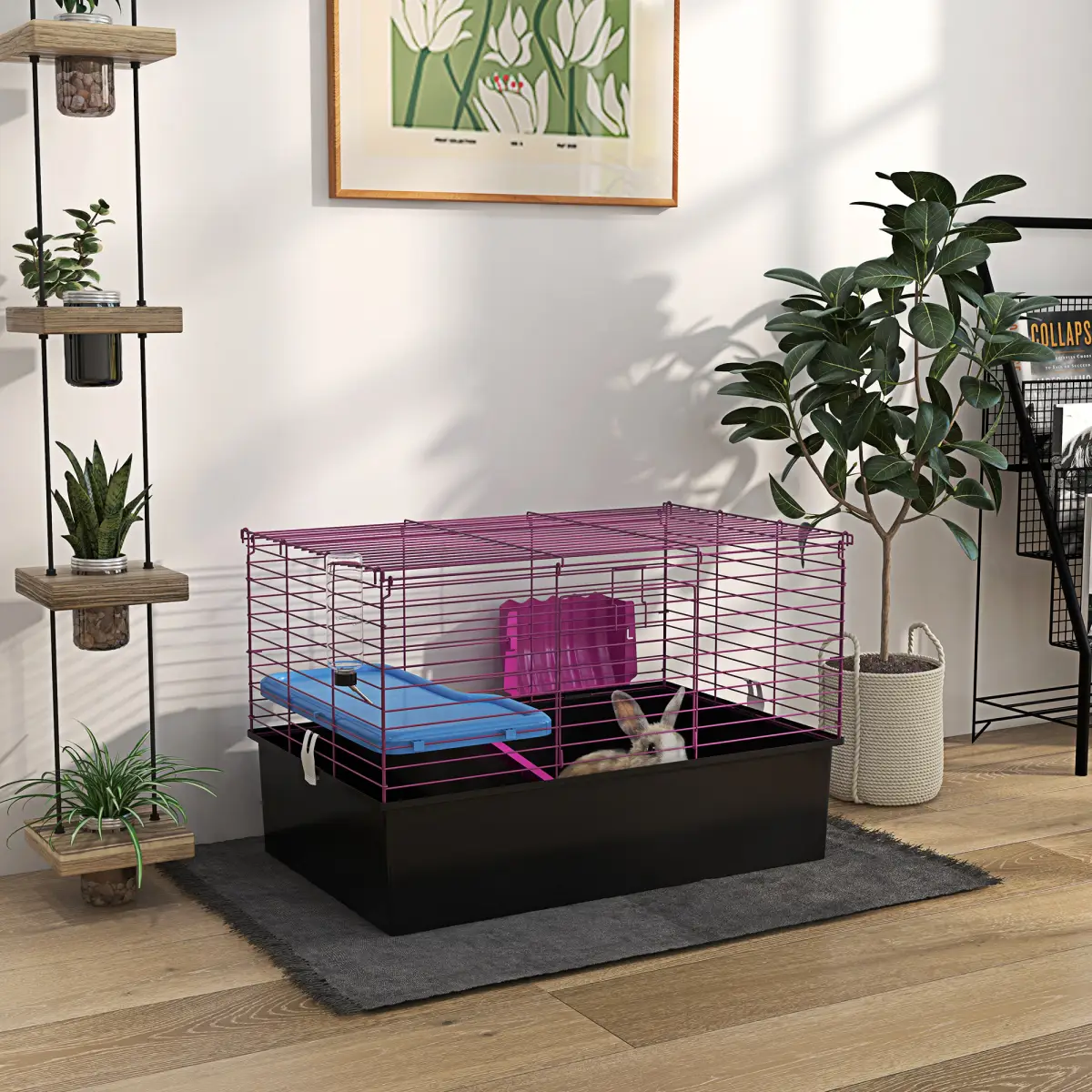
Every autumn, a lot of rabbit owners have the same conversation. The nights are drawing in, the garden hutch looks a bit bleak, and someone asks whether the rabbits should come inside for winter.
It can work really well. Indoor rabbits get more company, you can keep a closer eye on them, and nobody has to defrost a water bottle at 7am in January. It goes best when it's planned, though, rather than done in a rush on the first frosty night. Here's how we'd approach it, one stage at a time.
Stage one: decide early, then stick with it
Rabbits that live outside grow a thicker coat as the weather cools. If they're brought into a warm house and then put back out during a cold snap, that change can be hard on them. So it makes sense to decide in autumn whether they're coming in for the whole season, rather than moving them back and forth as the forecast changes.
If your rabbits are older or have any health problems, or you're simply not sure, have a quick word with your vet first. They know your rabbits and can tell you what suits them.
Stage two: plan the space before you buy anything
This is the part people underestimate. The Rabbit Welfare Association recommends a living area of at least 3m by 2m and 1m high. The hutch is the shelter inside that space, not the whole home, and that applies indoors just as much as outdoors.
Most indoor setups combine two things:
- A hutch or indoor house where they sleep, eat hay and feel safe
- A bigger exercise area around it, made from pen panels or a rabbit-proofed room
Our indoor rabbit hutches are built for the first job. Several sit on wheels, which helps when you need to clean behind them or move them away from a radiator. For the second job, DIY panel playpens are the easiest option. They clip together into a square or an L-shape to fit the room, and you can add panels later.
Choose the room with care. A spare room, a quiet corner of the living room or a utility room with natural light all tend to work. A garage is a poor choice if a car uses it, because of exhaust fumes. Conservatories are also a problem, since they overheat on bright days, even in winter.
Stage three: rabbit-proof the room
Rabbits chew. It isn't bad behaviour, it's just what they do, so check the room at rabbit height before they arrive.
- Cables. Lift them out of reach or cover them with cable protectors. This is the big one.
- Houseplants. Some common ones are harmful to rabbits, so move them out of the room.
- Skirting boards and chair legs. Chew toys and plenty of hay take the pressure off, but expect a bit of nibbling at first.
- Other pets. Cats and dogs should only meet the rabbits under supervision. The rabbits also need a hiding spot the other animals can't reach.
Keep the hutch away from radiators, fires and direct sun through a window. Rabbits cope with cool conditions far better than heat, so a room that feels slightly chilly to you is often about right for them.
Stage four: make the inside feel familiar
Rabbits like routine. The more the indoor setup mirrors what they had outside, the quicker they settle.
- Use the same bedding and hay they had in the garden hutch.
- Put a litter tray in whichever corner they pick as their toilet. Line it with paper-based litter and top it with hay, and avoid clumping cat litter.
- Keep water in the same type of bowl or bottle they're used to.
- Bring a familiar item from the old hutch, such as a cardboard hideaway, so the new space smells like home.
Most rabbits pick up litter habits quickly once they're in a smaller space. Expect a few accidents in the first week. A washable mat or vinyl sheet under the pen makes those much easier to deal with.
Stage five: the first fortnight
For the first few days, keep things quiet. Let them explore the pen before you give them a larger area. Keep visitors, loud TVs and curious children to a minimum while they get their bearings.
Watch their eating and toileting closely. A rabbit that stops eating, or produces fewer droppings than usual, needs a vet quickly, whether it has just moved or not. This isn't something to wait and see on.
If you keep a pair, move them together. Rabbits are social animals, and splitting up a bonded pair during a move adds stress for both of them.
Stage six: through the winter
Once they're settled, daily care is easier than outdoor care in many ways. There's no frozen water and no soggy bedding, and you'll spot changes in behaviour much sooner.
Keep the routine going:
- Spot clean the litter tray daily, and do a full change once or twice a week.
- Refresh the hay every day, since it makes up most of their diet.
- Give them time outside the pen every day, ideally in a larger rabbit-proofed area.
- Make sure they get some daylight. A dark corner all day doesn't suit them.
What about going back out in spring?
If they're returning to the garden, wait until the nights are reliably mild. Then build up gradually: short daytime spells in a secure run at first, bringing them in at night. Check the outdoor hutch before they move back, because a damp winter can damage the roofing felt and floor panels.
The short version
Decide early, and keep them in for the whole season. Plan the full living space, not just the hutch. Rabbit-proof at floor level, especially the cables. Keep them cool rather than warm. Call your vet if their eating or toileting changes.
If you're still choosing a hutch, our guide to what your bunny actually needs from its home goes into sizes and features in more detail.
Delivery and returns
Delivery is free on every order to UK mainland addresses, and orders arrive within 3 to 5 working days. There are no hidden fees, so the price at checkout is the price you pay. If you change your mind, you're welcome to send your order back, though return postage on no-fault or change-of-mind returns is paid by the customer. If anything arrives faulty or damaged, get in touch and we'll put it right.