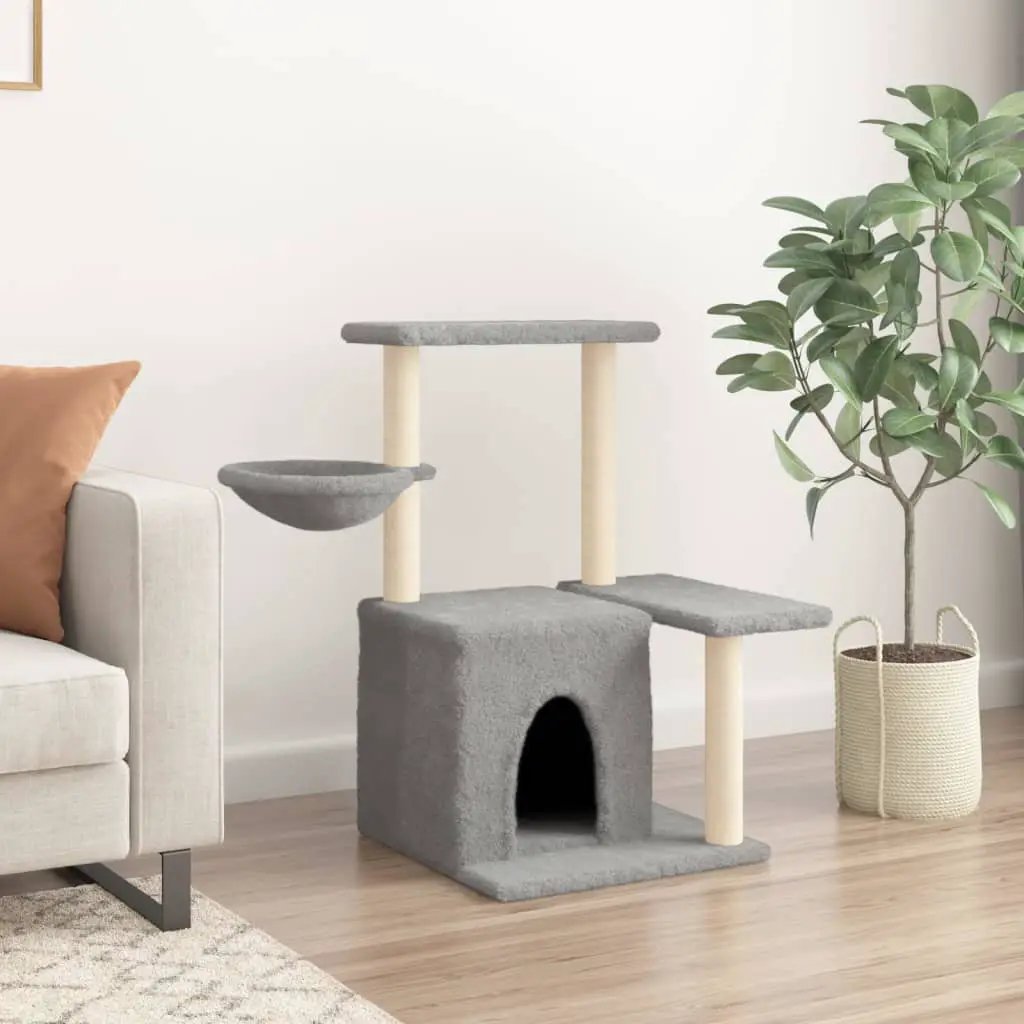
Plenty of cat trees get bought, built and then ignored. The usual assumption is that the tree was wrong, and sometimes it is. More often the tree is fine and it's standing in the wrong part of the house.
Cats choose where they rest based on what they can see, how warm it is and how easily they can get away if something startles them. A tall tree in a dead corner ticks none of those boxes. The same tree by a window in a room the family actually uses gets climbed on daily.
Here's how the rooms usually break down.
The living room
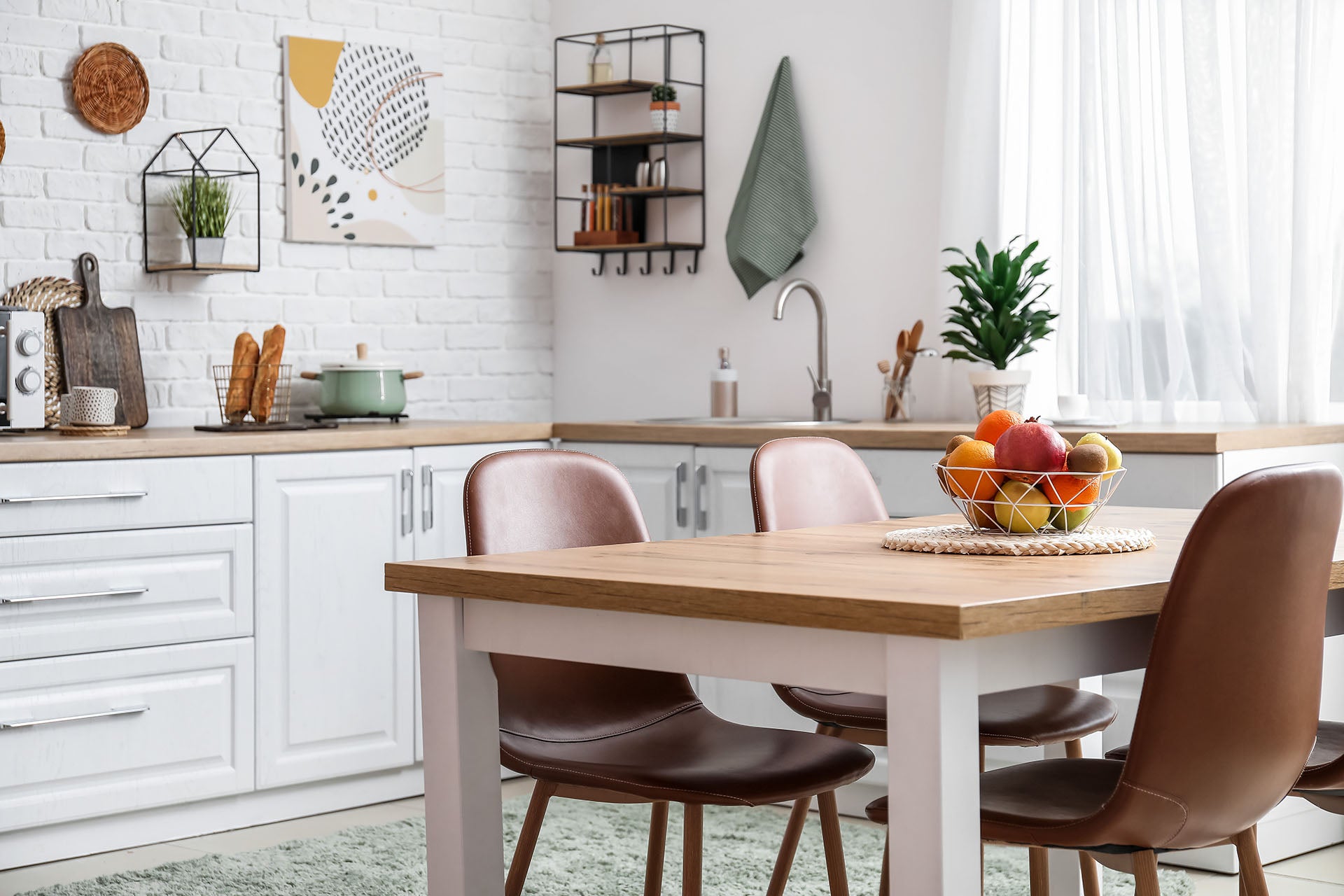
This is where most trees end up, and it's normally the right call. It's the busiest room, it's warm, and cats generally want to be near their people even when they're pretending otherwise.
The best position is by a window with a view of something that moves. Birds, a road, a garden with foxes crossing it after dark. That view does more for a cat's interest in the tree than any number of hammocks.
Two things to avoid. Directly above a radiator is a bad spot, because a plush perch parked over a heat source gets uncomfortable in winter and the fabric can discolour. And immediately behind a door that swings open is worse, since one bang while the cat is asleep on the top perch can put it off the tree for good.
The bedroom
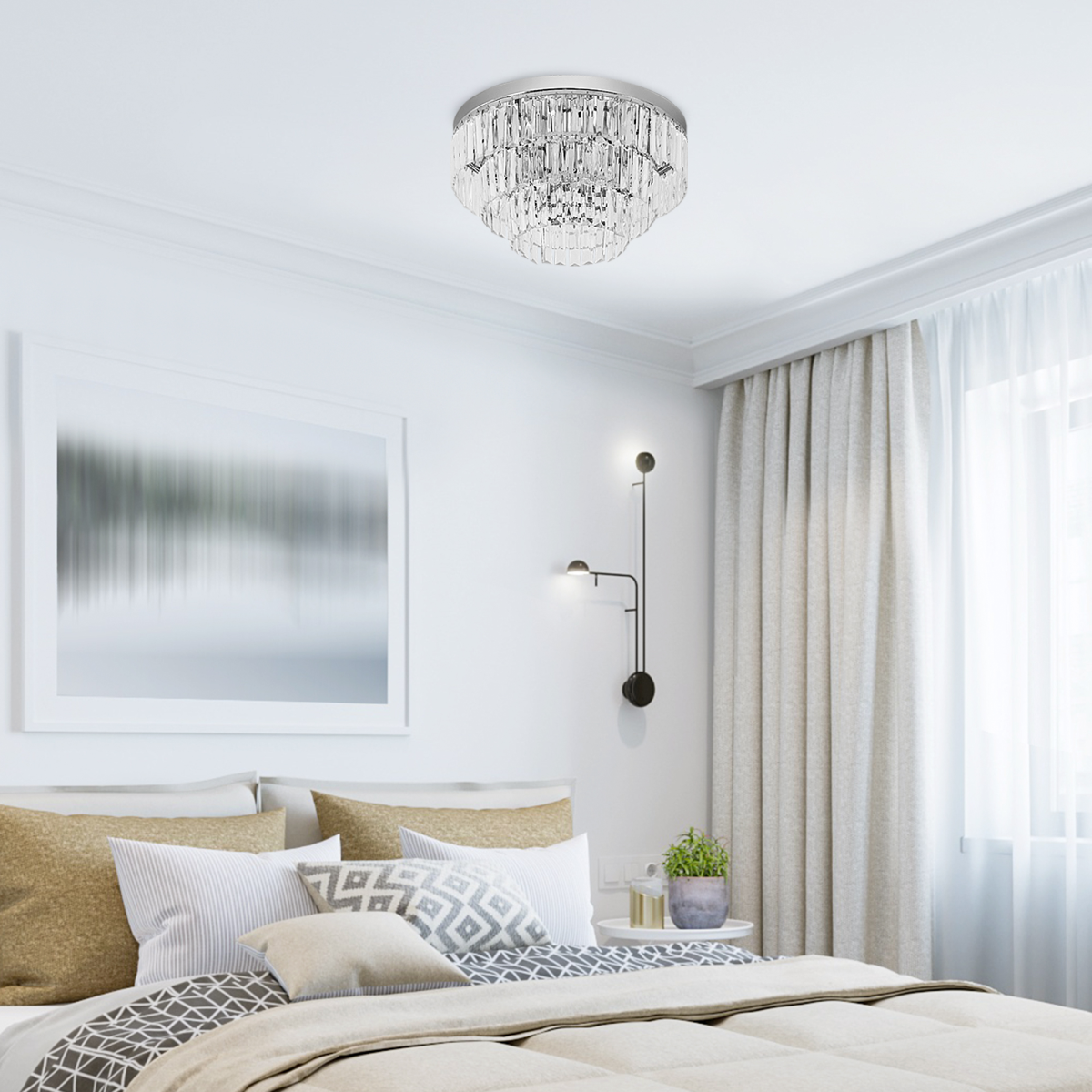
Underrated. Bedrooms are quiet, warm and full of your smell, which is exactly what a cat looks for in a sleeping spot.
A shorter tree with an enclosed condo works better here than a tall climbing frame, because the room isn't where the cat wants to be active. A compact tower at the foot of the bed or under the window is usually enough.
If a cat is already sleeping on your bed and you'd rather it didn't, a tree in the same room gives it an alternative that isn't a demotion. Placing it somewhere with a similar view of the door helps.
The hallway
Hallways look like wasted space begging for a cat tree, but they're often a poor choice. Too much traffic, too many doors, and rarely a window.
The exception is a wide hallway with a window on a landing, which can be one of the best spots in a house. Cats like elevated positions overlooking a route people use, and a landing gives them that.
The home office
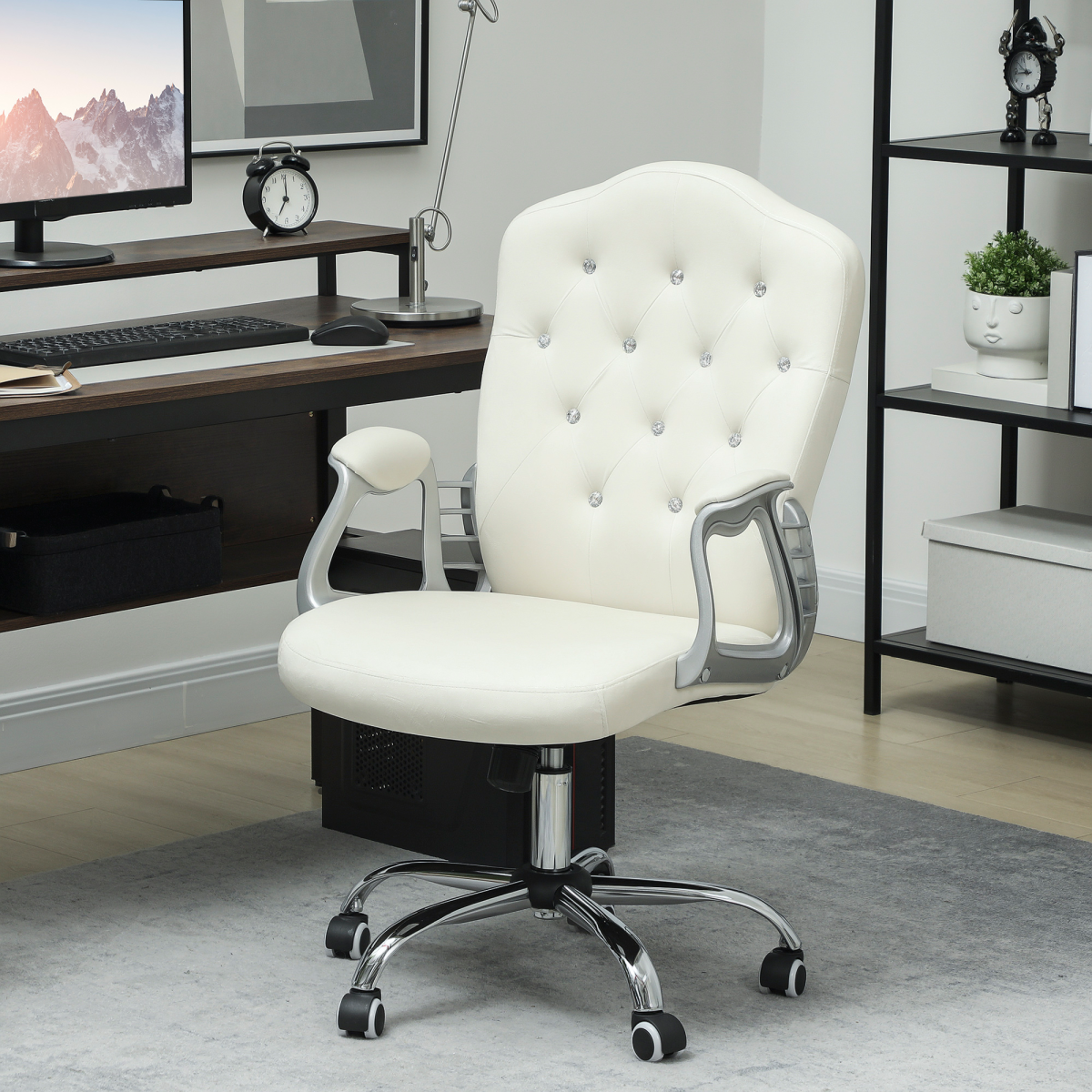
If you work from home, a tree next to the desk keeps a cat off your keyboard. That's not a small thing.
The trick is height. A perch level with your desk or slightly above it is more attractive to a cat than one at floor level, because it puts them where they want to be, which is roughly in the middle of whatever you're doing. Something around 100cm to 140cm tends to hit that mark.
Small flats and no floor space
If there's no corner to give up, go vertical. The floor to ceiling trees in the Bossy Cat range brace between floor and ceiling and come with an anti-slip kit, so they take up very little footprint while giving a cat several metres of climbing. Models run up to 260cm, which covers most standard UK ceiling heights, though it's worth measuring first because older properties often run higher.
There's also a wall mounted design at 194cm, and corner wall scratchers, both of which keep the floor clear entirely. For renters, check your tenancy before fixing anything to a wall. A tensioned floor to ceiling tree usually avoids the problem, since it doesn't need drilling.
Getting a cat to use a tree it has ignored
Don't dismantle it yet. Try moving it first.
Shift it closer to a window, or into the room the cat already spends most of its time in. Put something that smells of the cat on the top perch, a blanket it sleeps on rather than a new one. Rub a little catnip into the sisal. Play near the base rather than on it, so the cat climbs of its own accord.
Give it a fortnight in the new spot before deciding. Cats are slow to accept new furniture and quick to accept it once they have.
One more thing about stability
Wherever it goes, a tree that wobbles won't get used properly. Cats test a structure before committing to it, and one that moves under their weight gets treated as unsafe from then on.
Set up on a level, firm floor rather than a thick rug, tighten everything fully, and use the anti-tip fixings where they're supplied.
Delivery and returns
Free delivery on all orders to UK mainland addresses, dispatched within 3 to 5 working days, with no hidden fees at checkout. If you change your mind or order the wrong item, returns are welcome, though the return postage cost is yours to cover in those cases. Anything faulty or damaged is handled by the Bossy Cat team.