Most office chair advice treats reclining and ergonomics as a choice. Do you want a chair that holds you in a healthy upright posture, or one that lets you lean right back and take a breather? The honest answer, for anyone at a desk all day, is that you want both, and the good news is you don't have to pick. The best chairs do the upright support and the lie-back recline, and they do each properly.
The trick is knowing what "properly" looks like, because plenty of chairs claim both and deliver a soft version of neither. Here's how to judge one, and what separates a chair that genuinely does both jobs from one that just lists them on the box.
First, why you actually want both
It helps to understand what each half is for, because they solve different problems.
The ergonomic side is about your working posture. When you're leaning in, typing, concentrating, you want your spine held in its natural curve, your feet flat, and your arms level. That's what stops the back and neck ache building over a long day. The reclining side is about the breaks in between. Sitting bolt upright for eight straight hours is its own kind of strain, and being able to lean back, open out your hip angle and let your spine decompress for a few minutes is genuinely good for you. It takes the load off, gets the blood moving, and you come back to the desk fresher.
So a chair that only does one is only half a chair. The upright-only one punishes you when you need a rest. The lean-back-only one, without proper support, lets you slump all day. The best ergonomic reclining office chair covers both modes, and switches between them smoothly.
What makes the ergonomic half genuinely good
This is where you separate real ergonomics from marketing. Four things matter, and they're all about adjustment.
Adjustable lumbar support is the big one. You want support that curves into the small of your back and, ideally, moves up or down so you can place it exactly where your spine needs it. Seat height has to adjust so your feet sit flat and your thighs are roughly level, which every chair here does via a gas lift. Then seat depth, leaving a couple of centimetres between the seat edge and the back of your knees, so your thighs are supported without the seat digging in. And adjustable armrests, so your shoulders stay relaxed rather than hunched, with the better chairs offering 3D armrests that move in several directions. A chair that lets you set all four to your body is doing the ergonomic job. One with a fixed back and fixed arms isn't, whatever the label says.
What makes the reclining half genuinely good
A good recline is more than a backrest that flops backwards. The thing to look at is the angle and the control.
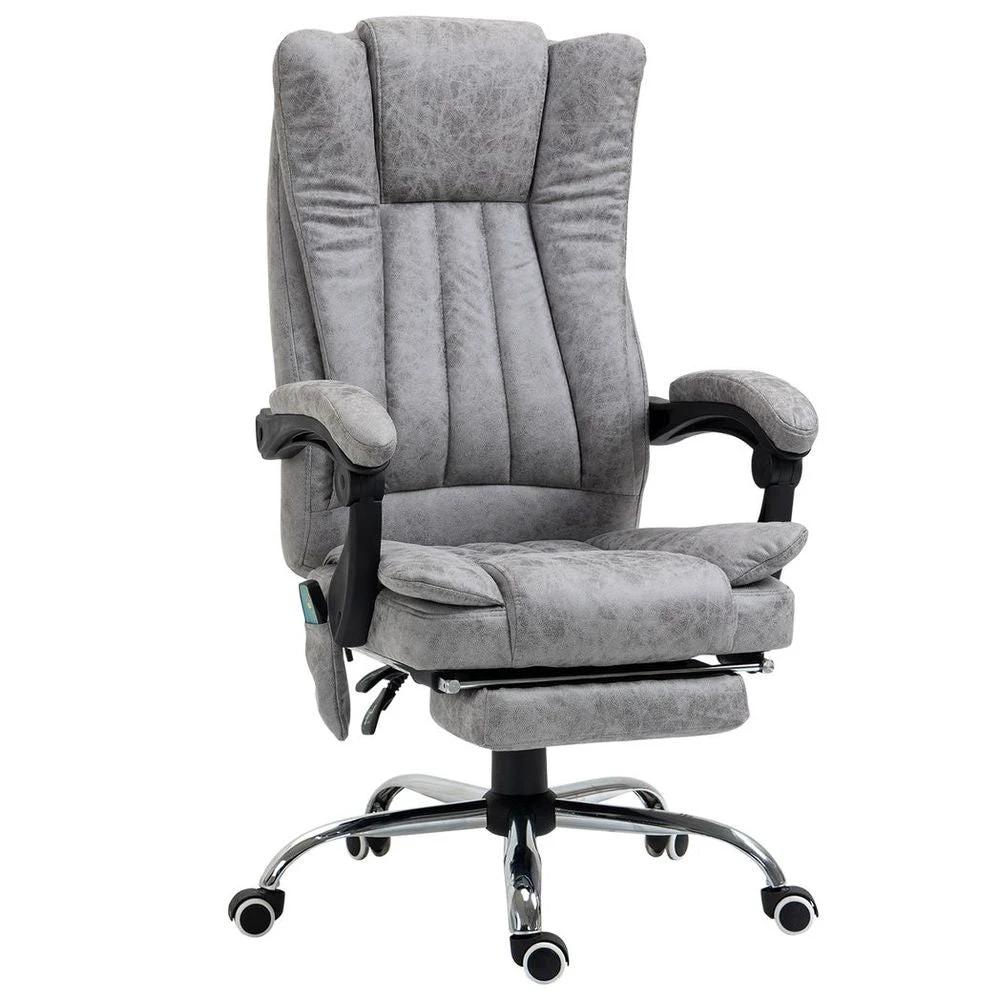
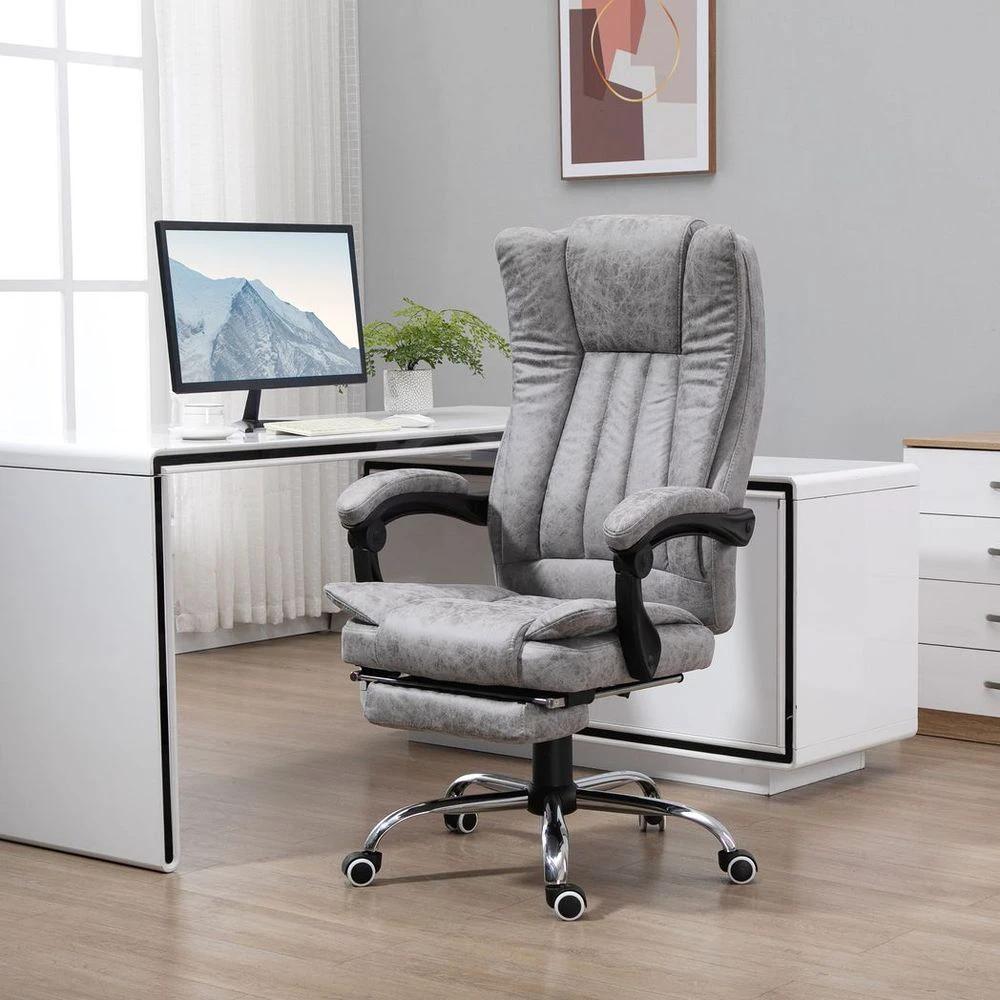
Many of the better chairs recline to around 135 degrees, which is a proper relaxed lean rather than a token tilt, and a tension control lets you set how easily the back gives, so it matches your weight instead of either resisting you or dropping away. A tilt-lock is worth having too, letting you fix the recline at a set angle rather than only rocking. And if you like to go further, some models add a headrest to support your neck when you're right back, and a pull-out footrest so you can lift your legs and take the weight off completely, which turns a five-minute break into a proper reset.
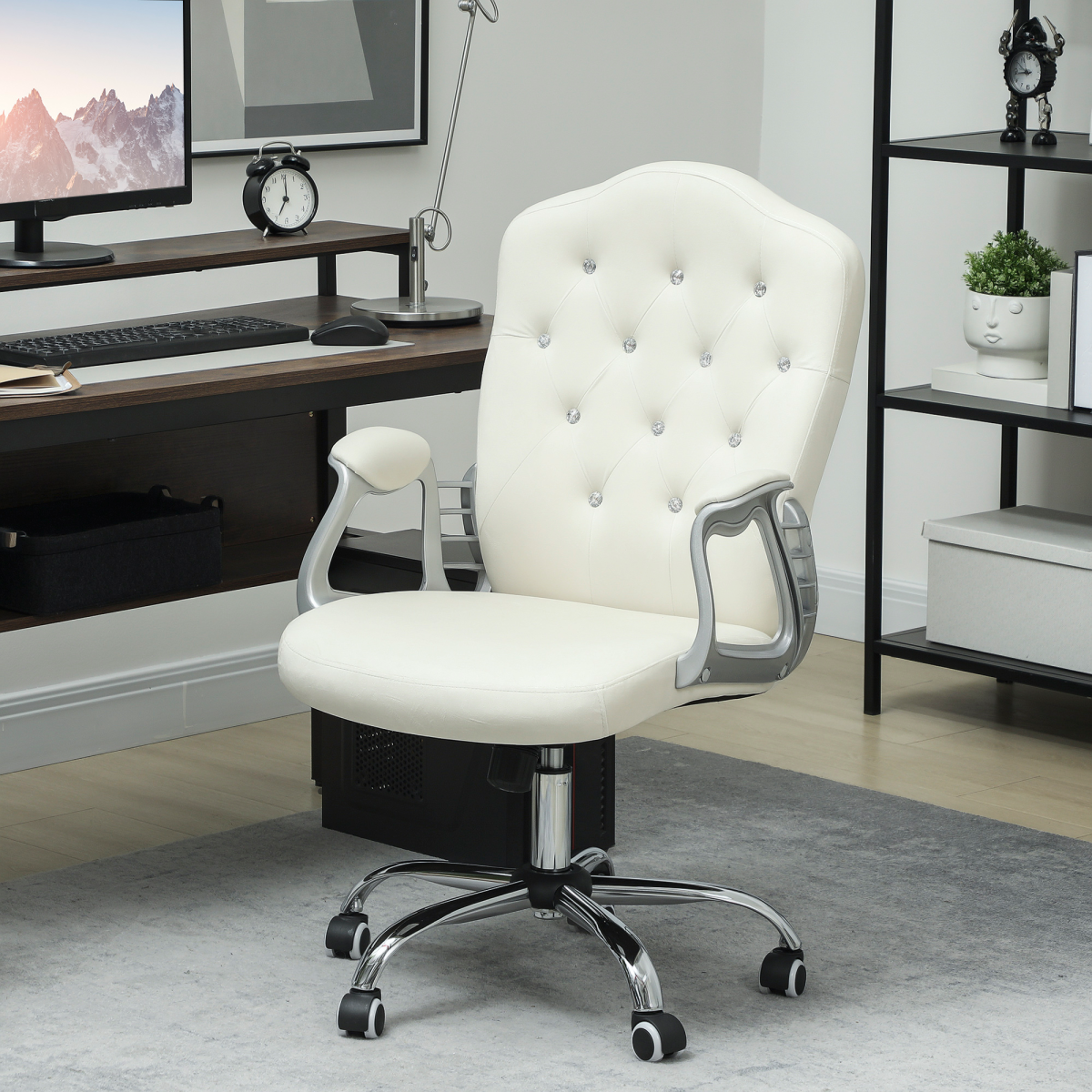
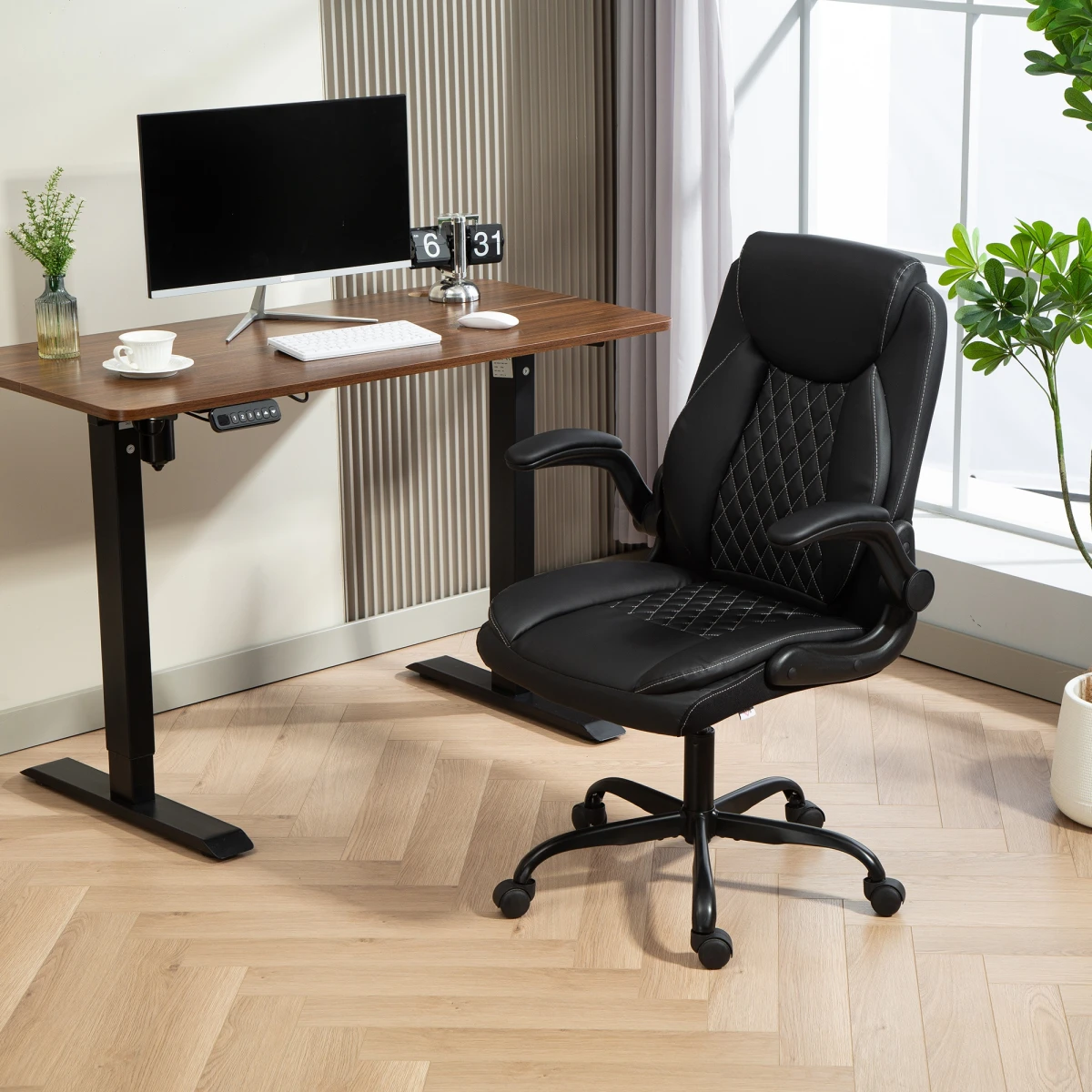
The chairs that combine all this, the mesh-backed ergonomic models with a 135 degree recline and 3D arms, are the ones that earn the "best of both" description. You get the adjustable support for work and the genuine lie-back for rest in a single chair.
Mesh or padded for a chair that does both
This affects how the chair feels over a long day, so it's worth a thought.
Mesh backs breathe, so you don't get that hot, sweaty back after hours at the desk, and good mesh keeps its support without compressing. It suits a warm room or anyone who runs hot. Padded and leather-look chairs feel plusher and warmer, which some people prefer, and they tend to look a little more traditional in a formal home office. Both can be fully ergonomic and both can recline well, so this really is down to feel and the temperature of your room. For all-day work in a stuffy space, mesh usually wins.
Don't forget the fit for your body
The best chair in the world is only the best for you if it fits you. Check the seat height range against your own height, since a chair sized for an average frame can leave a taller or shorter person straining. Look at the weight capacity, which is typically around 120kg here, and the seat width if you need a roomier or narrower seat. A chair you can dial in to your own dimensions will always beat a fancier one you can't. This is exactly why adjustability, rather than any single headline feature, is what makes a chair genuinely ergonomic.
A note if you're still deciding between the two
If you're not sure whether you lean more towards pure ergonomic support or a chair built mainly around reclining, it's worth reading our fuller piece on choosing between a reclining and an ergonomic office chair, which walks through which suits different ways of working. This guide is for when you've decided you want a chair that does both and you're trying to pick a good one.
When you're ready to look, the ergonomic office chairs range is where the adjustable-support models live, and the reclining office chairs collection gathers the ones built around a strong lean-back. Between the two you'll find the chairs that do both well. It's worth a look at the wider home office section too if you're setting up the whole desk.
Every order comes with free delivery to UK mainland addresses, dispatch within 3 to 5 working days, and no hidden fees. Most chairs need about 30 minutes of assembly with the tools provided. If you change your mind, returns are welcome, though the return postage would be down to you in that case, while anything faulty or damaged is handled separately by the team.