If you spend most of your day at a desk, you already know the problem. You sit down fresh in the morning, and by three in the afternoon you're perched on the edge of your seat, rolling your shoulders and wondering why your lower back feels like it's been through something. A reclining office chair with a footrest won't fix bad habits on its own, but it does give you somewhere to go when sitting bolt upright stops working.
This guide walks through what actually matters when you're choosing one, so you don't end up paying for features you'll never touch.
What makes a reclining office chair different?
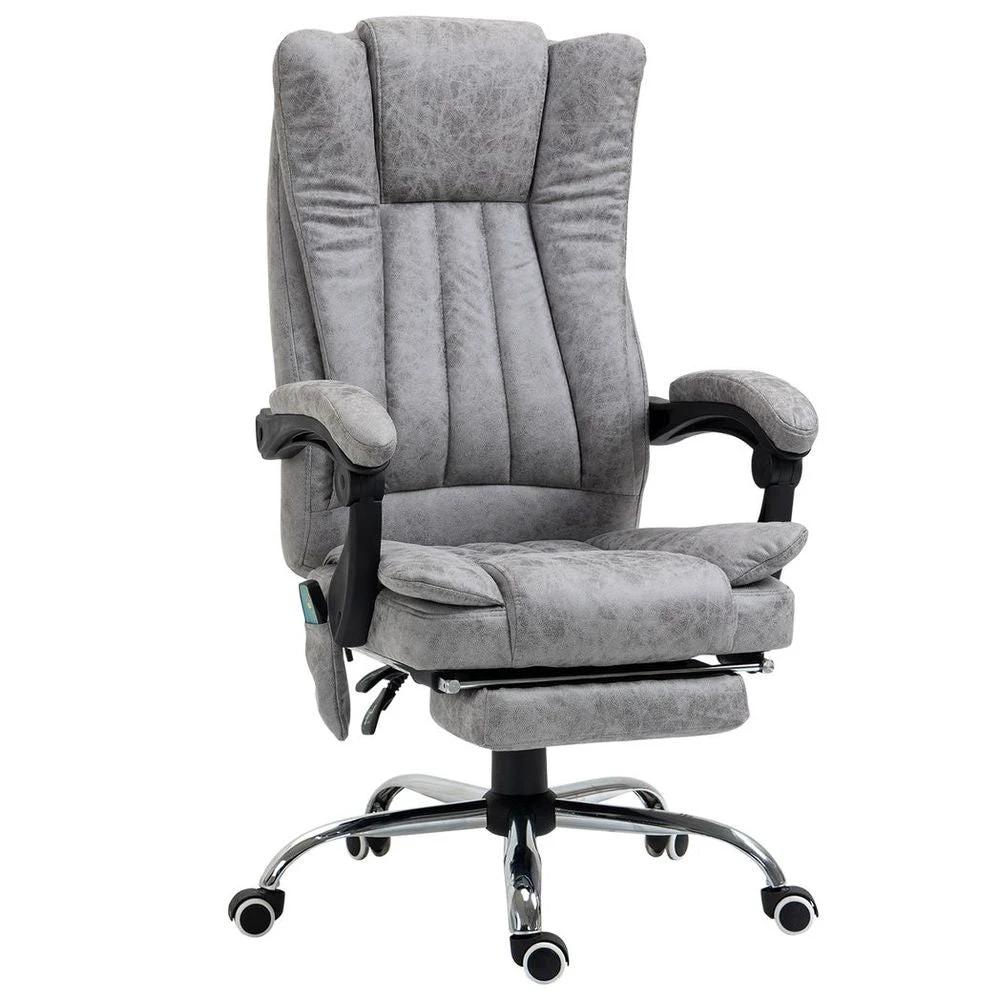
A standard office chair holds you in roughly one position. A reclining one lets the backrest tip back, usually locking at a few set angles, so you can shift how your weight sits across your spine through the day. Most chairs recline to around 135 degrees, which is a comfortable lean back without going fully flat. Some go further, up to 150 degrees or beyond, for a proper rest.
The point isn't to lie down while you work. It's to stop your body holding the same shape for eight hours straight. Staying frozen in one posture is what wears you out, even in a good chair. A recline gives you an easy way to break that up.
Why the footrest matters more than you'd think
Here's the part people underestimate. When you lean back and lift your feet, you take a real chunk of pressure off your lower back and get the blood moving in your legs again. That's why a footrest turns a reclining chair from a nice-to-have into something you genuinely use on a bad day.
You don't need it out all the time. In fact, you shouldn't work at a keyboard with your feet up and your chair tipped right back. But for phone calls, reading, or a five-minute breather between tasks, popping the footrest out and leaning back does more for a stiff back than most people expect.
Built-in or retractable? The two footrest types
There are two ways a footrest tends to work, and it's worth knowing which you're getting.
Built-in footrests flip out automatically as you recline. They're the easy option because there's nothing extra to do, but they add a bit of bulk to the front of the chair, so keep that in mind if your desk space is tight.
Retractable footrests slide out manually when you want them and tuck away when you don't. They keep the chair looking neater and take up less room, though you have to remember to pull them out yourself. Neither is better across the board. It comes down to whether you'd rather have convenience or a slimmer footprint.
Gaming style or executive style?
Reclining chairs with footrests mostly land in one of two camps.
Gaming-style chairs, like the racing-seat designs from HOMCOM and Vinsetto, recline a long way back and almost always come with a footrest as standard. The high back supports your whole spine, and they're built for long sessions. You don't have to be a gamer to want one. Plenty of people buy them purely for the comfort and the footrest, and just live with the racing look.
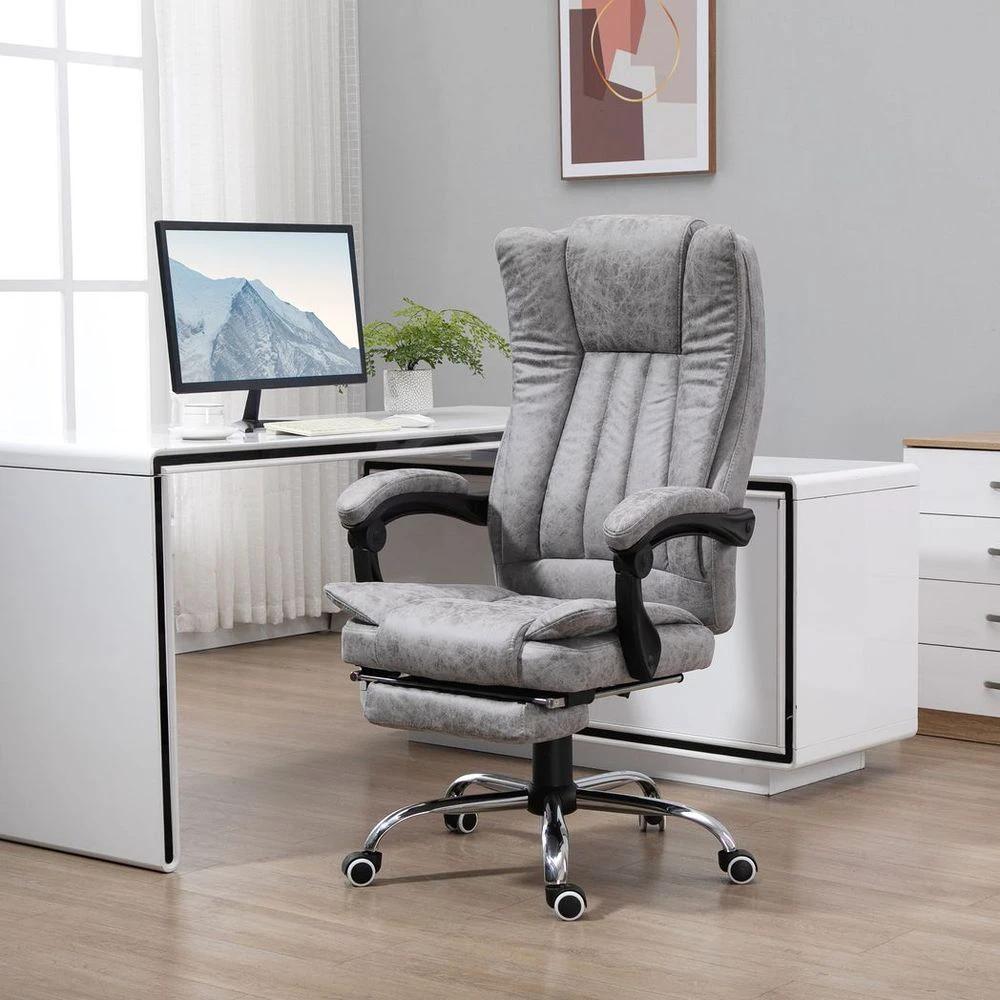
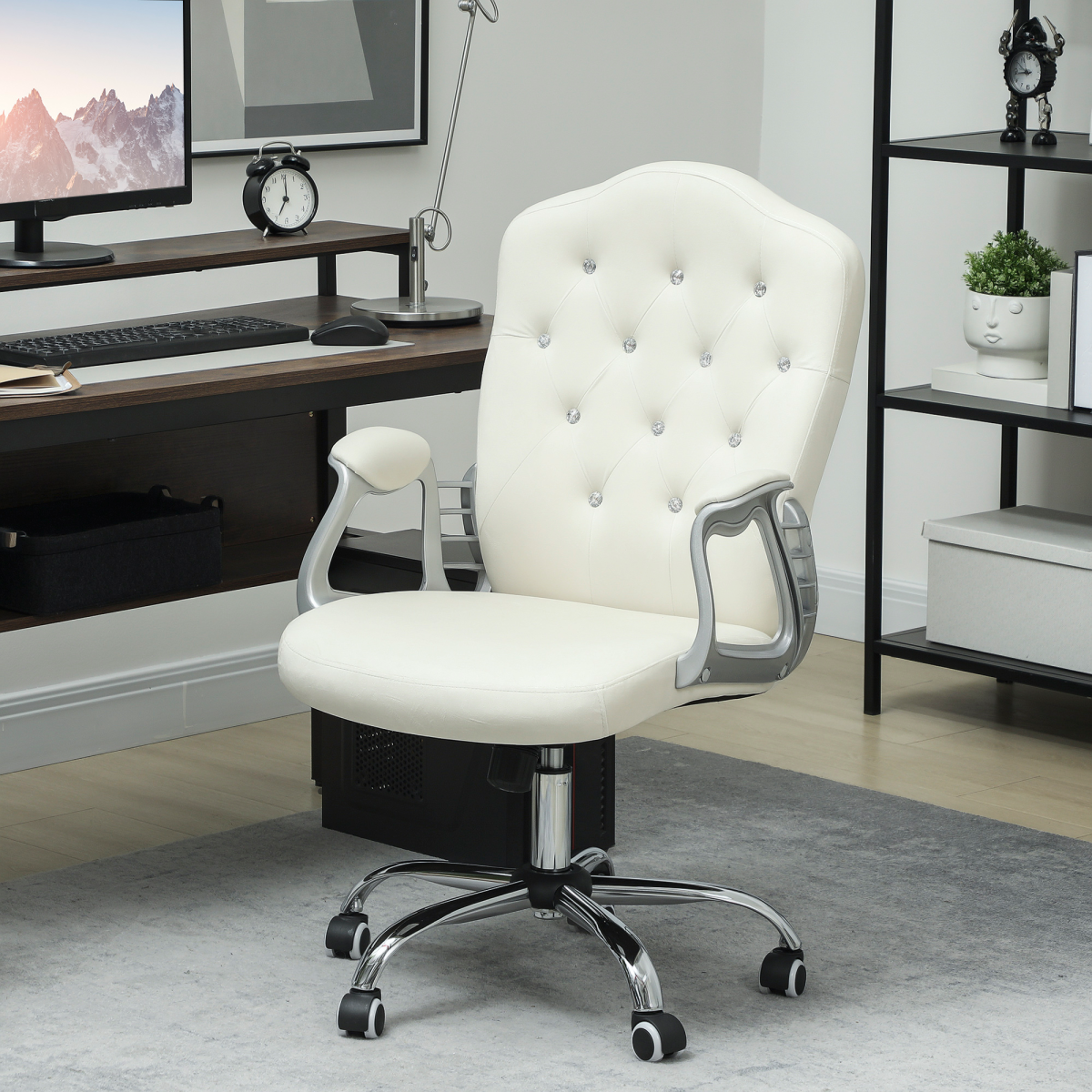
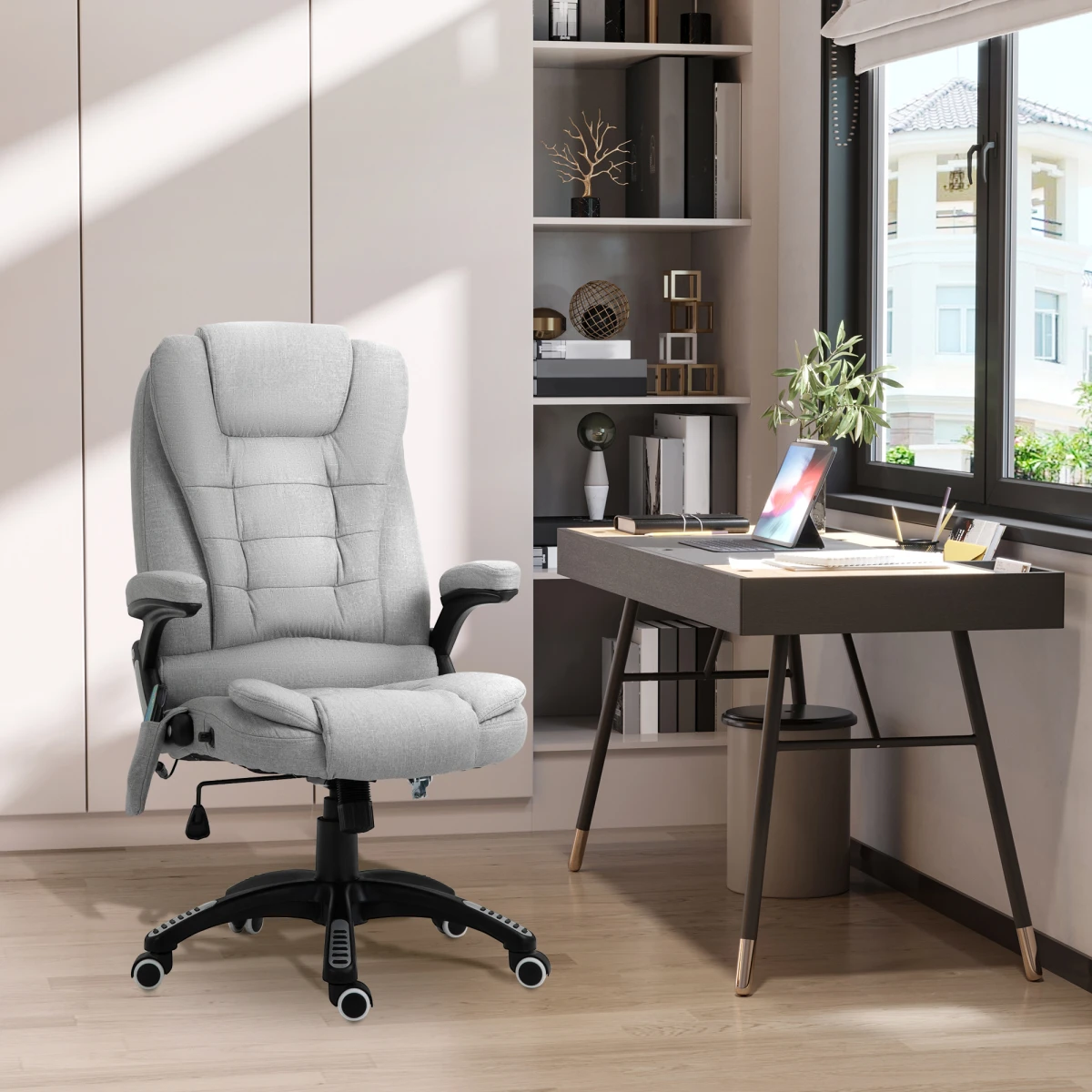
Executive-style chairs are the more traditional option, usually in leather-look PU or fabric, with a calmer design that suits a professional home office. The recline tends to be gentler, and footrests are less common here, though you'll still find ergonomic recliners and lounger-style chairs that include one. If you'd rather your office looked like an office and less like a cockpit, this is the direction to go.
On this site, reclining office chairs run from around £91 for a leather gaming recliner with a footrest up to roughly £365 for a riser-recliner with a remote, so there's a spread to suit most budgets.
What about the massage and heating versions?
A fair few reclining chairs now come with built-in massage points and heated lumbar sections. It's easy to write these off as gimmicks, and they won't replace a real massage, but the vibration does take the edge off tense shoulders and a tight lower back when you've been hunched over a screen. Paired with heat, it's surprisingly good after a long stint at the desk. Prices for the six-point vibration and heated models sit in the middle of the range, around £130 to £190.
If you carry your stress in your neck and shoulders, this is a feature worth having. If you don't, save the money and put it towards a sturdier frame or a better footrest.
How to choose the right one
A few quick things to check before you buy:
Adjustability comes first. Height adjustment is a given, but look for a chair that lets you tweak the armrests and lumbar support too, and make sure the recline locks at set angles rather than swinging loose while you type.
Match the wheels to your floor. Harder castors suit carpet, softer ones suit hard floors, and getting this wrong makes a chair feel worse than it is.
Be honest about the footrest. If you're buying mainly for breaks and calls, a footrest earns its place. If you never stop moving, you might not need one at all.
Think about the space. Built-in footrests and full recline both need room behind and in front of the chair, so measure before you commit.
Delivery, and a note on returns
All our reclining office chairs come with free delivery to the UK mainland, and orders typically arrive within 3 to 5 working days. There are no hidden fees at checkout, so the price you see is the price you pay. The chairs are reasonably heavy once boxed, so it's worth having a hand to move the package to wherever you plan to build it.
If you change your mind, that's fine, though for a change-of-mind or no-fault return the cost of return postage is down to you. Faulty or damaged items are handled separately, so just get in touch if anything's not right.
Take your time, work out which features you'll actually use, and you'll end up with a chair that still feels good at four in the afternoon.