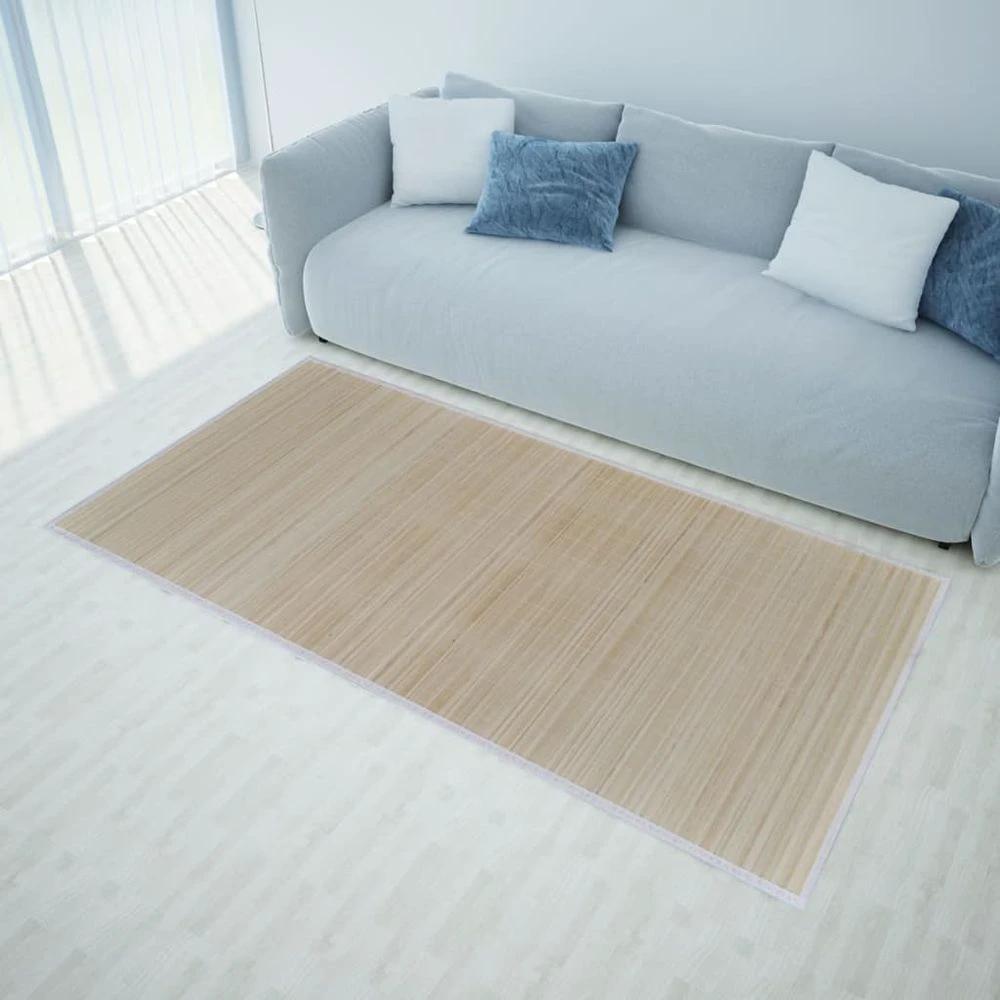
A rug is one of the cheapest ways to change how a room feels, and one of the easiest to get wrong. The mistake almost everyone makes is the same one: they buy a rug that's too small. It arrives, they unroll it, and instead of pulling the room together it sits marooned in the middle of the floor like a bath mat that wandered into the living room. The rug wasn't the problem. The size was.
So before we get to materials and colours, let's fix the thing that trips people up most, because getting the size right matters more than any other single decision.
The golden rule: bigger than you think
When in doubt, size up. A rug that's too big is rare and usually still looks fine. A rug that's too small makes a room feel disjointed and cheap no matter how nice the rug itself is.
The reason is that a rug's job is to anchor the furniture, to gather a sofa, chairs and coffee table into one connected zone. It can't do that if it's floating in the gap between everything. It needs to reach under the furniture and tie it together. Measure your space with a tape before you buy, and picture the rug sitting under the furniture rather than marooned in the middle. Every product page lists the full dimensions, so hold those against your measurements rather than guessing from the photo.
Placement, room by room
Where the edges of the rug fall is what separates a room that looks considered from one that looks slightly off. It's different in each room.
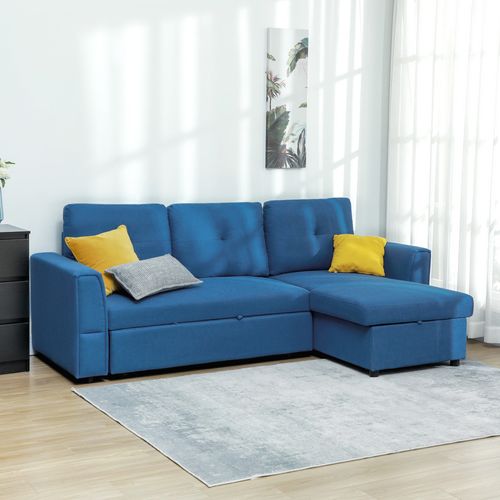
In the living room, the front legs of your sofa should sit on the rug. That's the key move. It links the sofa to the rug and the rug to the coffee table, and the whole seating area reads as one deliberate group. If your budget stretches to it, getting all the furniture legs on is even better, but front legs on is the rule that saves most rooms.
In the bedroom, the test is your feet on a cold morning. Place the rug so that when you swing your legs out of bed, your feet land on something soft rather than a chilly floor. That usually means a large rug tucked halfway under the bed and extending out both sides, or a pair of runners either side.
In the hallway, you want a runner that leaves a few centimetres of floor showing on each side, so it looks intentional rather than wall-to-wall. Leave a similar gap at each end.
Matching the type to the room
Different rugs are built for different jobs, and the collection splits along sensible lines. Picking the right type is mostly about how much traffic and mess the spot sees.
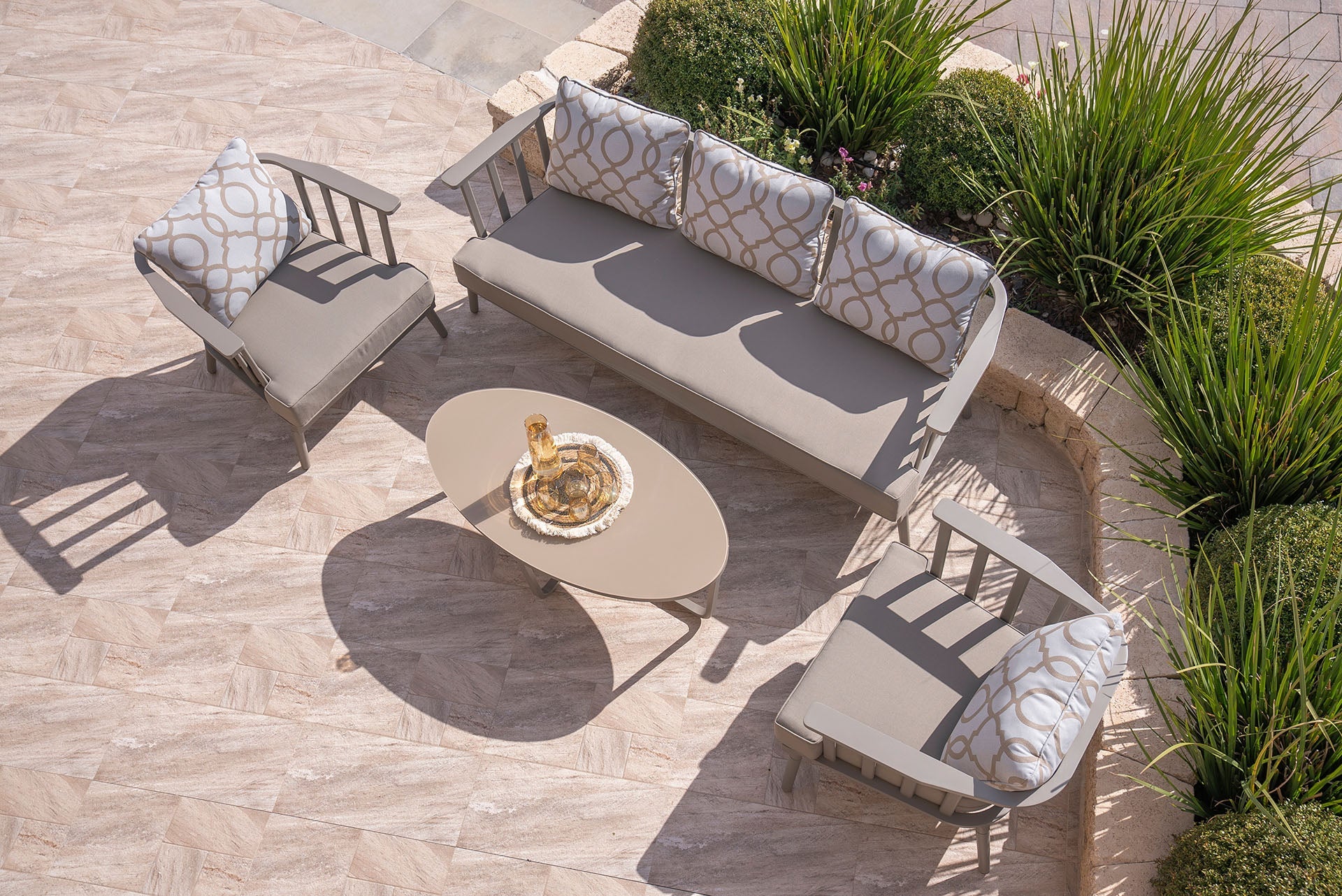
Shaggy rugs are the soft, deep-pile ones you sink your toes into. They're all about comfort, which makes them perfect for living rooms and bedrooms where you want warmth underfoot, but they're not the choice for a busy hallway or under a dining table where crumbs and grit get trapped. Flatweave rugs are the opposite: thin, tough and easy to clean, which is exactly what a hallway or a high-traffic route needs. Bamboo rugs are water-resistant, hard-wearing and wipe clean, so they earn their place in kitchens, dining areas and conservatories, and their natural look sits beautifully on wooden floors. And if you're kitting out a patio or decked area, there are outdoor rugs with UV-resistant finishes that shrug off sun and rain and hose down when they're mucky.
Match the type to the room's real life, not just its look, and the rug lasts and stays looking good.
A note on colour and pattern
Once size and type are sorted, colour is where you get to have fun, and the only real guidance is to think about what you're trying to do. A neutral rug in beige, grey or black calms a busy room and lets your furniture do the talking, which is the safe and flexible choice. A bolder colour or a pattern makes the rug itself the feature, which works brilliantly in a room that's otherwise quite plain and needs a focal point. Patterns have a practical upside too, since they hide the odd spill and footprint far better than a flat pale colour, which is worth knowing if you've got children or pets.
Keeping it in place and looking good
Two quick practical points save a lot of irritation. If your rug sits on a hard floor, or if the corners curl, a non-slip underlay stops it sliding and creeping, and it adds a bit of cushioning while protecting the floor underneath. And a quick regular hoover, plus rotating the rug now and then so it wears evenly, keeps it looking fresh for years rather than developing a worn path down the middle.
That's the other quiet benefit worth remembering: a rug protects the floor or carpet underneath it, taking the wear in the busy spots so your flooring lasts longer. In a rented place especially, that can save your deposit.
You can browse the full rugs range to find the size and style for your room, and it's worth a look at the cushions and throws too if you're pulling a whole look together, or the wall art to finish the room off.
Every order comes with free delivery to UK mainland addresses, dispatch within 3 to 5 working days, and no hidden fees. If you change your mind or order the wrong size, returns are welcome, though the return postage would be down to you in that case, while anything faulty or damaged is handled separately by the team.