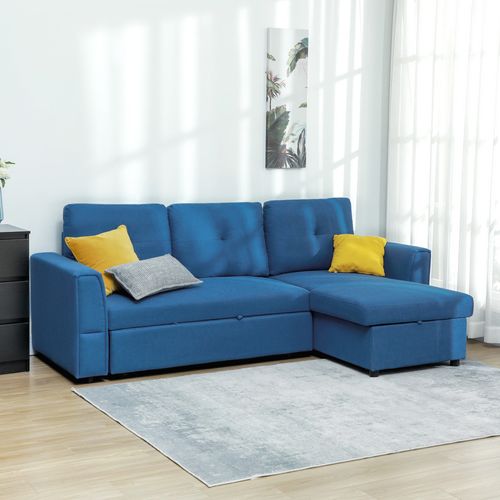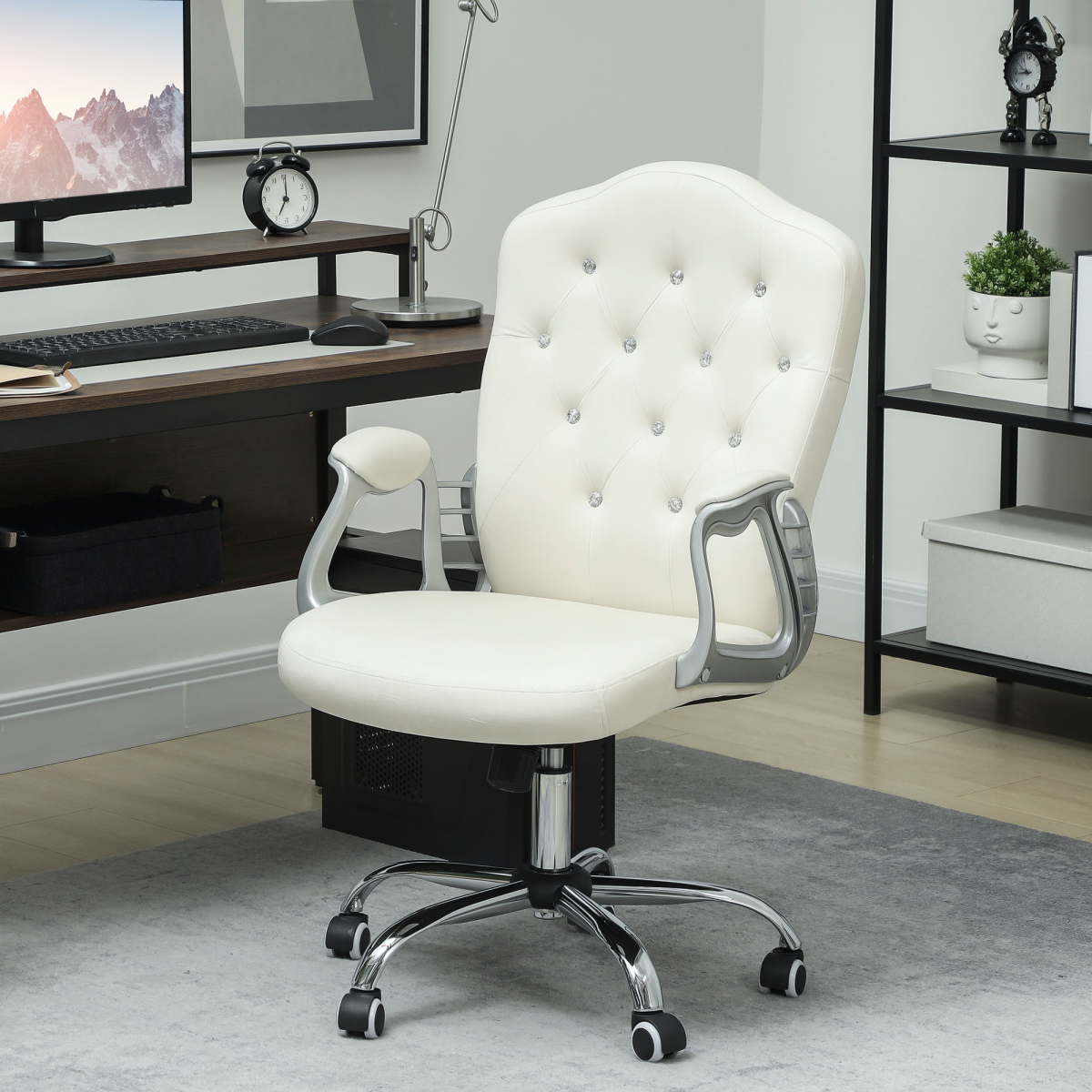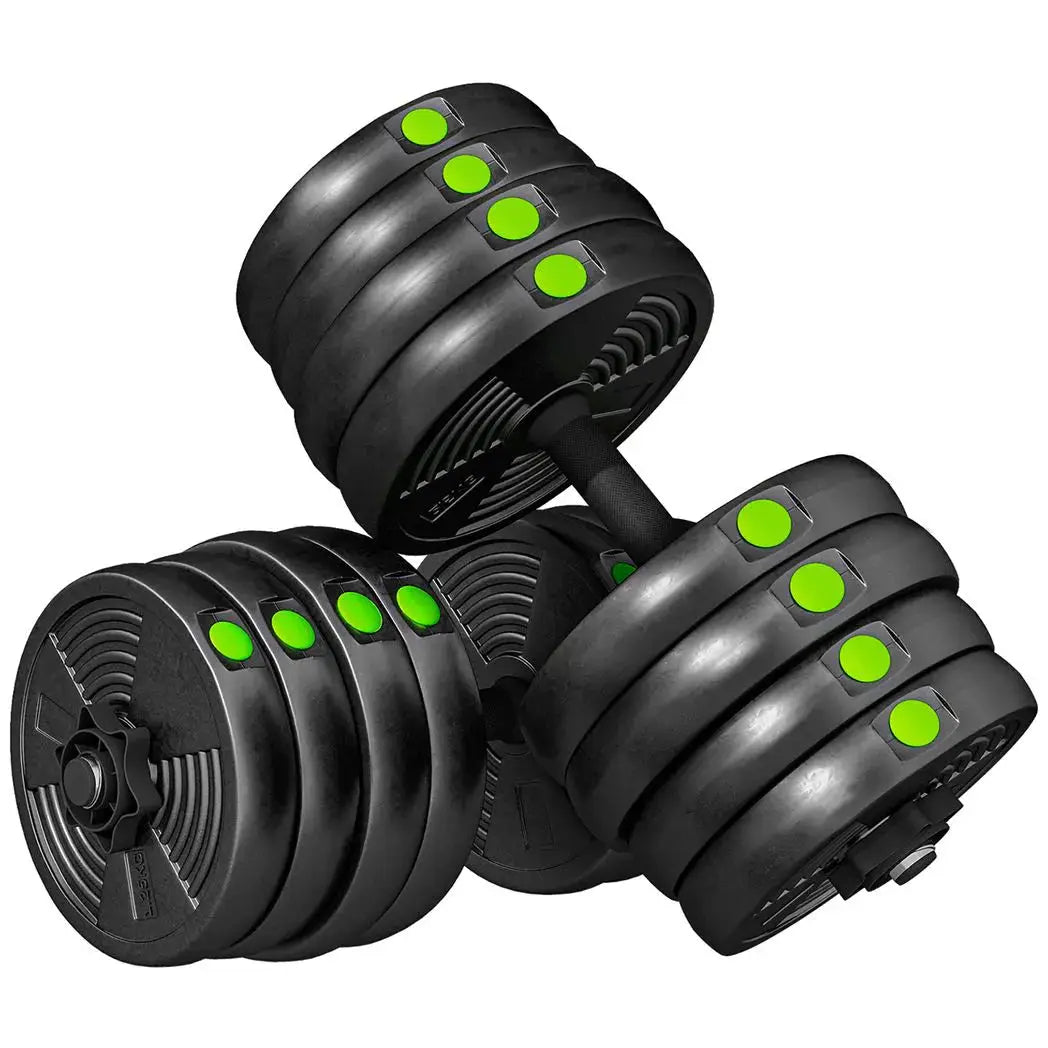
Most home gyms start the same way. Someone clears the spare room in late December, stands in the middle of it on New Year's Day and wonders what actually goes in there. The big decision comes first: one multigym that does a bit of everything, or a bench and a set of free weights.
Short answer: a multigym suits you if you want guided movements, quiet sessions and everything in one footprint. A bench and free weights suit you if you're short on floor space, want to add kit over time or need to tidy it away when the room is used for something else. Plenty of people end up with a bit of both, but it helps to know which one you're building around.
How they compare
|
|
Multigym |
Bench and free weights |
|---|---|---|
|
Floor space |
One fixed footprint, needs clearance on all sides |
Bench folds away on many models, weights sit on a rack |
|
Resistance |
Built-in weight stack, e.g. 45kg, 66kg or 69kg |
Whatever plates and dumbbells you buy, added over time |
|
Noise |
Stack runs on guide rods, fairly quiet |
Plates and dumbbells can clunk on a hard floor |
|
Assembly |
Big flat-pack job, best done in the room it lives in |
Bench is a quick build, weights arrive ready |
|
Moving it later |
Hard work |
Easy |
What a multigym gets you
A multigym puts several exercises into one frame. Instead of loading plates, you move a pin in a weight stack and pull on a cable. In our home gym range, the stacks run from 45kg on compact models up to 69kg on the SPORTNOW all-in-one machine, which pairs a power cage frame with a pulley system.
The HOMCOM multigym station is a good example of the middle ground. It has a 66kg stack and both a high and a low pulley, so one machine covers pulldowns from above and rows or curls from below. Smaller units, like the compact 45kg machine with a lat pulldown bar, take up less room but give you less weight to work with as you get stronger.
The main appeal is simplicity. The movement follows a set path, changing weight takes seconds, and there's less need for a spotter. The stack also runs on guide rods, so it's quieter than dropping a dumbbell on the floor, which matters in a terraced house or an upstairs flat.
The catch is that a multigym is a big, heavy frame that stays where you build it. Once the stack is maxed out, the only upgrade is a new machine.
What a bench and free weights get you
A bench and free weights take a different route. You start small and add as you go. An adjustable bench is the centre of it, and our gym equipment page has several. The HOMCOM foldable dumbbell bench has seven incline settings and folds flat on its steel frame. The SPORTNOW adjustable bench has six backrest positions and a 300kg rating, and folds too, which helps if the room doubles as a guest room. Another SPORTNOW model adds a leg extension on the end.
For weights, the SPORTNOW hex dumbbell set gives you 36kg in total with its own rack, rubber-coated heads and textured chrome handles. Hex heads don't roll away, and rubber coating is kinder on a floor than bare iron. If you'd rather use a barbell, vidaXL sells 30kg sets of plates in cast iron (six pieces with a 3cm hole) or as cement plates with a plastic finish. Our weight plates page has the full range.
The advantage here is flexibility. You can start with a bench and one set of dumbbells and add a barbell later. Most of it can be stacked in a corner or slid under a bed when the room needs to be a room again.
The downside is that free weights take a little more care. There's no fixed path guiding the movement, and heavier lifts like a bench press are best done with a spotter or a rack that catches the bar.
The middle option: towers and wall pulleys
If neither option quite fits, there's a halfway house. A power tower gives you a frame for pull-ups and dips without a weight stack, and the steel power tower station in our range has an adjustable height. The vidaXL wall-mounted power tower comes with 40kg of plates and two pulleys, so you get cable work without a freestanding machine. Because it fixes to the wall, it needs a solid wall and proper fixings, not plasterboard on its own.
Benches with built-in racks are another middle ground. The vidaXL workout bench comes as a 60.5kg set with a weight rack, barbell and dumbbells, so you have everything from day one in a single footprint.
Check the room before you order
A few things catch people out.
Ceiling height. Pull-up bars and high pulleys need headroom. Stand where the machine will go, reach up as if you're grabbing the bar and check you've got clearance. Loft rooms with sloping ceilings are the usual problem.
The floor. A loaded multigym or a full rack of plates is a lot of weight in one spot. On an upstairs floor, put heavy kit near a wall rather than in the middle of the room. A rubber mat underneath spreads the load, protects the floor and cuts noise.
The way in. Multigyms arrive in large boxes. Measure the turn at the top of the stairs and any narrow doorways before ordering, then build it in the room where it will live.
The garage. A garage gives you space and a concrete floor that doesn't mind a dropped weight, but it gets cold and damp in a UK winter. Wipe down bare metal after use and keep cast iron off the floor to slow down rust.
So which should you choose?
Choose a multigym if you've got a room that's going to stay a gym, you want quieter sessions and you'd rather not think about loading plates. Choose a bench and free weights if space is tight, the room has another job, or you'd like to start small and build up. Choose a power tower or a bench with a rack if you want a bit of both without committing a whole room.
Whichever way you go, start by measuring the space and checking the floor. It takes ten minutes, and it's a lot easier than sending back a machine that won't fit up the stairs.
Delivery and returns footer
Shop home gym equipment at Bossy Cat
Delivery is free on all orders to UK mainland addresses and arrives in 3-5 working days, with no hidden fees. If you change your mind, you can return your order, but the return postage is paid by you.