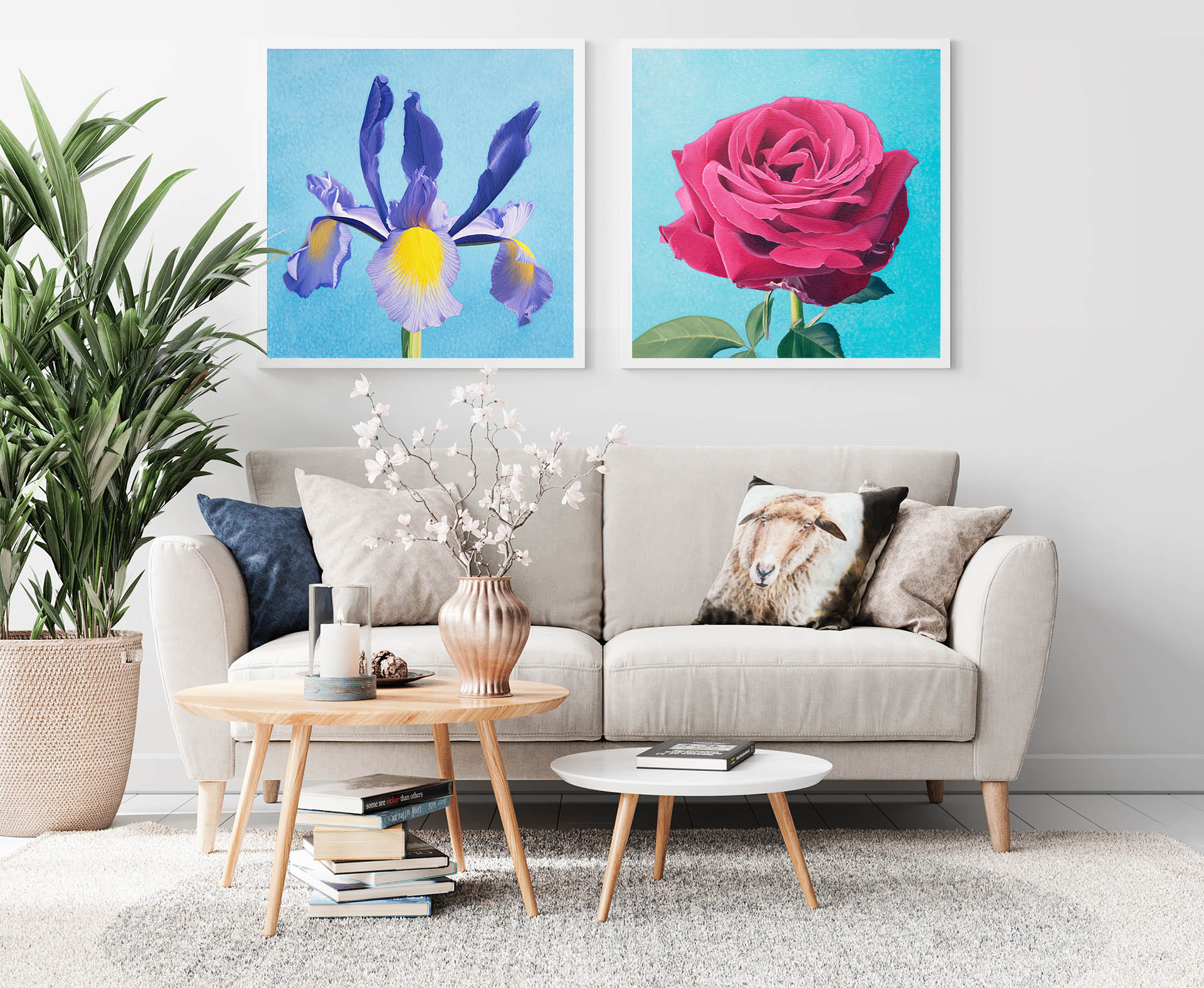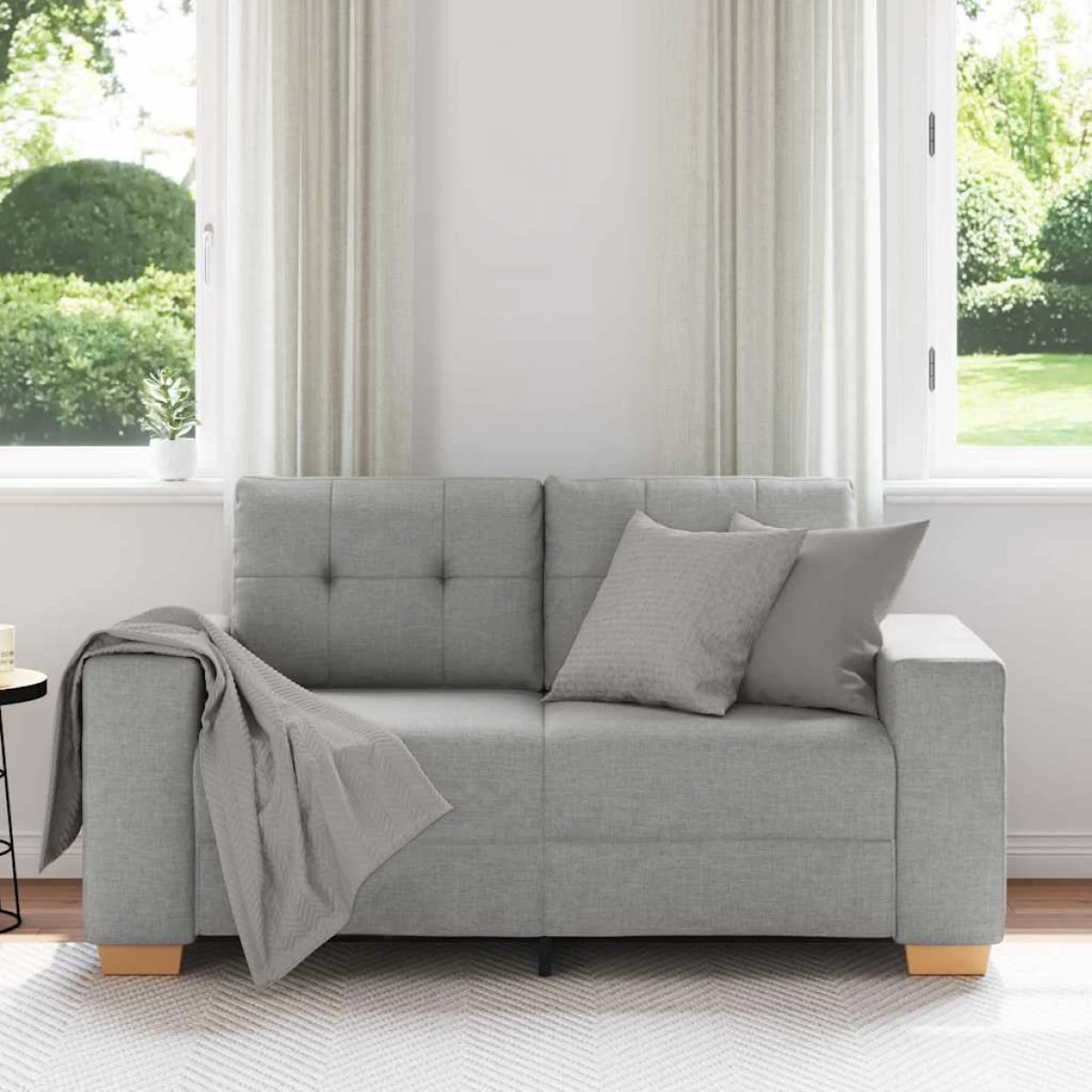
The same mistake turns up in living rooms across the country. A three seater sofa pushed hard against the longest wall, with barely forty centimetres between its front edge and the coffee table. Everyone edges sideways to get past it, and the third cushion goes largely unused.
The reason is understandable. Sofas tend to get bought for the version of a household that exists four or five times a year: Christmas, a family birthday, the barbecue that moves indoors because of the weather. For the rest of the year, two people sit on furniture built for three, in a room that would feel considerably larger without it.
That is the case for the loveseat, and it is a stronger case than the category usually gets credit for.
The measurements behind the problem
The average living room in a modern UK new build measures roughly 4.2 metres by 3.5 metres. In a Victorian terrace with a through-lounge, the width is often closer to 3.2 metres, with a chimney breast taking a bite out of one wall and a radiator sitting under the window.
A three seater sofa typically runs 190cm to 210cm long. Placed against a 3.2 metre wall, that consumes close to two thirds of the available run. A walkway is then needed in front, which design guidance puts at around 75cm. Add a coffee table and the room is effectively full.
Most two seaters in the Bossy Cat range fall between 120cm and 140cm wide. That difference of sixty to eighty centimetres reads as marginal on paper. In practice it is the difference between a room people move through and a room people navigate around.
Furnishing for the ordinary week
A more useful way to approach the decision is to consider how the room is used on a typical weeknight rather than at its busiest.
For most households that means two people, the television on, perhaps a laptop. That is the load the furniture genuinely needs to carry. Seating four people twice a year is a problem better solved with dining chairs brought through from the next room, or a footstool that doubles as occasional seating, than by permanently surrendering a quarter of the floor space.
There is sometimes a reluctance here, because a smaller sofa can feel like a concession. It rarely reads that way to anyone else. A well-proportioned room with a two seater in it looks considered. A cramped room with an oversized sofa in it looks like a room that lost an argument with a showroom.
Two small sofas in place of one large one
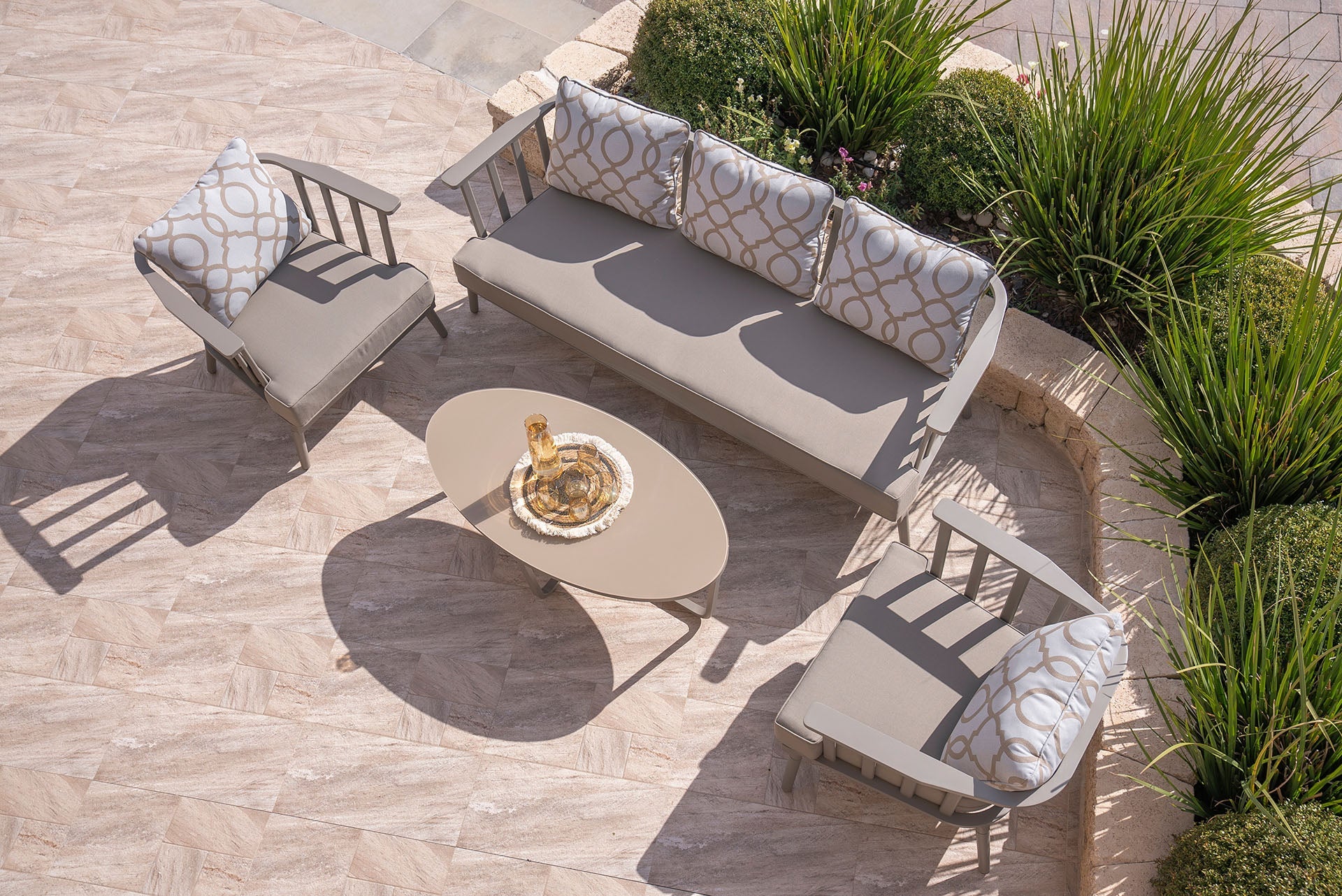
A technique used regularly by interior designers in narrow rooms is to replace a single long sofa with two loveseats, either facing one another or set at right angles.
It sounds like more furniture, and it usually feels like less. Breaking the seating into two pieces avoids presenting the room with one heavy block along a wall, and it creates a conversational arrangement rather than a row of people all facing the same direction.
It also offers flexibility. Two smaller pieces can be rearranged, separated between rooms, or moved to a new property without difficulty. A three seater goes where a three seater fits, and nowhere else.
The Loveseats collection is currently drawn entirely from HOMCOM, so pieces within the range coordinate reasonably well for anyone considering this approach.
Storage as a second job
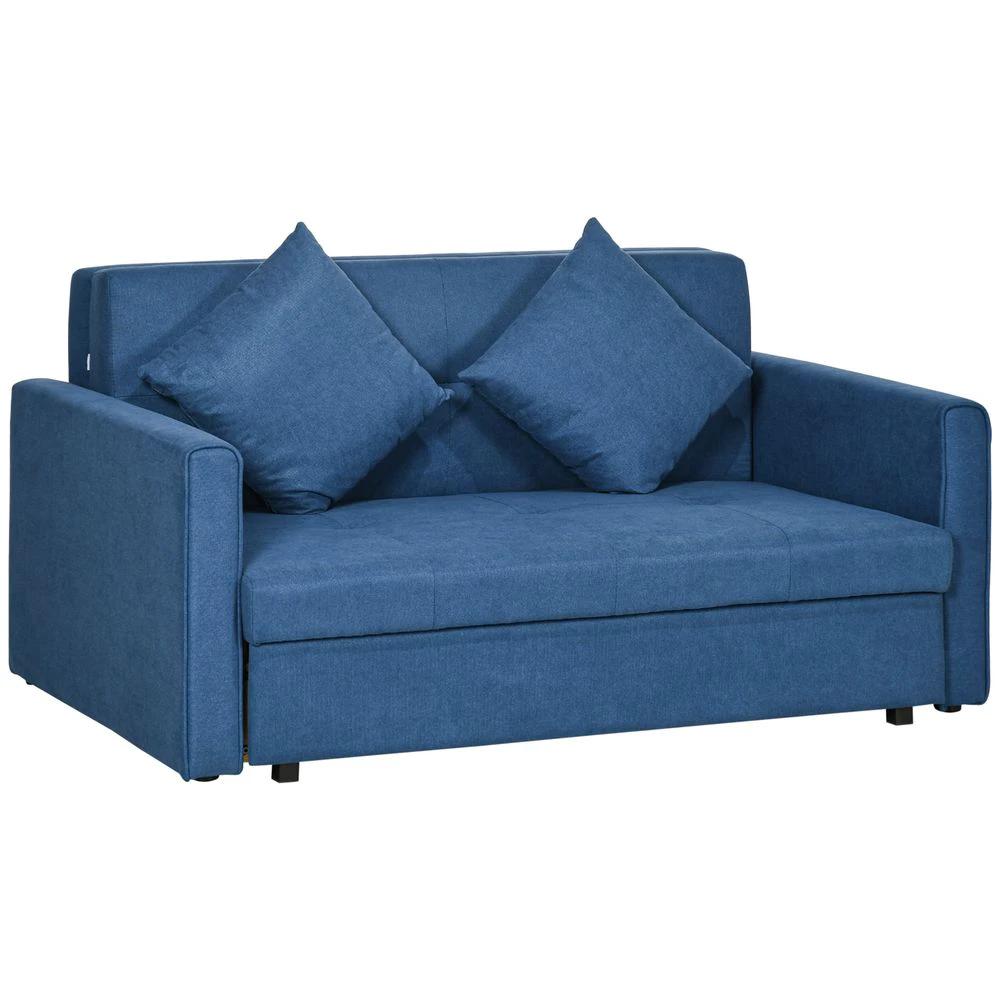
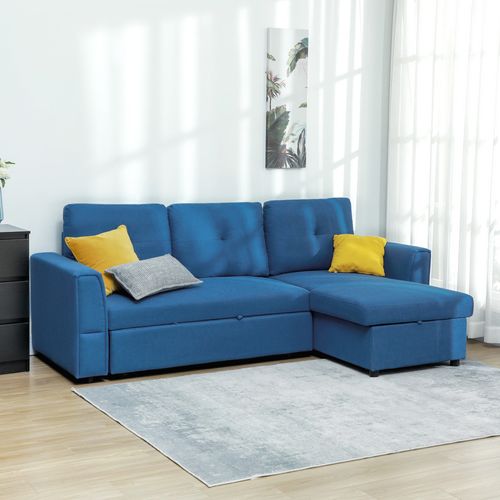
Several loveseats in the range lift at the seat to reveal a storage compartment beneath, sitting broadly in the £190 to £205 bracket.
In a smaller home this feature earns its keep. Rooms rarely feel cramped simply because the furniture is large. They feel cramped because there is nowhere obvious to keep throws, spare cushions, board games or the box of decorations that occupies a corner for ten months of the year. Furniture that absorbs clutter is doing two jobs in the space of one.
The limitation is depth. These compartments hold blankets, cushions, magazines and a reasonable quantity of household miscellany. They will not take anything bulky.
When the sofa also has to be a bed
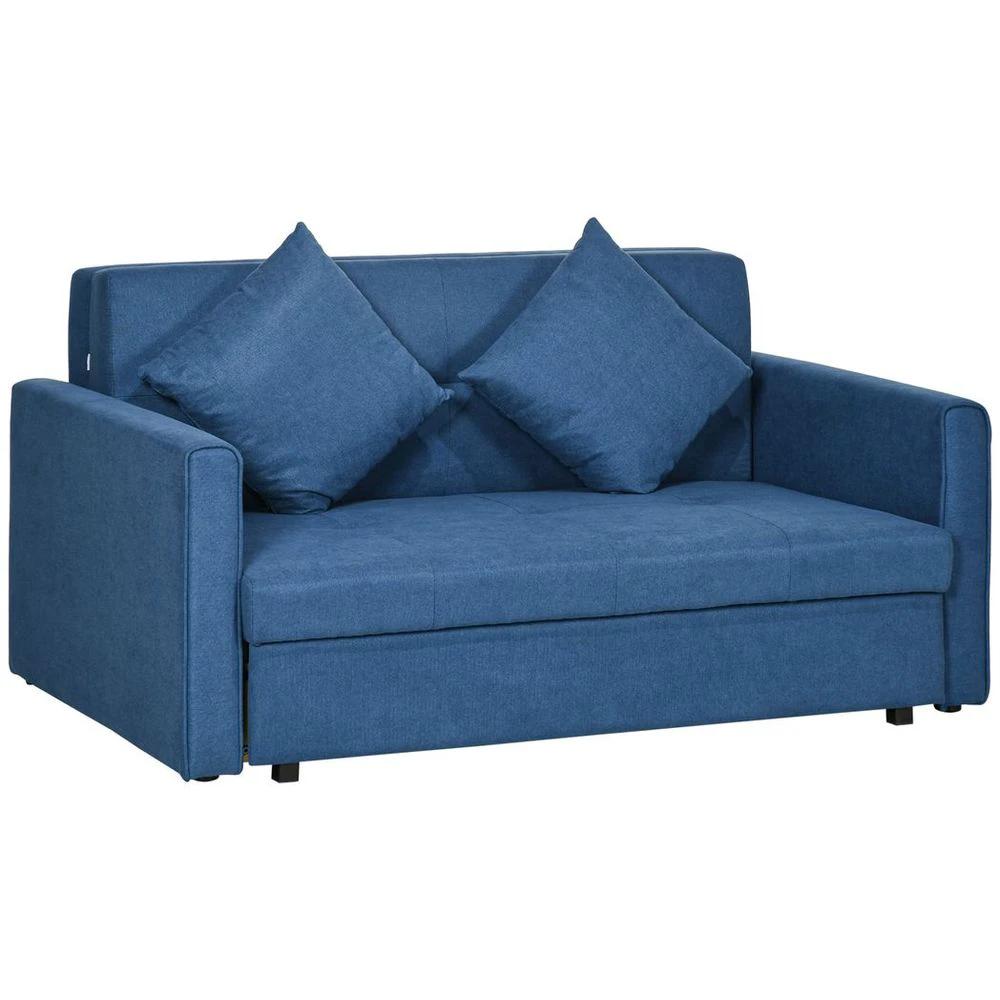
Where a living room doubles as guest accommodation, the Sofa Beds collection is the natural place to start, though the loveseat range also includes a convertible model at around £170 that folds out for occasional overnight use.
It is worth being clear about what that offers. A convertible loveseat suits someone staying a single night. The sleeping surface is narrower than a standard single bed and the mattress is thinner than a conventional one. For a guest staying a fortnight each summer, a proper bed is the better answer. For a friend staying over twice a year, it is a sensible piece of dual purpose furniture.
Rooms other than the living room
The living room is not the only place a two seater works.
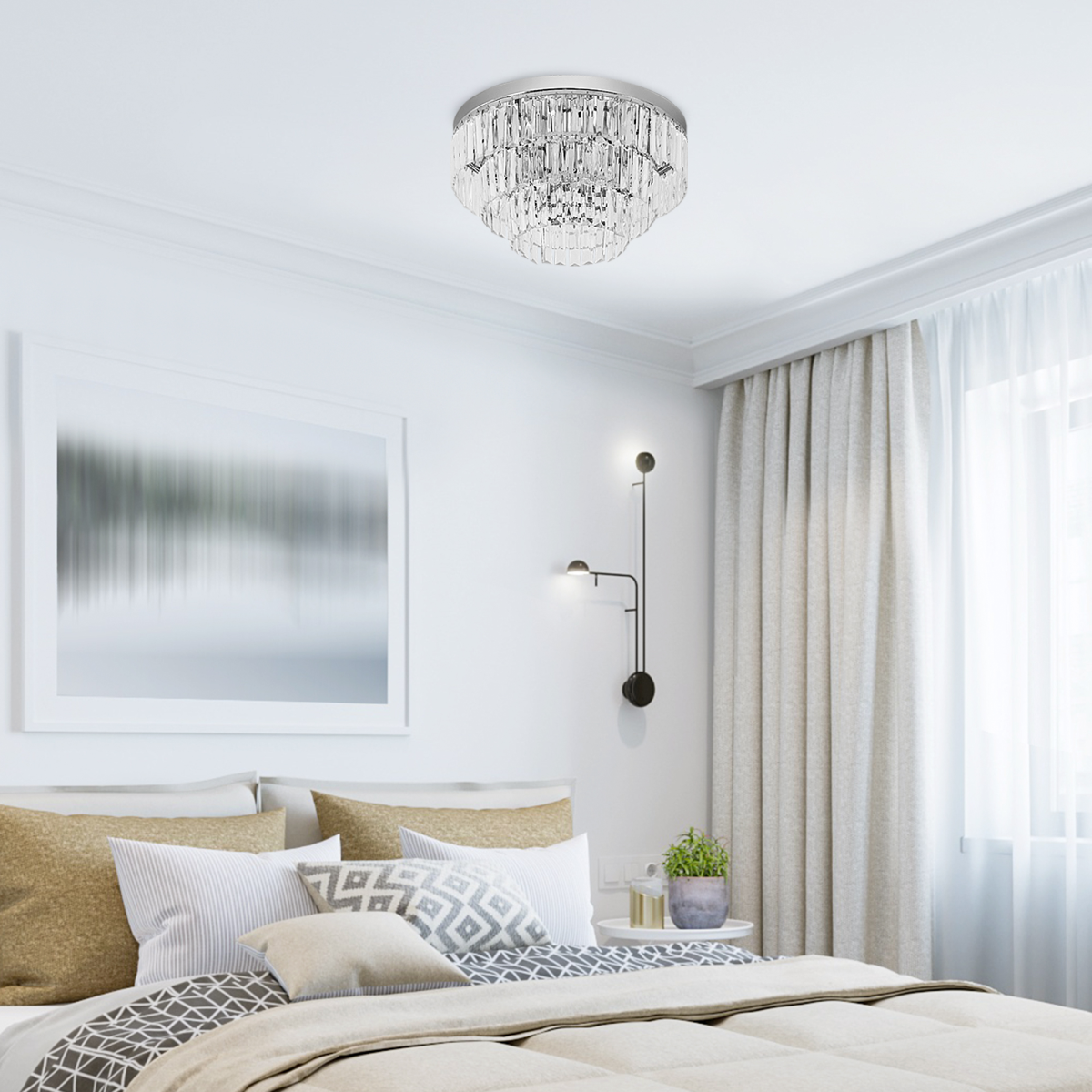
Positioned at the foot of a bed or in a bay window, a loveseat changes how a bedroom functions. It provides somewhere to put on shoes, somewhere to sit that is not the bed, and somewhere to place clothes that is not the floor. In a reasonably sized double it fits comfortably where a full sofa would look out of scale.
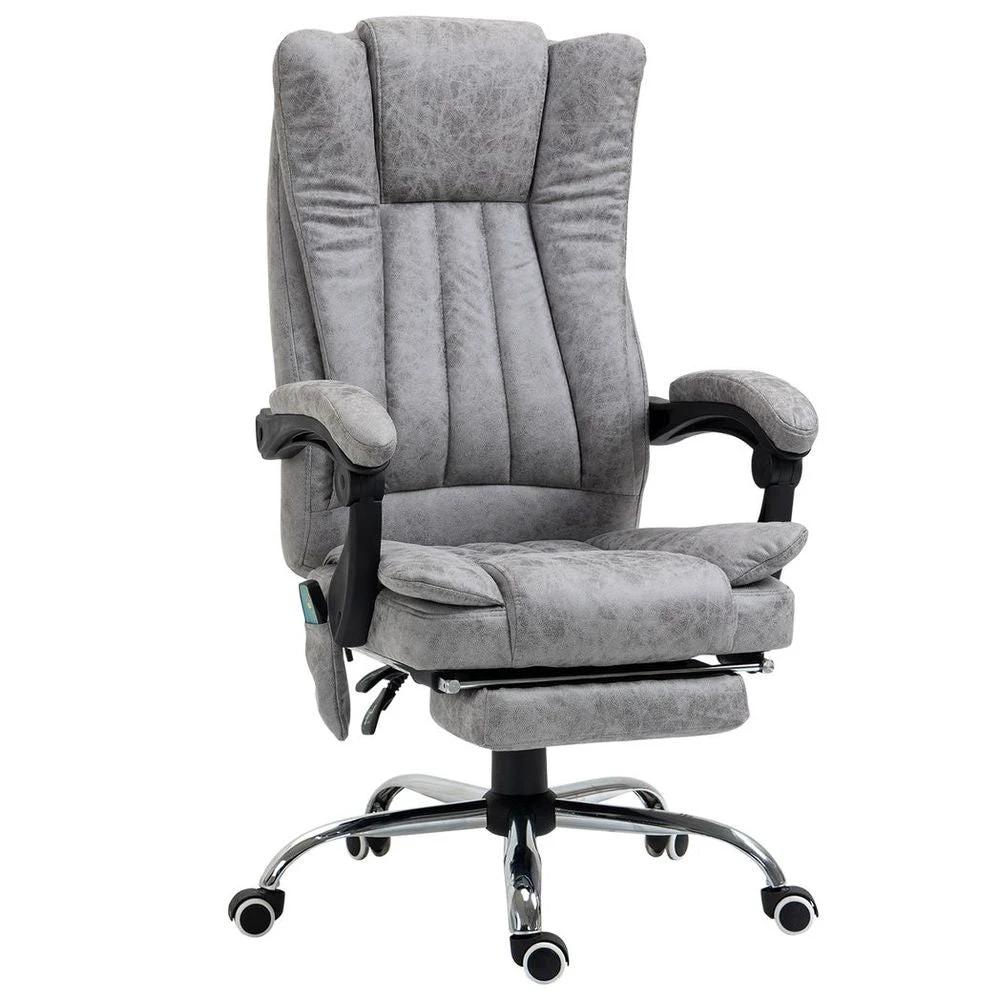
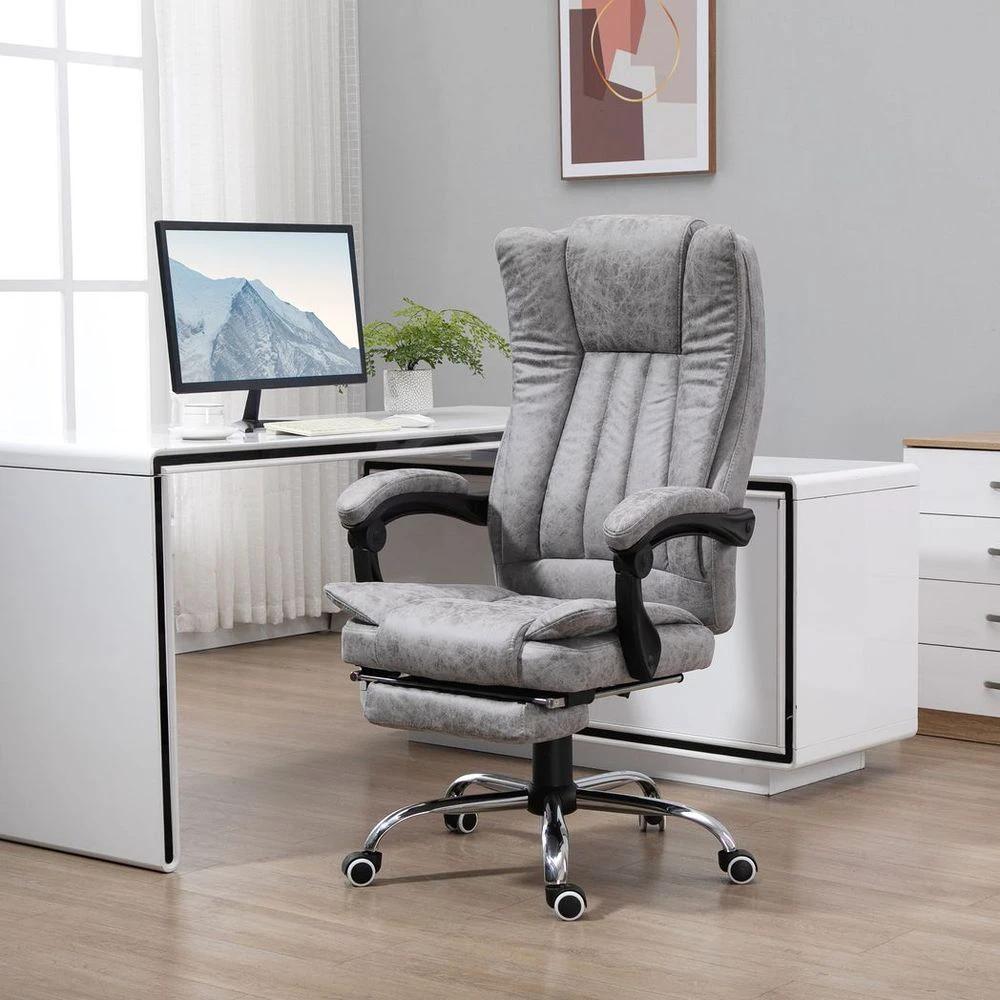
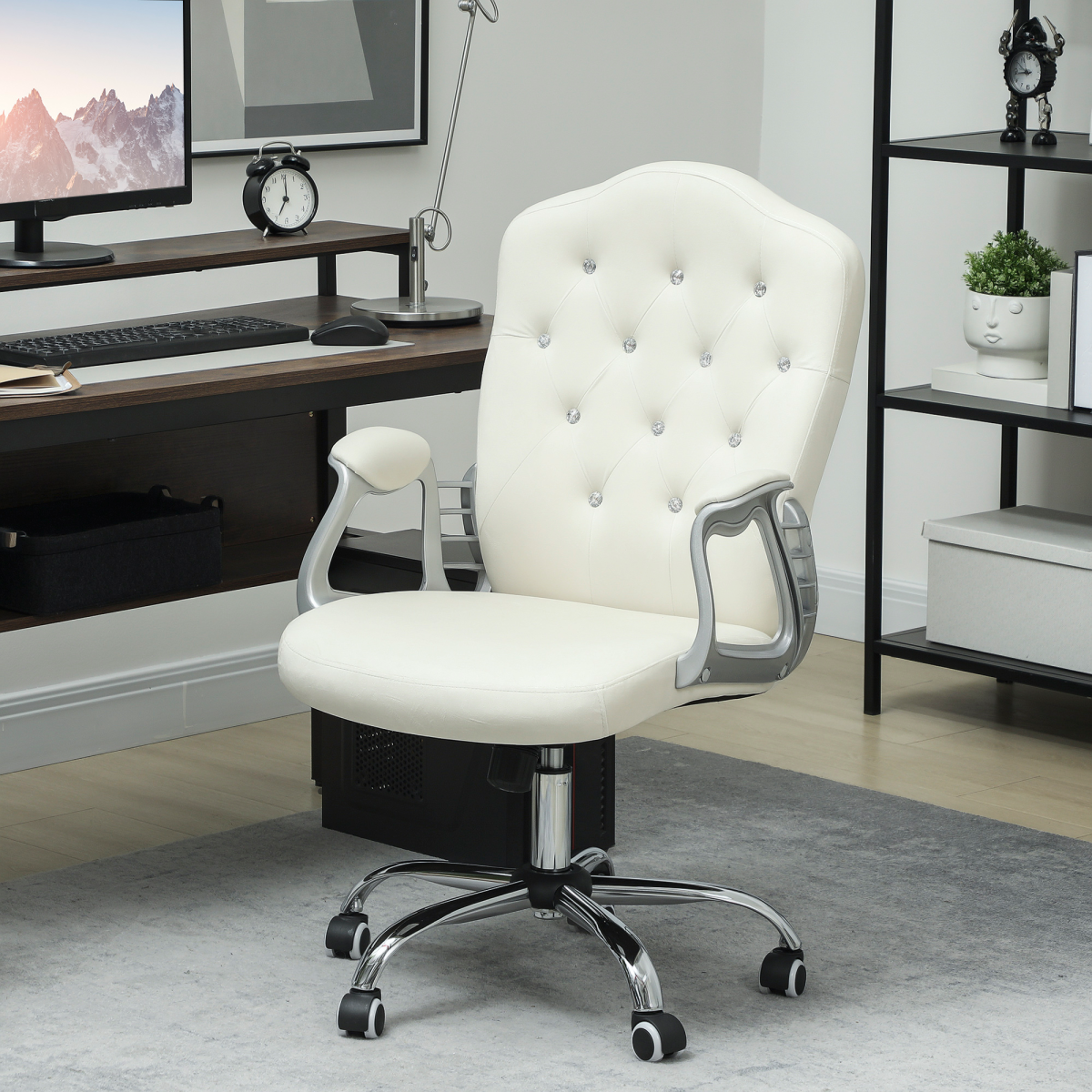
Home offices are another strong fit. For anyone working from a spare room, having somewhere to sit other than a desk chair makes a genuine difference to marking the end of the working day. The range includes a model aimed specifically at that use, with spring padding and armrests, at around £214.
Bay windows are worth a mention too. Almost every UK house built before 1940 has one, and comparatively few are used well. A compact two seater set into the bay and facing back into the room is one of the more overlooked options in small-space planning.
The trade-offs, stated plainly
A loveseat does not suit everyone, and the drawbacks are worth acknowledging.
There is no lying full length on a two seater. For anyone who spends Sunday afternoons stretched out on the sofa, a compact model will become an irritation quickly, and no amount of clever planning will resolve that. Three people can be seated at a squeeze rather than comfortably, which matters in households where several family members want to be in the same room at once.
Doorways are worth checking as well. Loveseats in the 120cm to 140cm range usually pass through a standard UK internal door without difficulty, but height should be measured alongside width, and the turn at the top of a staircase should be considered if the sofa is going upstairs.
Beyond that, the exchange is straightforward. A little less room to sprawl, in return for a room with space to move.