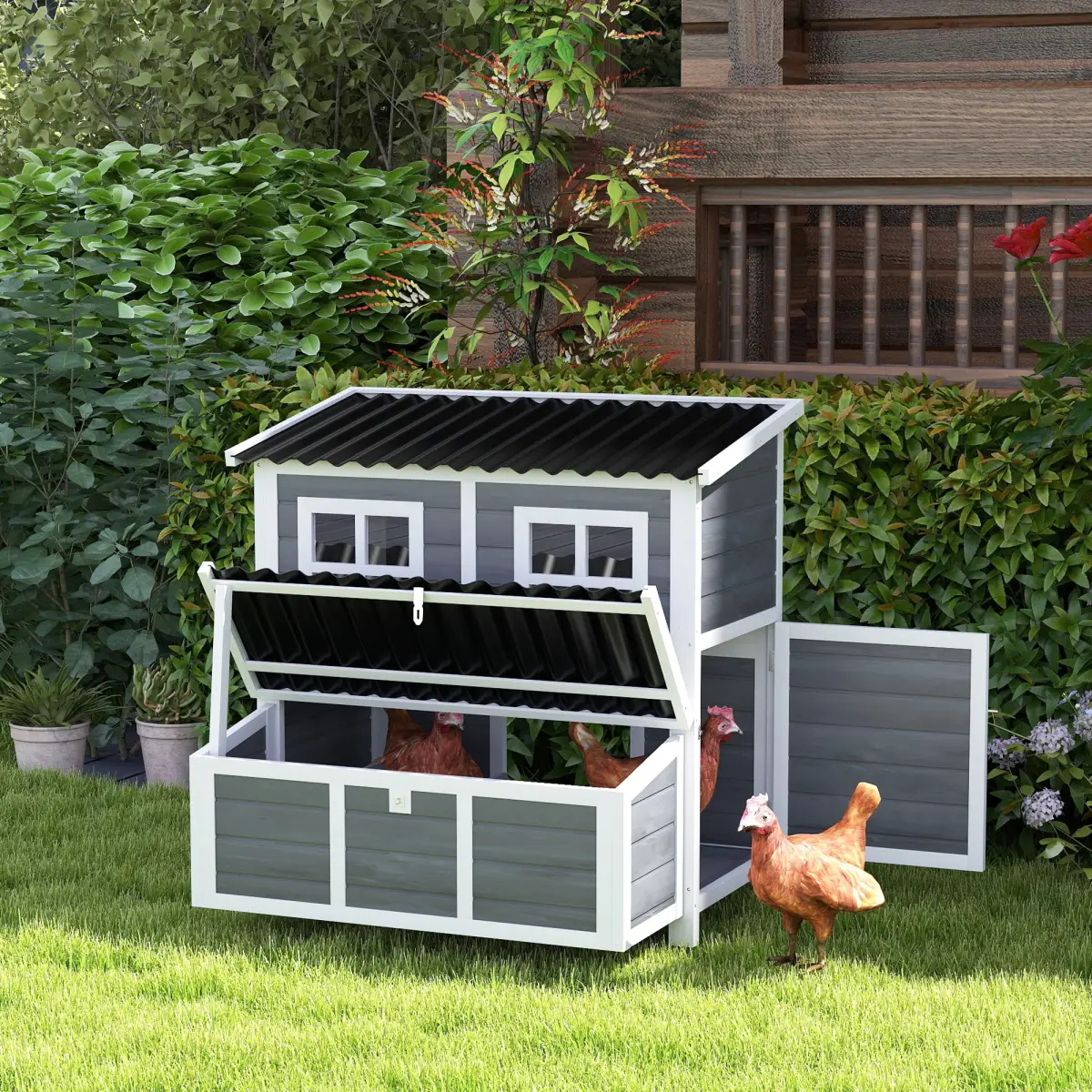
Keeping a few hens has gone from a rural thing to something plenty of us are doing in ordinary back gardens. Fresh eggs every morning, a bit of company in the garden, and birds that happily deal with your kitchen scraps. It's easy to see the appeal. The one part people tend to rush, though, is the coop, and that's the bit that makes the whole thing work or turns it into a weekly headache. Get the coop right and looking after chickens is genuinely simple. Get it wrong and you'll be crouching in the mud cursing a tiny door every morning.
So here's a plain guide to picking one, written for anyone about to start out or upgrade from a coop that isn't cutting it.
Start with how many birds, then add a bit
The first question is how many hens you're keeping, because chickens need room to move, roost and lay without being on top of each other. A crowded coop means squabbling, mess and unhappy birds that lay less.
For two to four hens, a small wooden coop with an attached run is all you need, and it'll tuck neatly into a corner of the garden. There's a compact PawHut wooden coop built for two to four birds at around £76, which is a sensible starting point for a first flock. If you're thinking four to six, step up to something like the mid-size wooden coops with a proper nesting box and ramp.
One tip from experience: buy for the flock you'll have in a year, not the one you're starting with. Chicken keeping is a bit moreish, and lots of people who start with three end up wanting six. A coop with a little spare room costs less than buying a second one when the flock grows.
Wooden coop or walk-in run?
There are really two types to choose between, and they suit different setups.
A wooden coop is the classic little hen house, usually raised on legs with a nesting box and a small run attached. It looks the part in a garden, it's simple to move about, and it's ideal for a handful of birds. The trade-off is that you tend to feed and clean by reaching in from outside, which is fine for a few hens but gets tiresome with more.
A walk-in run is the other option, and it's exactly what it sounds like. These are bigger enclosures built on galvanised steel frames with a weatherproof cover, and they're tall enough to step inside. That headroom changes everything once you've got more birds, because you can walk in to feed, clean and collect eggs standing up rather than bent double. The range goes up to runs that take ten to fifteen chickens, and some of the larger ones suit ducks and rabbits too, so they're worth a look if you keep more than one type of animal. If you want space and an easy life, this is the way to go.
The fox question
If you're keeping chickens in a British garden, you have to think about foxes. They're in towns as much as the countryside now, and they're persistent. A coop that isn't secure is an open invitation, and losing a flock overnight is a horrible thing to come out to.
The wooden coops come with solid panels and latching doors, and the walk-in runs use sturdy galvanised mesh, both of which do the job. The habits matter as much as the hardware, though. Shut and latch everything at dusk, because foxes work at night, and check the catches are actually done up rather than just resting closed. In areas with a known fox problem it's worth adding some ground-level protection so nothing can dig under, and several people reinforce or extend their run with PVC-coated wire mesh, which the range carries by the roll.
Where to put it matters
People agonise over which coop to buy and then plonk it anywhere, which is a shame because position makes a real difference. Chickens don't love sitting in a wind tunnel or a boggy patch.
Pick a spot with a bit of natural shelter from the worst of the wind, and ideally some shade for hot spells, since hens cope with cold far better than they cope with heat. A patch that drains well saves you a muddy mess in winter. And put it somewhere you can reach easily in the dark and the rain, because you'll be going out there in both. If it's a hassle to get to, the daily jobs slide, and that's when problems start.
Think about the cleaning before you buy
Nobody enjoys cleaning a coop, so it's worth choosing one that makes it quick. This is the feature people forget to check and then regret.
Look for an openable roof and wide access doors, because being able to lift the lid and reach right inside turns a grim job into a five-minute one. Slide-out trays under the roosting area are the other thing to look for, as they let you pull out the mess and rinse it rather than scraping about in a corner. Most of the wooden coops here have one or both, and the walk-in runs give you the space to get in and sweep out properly. Your future self will thank you.
A few extras that earn their place
Two add-ons are worth knowing about. An automatic treadle feeder, like the galvanised 11.5kg one in the range, keeps the feed dry and stops rats and wild birds helping themselves, which saves money and mess over a year. And a length of PVC-coated wire mesh is handy for fencing off a bigger scratching area or shoring up a run. Neither is essential on day one, but both make life easier once you're settled in.
Ready to have a look?
Whether you want a tidy little house for a few hens or a walk-in run for a proper flock, there's something in the chicken coop range to suit the birds and the space you've got. If you keep other animals too, it's worth a wander through the wider pet supplies section and the rabbit hutches while you're there.
Every order comes with free delivery to UK mainland addresses, dispatch within 3 to 5 working days, and no hidden fees, so the price you see is the price you pay. If you change your mind or order the wrong thing, you're welcome to return it, though the return postage would be yours to cover in that case. Anything faulty or damaged is handled separately by the team, so you're covered either way.