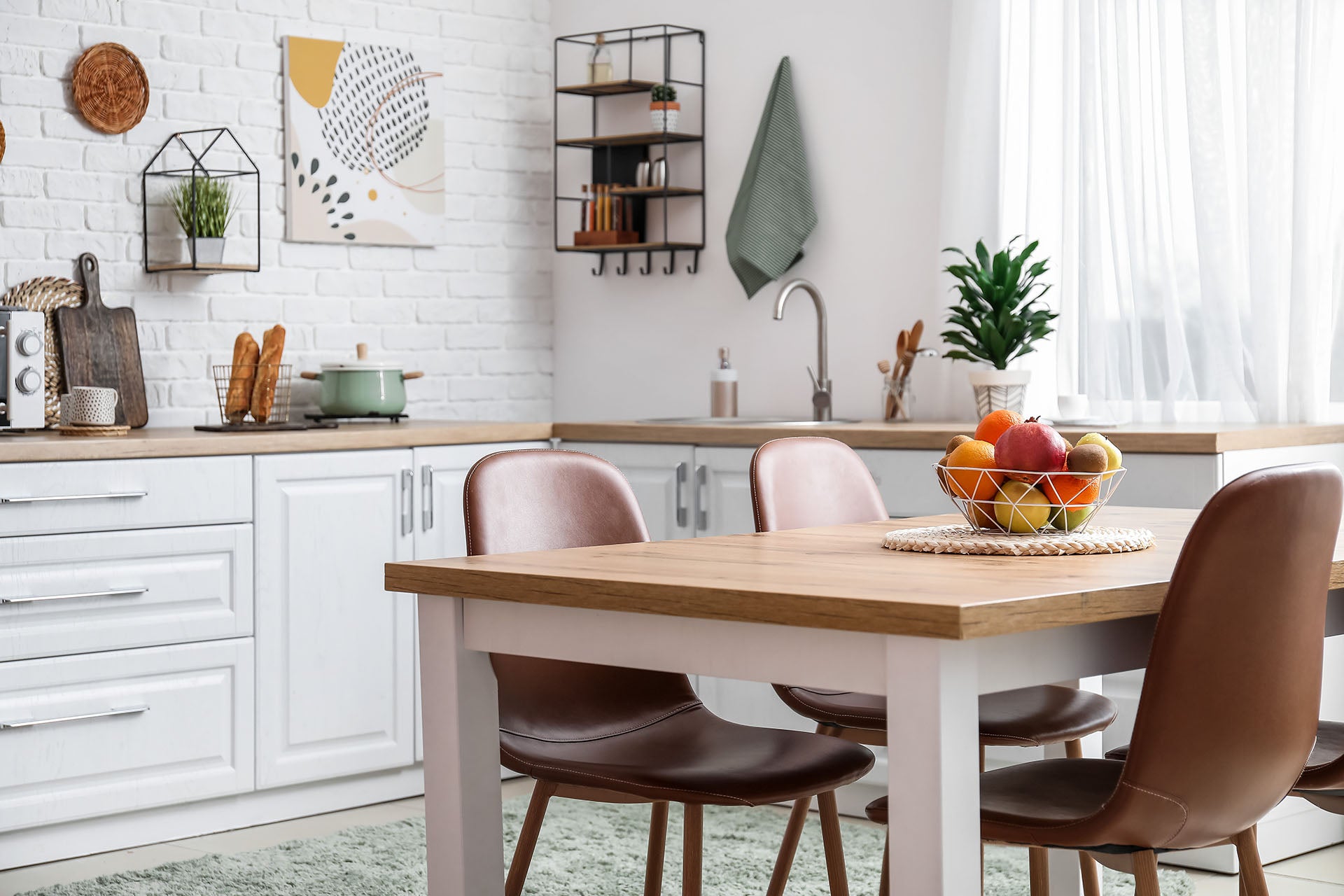
Somewhere along the way, the kitchen island became the place we actually eat. Not the dining room saved for Christmas, but the island, the breakfast bar, the counter where the kids do homework and you have your coffee standing up before work. Casual dining is how most of us live now, and bar stools are the seating that makes it work.
The trouble is that people buy the stool they like the look of and worry about whether it fits afterwards. That's the wrong way round. A gorgeous stool at the wrong height turns casual dining into an uncomfortable perch, and no amount of good looks fixes that. So let's start where you should start.
First job: measure your counter, not the stool
Before you look at a single design, measure the height of the surface you'll be sitting at, from the floor to the top of the counter. Everything else follows from that one number.
There are broadly three heights in a British kitchen, and each needs a different stool. A standard kitchen island or counter tends to sit around 90cm off the floor, and that wants a stool with a seat height of roughly 60 to 65cm. A raised breakfast bar is taller, often around 100 to 110cm, and needs a taller stool with a seat around 75 to 80cm. A regular dining-height table, if you're adding stool-style seating there, sits lower again.
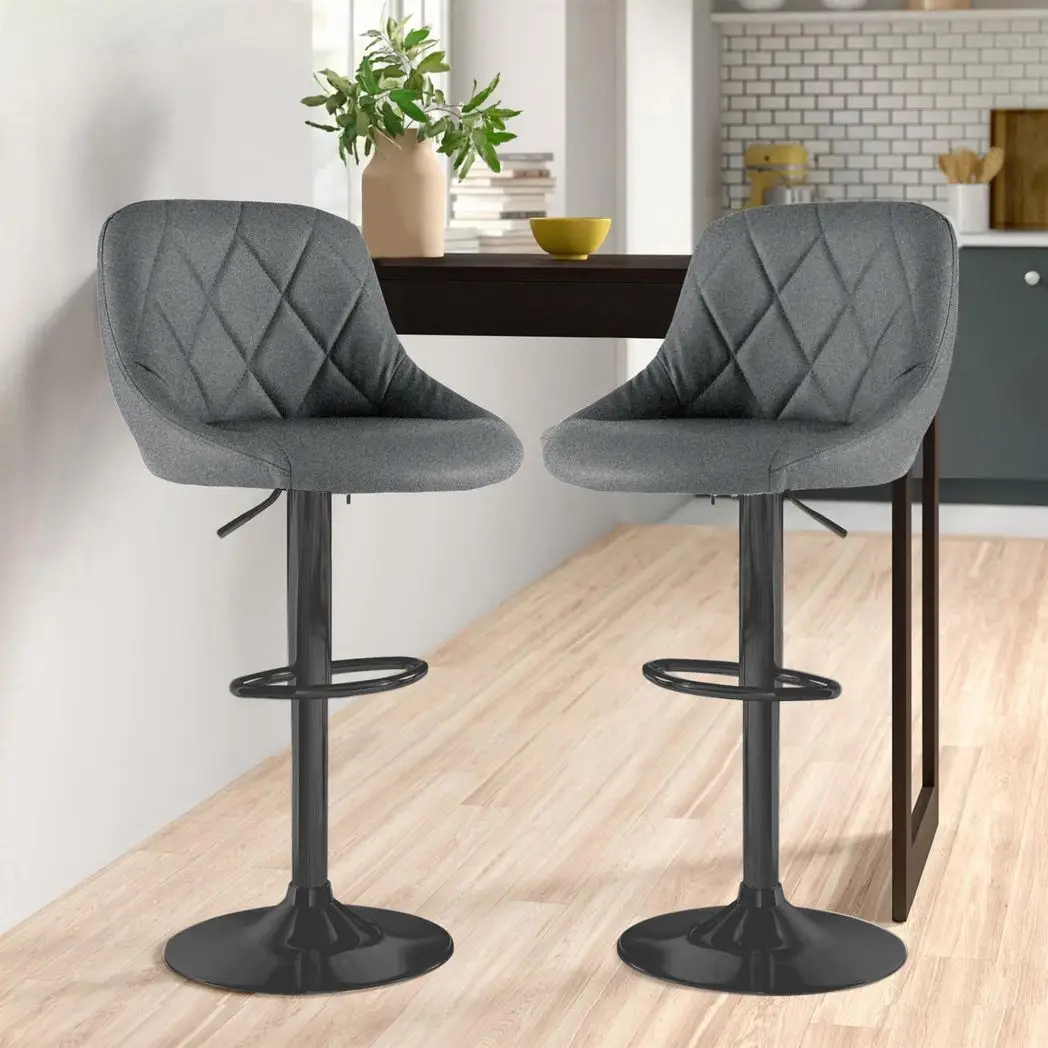
The rule that saves you is to leave a gap of about 25 to 30cm between the seat and the underside of the counter. That's the room your legs need. Too little and you're wedged in, too much and you're eating with your chin near the worktop. If you're not certain your counter fits neatly into one of those brackets, an adjustable gas-lift stool takes the guesswork away completely, since you just raise or lower it until it feels right. Plenty in the range adjust across a useful spread, which is the safe choice when you're unsure.
Backs or no backs? Be honest about how you'll use it
This is the decision people dither over, and the answer comes down to how long you actually sit.
If the island doubles as the dining table, the homework desk and the spot where you linger over a second cup of tea, get stools with backs. That bit of support makes a real difference over a proper meal, and it's the difference between a stool you use and one you avoid. If the counter is more for grabbing a quick breakfast, propping up a laptop for ten minutes, or occasional overflow seating, backless stools are the tidier pick. They slide fully under the counter out of the way, they don't crowd a small kitchen visually, and they're easy to pull out when guests arrive.
There's a footrest point worth making too. On a taller breakfast bar your feet won't reach the floor, so a stool with a built-in footrest or a dual-height bar makes casual dining far more comfortable. It's a small feature that stops the fidgeting.
Match the material to your actual life
Casual dining is, by definition, a bit messy. Spilled juice, dropped toast, sticky fingers. Pick a stool that shrugs that off and you'll be glad every single week.
Faux leather and PU seats are the easy winners for family kitchens, because a spill wipes off with a cloth and you move on. Velvet-touch and fabric seats look softer and warmer, and the good ones handle daily use fine, just steer clear of anything too pale if you've got young children. For frames, powder-coated metal resists scratches and wipes clean, while solid wood brings warmth and takes knocks without looking worse for it. There are also weatherproof rattan and HDPE stools in the range if your casual dining spills out onto a covered patio or garden bar in summer.
Style it to your kitchen, not to a showroom photo
Once the practical boxes are ticked, then you get to enjoy the looks. The trick is matching the stool to the kitchen you've got rather than the kitchen in the magazine.
For a modern, handleless or gloss kitchen, sleek metal-framed stools or clean industrial designs suit the lines and keep things uncluttered. For a classic shaker or country kitchen, wooden stools in warmer tones sit far more naturally against painted units and wood worktops. Open-plan spaces that flow into a living area benefit from upholstered stools in a colour picked up from your sofa or blinds, which ties the whole room together and softens the hard kitchen surfaces. And if you genuinely can't decide, a natural wood finish is the safe all-rounder, since it works with painted units, exposed brick, metal and almost anything else.
One quiet advantage of stools for casual dining is flexibility. Adjustable ones drop down to stand in as extra dining chairs when you've got a full table, and they tuck away neatly the rest of the time. That makes them a smart buy in smaller homes where furniture has to earn its space.
Getting it right, in short
Measure your counter first and choose the seat height to match, leaving that hand-span of legroom underneath. Decide backs or backless based on how long you'll really sit. Pick a wipe-clean material if life at your counter is busy, and only then choose the style that flatters your kitchen. Do it in that order and casual dining at the counter becomes the easy, everyday thing it's meant to be.
You can see the full bar stools range to find the height and style that suit your space, and it's worth a look through the wider dining furniture if you're pulling a whole eating area together. Every order comes with free delivery to UK mainland addresses, dispatch within 3 to 5 working days, and no hidden fees. If you change your mind, returns are welcome, though the return postage would be down to you in that case, while anything faulty is handled separately by the team.