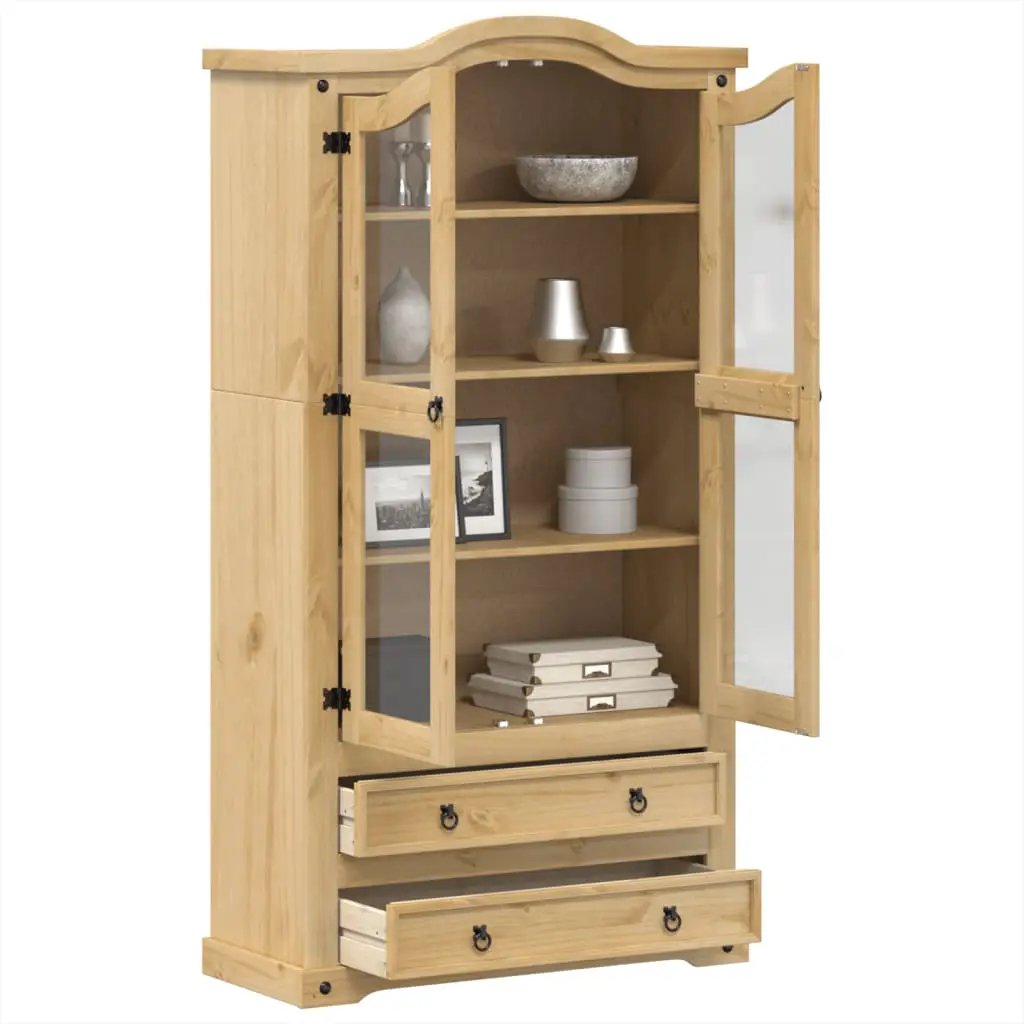
Say "display cabinet" and a lot of people still picture a heavy glass case full of the good china that only comes out at Christmas. That version has had its day. Now the same piece of furniture holds Lego builds, house plants, trainers, cocktail glasses, trophies, holiday finds and the odd bit of proper china too. A display cabinet is really just a tidy, dust-free way to show off the things you like looking at, and one of those pieces that quietly makes a room feel finished. Picking a good one comes down to where it goes, what it'll hold, and a bit of thought about how you fill it.
Freestanding, wall-mounted or corner?
The first choice is footprint, because it decides where the cabinet can live. Wall-mounted units are the space-savers. There's a black glass-door one in the range at £46.55 that's only 9.5cm deep and hangs on the wall, so it turns an empty stretch above a sideboard or along a hallway into display space without eating any floor. Freestanding cabinets give you more height and presence, and suit a living or dining room where you've got a wall to fill. As a rough guide, a tall freestanding cabinet becomes a feature in its own right, while a lower one sits neatly under a window or between sofas. Corner designs are the clever pick for awkward rooms, tucking into the angle most furniture ignores. Measure the gap first, depth included, since a slim wall unit and a full freestanding cabinet ask very different things of a room.
The glass is the whole point
What separates a display cabinet from an ordinary shelf is the glass. Doors keep dust and sticky fingers off your things while still letting you see them, which is exactly what open shelving can't do. It's the difference between a collection that looks looked-after and one you're forever wiping down. Sliding doors, like the ones on that wall unit, are handy in tight spots because they don't swing out into the room. Hinged doors open wider for getting larger pieces in and out. If you want the contents to stand out after dark, some cabinets come with built-in lighting, though a nearby lamp does a similar job on an unlit one for less.
Check what it'll actually hold
Here's the bit people skip and then regret. Match the cabinet to the weight of what you want to show. That slim wall-mounted unit takes up to 2kg per shelf, which is plenty for photo frames, ceramics, small plants and keepsakes, but it's not the place for a stack of dinner plates or heavy cut glass. If your display runs to proper china, decanters or a row of trophies, go for a sturdier freestanding cabinet built for the load. Adjustable shelves earn their keep too. Being able to move them between positions means you can make headroom for a tall vase on one shelf and line up smaller pieces below without wasting an inch.
Where it works around the house
A display cabinet earns its spot in more rooms than you'd think. In the living room it's a natural home for photos, ceramics and the things that actually say something about you. In the dining room it's the classic place for glassware and china, on show but protected between uses. It works just as well in an open-plan space, marking the line between the living and dining ends of a room while keeping glasses within reach. Hallways are underrated, since a slim wall cabinet keeps travel finds and small keepsakes safe without narrowing the space. And in a home office, glass doors turn books, awards and bits of kit into something that looks deliberate rather than piled up.
Styling it so it looks curated, not cluttered
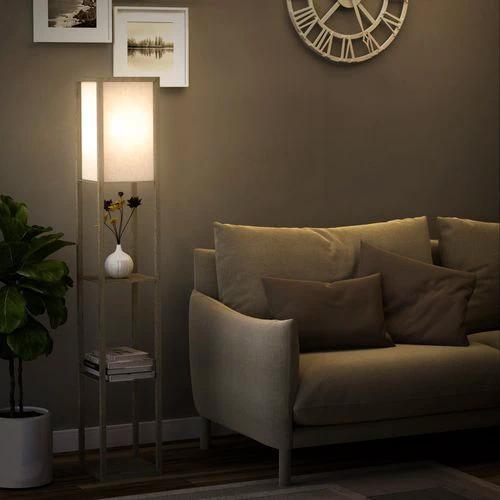
This is where a display cabinet is made or ruined. The temptation is to cram it, and a full cabinet just reads as clutter behind glass. Less honestly looks like more here. Pick your favourites, leave space around them, and let each piece breathe. Grouping by colour or theme pulls a mixed set of objects together, so a shelf of greenery or a run of clear glass looks intentional rather than random. Vary the heights, use those adjustable shelves to build in a bit of rhythm, and keep the busiest shelf at eye level where it lands first. A lamp nearby or a piece of wall art above finishes the corner off, and a well-placed photo frame or two inside adds a personal note. Restyle it every so often and it stays interesting.
Work out the room, match the cabinet to what you're displaying, then have some fun filling it. Browse the full display cabinets range to see the sizes and styles side by side, or the wider living collection if you're pulling a whole corner together.
Delivery and returns
Every display cabinet ships free to UK mainland addresses, excluding Northern Ireland, with no hidden fees at checkout. Orders are dispatched within 3 to 5 working days. Change your mind and you can return an unused item in its original packaging, with the return postage covered by you on change-of-mind returns. If anything arrives damaged or faulty, we'll put it right at no cost to you.