What makes a barrier mat different
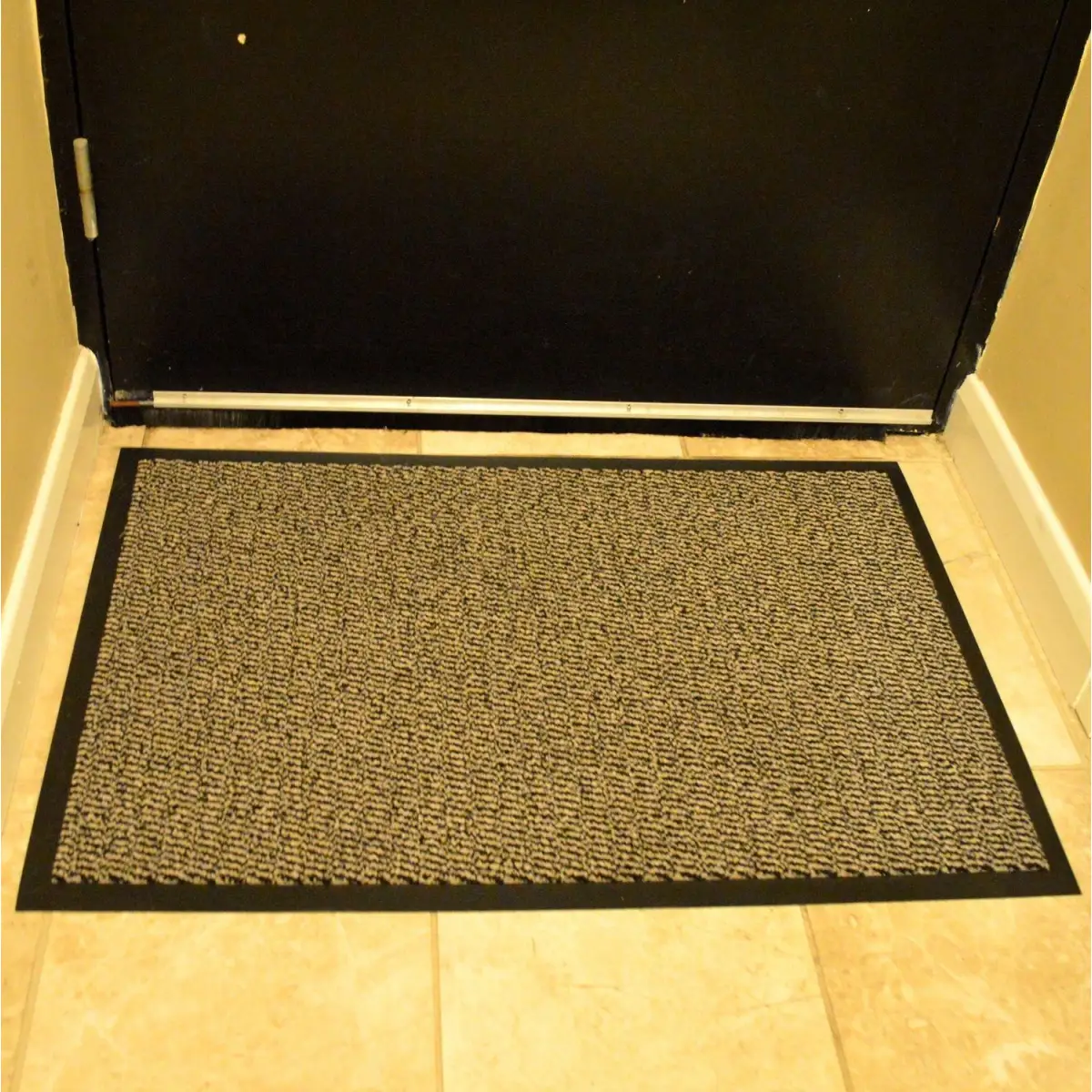
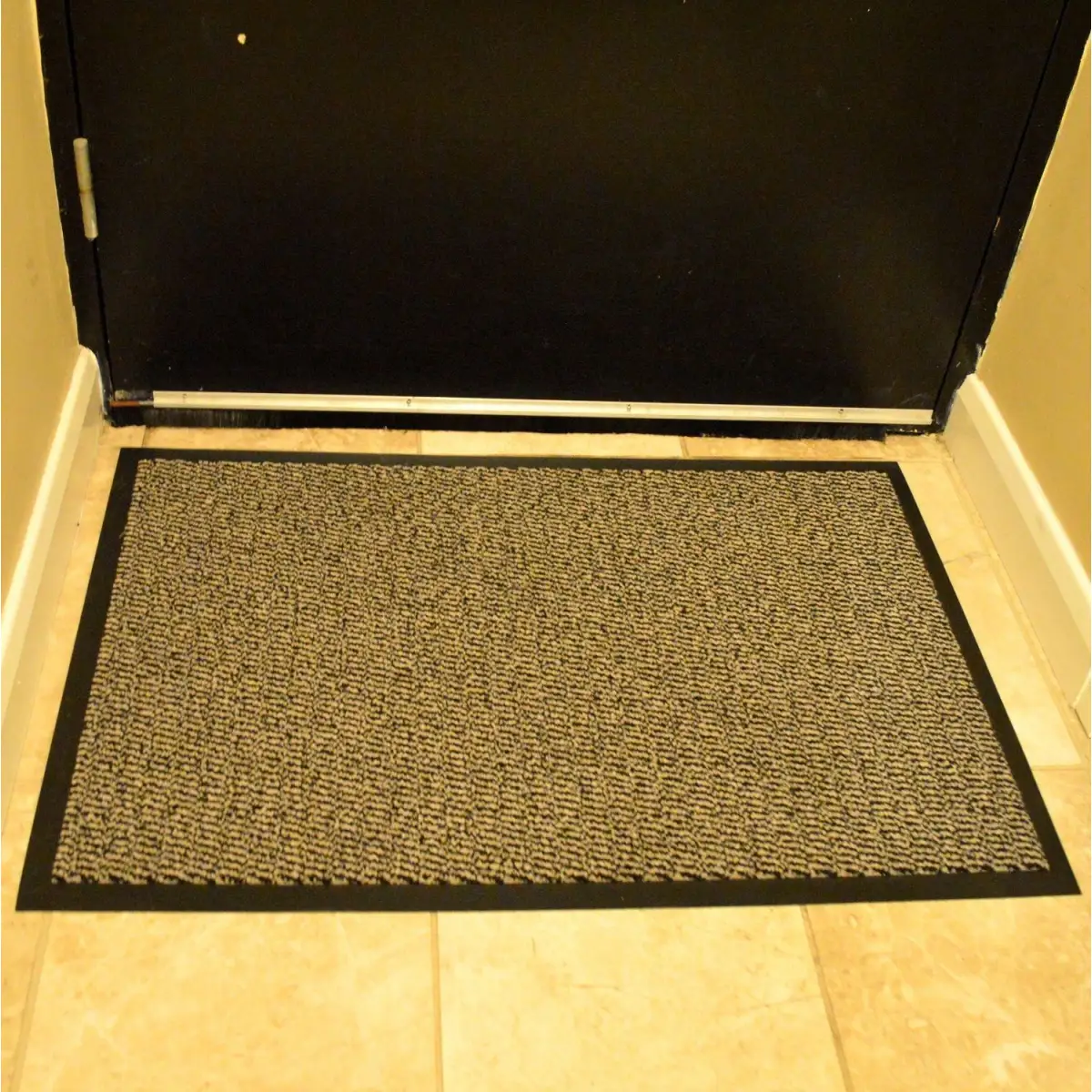
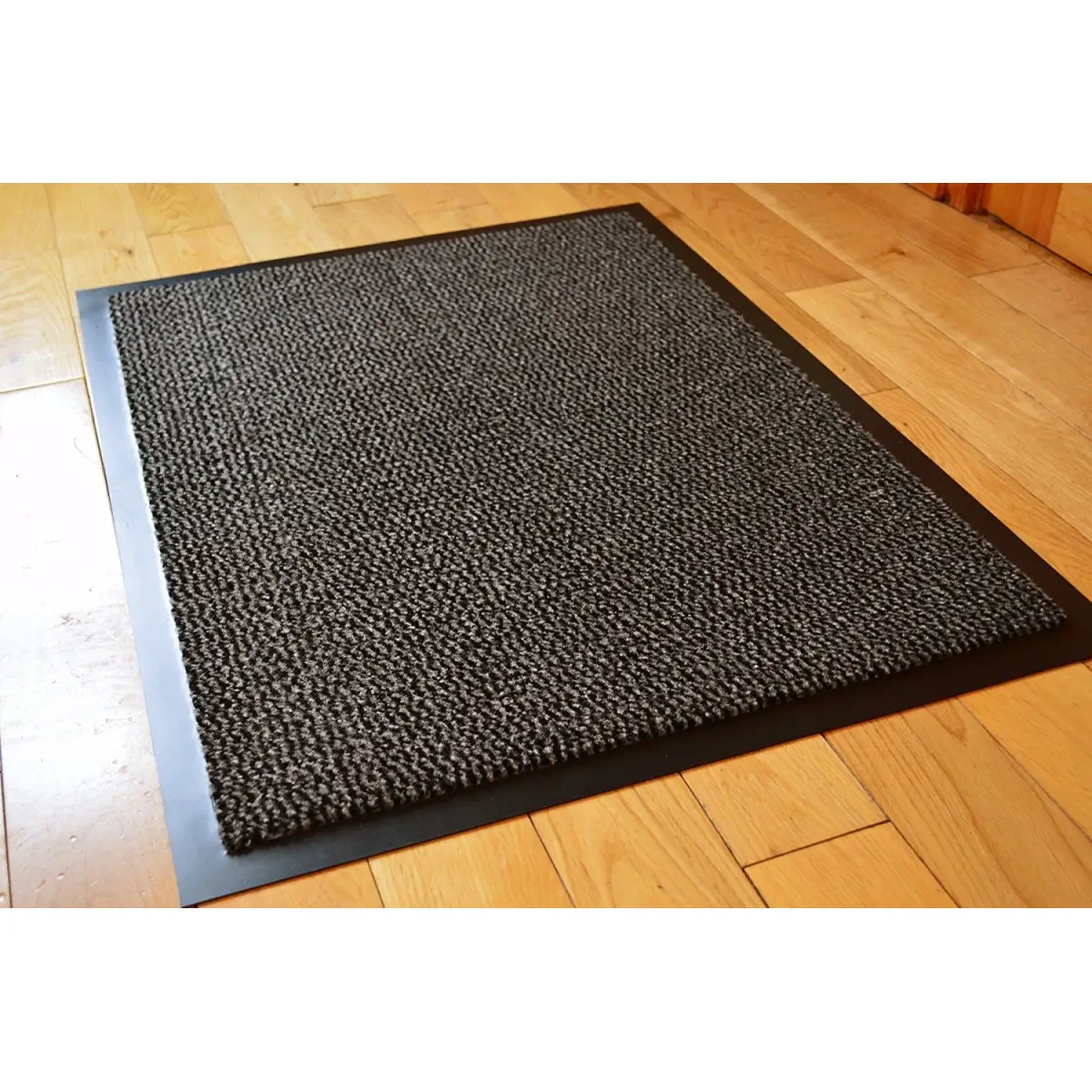
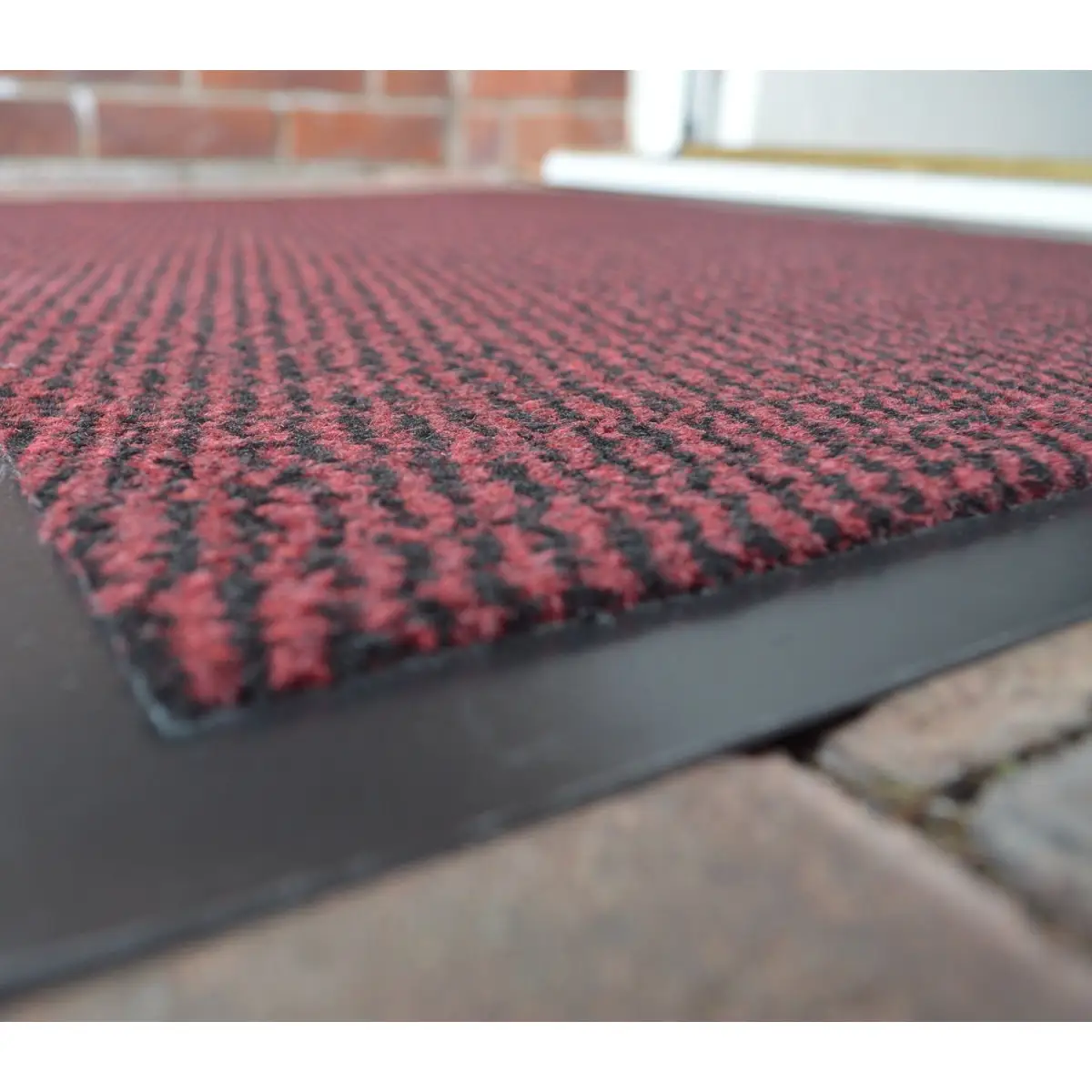
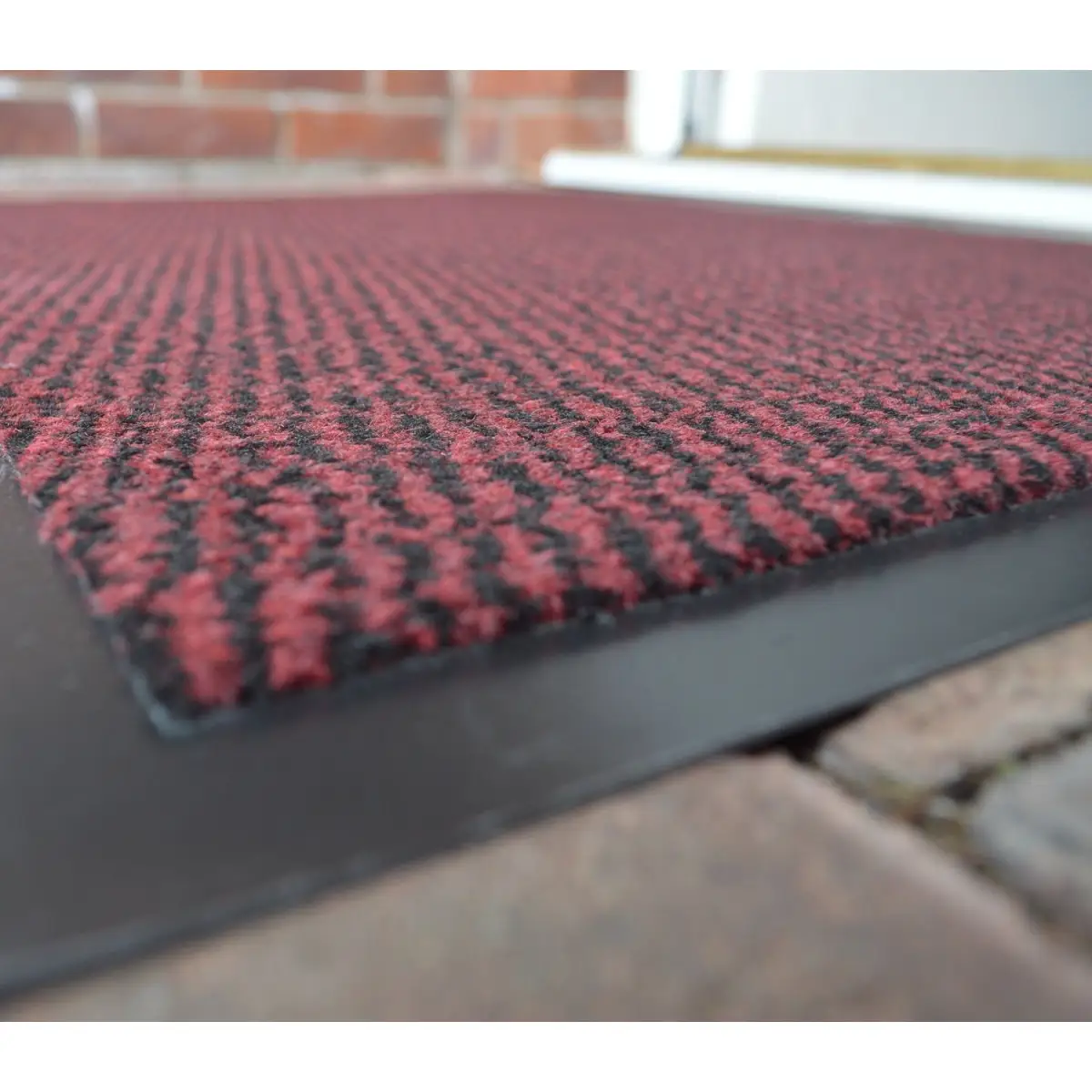
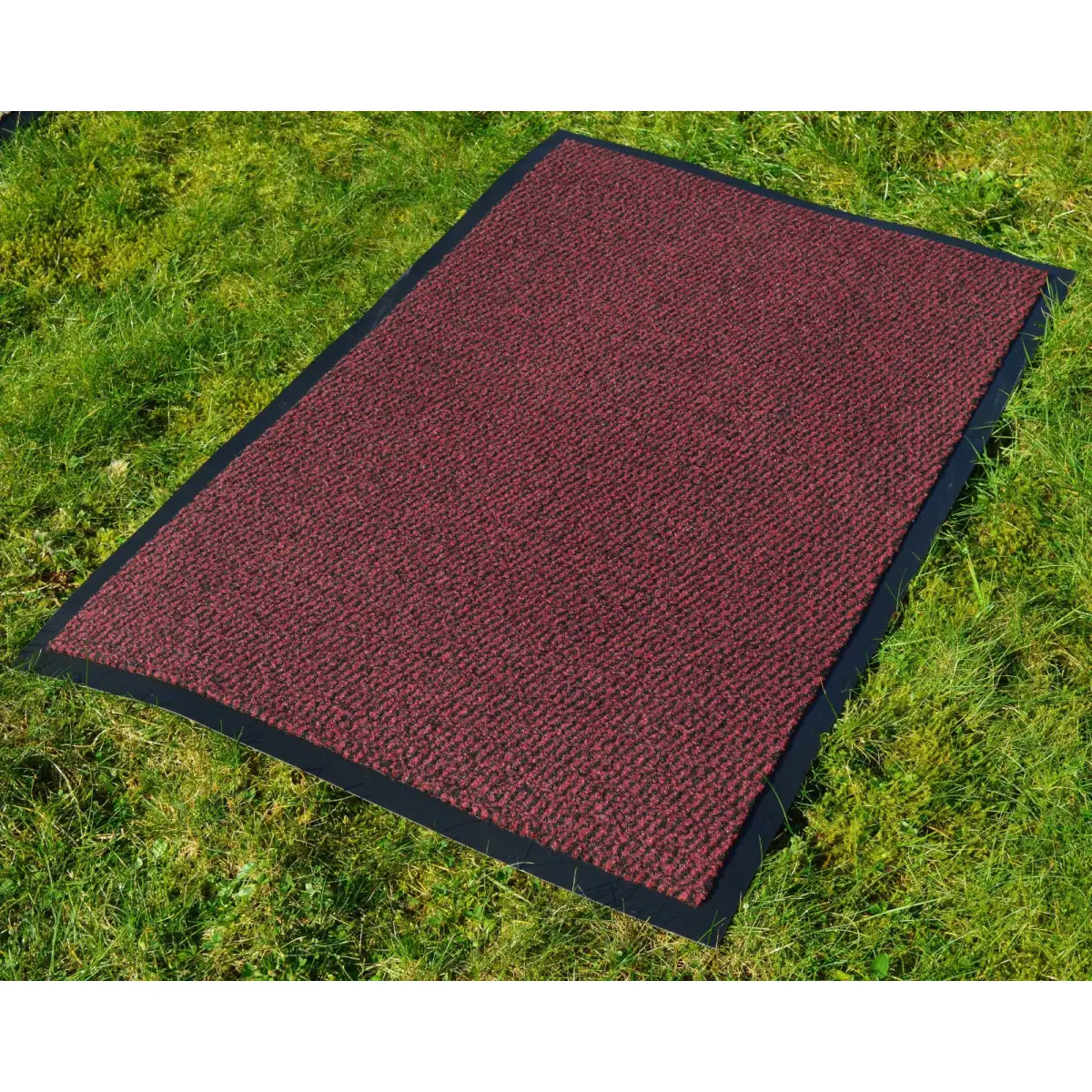
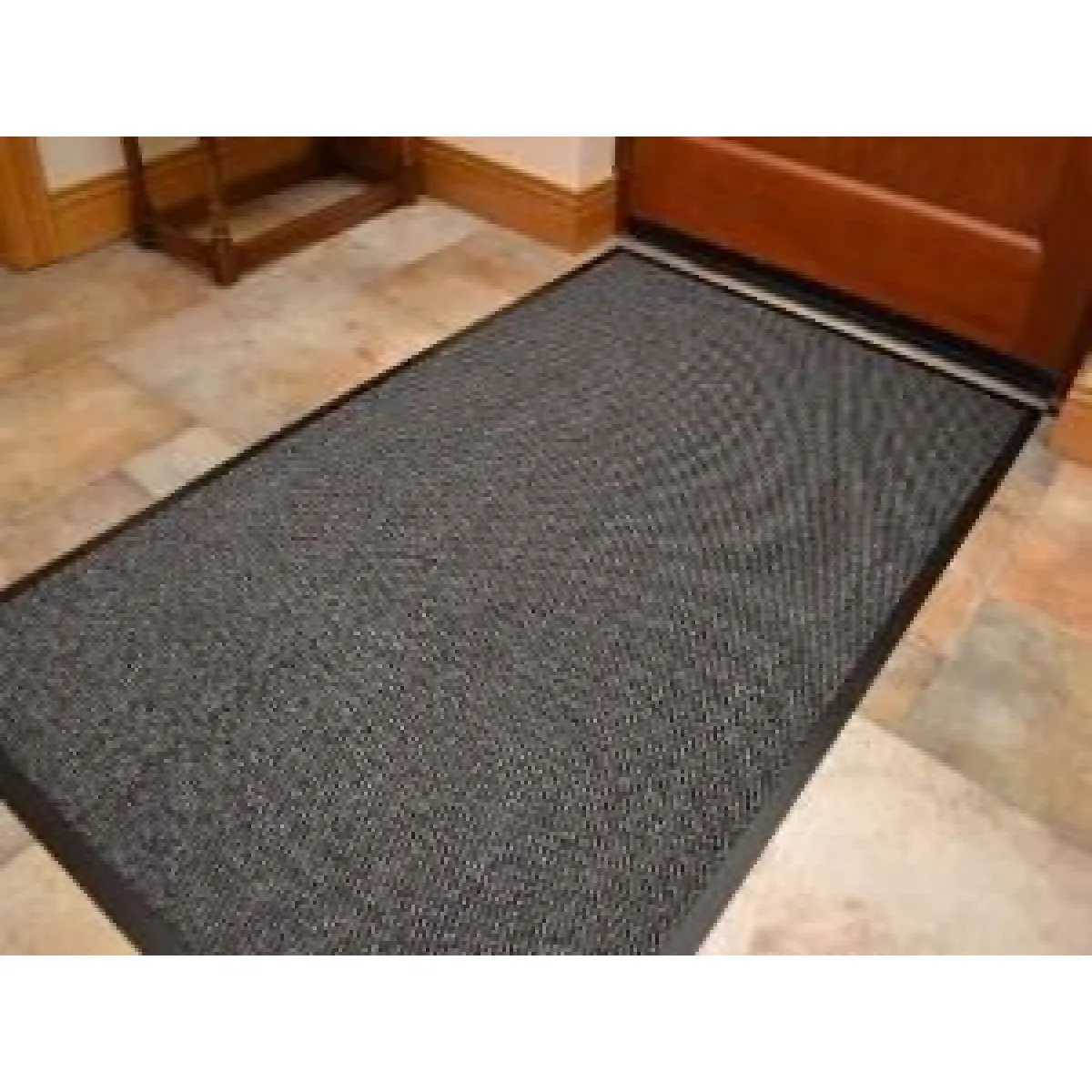
Three things do the work. The pile is short, dense and abrasive, which lifts grit and mud off shoes instead of letting it pass over the top. The fibres are absorbent, so rainwater stays in the mat rather than being tracked onward as wet footprints. And the backing is a heavy non-slip material with bound or PVC edges, which keeps the mat flat and stops the corners curling into a trip hazard. A decorative rug fails on all three counts. It'll look nice for a fortnight and then look grubby.
Working out the right size
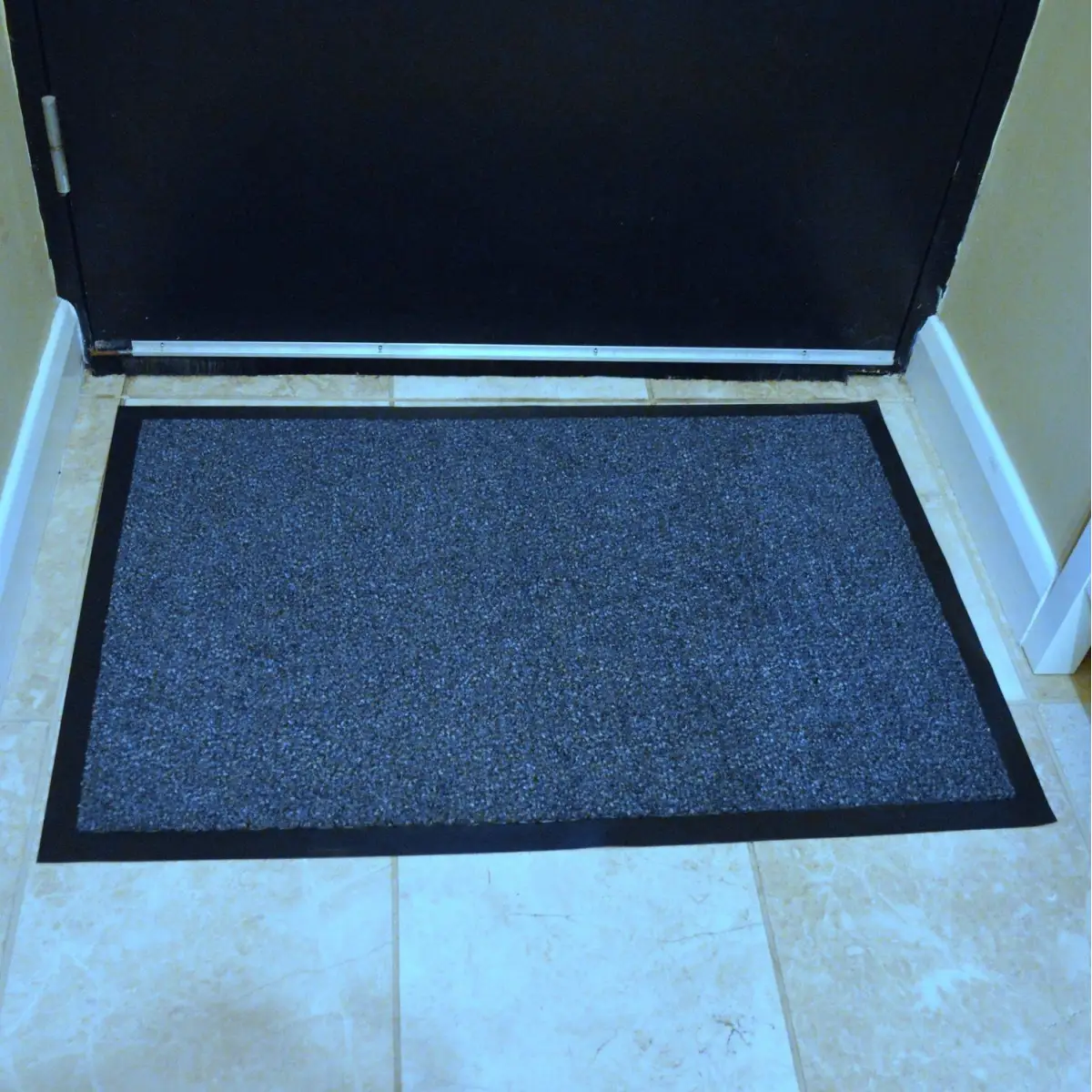
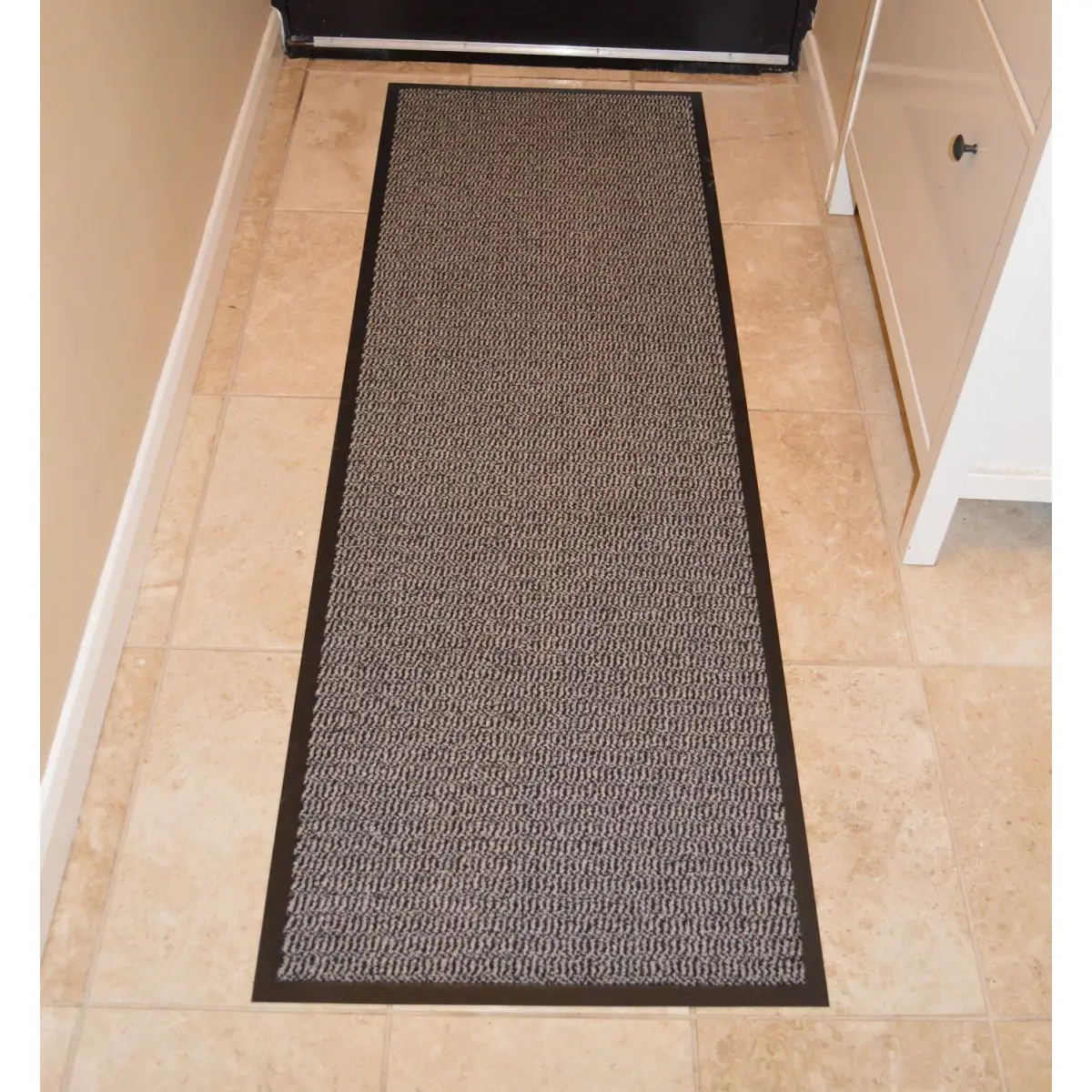
The rule of thumb is that a mat should give someone at least two full strides before they reach clean flooring. One stride removes a fraction of the dirt. Three or four removes most of it. For a standard front door, 60 x 90cm or 80 x 120cm is usually enough. For a wider entrance, a porch or a back door that opens onto a garden, go for 80 x 180cm or larger. Long hallways and shared entrances suit the 80 x 200cm and 80 x 300cm runners. Measure the doorway first and check the door has clearance to swing over the mat.
Where they make a difference
Front and back doors are the obvious spots. Utility rooms and boot rooms are the next, particularly if you've got dogs coming in off wet fields. Home offices with a separate outside door benefit too, as does the top of a set of stairs where people bring outdoor shoes upstairs. Plenty of our customers use them in shops, salons, village halls and small workshops, where the mats get walked on hundreds of times a day and still hold up.
Choosing a colour that stays looking decent
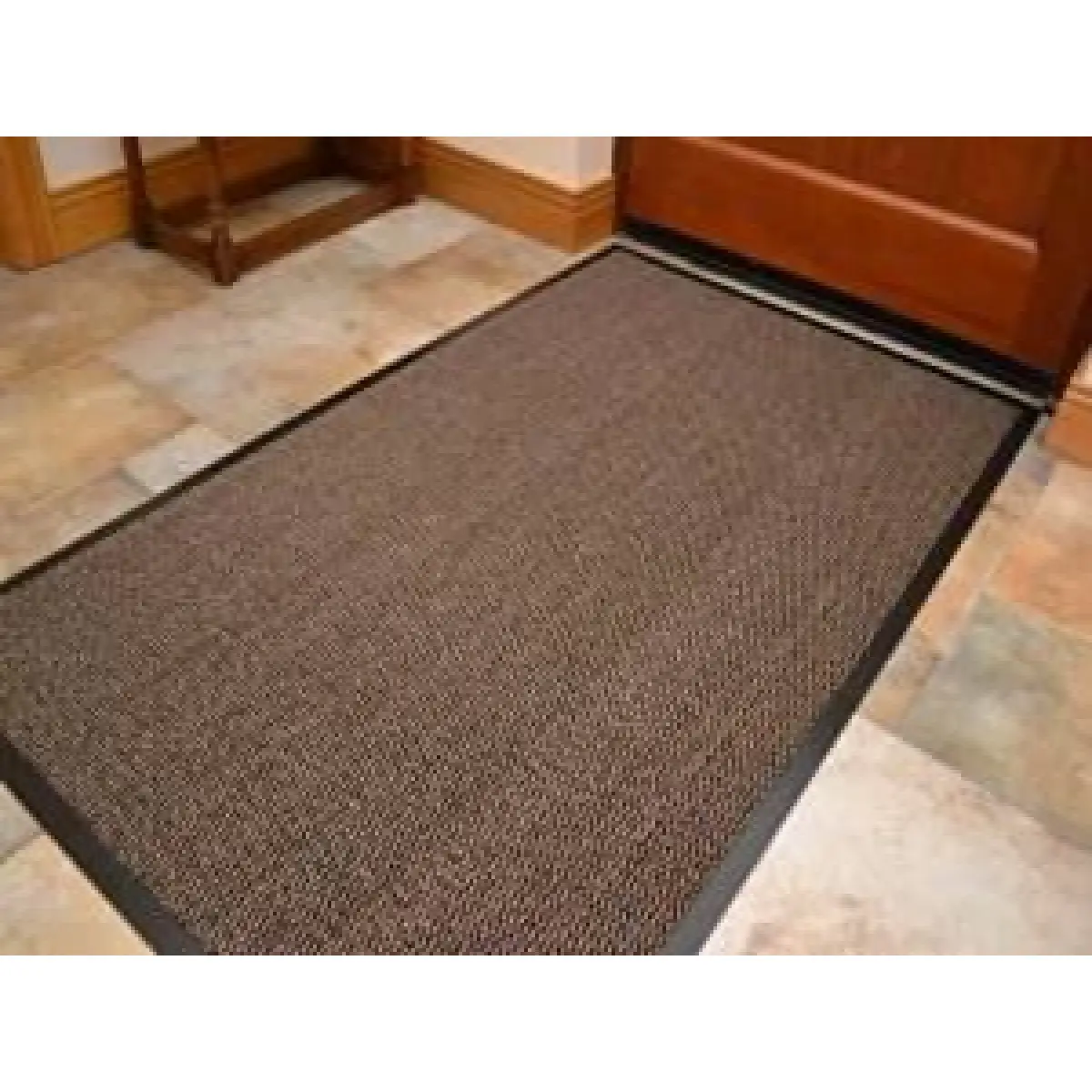
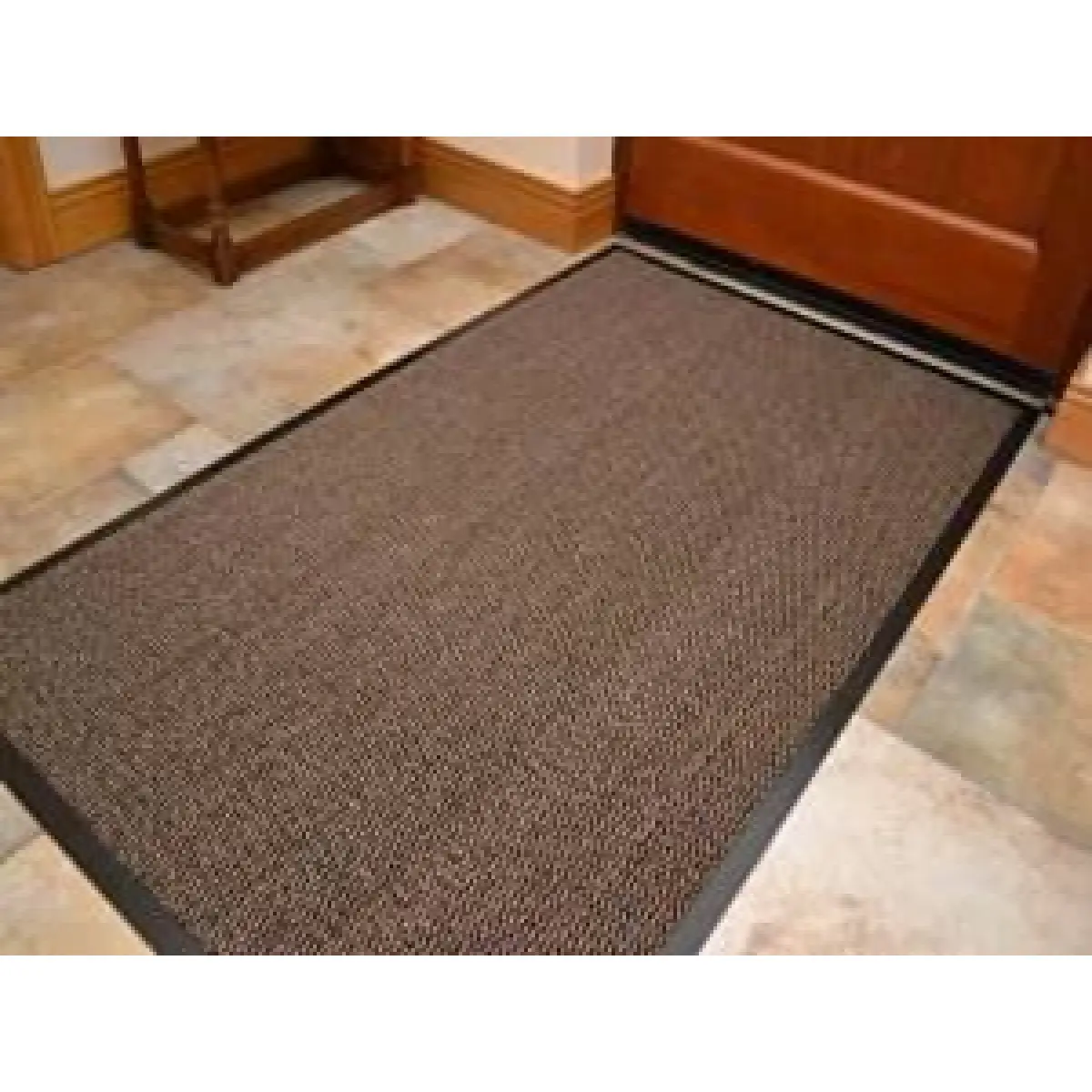
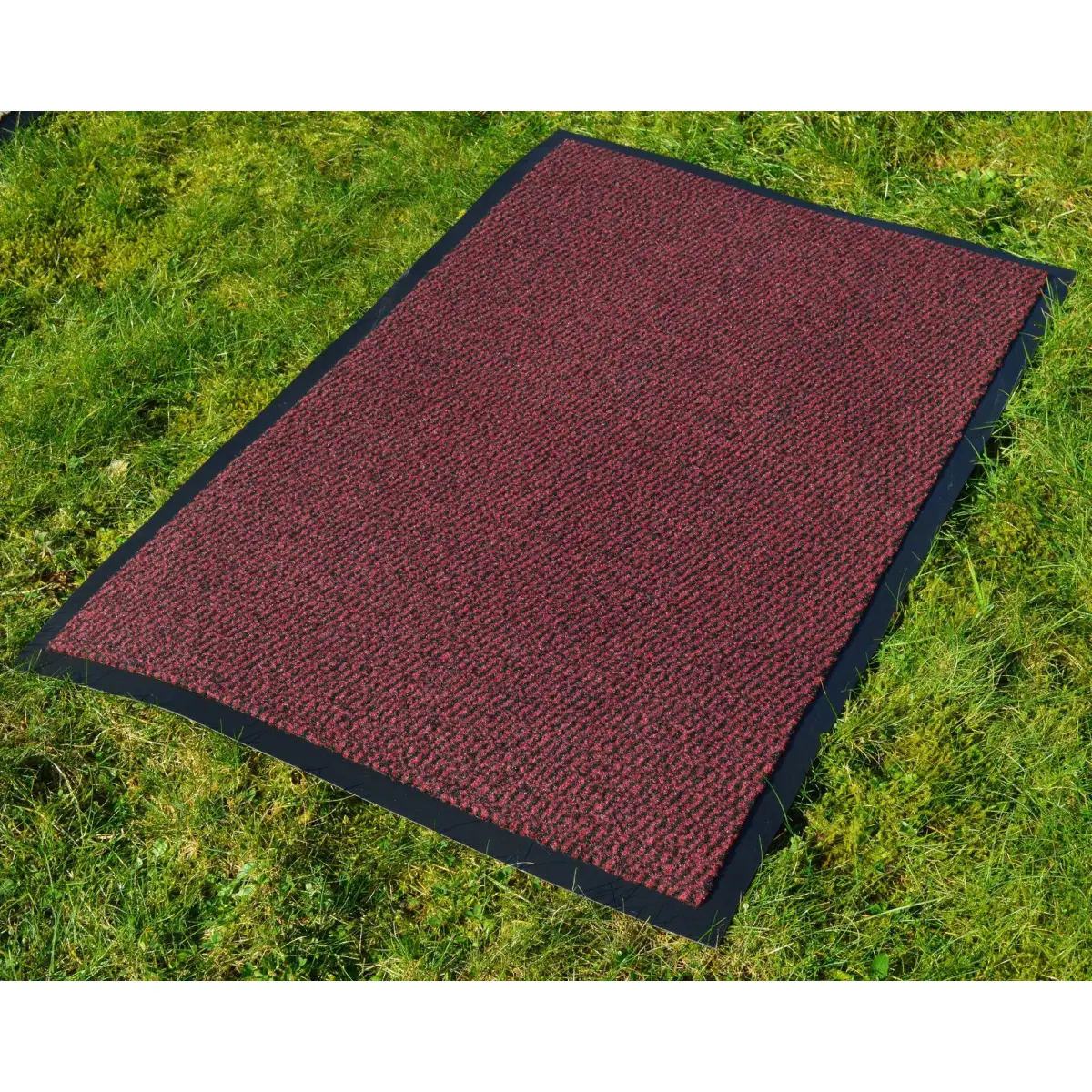
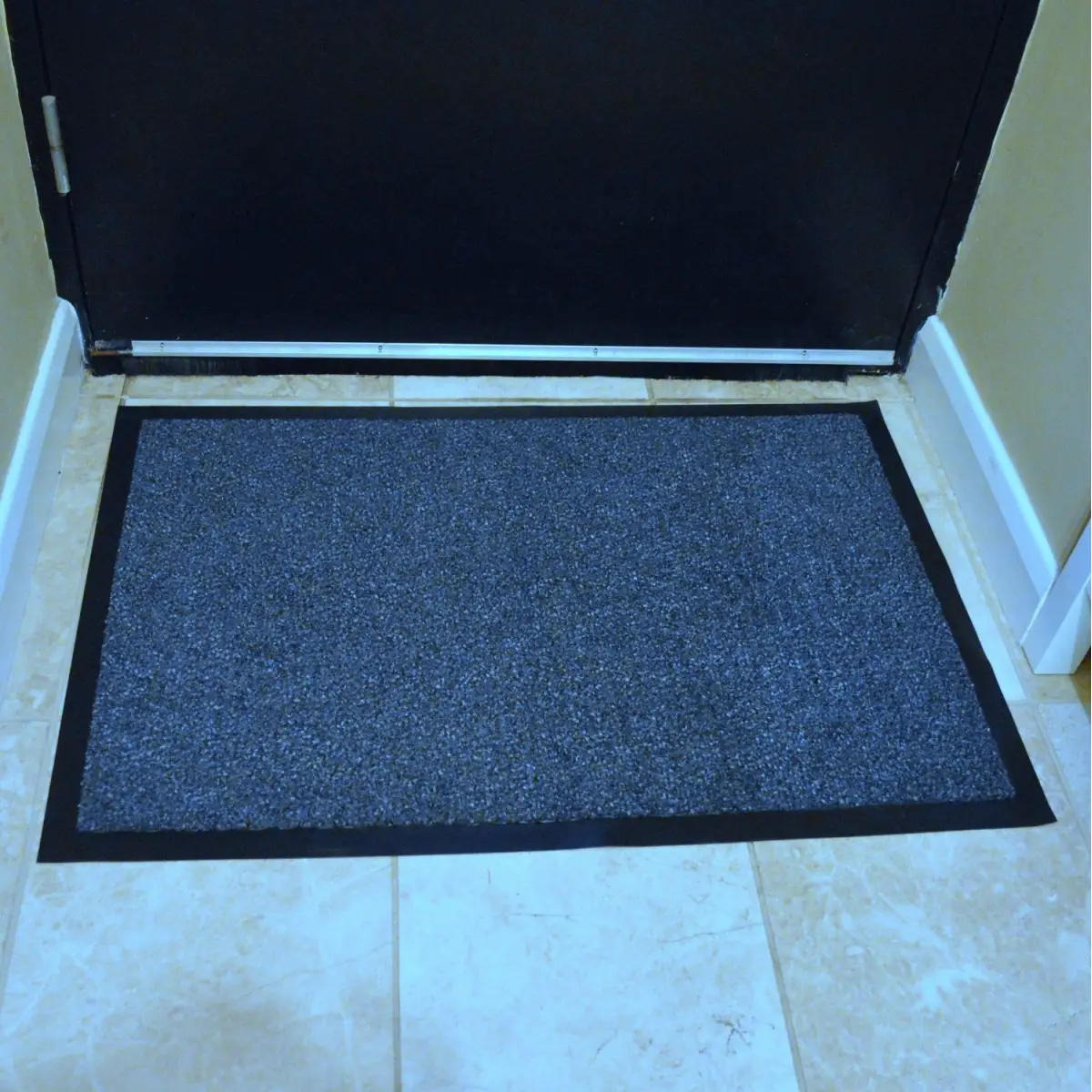
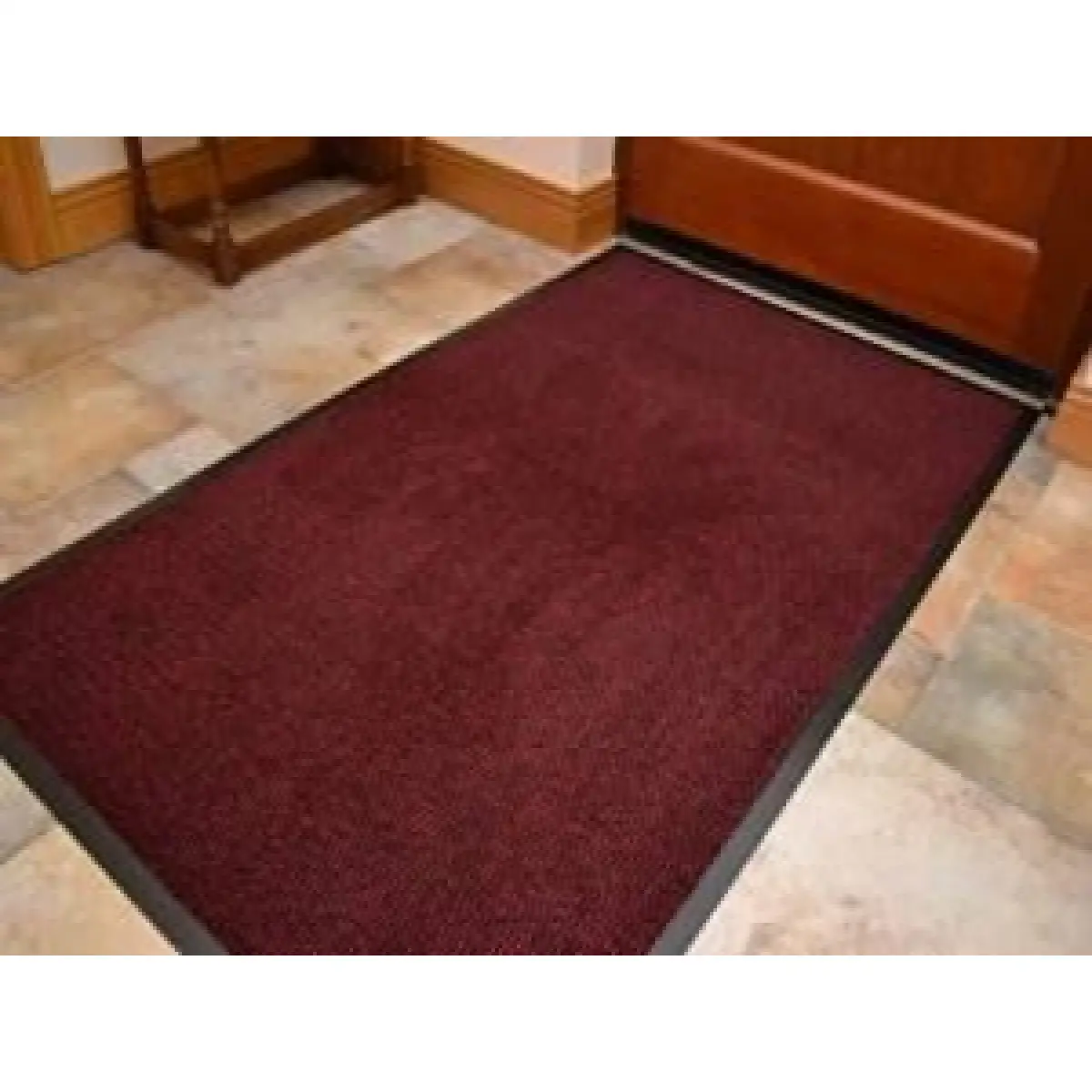
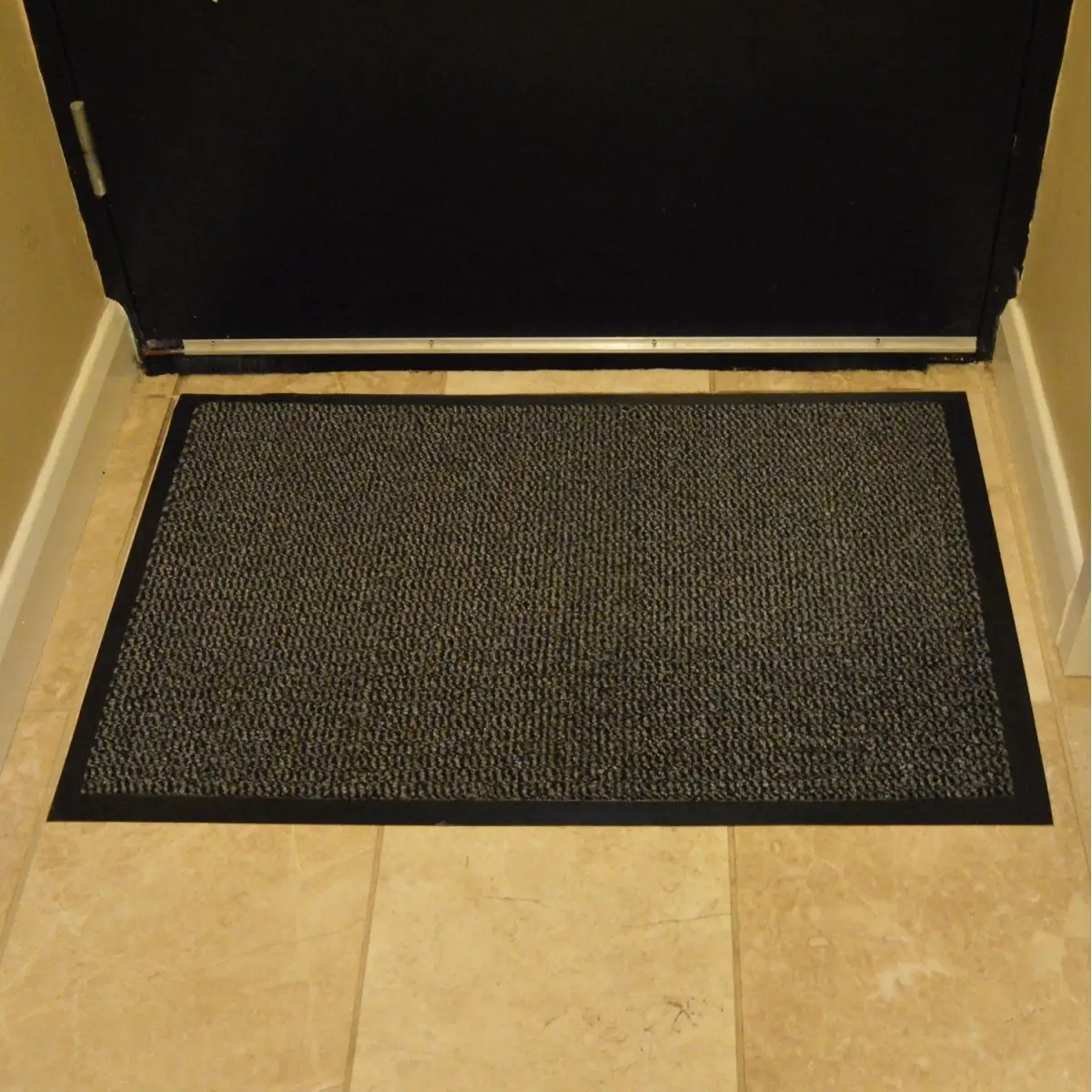
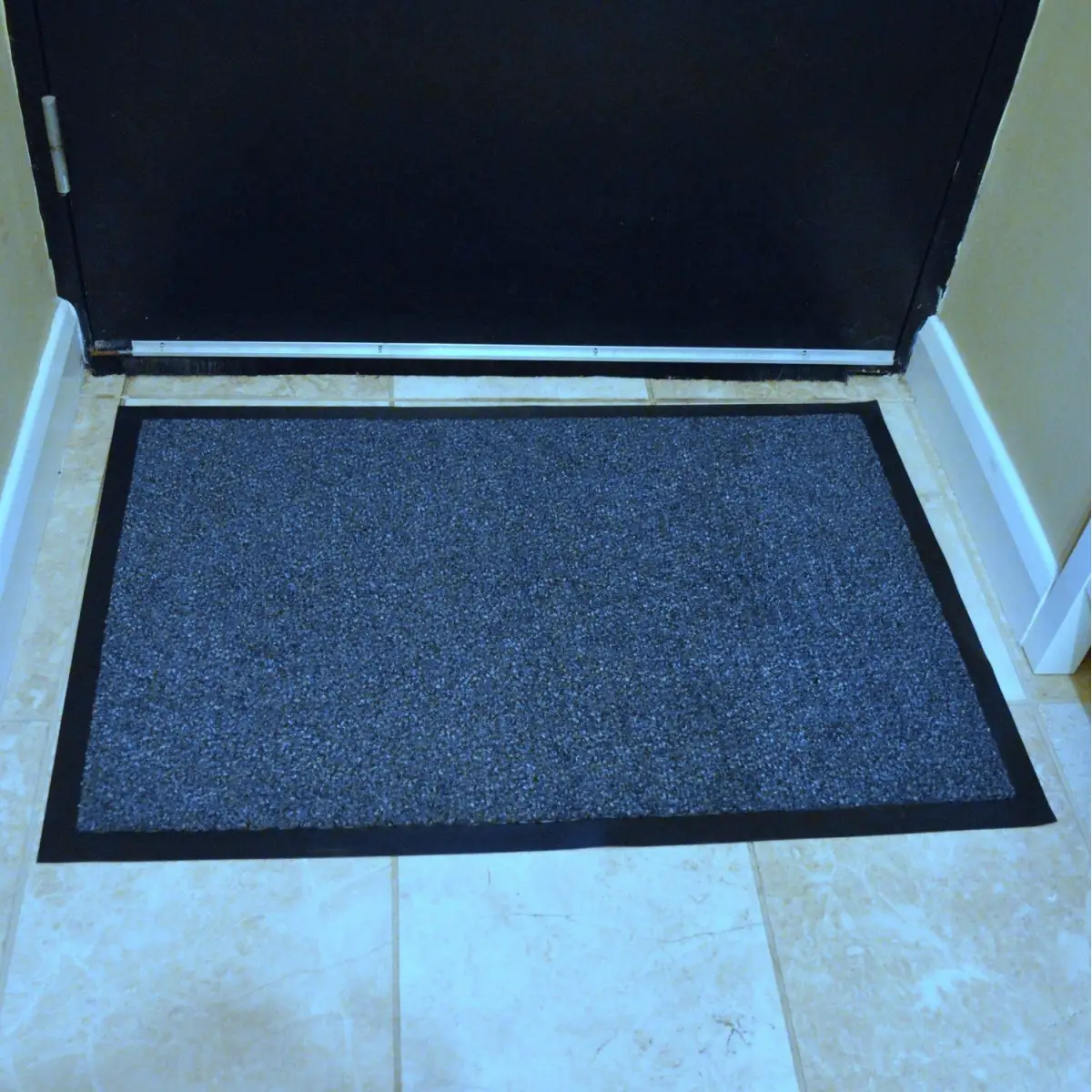
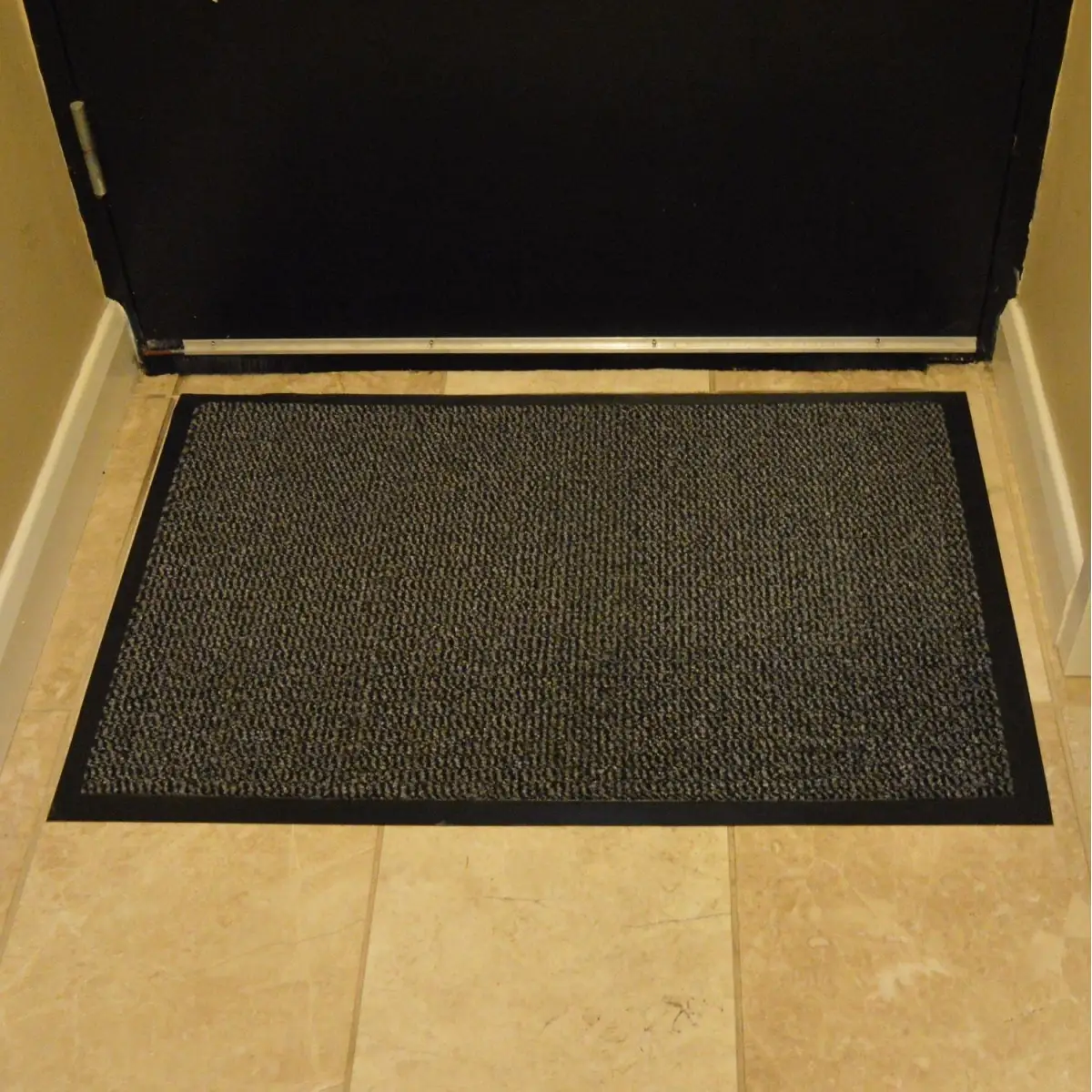
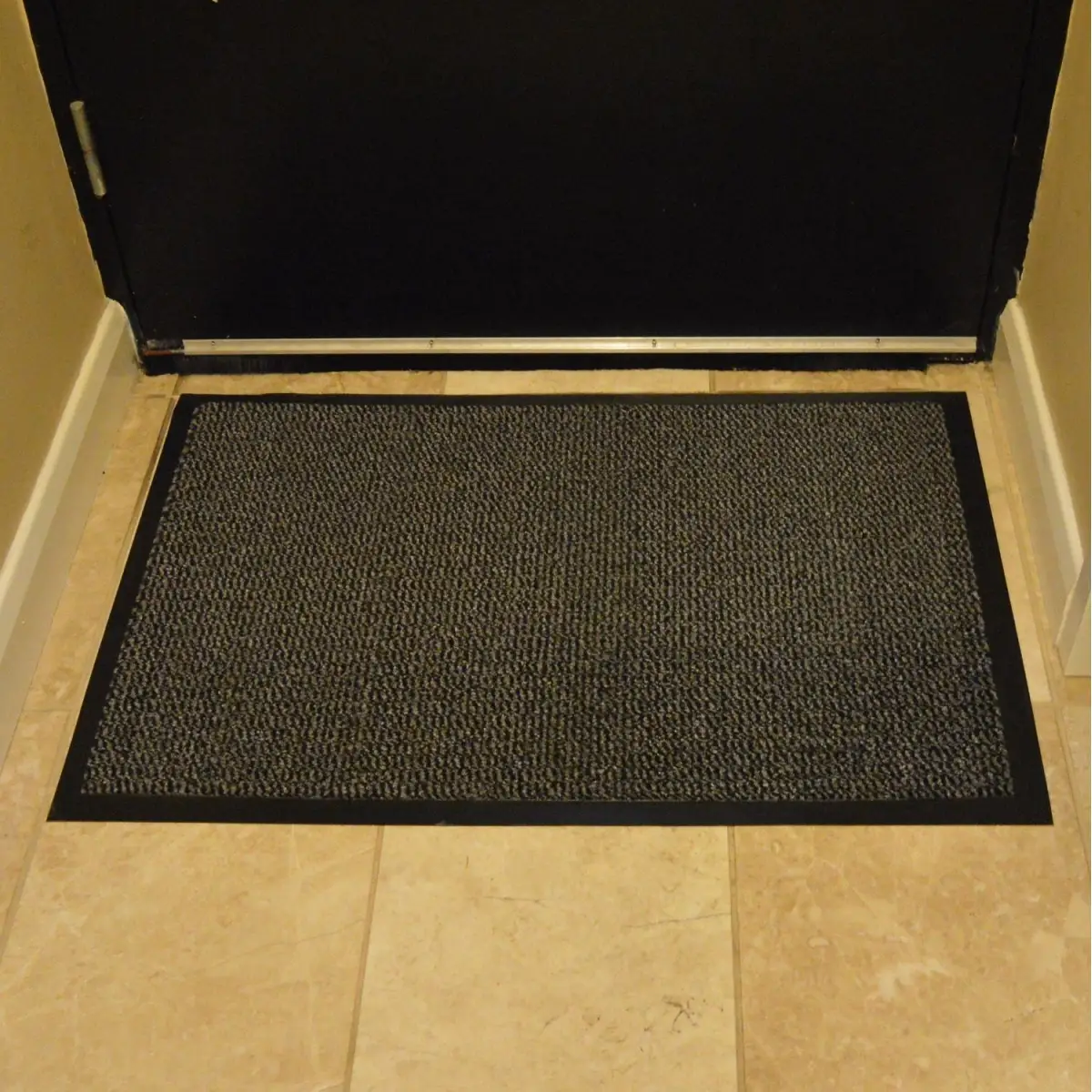
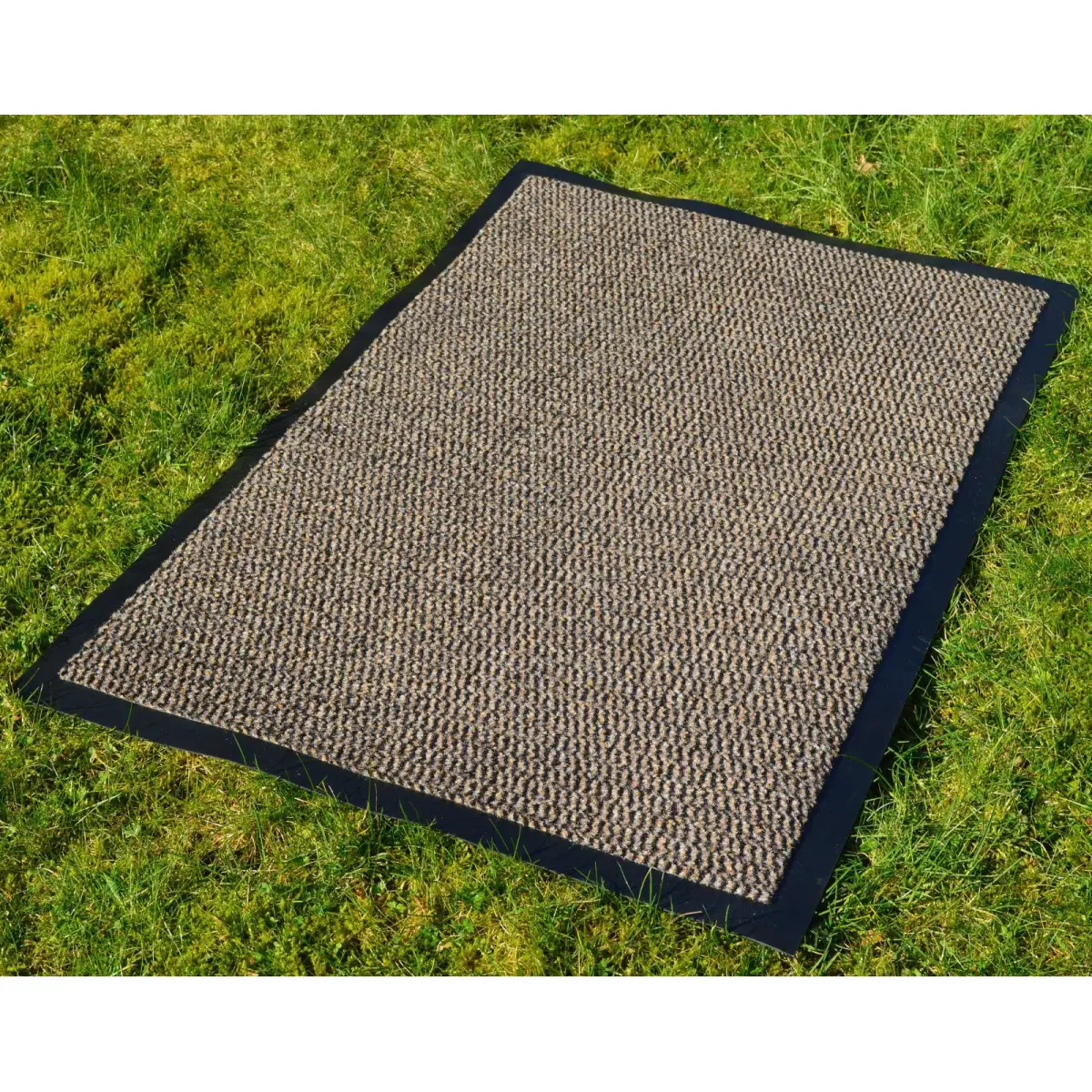
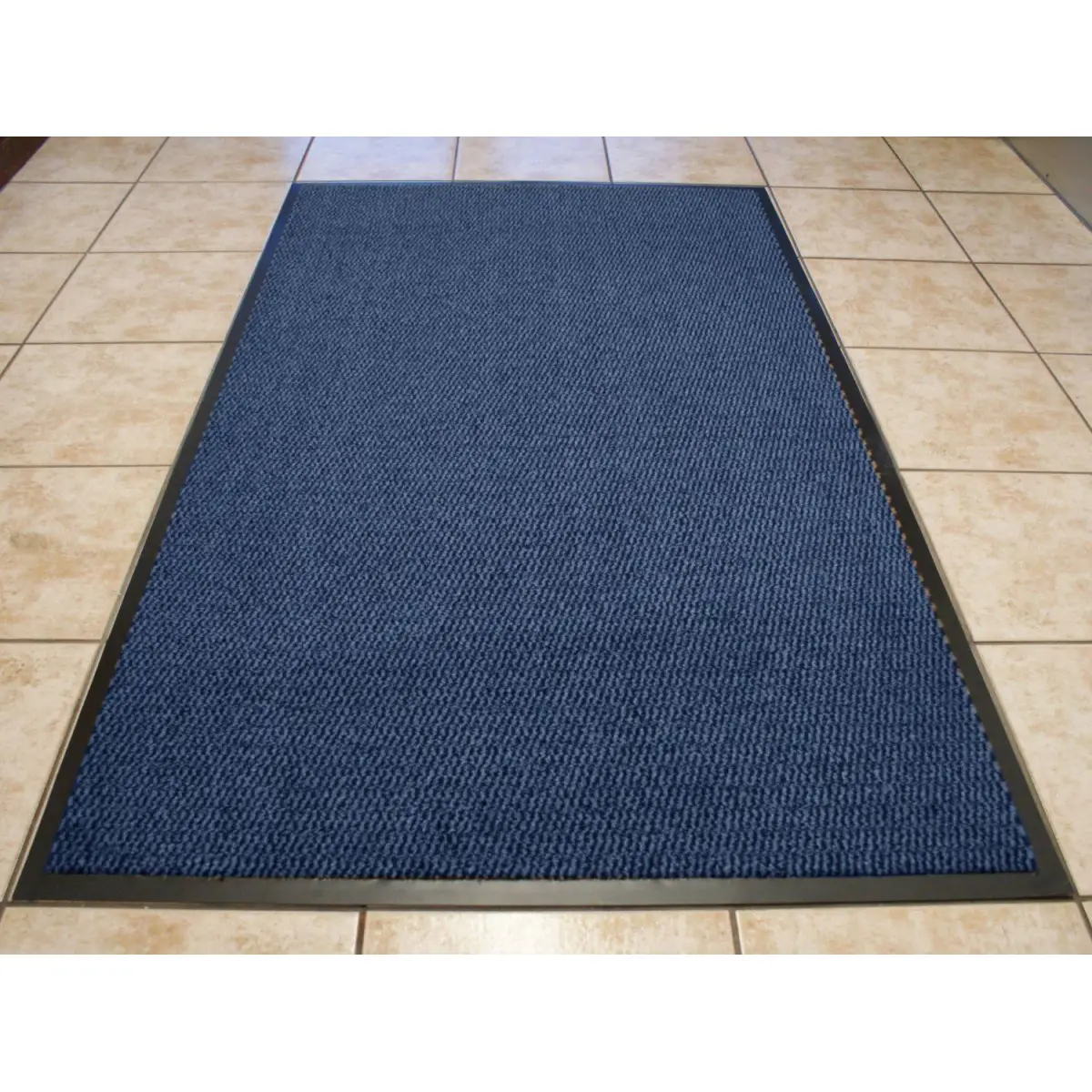
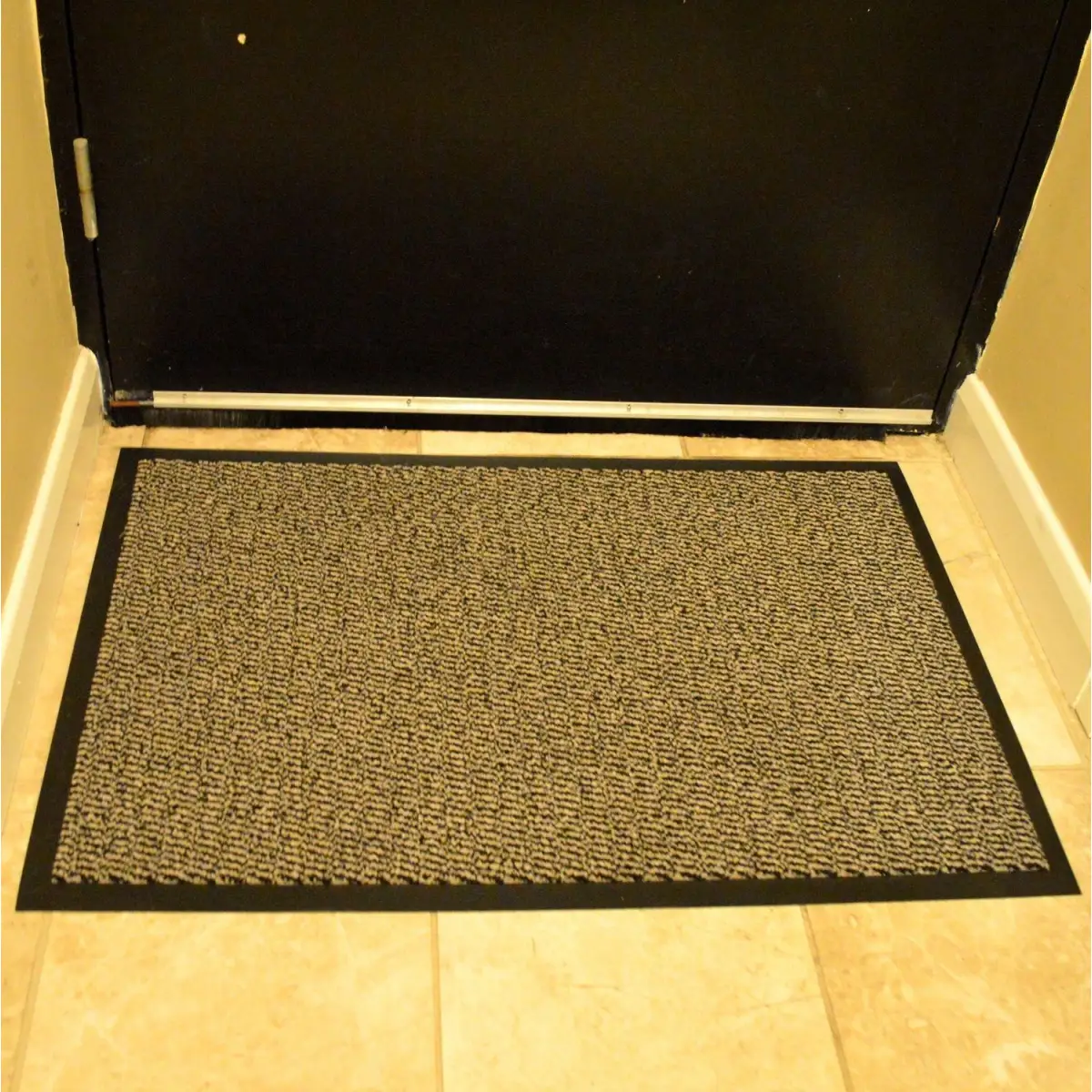
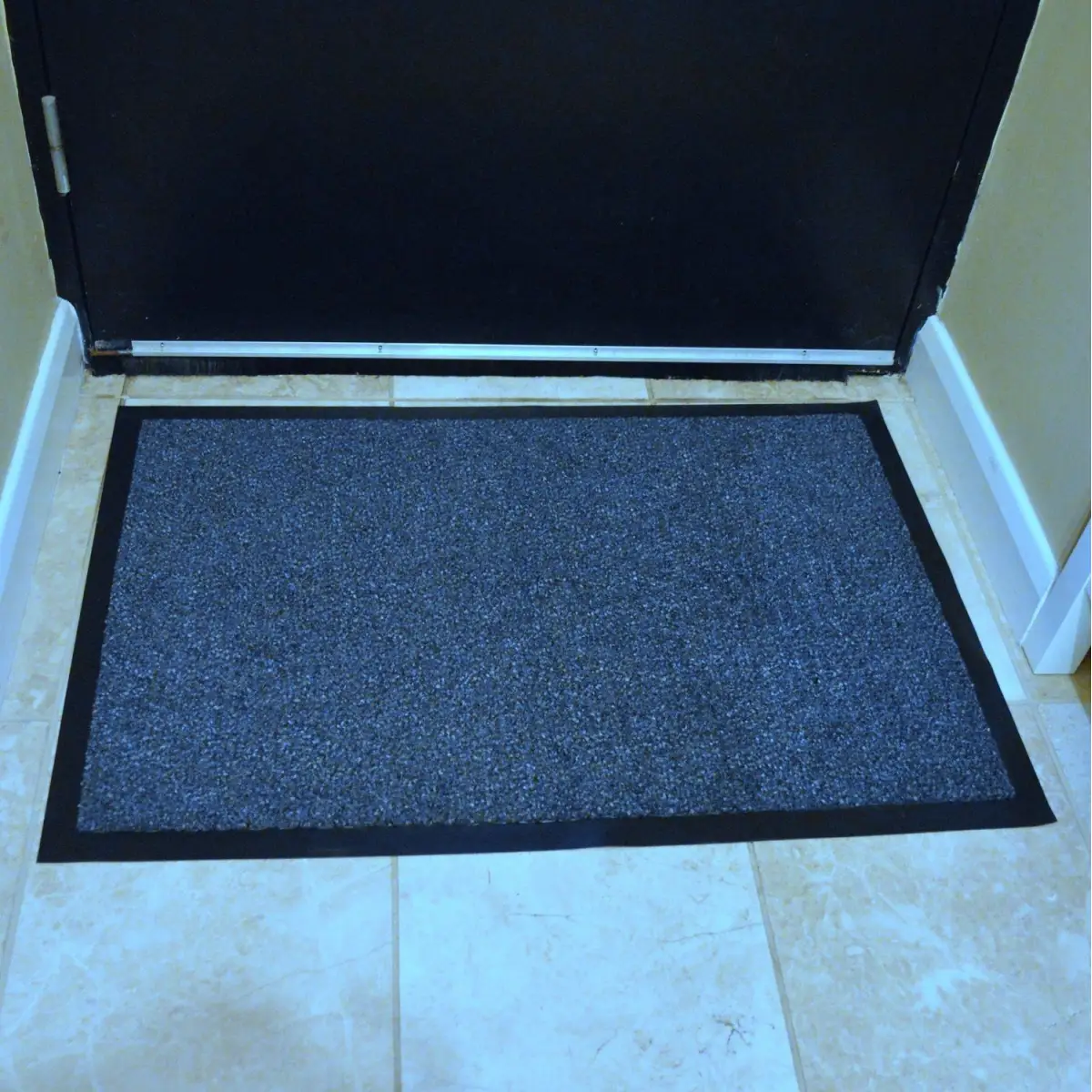
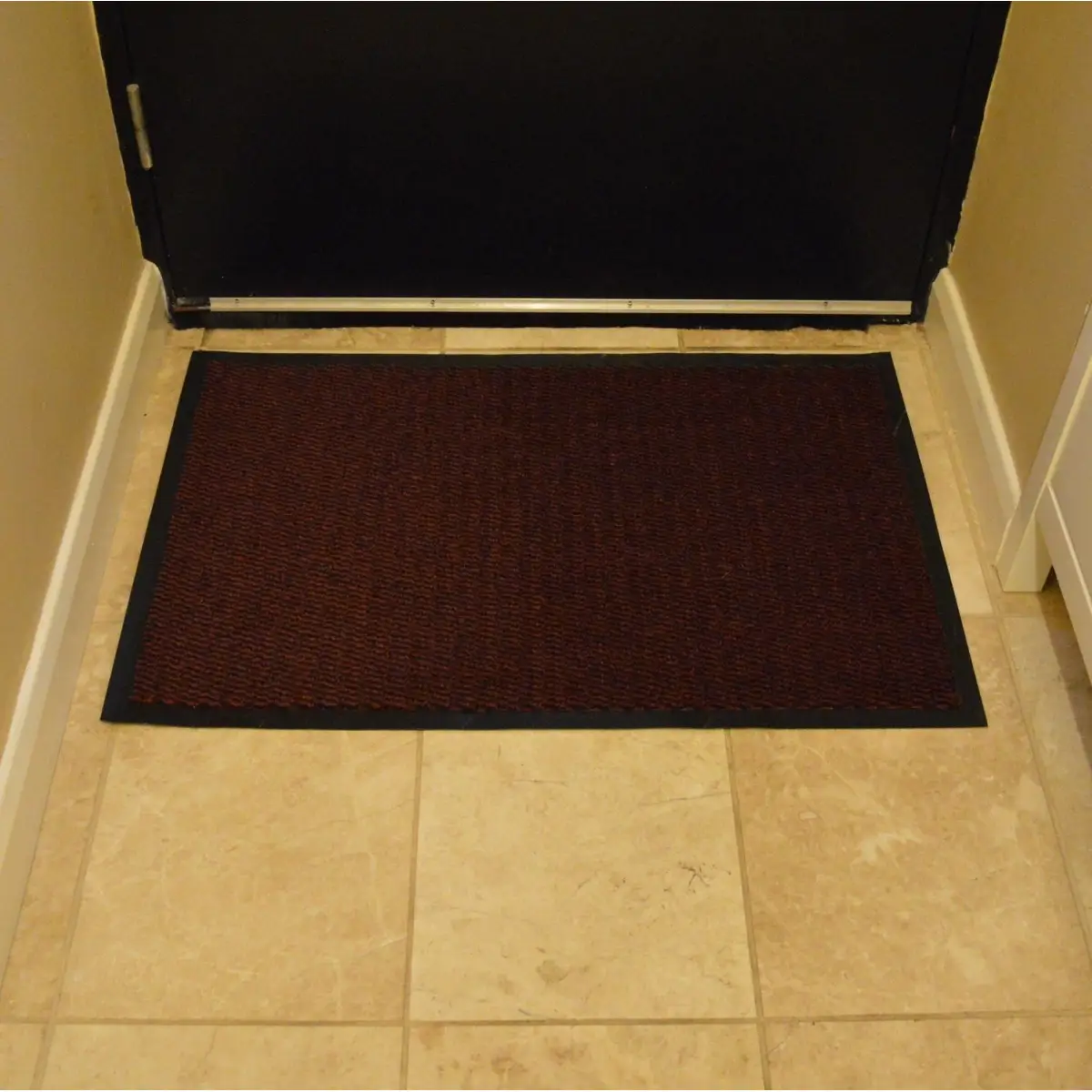
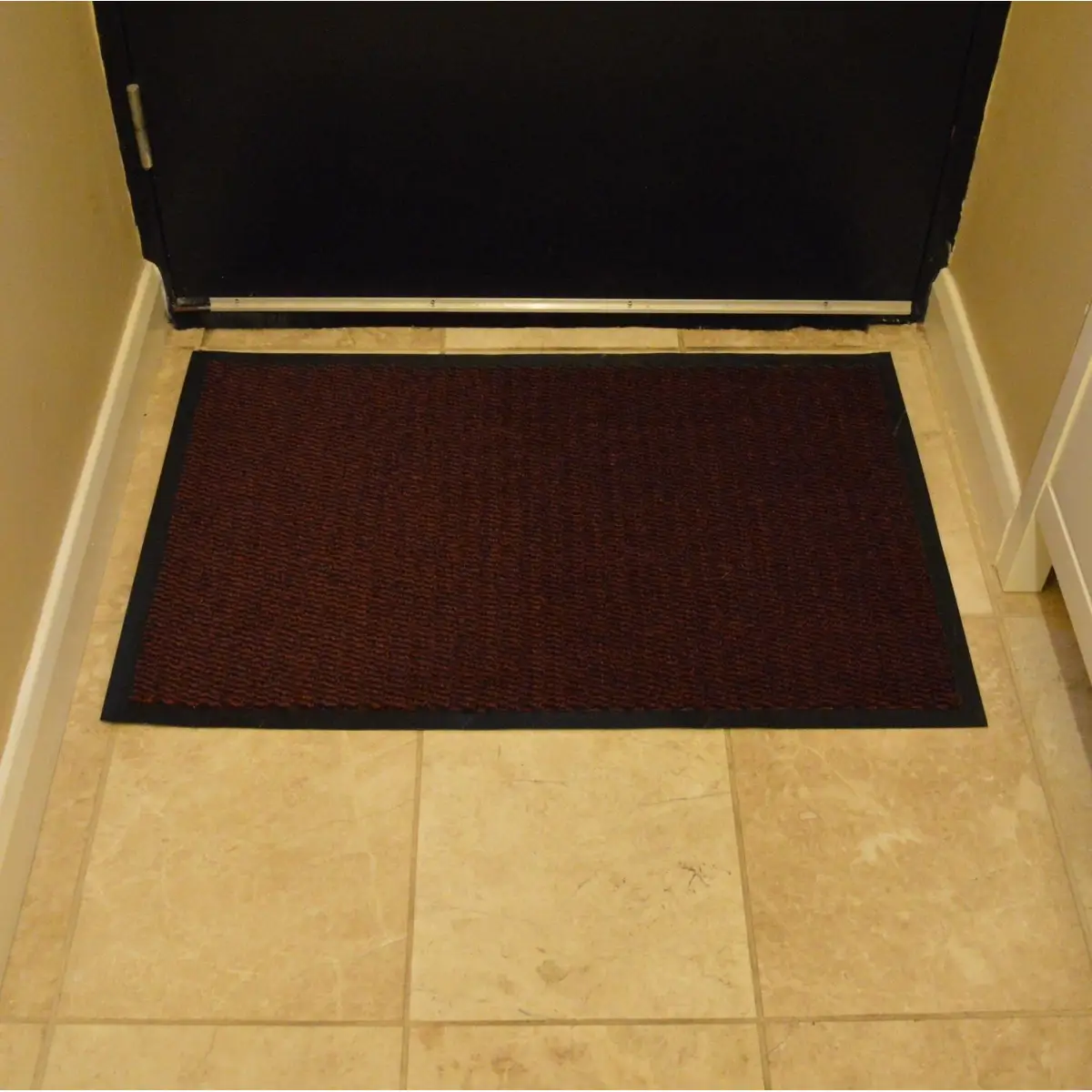
This is more practical than it sounds. Anthracite and grey hide dirt best, which is why you see them in commercial entrances. Brown and rust are forgiving with mud in particular and suit older properties and country cottages. Red and blue read as deliberate rather than functional, which works well if the mat sits somewhere visible and you'd rather it looked like a design choice. Whatever you pick, a slightly darker shade than your flooring will look cleaner for longer between washes.
Keeping them in good condition
Vacuum regularly, ideally twice a week in winter. Shake or beat the mat outdoors every few weeks to release the grit that's worked down into the pile. Most of the range can be washed down with warm water and mild detergent, then left to dry flat before going back on the floor. Don't put them in a tumble dryer, and don't fold them for long periods, as the backing can crease. Looked after sensibly, a decent barrier mat should give you several winters.