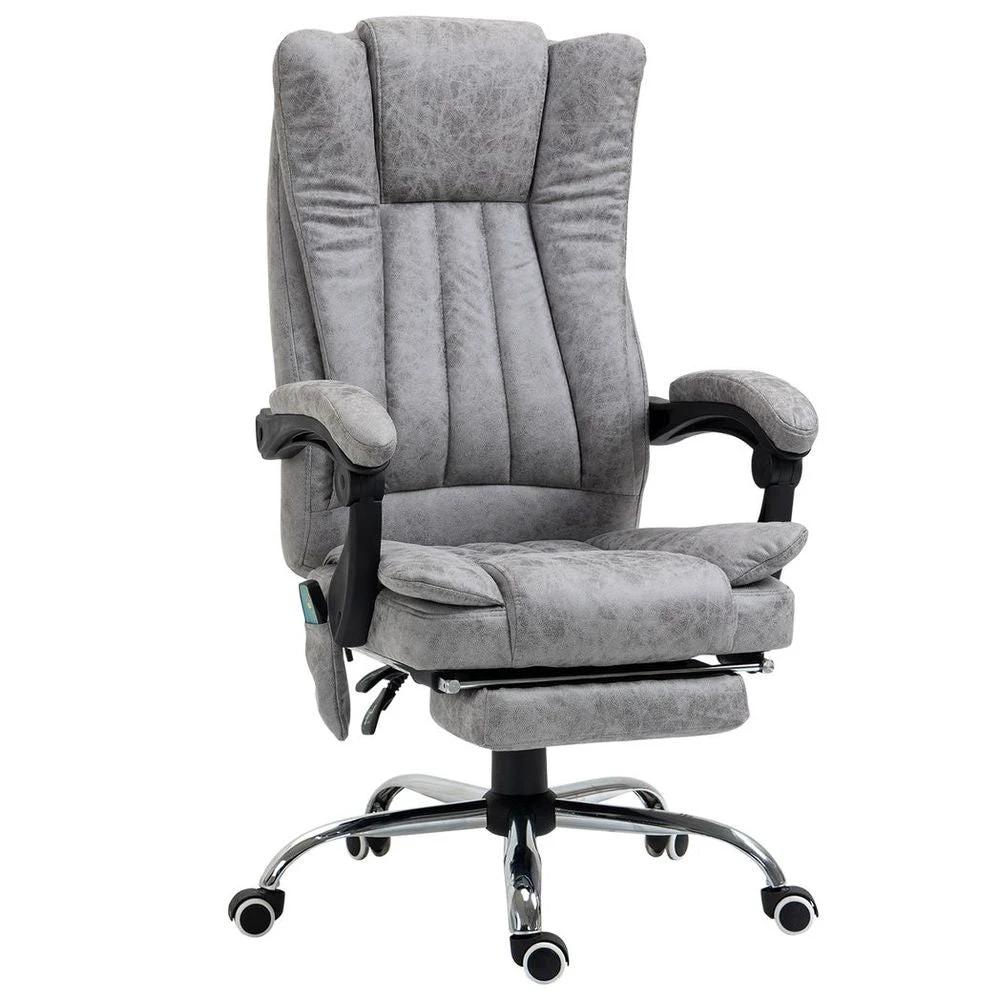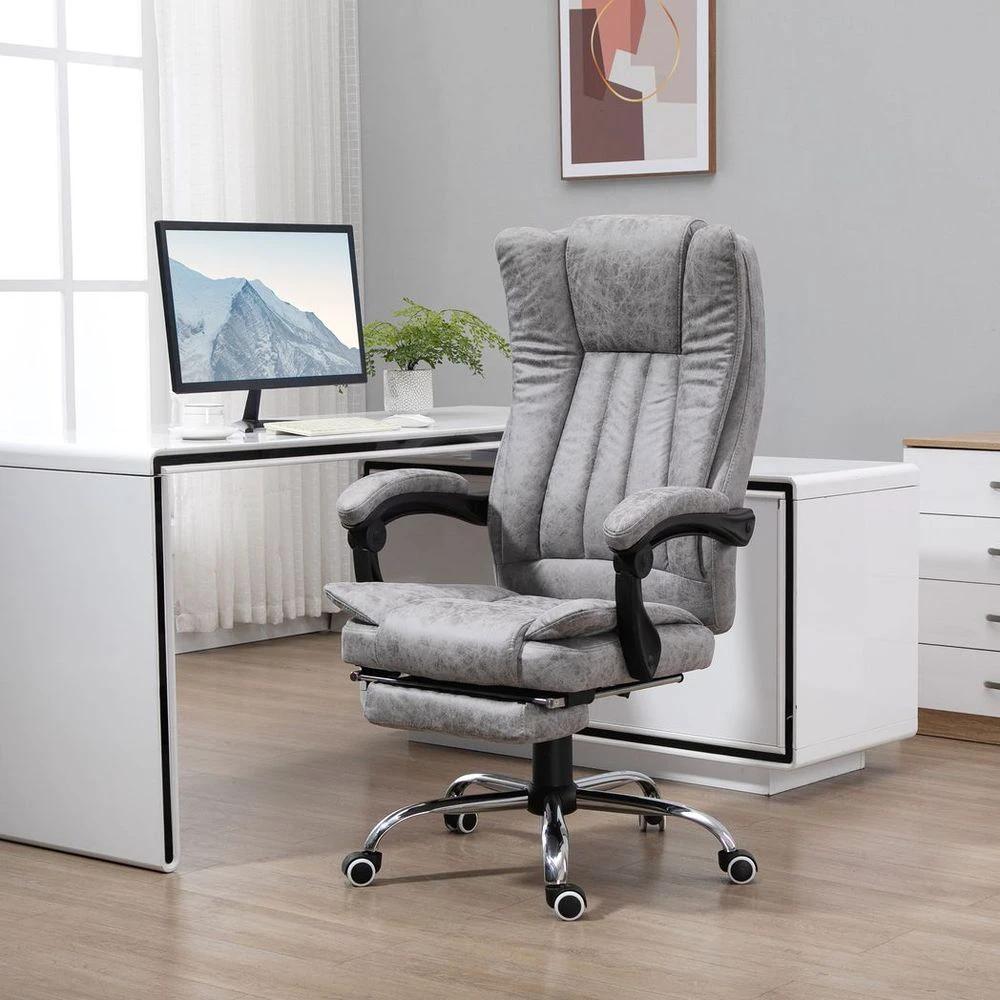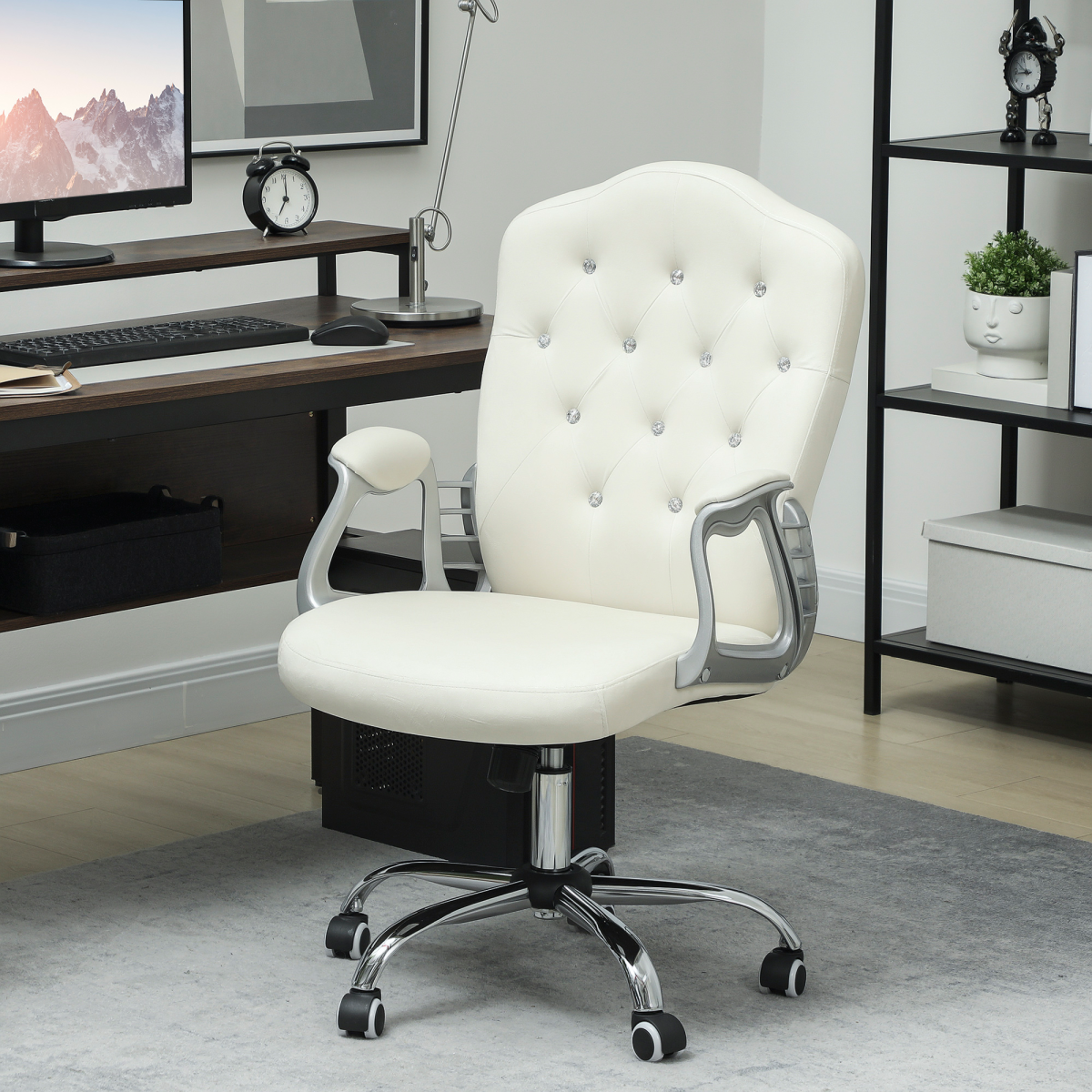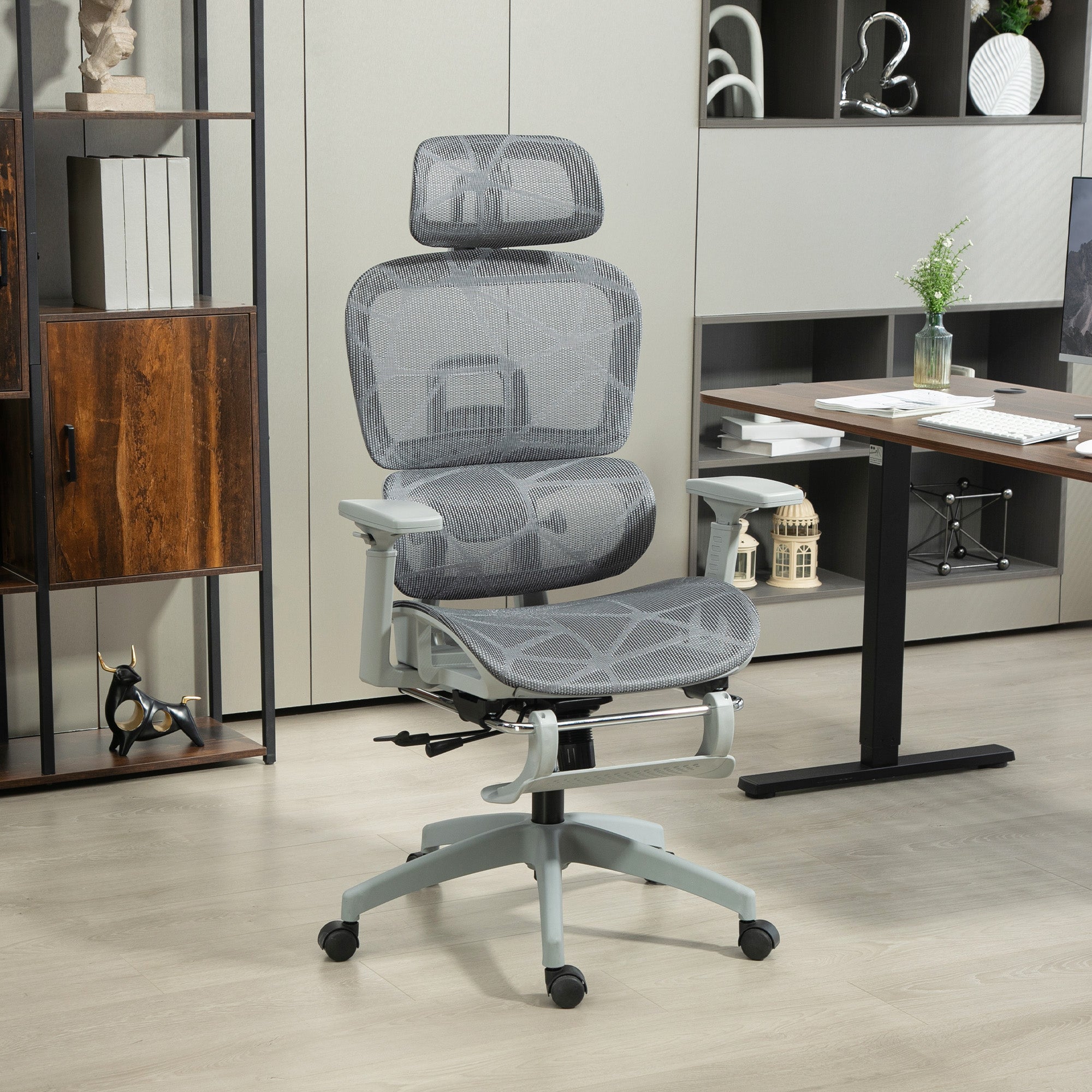
Spending hours at your desk can take its toll. A good reclining office chair makes a real difference to how you feel at the end of the day.But with so many options out there, how do you pick the right one?
Let us guide you through what matters when you are looking for a reclining office chair.
How Much Can It Adjust?
The whole point of a reclining chair is being able to move. You want something that adapts to you, not the other way round.
Look for chairs where you can lock the recline at different angles. Some people like a slight lean back when they're reading documents. Others want to go almost horizontal during a phone call. The best chairs let you stop anywhere in between.
Recline Tension
Check if the recline tension adjusts too. This controls how much effort it takes to lean back. If you're lighter, you might find some chairs push back too hard. Heavier users might want more resistance. Being able to tweak this makes a big difference.
Armrests matter more than you'd think. After a few hours, your shoulders will tell you if they're in the wrong position. Adjustable armrests that move up, down, forwards and sideways help you find the right spot. Fixed armrests can leave you hunched or reaching.
The seat height needs to work with your desk. Your feet should rest flat on the floor with your knees at about 90 degrees. Most office chairs have this sorted, but it's worth checking the range if you're particularly tall or short.
Comfort for Long Sessions
You're going to be sitting in this chair for hours. Comfort isn't a luxury, it's essential.
The padding needs to support you without being rock hard. Memory foam sounds nice but it can get warm. Standard foam works well if it's dense enough. Sit on it if you can. If it feels comfortable for five minutes in the shop, imagine how it'll feel after three hours of work.
Lumbar support keeps your lower back happy. Some chairs have a fixed curve built into the backrest. Others let you adjust it up and down to match your spine. If you've ever had back pain, this feature moves from nice-to-have to must-have pretty quickly.
Seat Depth & Materials
The seat should be deep enough that your back touches the backrest, but not so deep that it presses behind your knees. A few centimetres of space between the seat edge and the back of your knees is about right.
Breathable materials stop you getting sticky in summer. Mesh backs let air through. Leather looks smart but can get warm. Fabric sits somewhere in between. Think about your office temperature before you decide.
Build Quality and Durability
A cheap chair that breaks after six months isn't a bargain.
Check the frame material. Metal frames last longer than plastic ones. Look at the base too - five wheels spread your weight better than four, and they should roll smoothly on your floor type.
The gas lift cylinder raises and lowers the seat. Quality ones work smoothly for years. Dodgy ones start sinking after a few months, leaving you gradually getting closer to the floor throughout the day. Check reviews for mentions of this problem.
Weight Capacity
Weight capacity matters. Most office chairs handle around 110-120kg comfortably. If you're heavier, look for chairs rated higher. Using a chair beyond its weight limit wears it out faster and can be dangerous.
Think about the warranty. Manufacturers who offer three to five years know their chairs last. One year warranties sometimes mean they're expecting problems.
Your Budget and Space
Reclining office chairs start around £150 and go up past £1000. More money usually gets you better materials, more adjustments and longer life. But you don't always need the most expensive option.
Work out what features you actually need. If you're using it eight hours a day for work, spending more makes sense. For occasional use, a mid-range chair often does the job fine.
Measure your space before you buy. Reclining chairs need room behind them. Make sure you can lean back without hitting a wall or bookshelf. Check the fully reclined length if the shop lists it.
Making Your Final Choice
Start by thinking about how you'll use the chair. How long will you sit in it each day? Do you have any back or neck issues? What's your budget?
Read Reviews
Read reviews from people who've owned the chair for months, not just unboxing videos. Look for mentions of how it holds up over time.
If you can, try before you buy. Sit in it properly. Adjust everything. Lean back. Your body will tell you pretty quickly if something doesn't feel right.
A good reclining office chair should make your working day better, not something you just put up with. Take your time choosing and you'll find one that works for you.
For more advice feel free to reach out to our customer service team at Bossy Cat and we would be happy to help out and give you suitable recommendations for your ideal reclining chair.