If you work from a desk for most of the day, you already know how much your chair matters. A poor seat can leave you stiff, distracted, and counting the hours until you can stand up. A good one lets you forget you are sitting at all.
That is where reclining office chairs come in. Unlike standard office seats that lock you into one fixed position, a reclining chair lets you tilt the backrest and shift your angle throughout the day. It sounds like a small thing, but the difference it makes over eight or nine hours is hard to overstate.
The trouble is, there are dozens of models on the market and they all promise the same things. So how do you actually work out which one suits you? Below is a straightforward guide to help you narrow things down without wasting time or money.
Why a reclining chair is worth considering
Most of us do not sit still all day. You lean forward to type, lean back to think, stretch out during a phone call, and hunch over a notebook. A fixed chair forces your body to adapt to the seat. A reclining chair does the opposite. It adapts to you.
Being able to recline slightly takes pressure off your lower back and lets your spine settle into a more natural curve. If you have ever finished a long day at your desk with an aching back or tight shoulders, a chair that reclines could make a real difference. It is not about lounging around. It is about giving your body the freedom to move between positions rather than staying locked in one posture for hours on end.
There is a mental benefit too. Tilting back for a few minutes during a tough task can help you think more clearly. Plenty of people find that shifting their position helps them reset and refocus, especially in the afternoon when energy tends to dip.
Features that actually matter
It is easy to get overwhelmed by spec sheets and jargon, so here is what to pay attention to when you are comparing reclining office chairs.
Lumbar support is the single most important feature for long-term comfort. Look for chairs that support the inward curve of your lower back. Some models have a built-in lumbar pad, while others let you adjust the depth and height of the support to fit your body. If a chair does not mention lumbar support at all, that is a red flag.
Adjustability goes beyond just the recline. The best chairs let you change the seat height, armrest position, headrest angle, and tilt tension. This matters because no two people sit the same way. What feels perfect for someone who is five foot four will not work for someone who is six foot two.
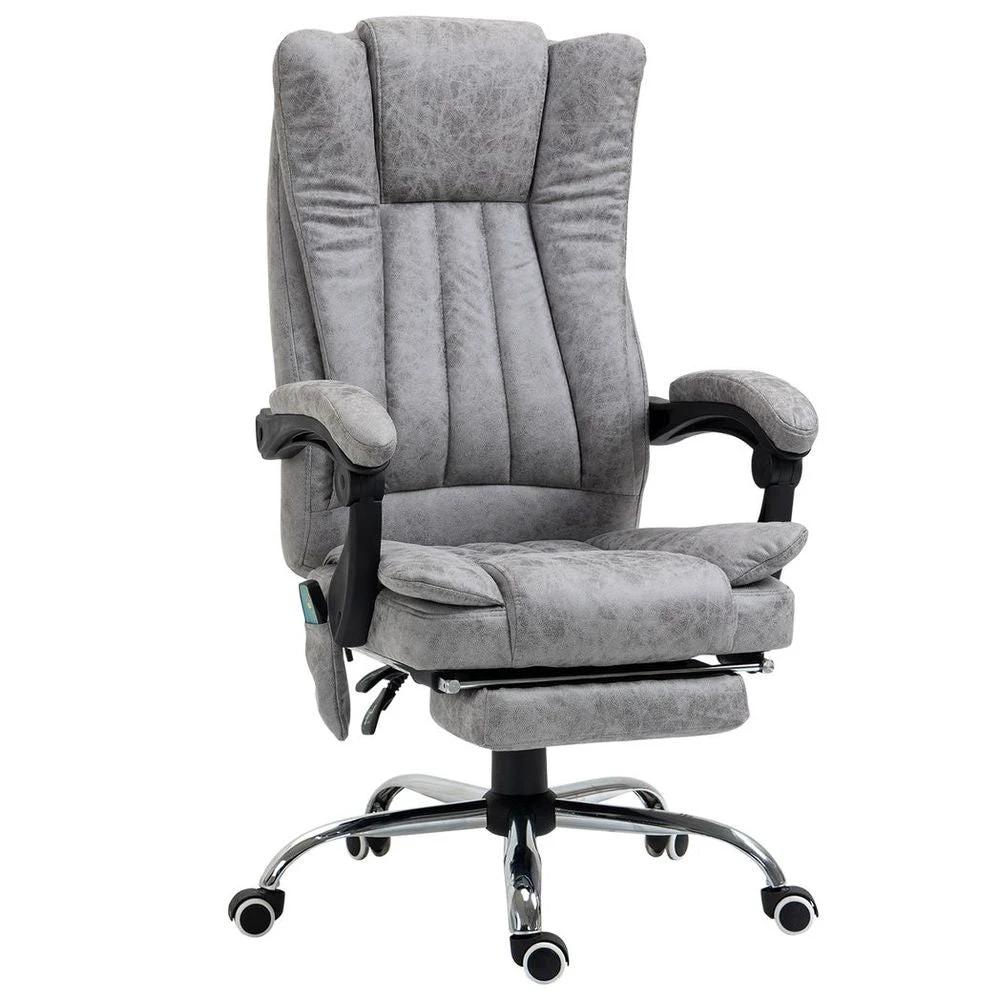
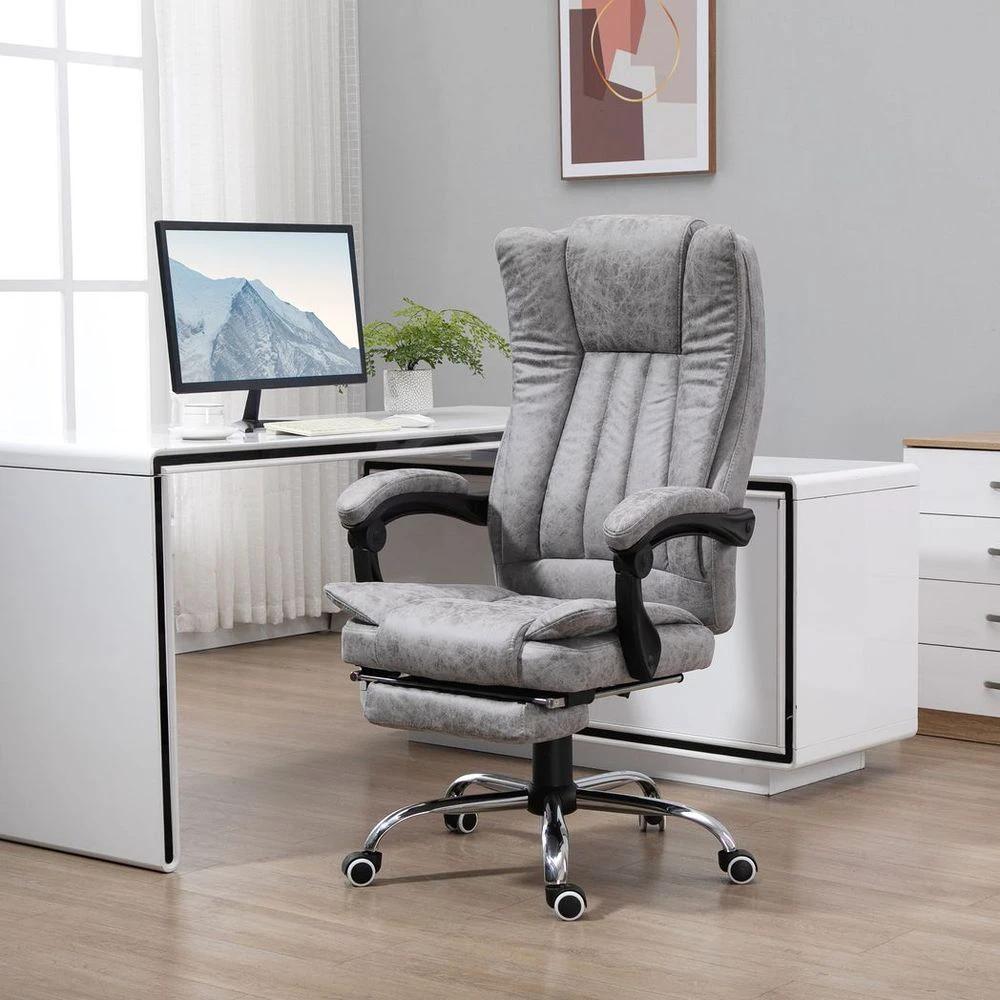
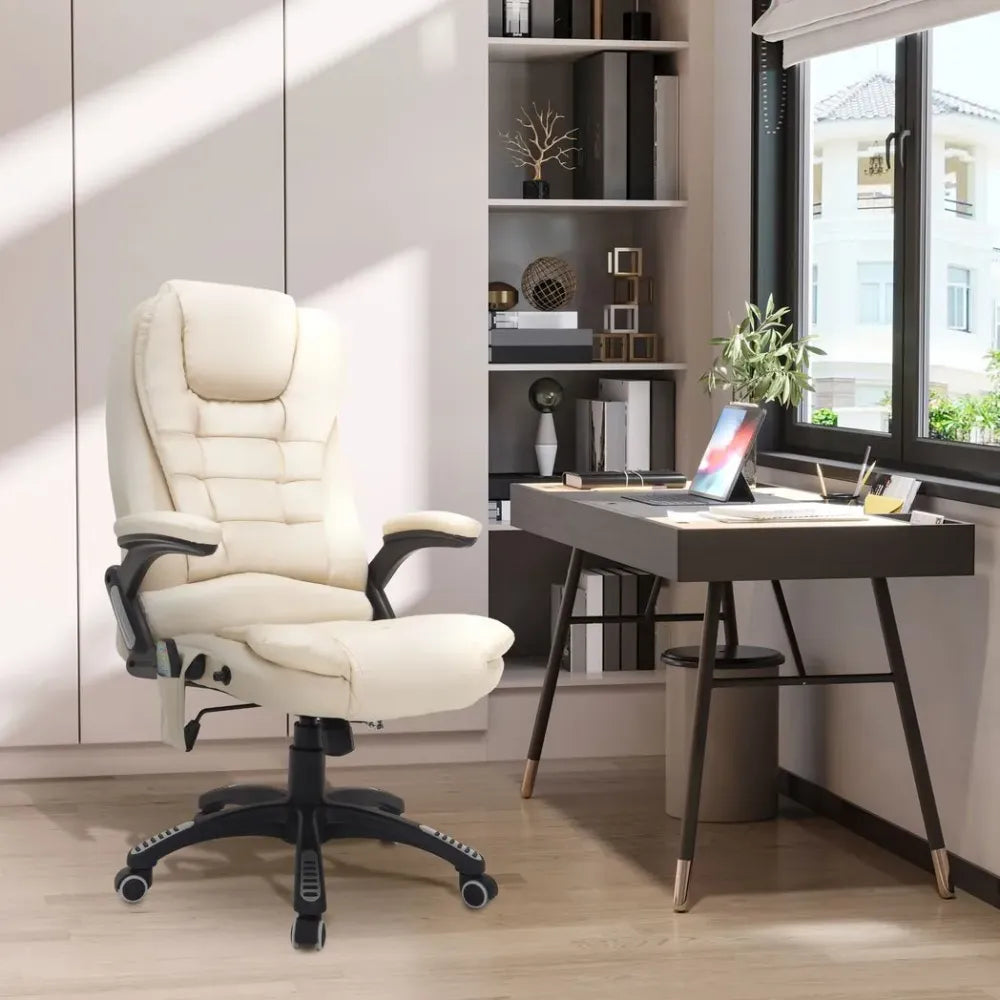
High back design is worth looking at if you want support for your neck and upper back as well as your lower spine. A high back reclining chair wraps around more of your body and tends to offer a wider range of recline angles. If you spend a lot of time on video calls, having proper neck support helps you sit upright without straining.
Material is partly about preference and partly about practicality. Mesh chairs are excellent for breathability, which matters if your office gets warm or you tend to run hot. Leather and faux leather look smart and feel substantial, but they can get sticky in summer. Padded fabric sits somewhere in between. Think about what suits your environment and how long you sit at a stretch.
How to choose the right one for you
Start by measuring your workspace. Some reclining chairs have wider bases or built-in footrests, so they need more room than a standard office chair. Check that you have enough space behind you to recline without hitting a wall or a filing cabinet.
Next, think about what you actually need most. Is it deep lumbar support because your lower back plays up? Is it a generous recline for those moments when you want to lean back and think? Or is it a chair that multiple people will use, in which case quick and easy adjustability is the priority?
If you can, try sitting in a chair before you buy it. Even five minutes will tell you whether it suits your body shape. If that is not possible, look for detailed product descriptions and videos that show the chair in use. Pay attention to the recline range, the type of lumbar support, and whether the armrests move.
Reading customer reviews is genuinely useful here. Look past the five-star ratings and focus on what people say after they have used the chair for a few weeks. That is when the real strengths and weaknesses show up. Pay attention to comments about build quality, the firmness of the padding, and whether the recline mechanism holds up over time.
Finally, think about your budget realistically. A decent reclining office chair is an investment, but you do not need to spend a fortune to get something good. The key is to prioritise the features that matter most to you rather than paying extra for bells and whistles you will never use.
Browse our reclining office chair collection
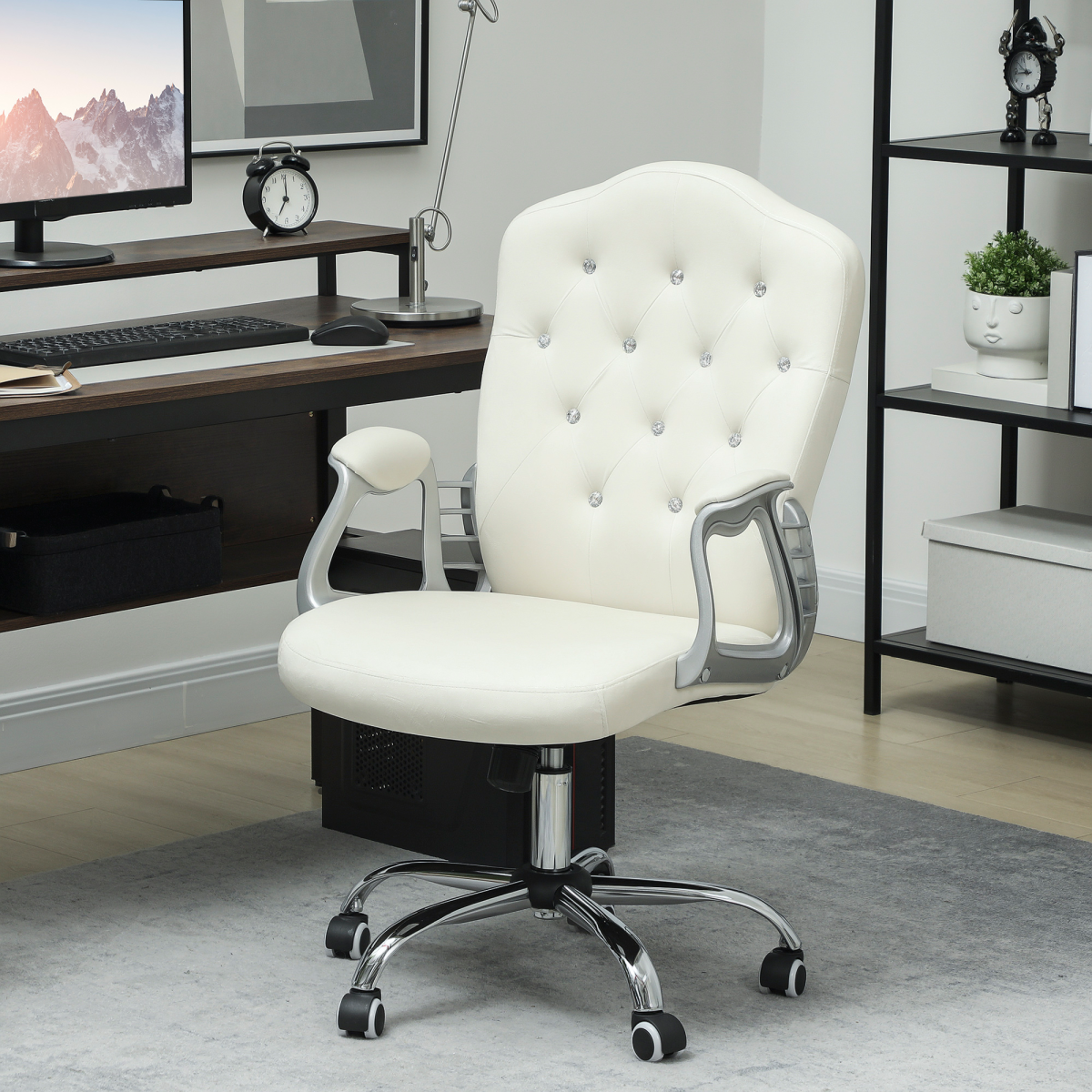
If you are ready to upgrade your office seating, take a look at our Reclining Office Chairs Collection. We have pulled together a range that covers different styles, budgets, and feature sets. Whether you want a high back reclining office chair with full adjustability or something simpler that still offers proper support, you will find options that suit your needs.
Making the switch
Choosing a reclining office chair is one of those decisions that pays off every single working day. When your body is properly supported and you have the freedom to shift position throughout the day, you stay more comfortable and more focused. You do not need to overthink it. Work out which features matter most to you, set a sensible budget, and pick a chair that fits both your body and your workspace. Your back will thank you for it.
Take a look at our Reclining Office Chairs Collection to find something that works for you.