Choosing the right litter tray for your cat
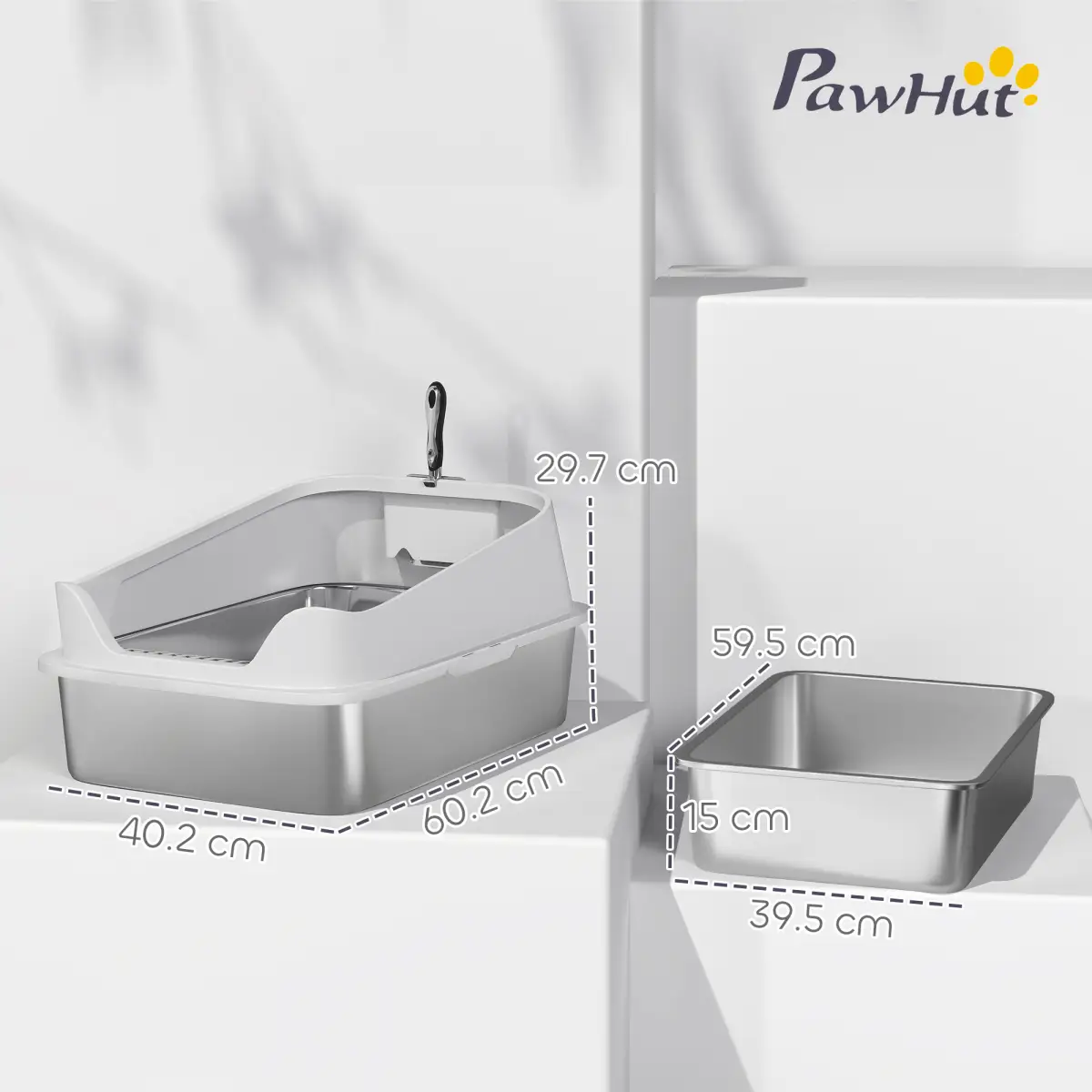
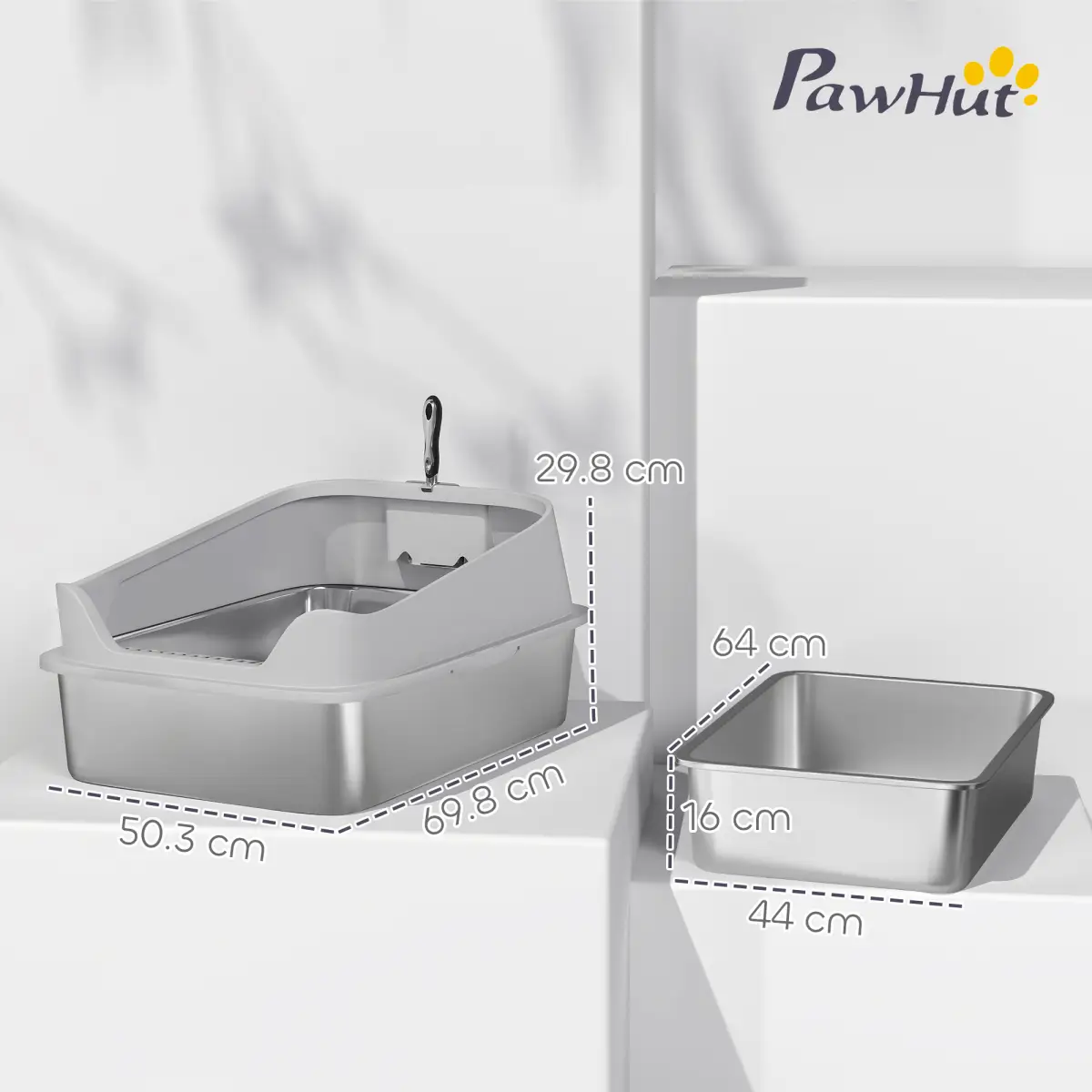
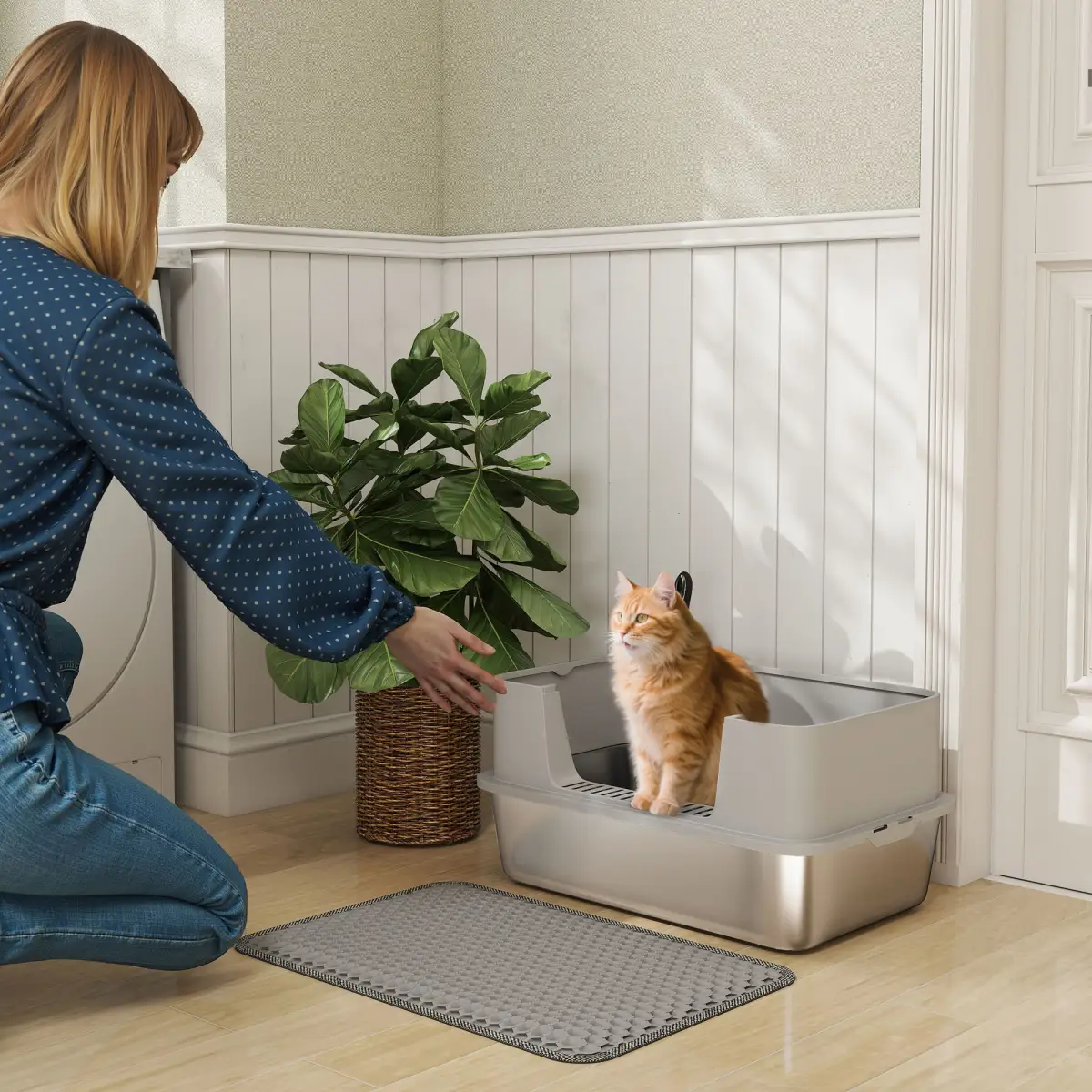
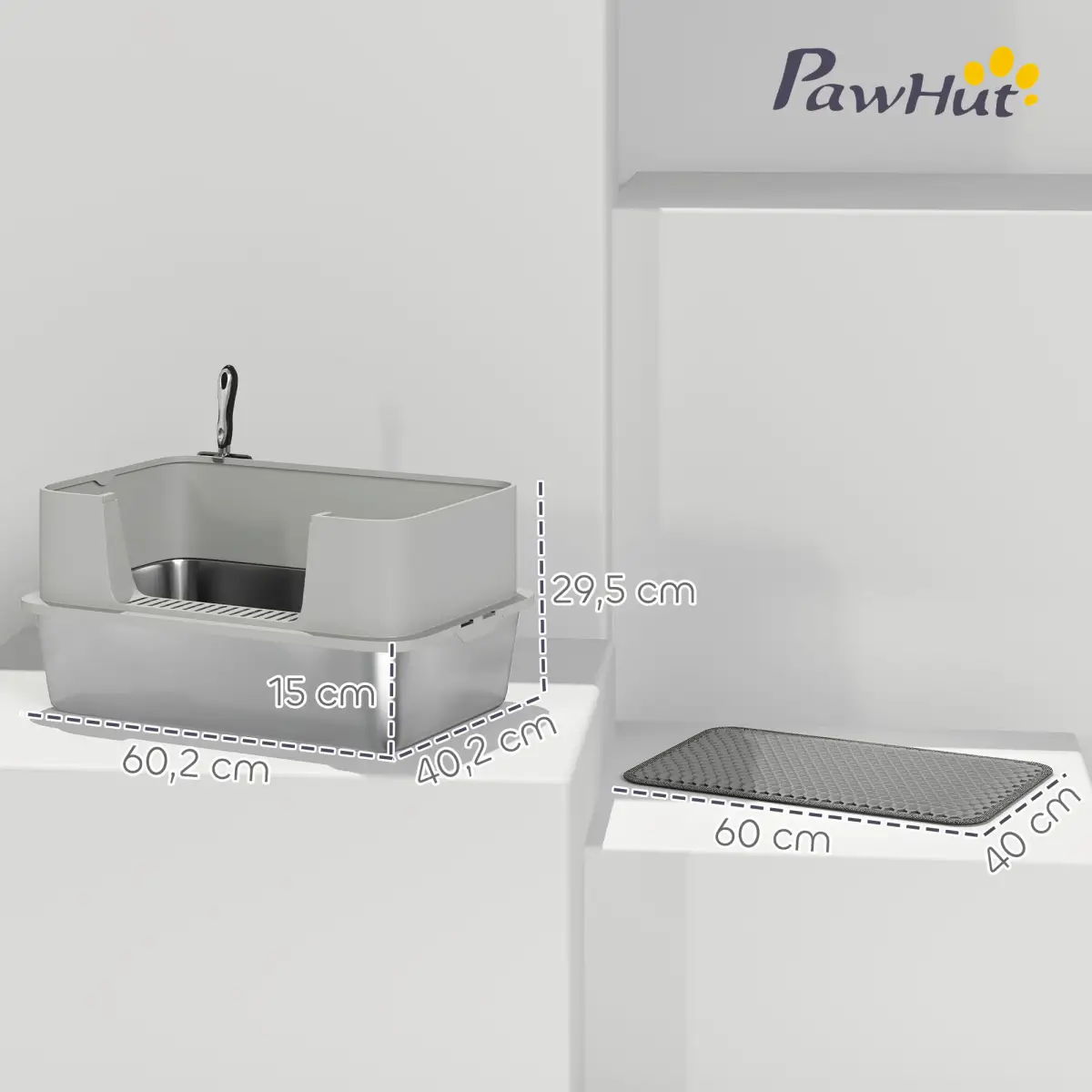
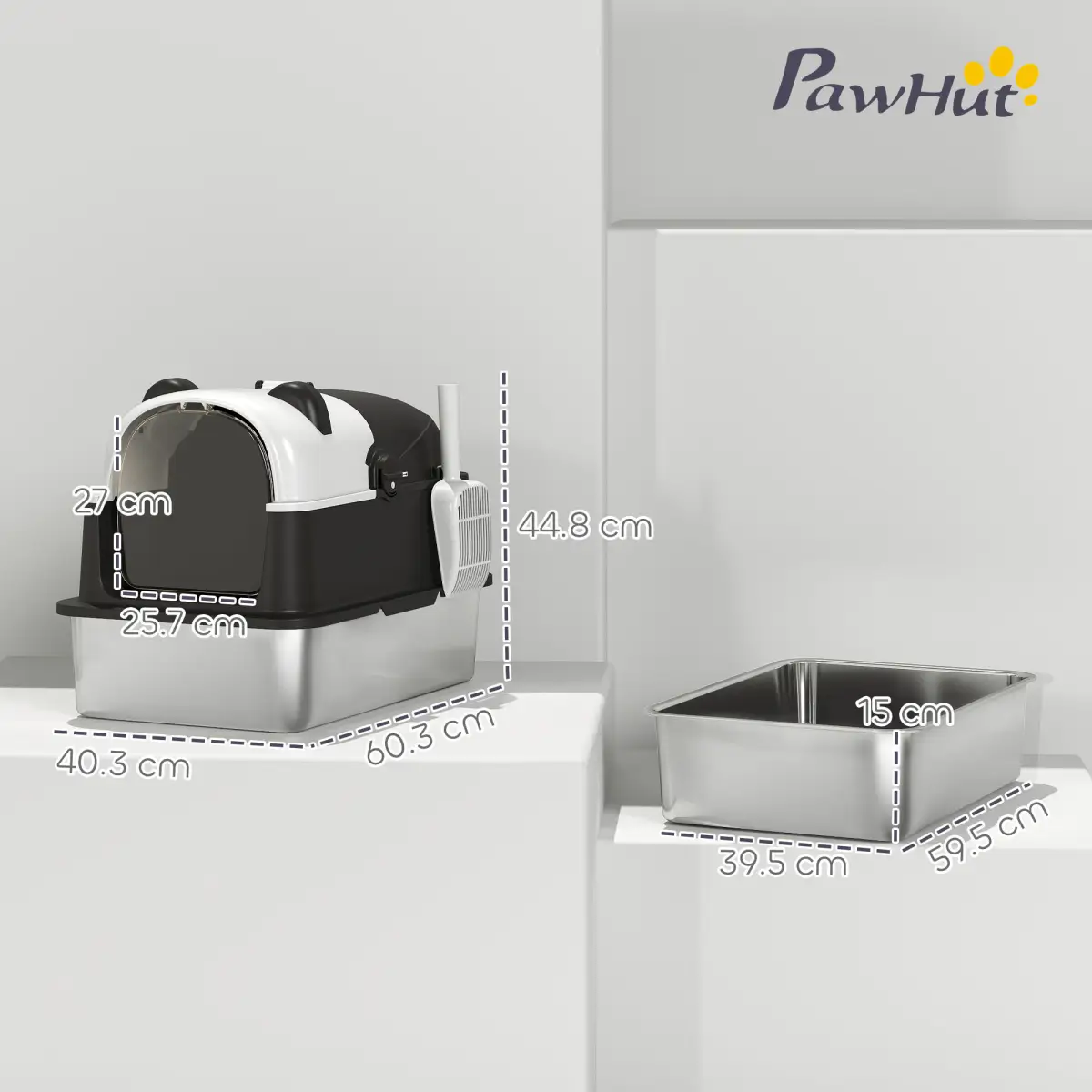
The best tray usually comes down to your cat's habits and where the tray is going to live. As a rough guide, a litter box should be around one and a half times the length of your cat, so they can turn around and dig without feeling boxed in. Kittens and older cats do better with lower sides they can step over easily, while younger, more active cats tend to suit high-sided or enclosed designs that contain the mess.
Open, hooded or fully enclosed
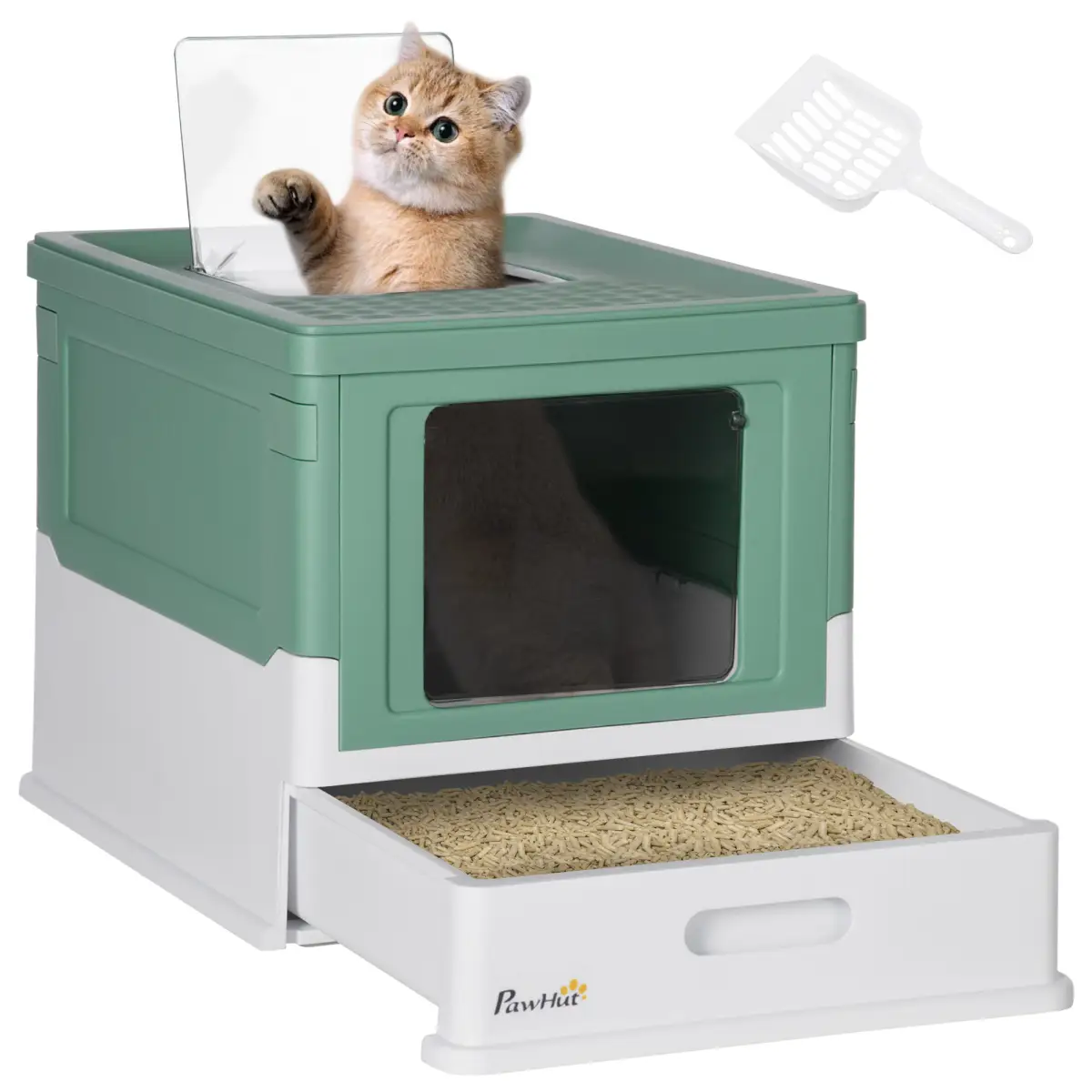
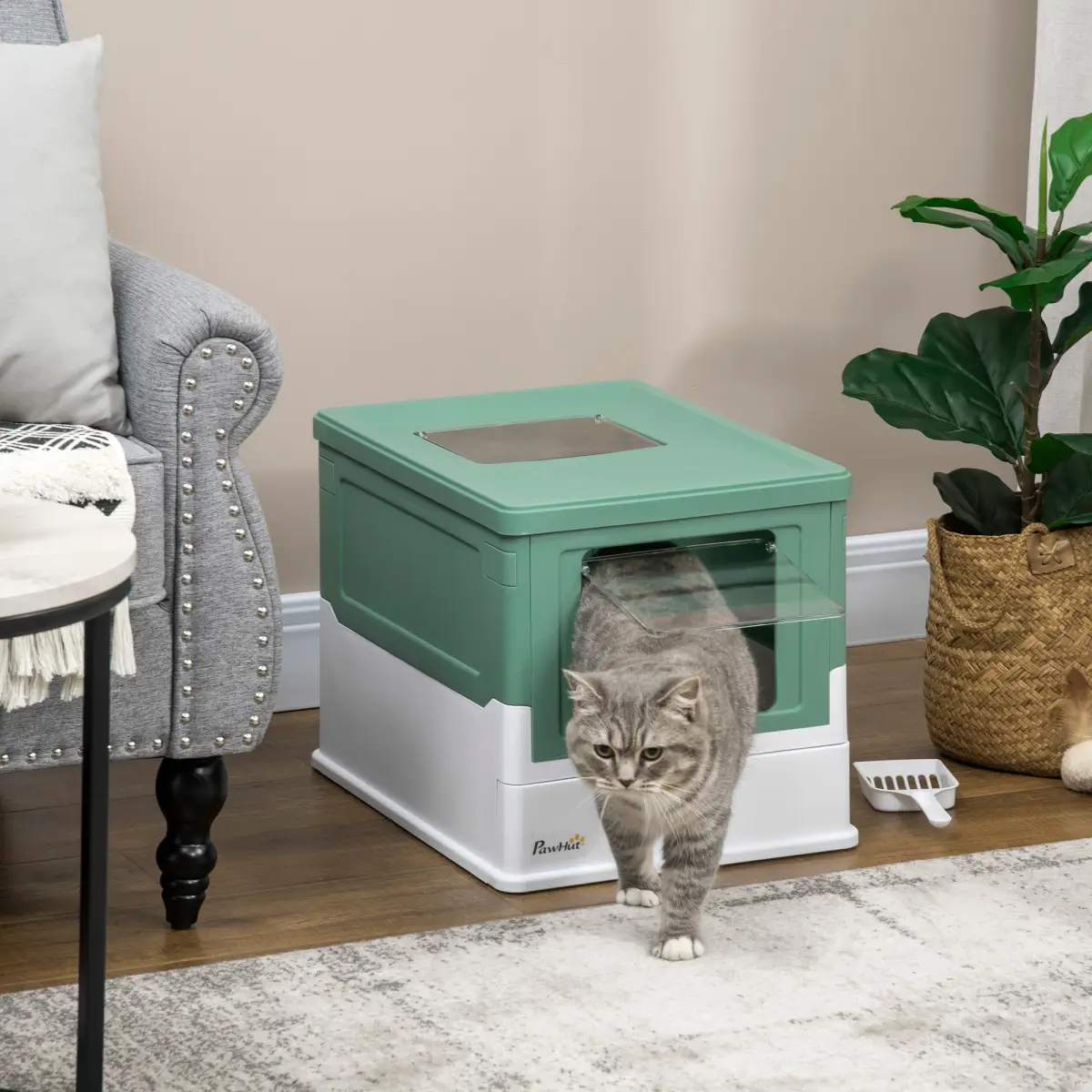
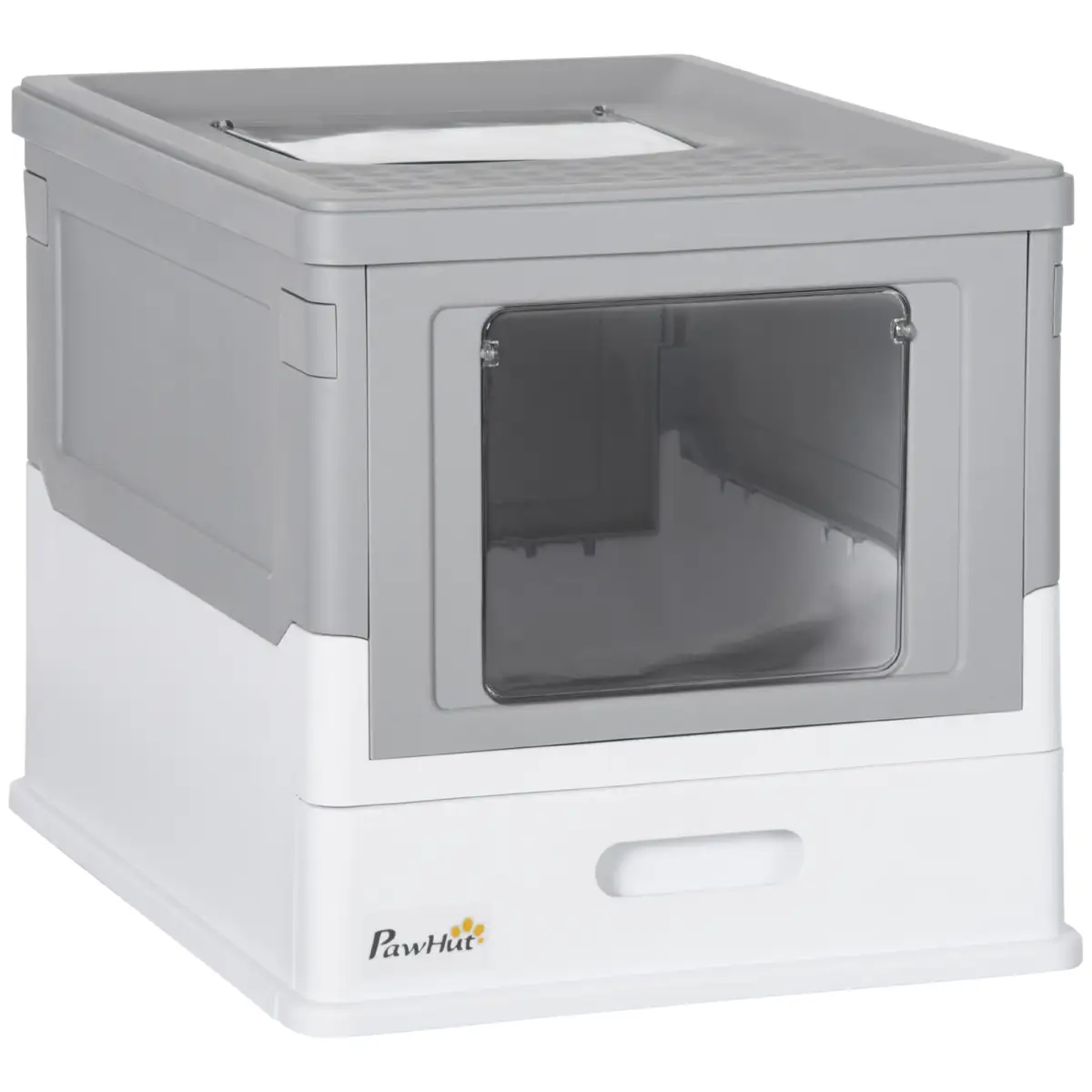
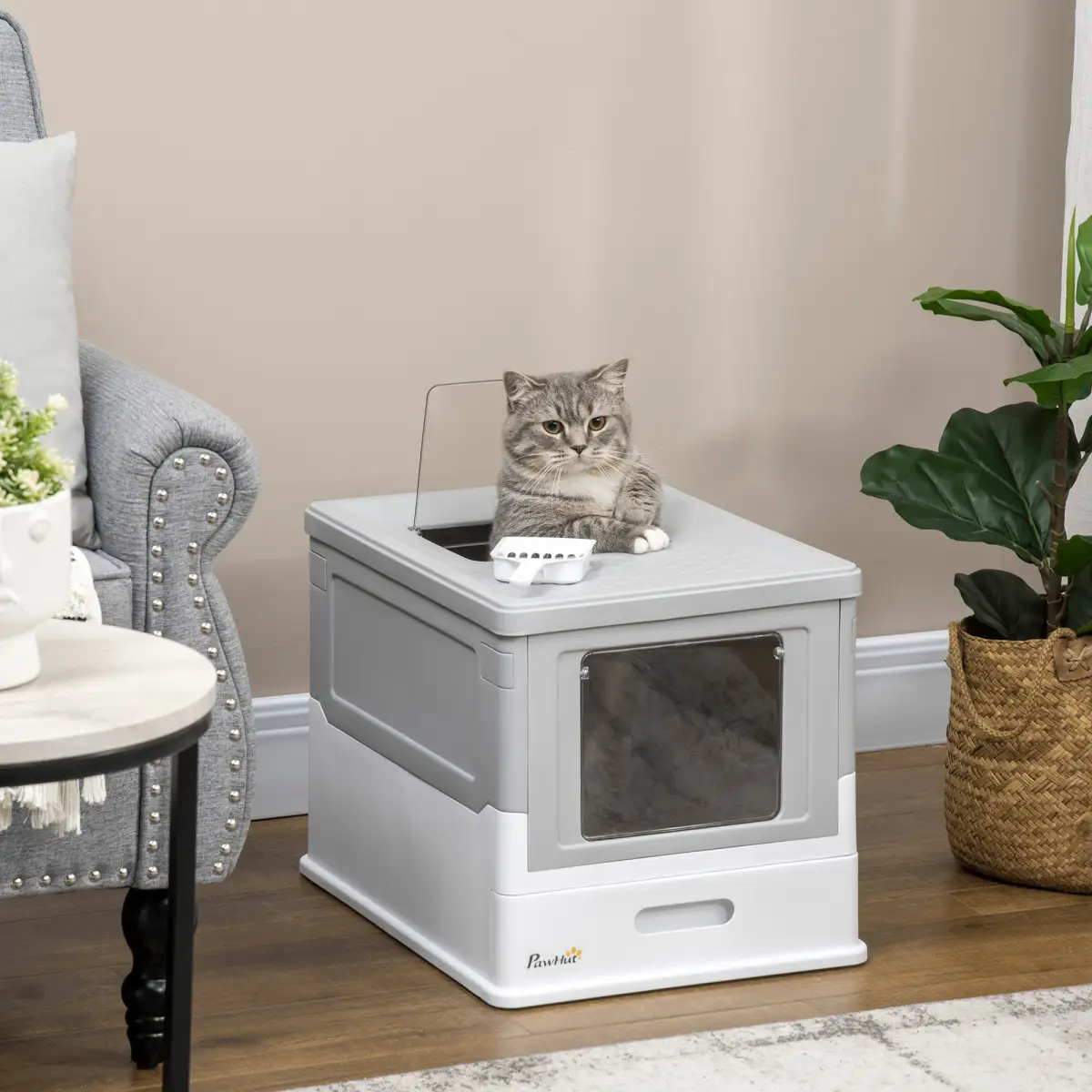
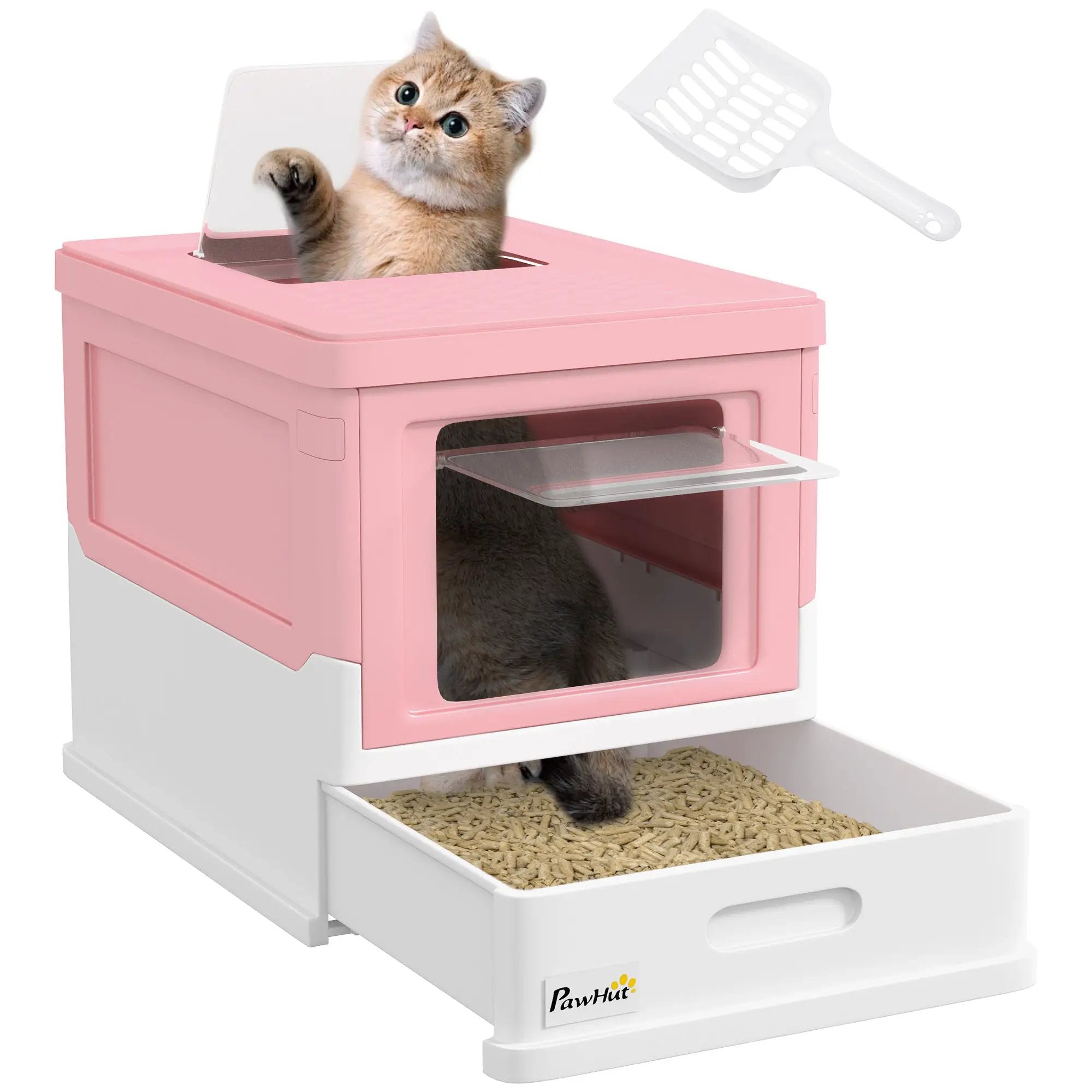
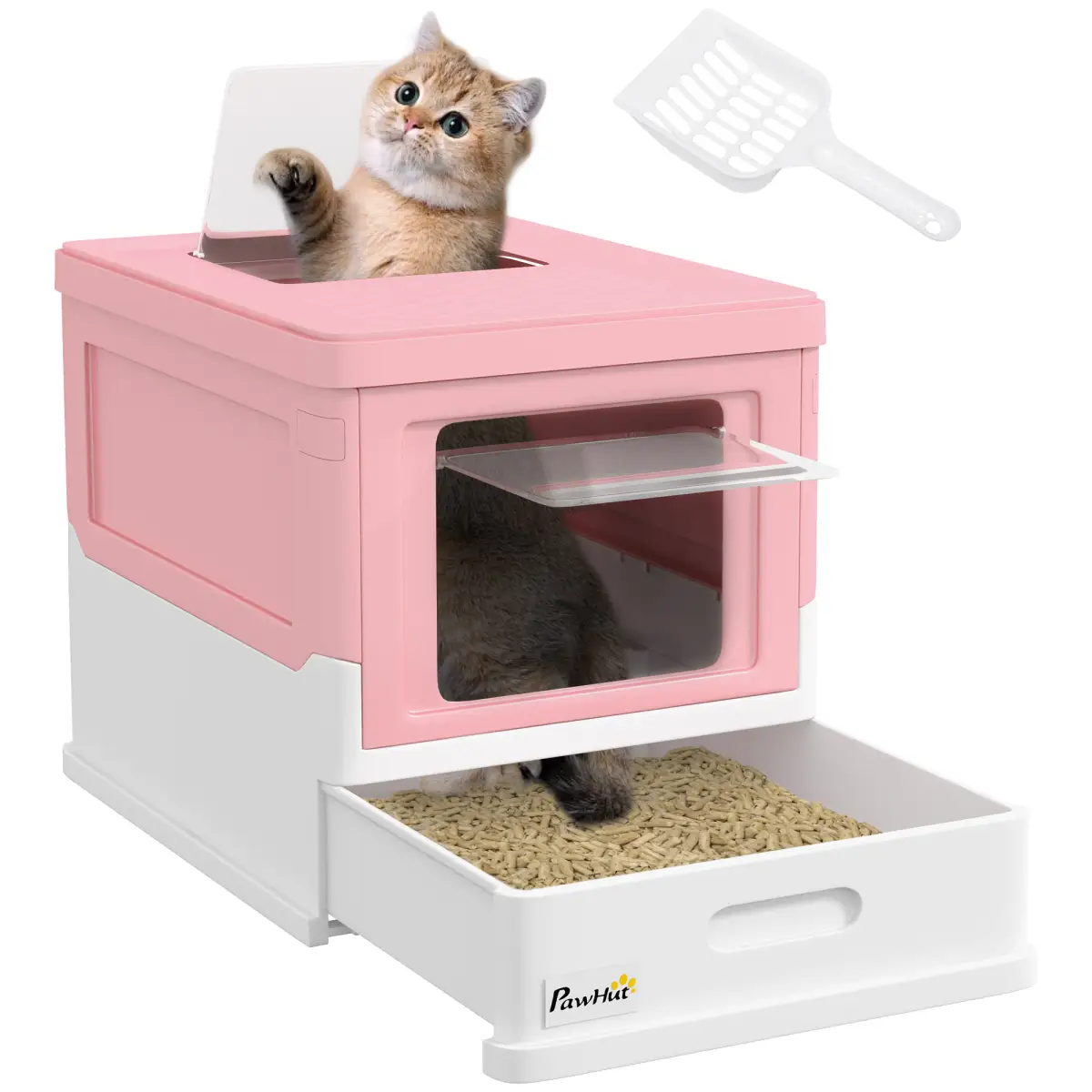
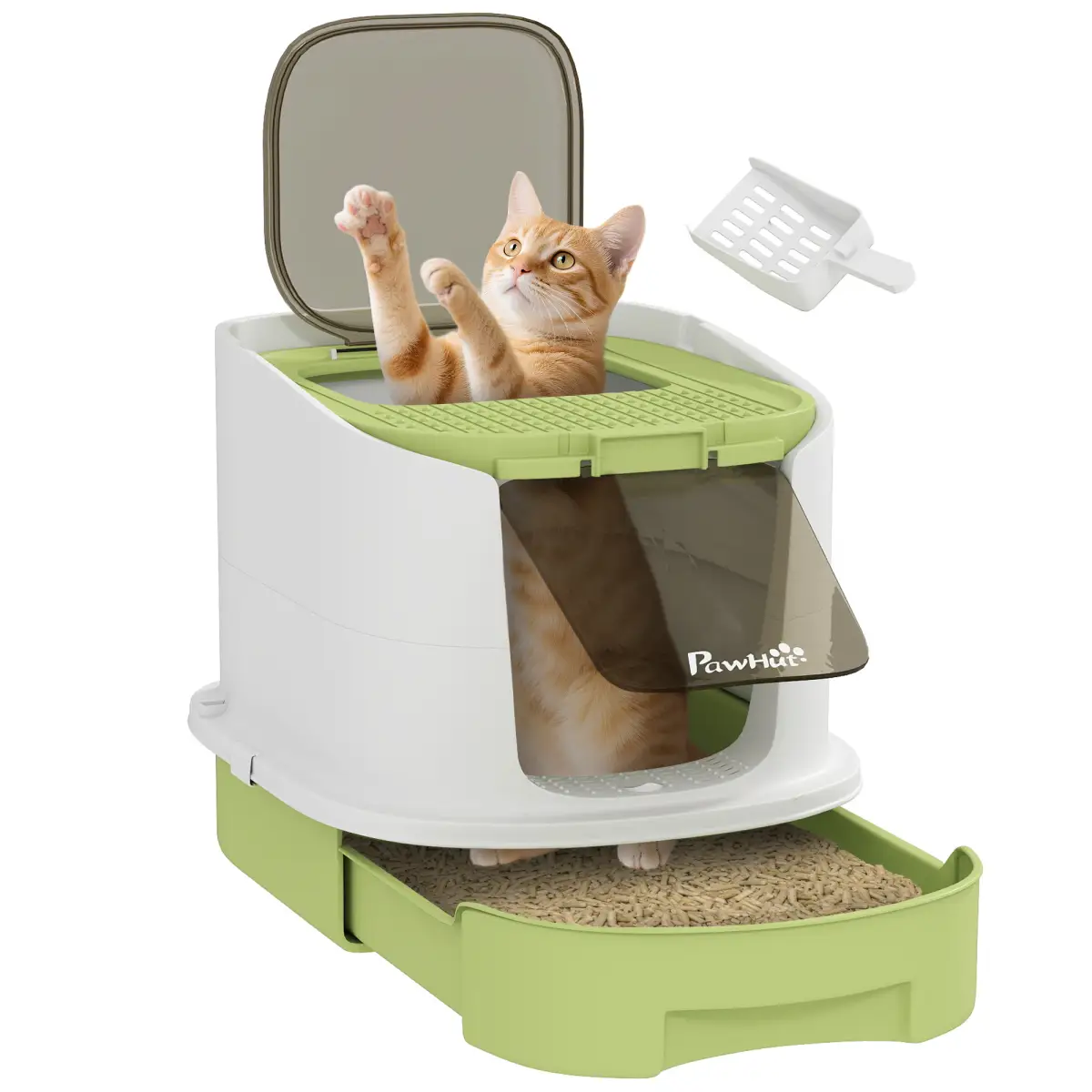
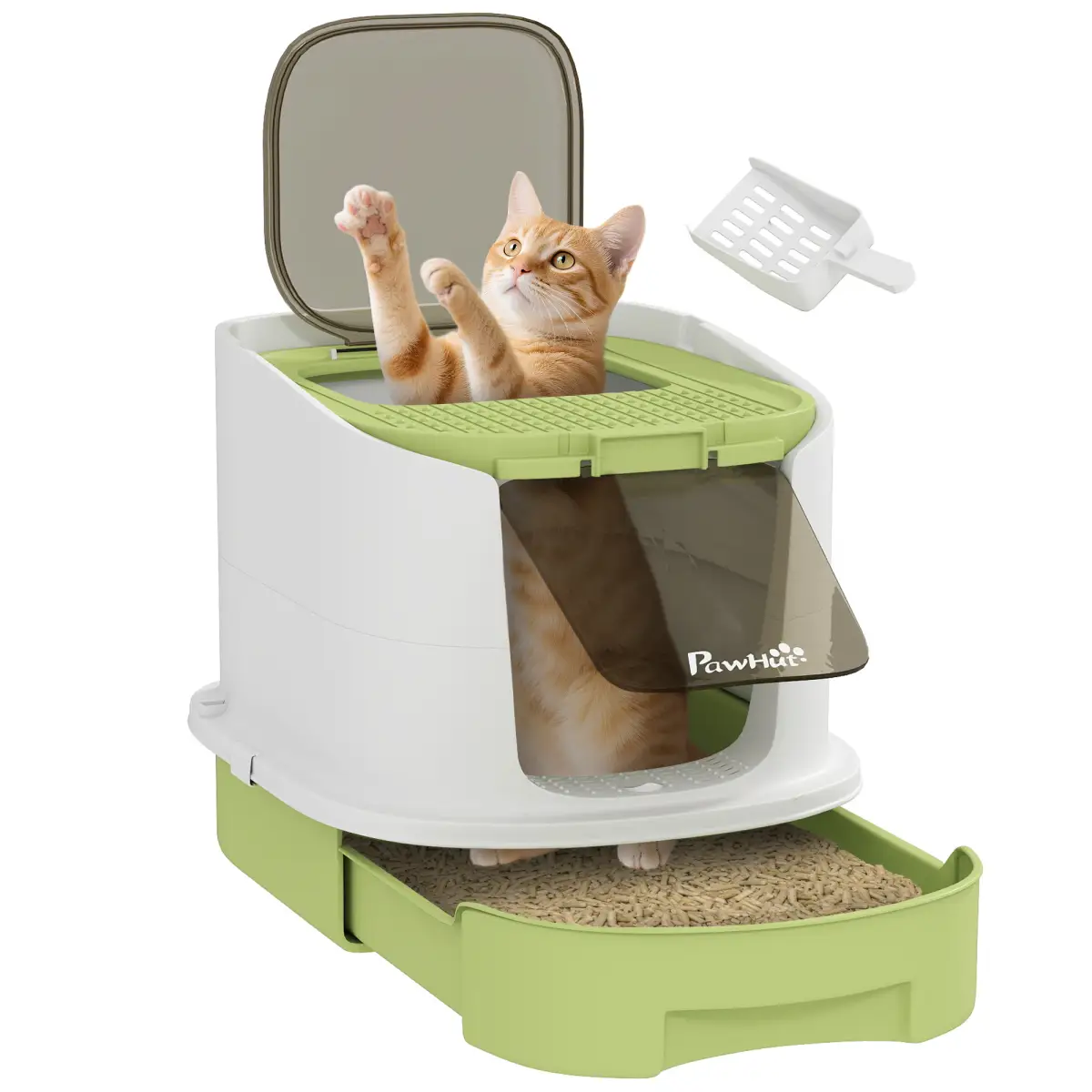
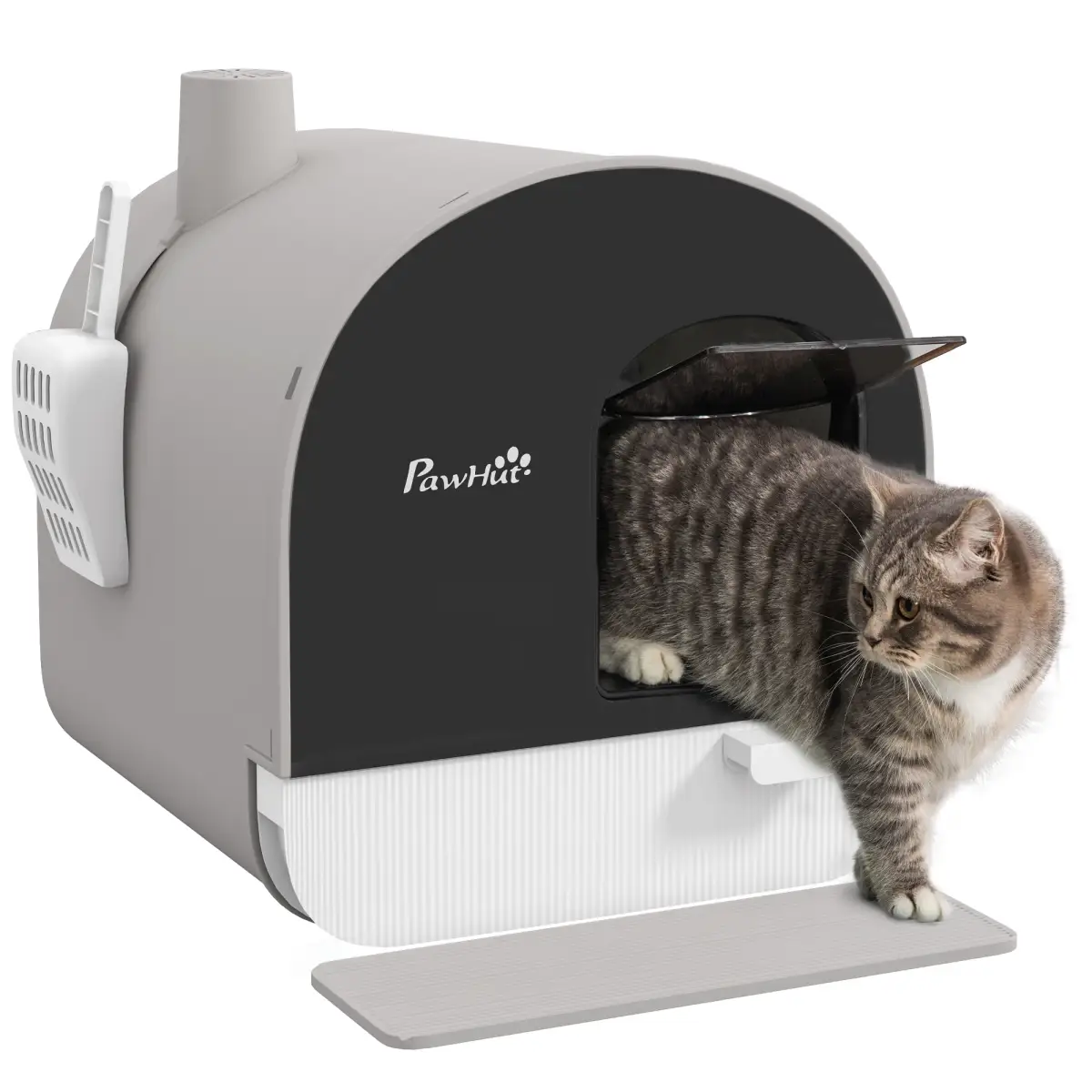
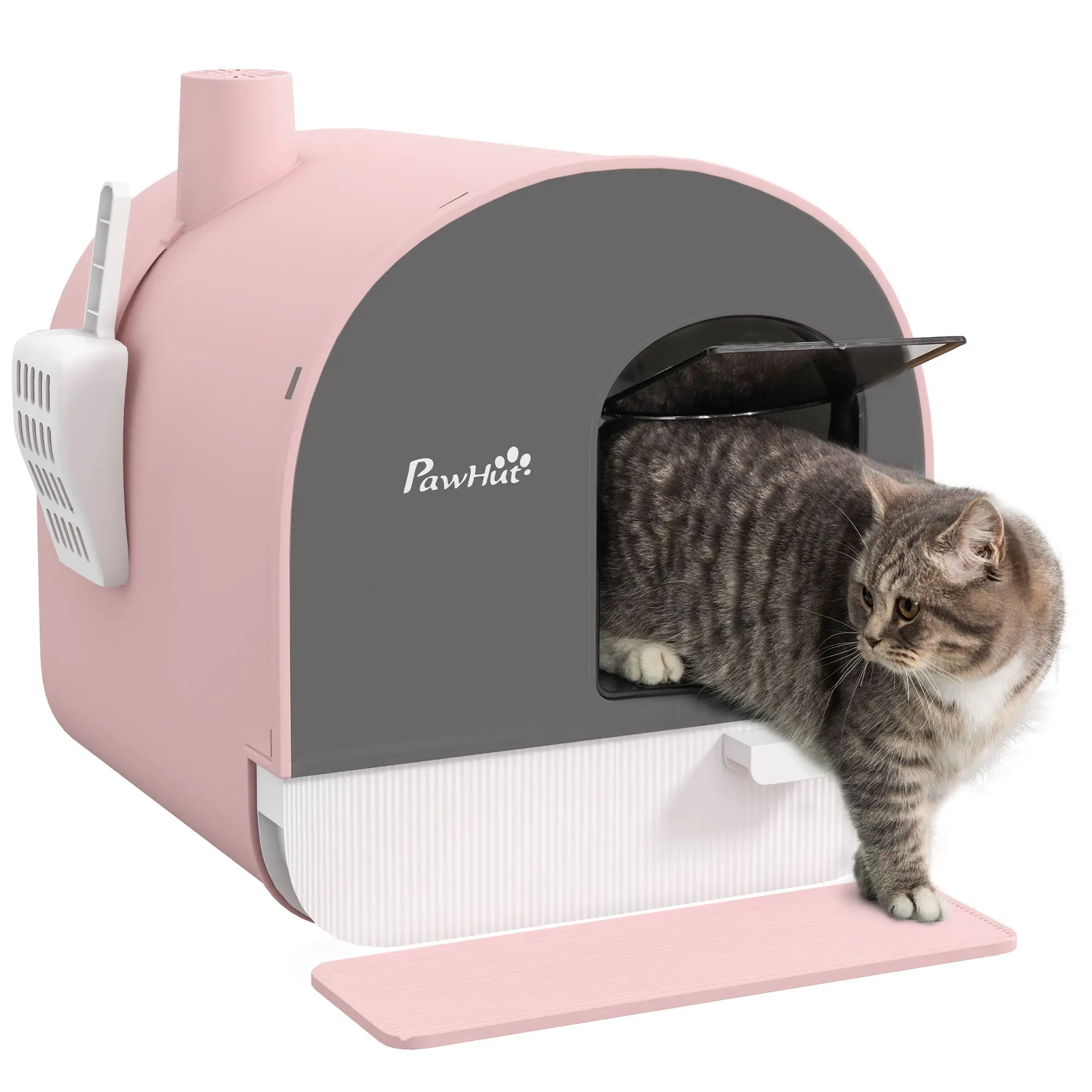
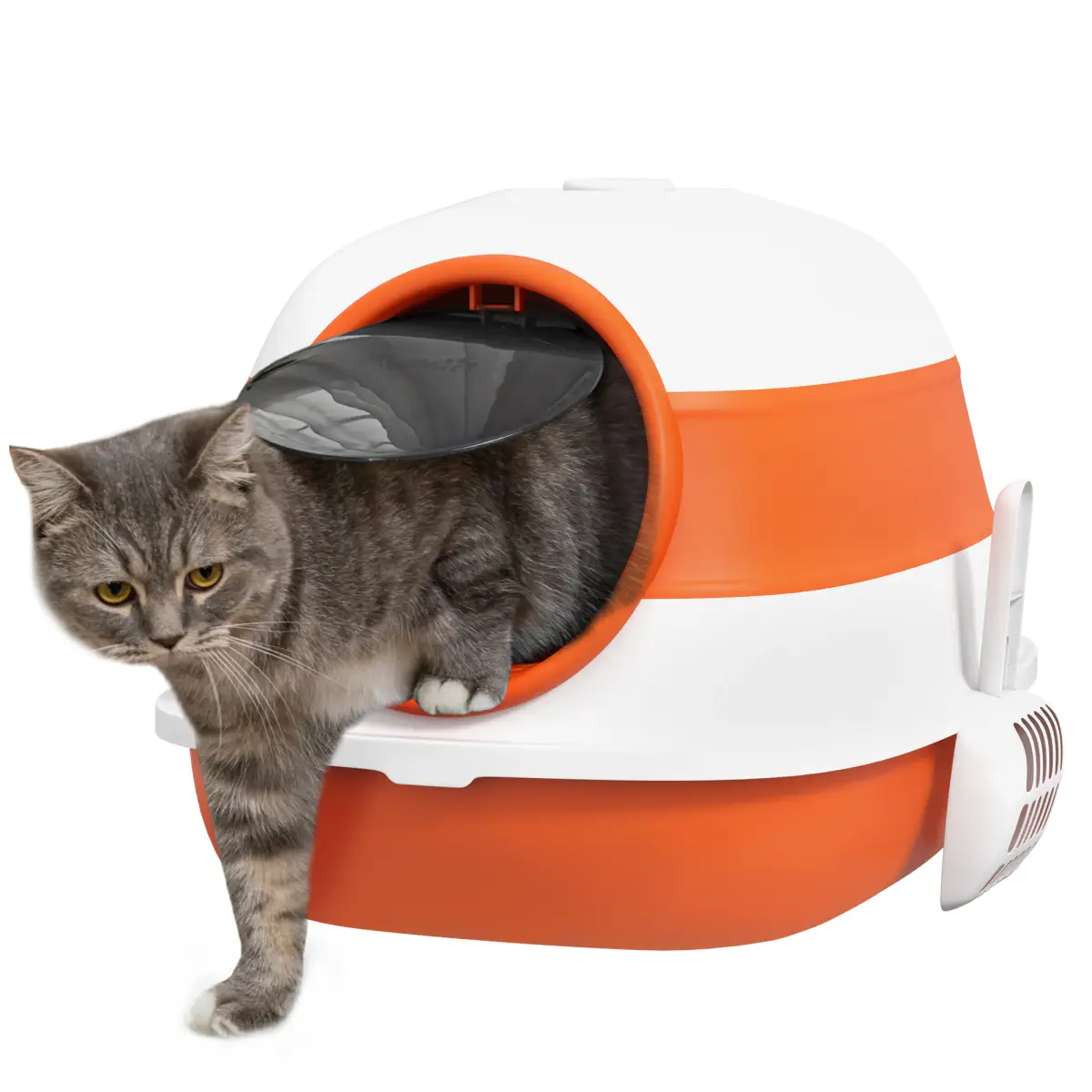
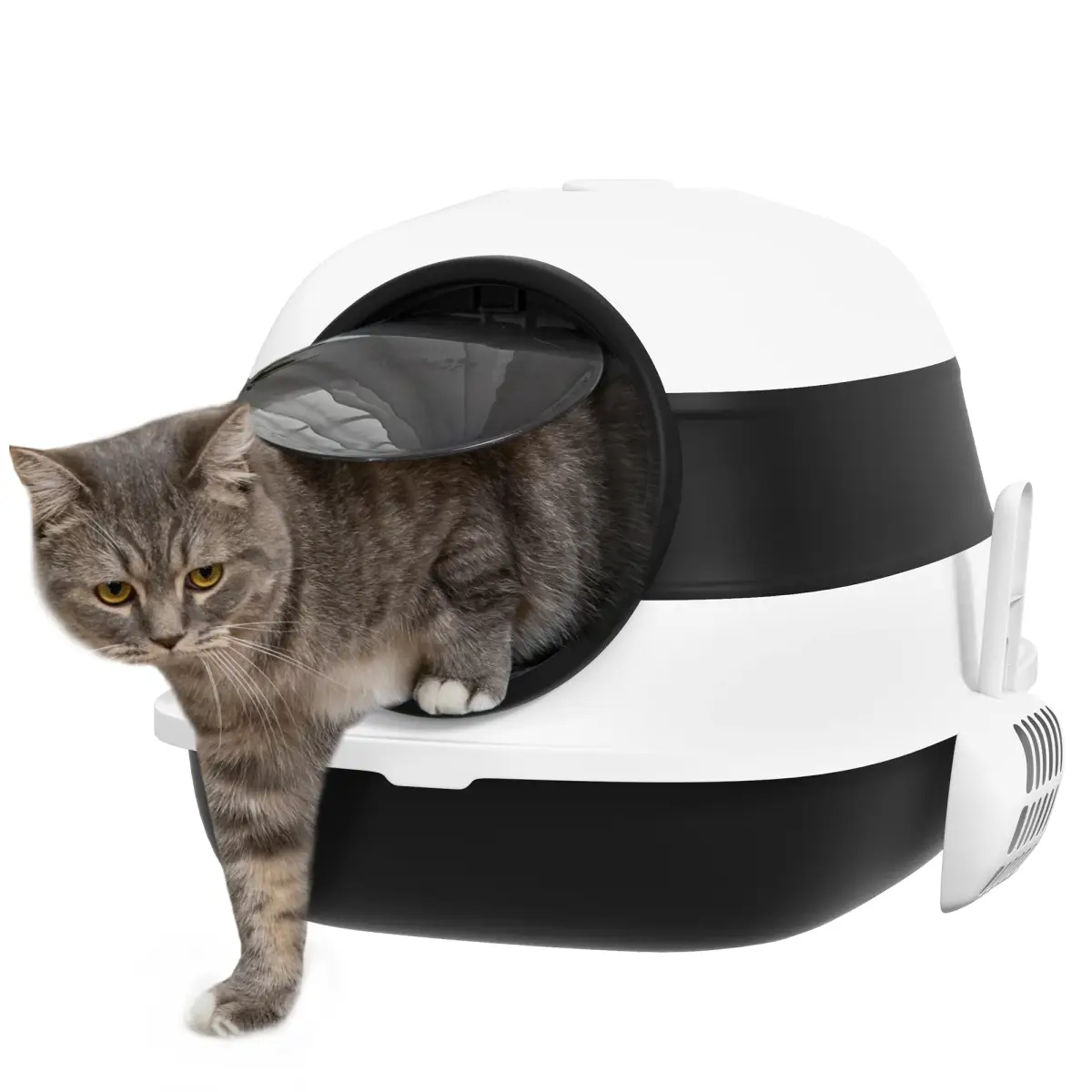
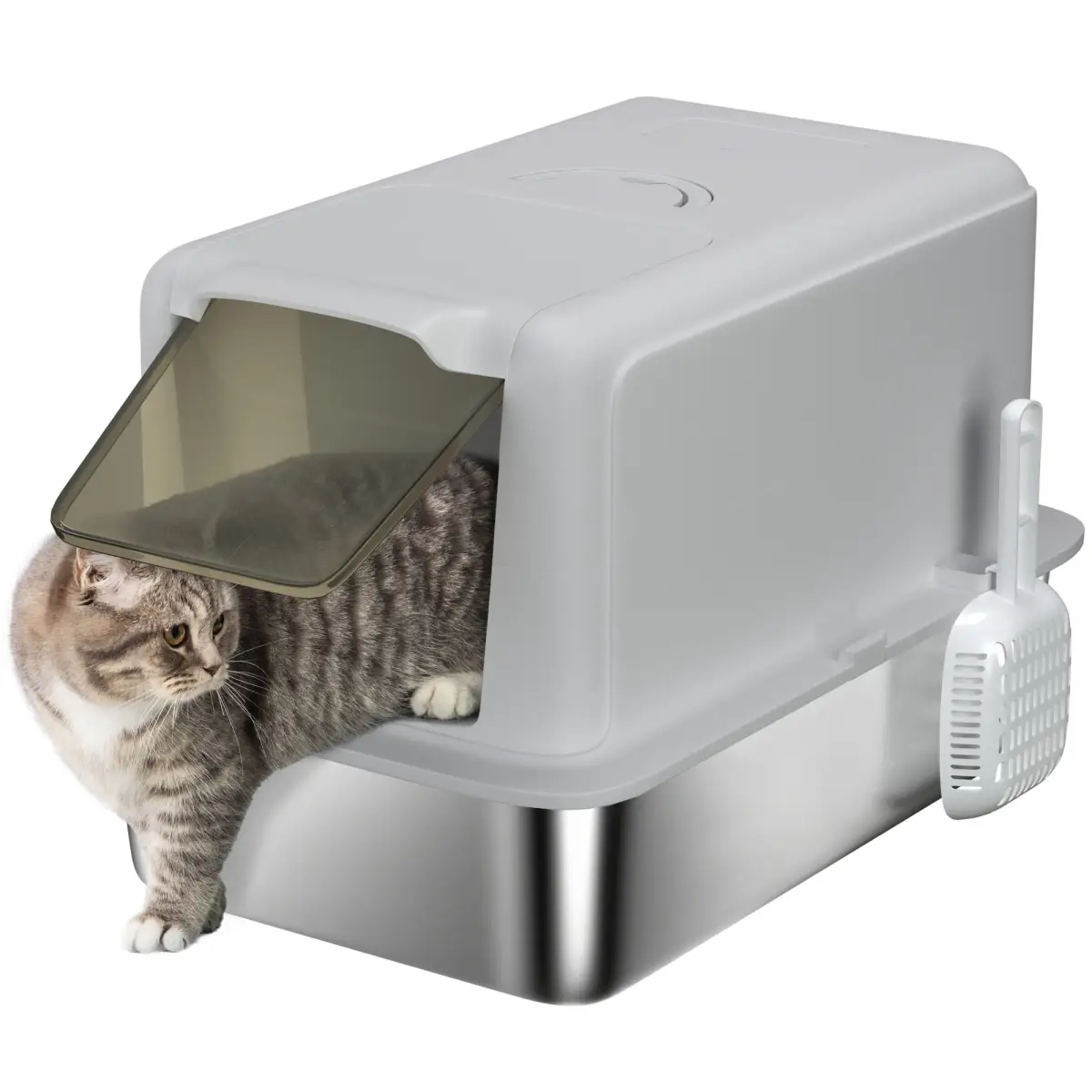
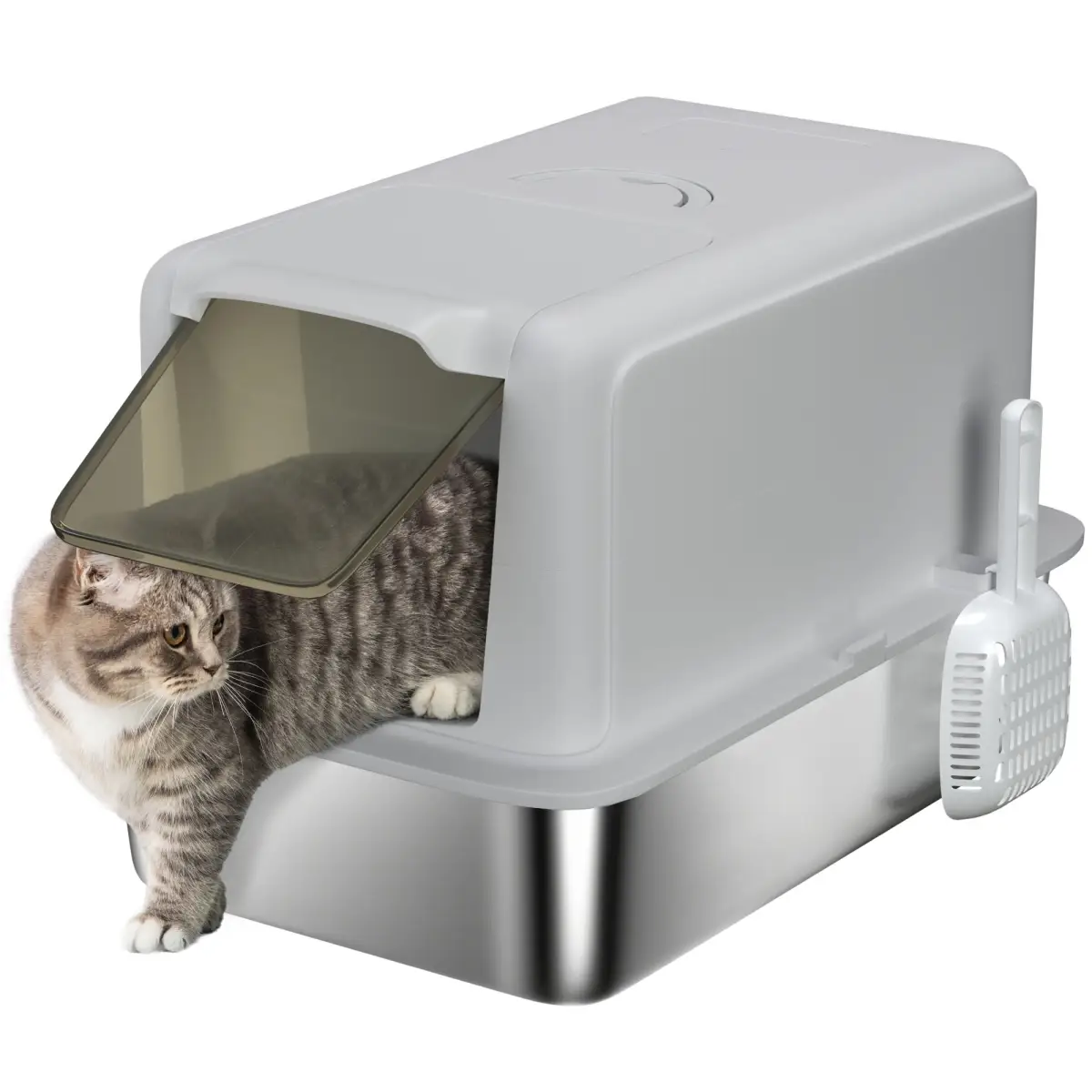
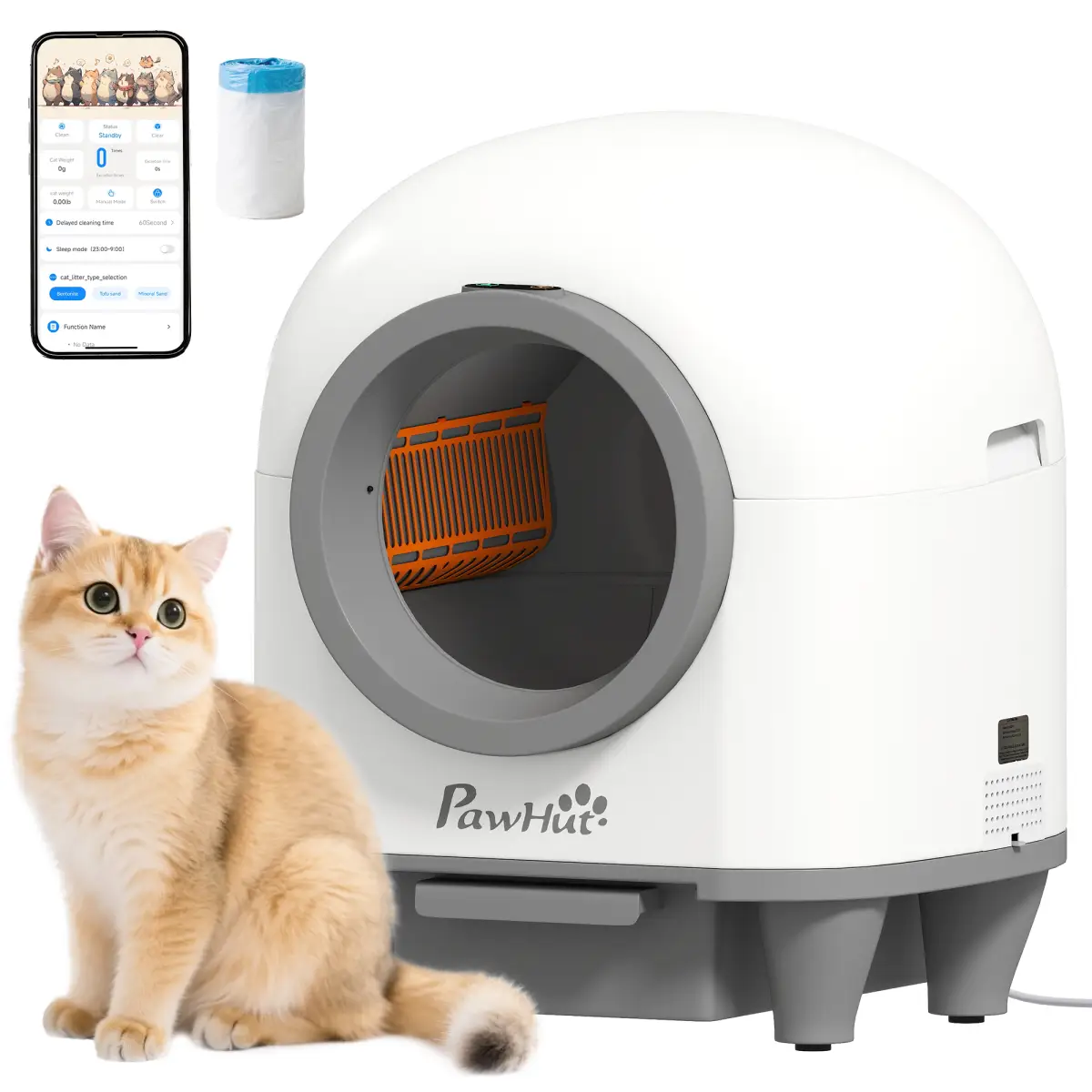
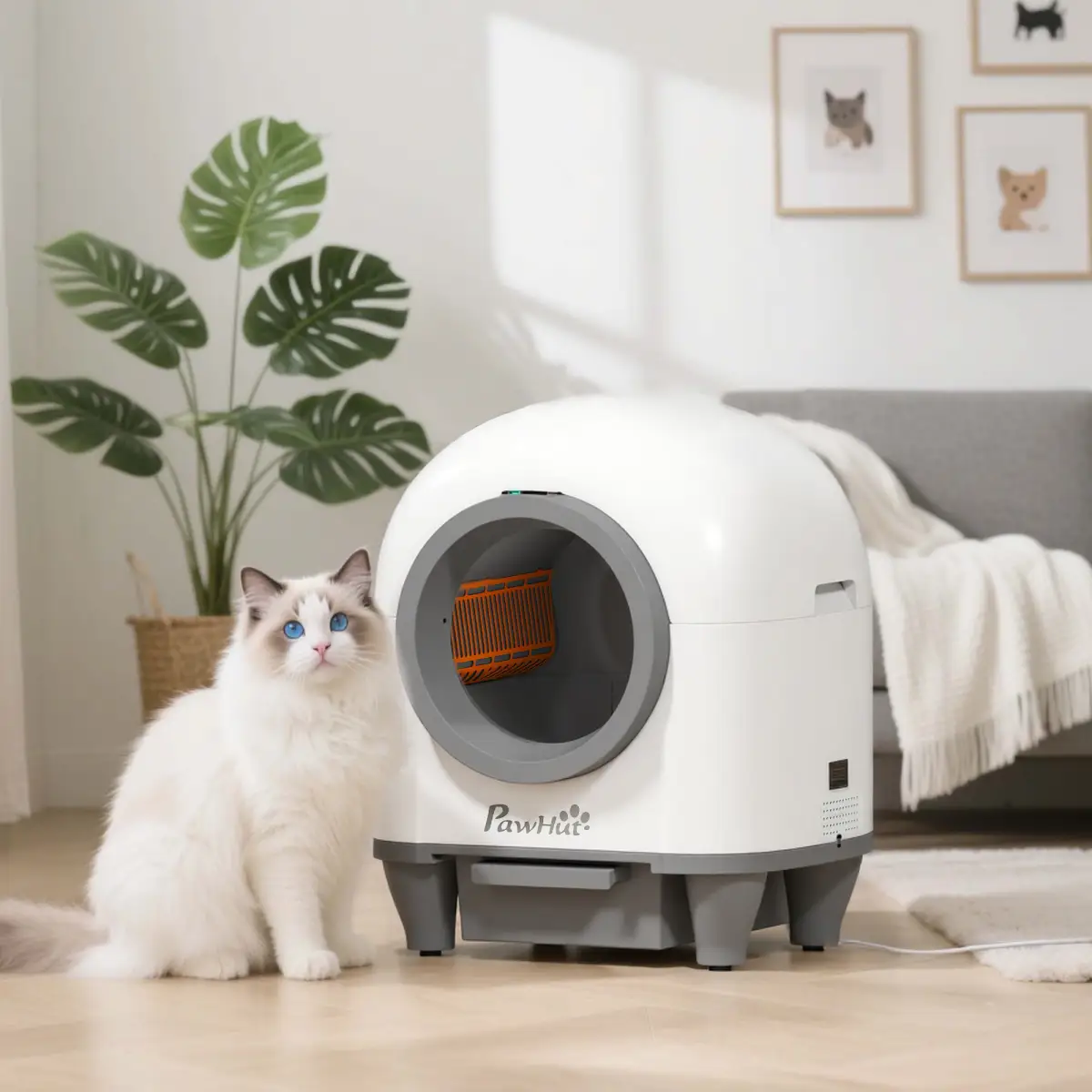
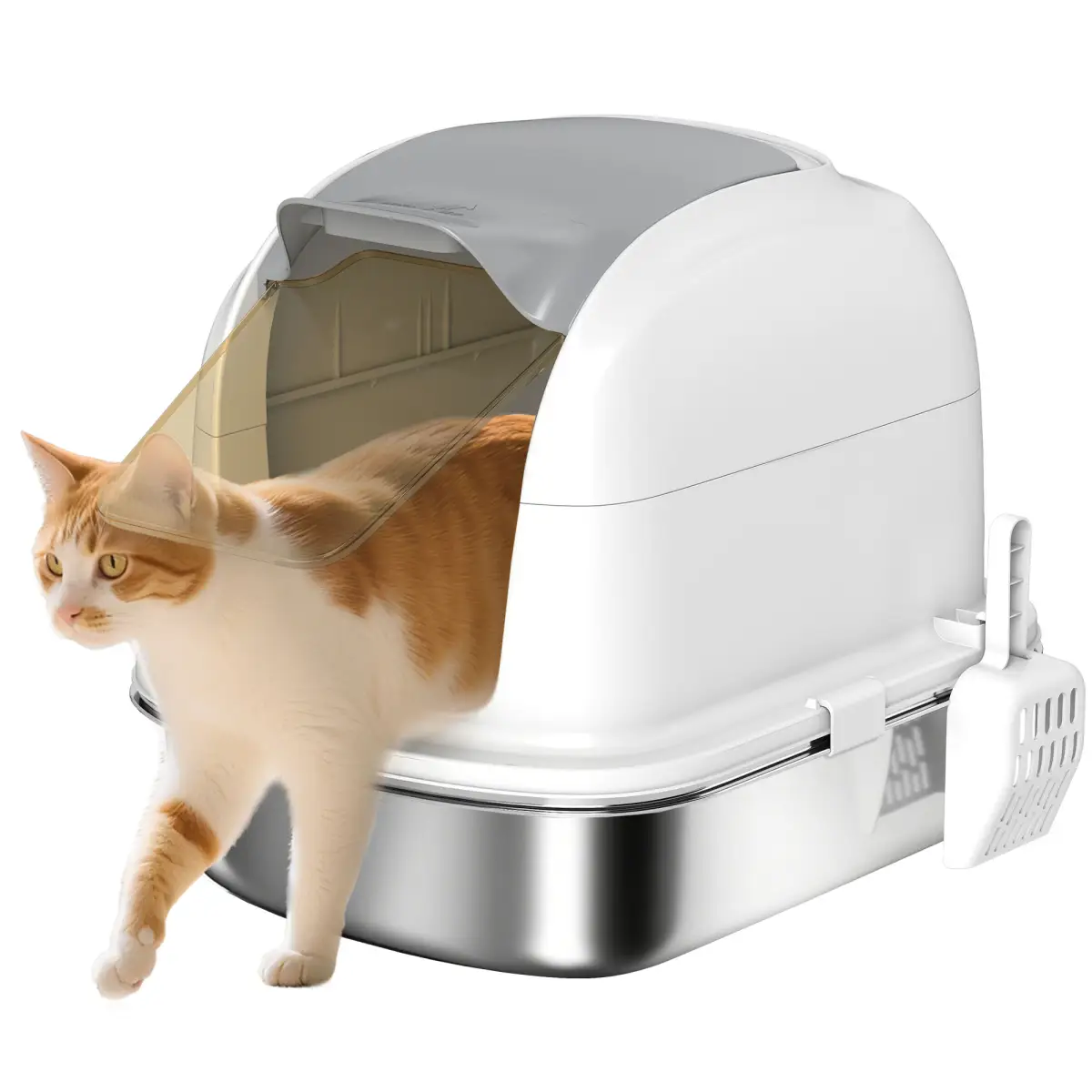
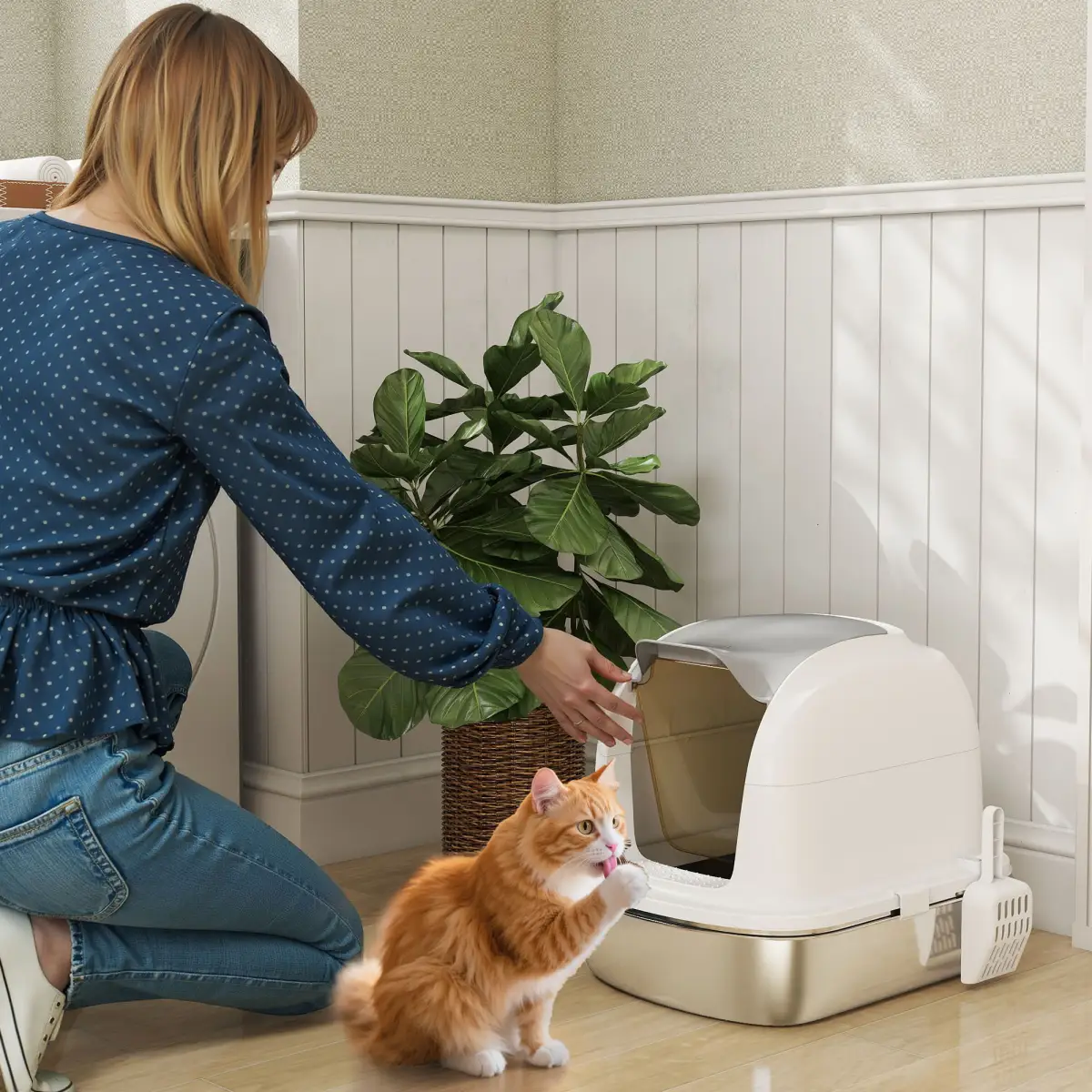
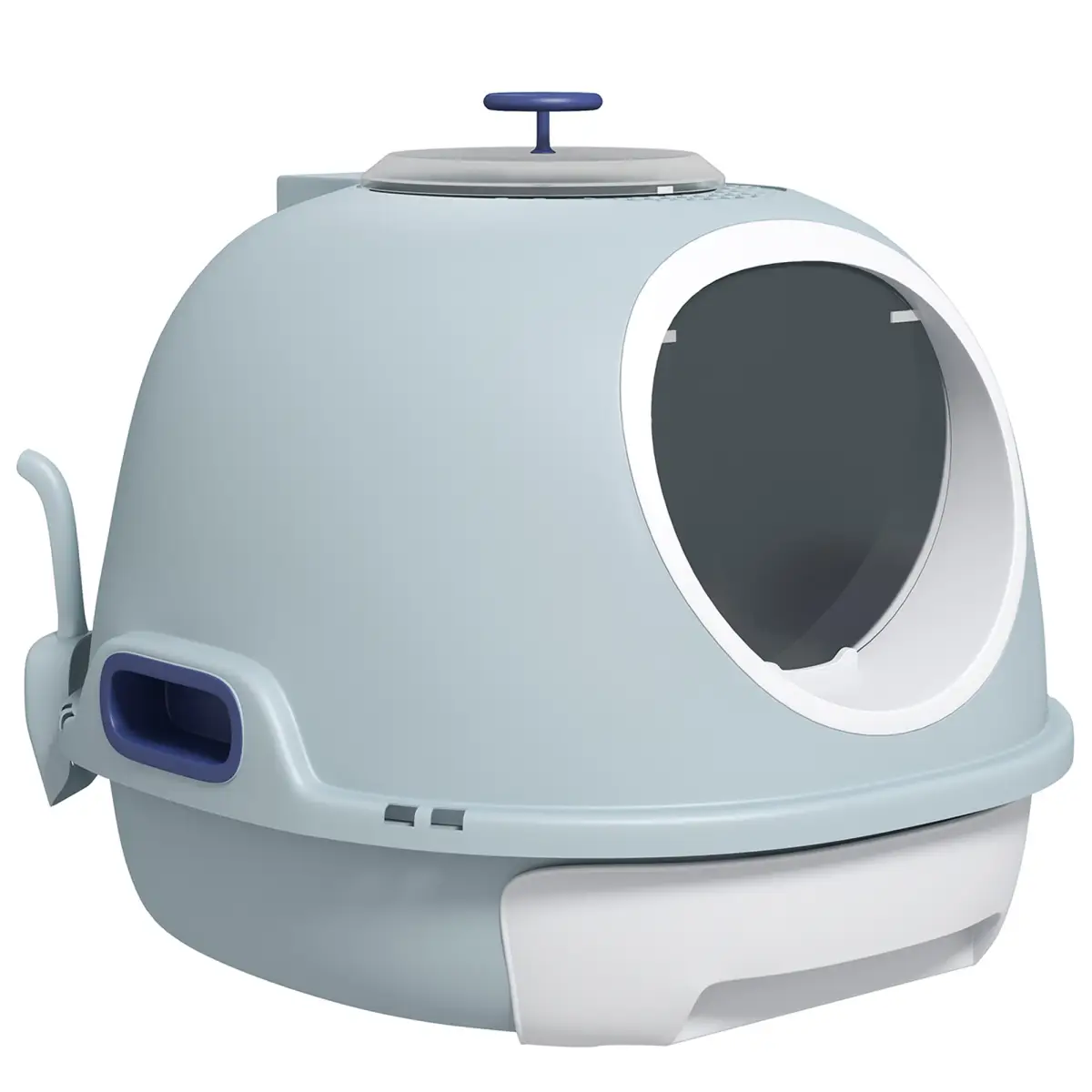
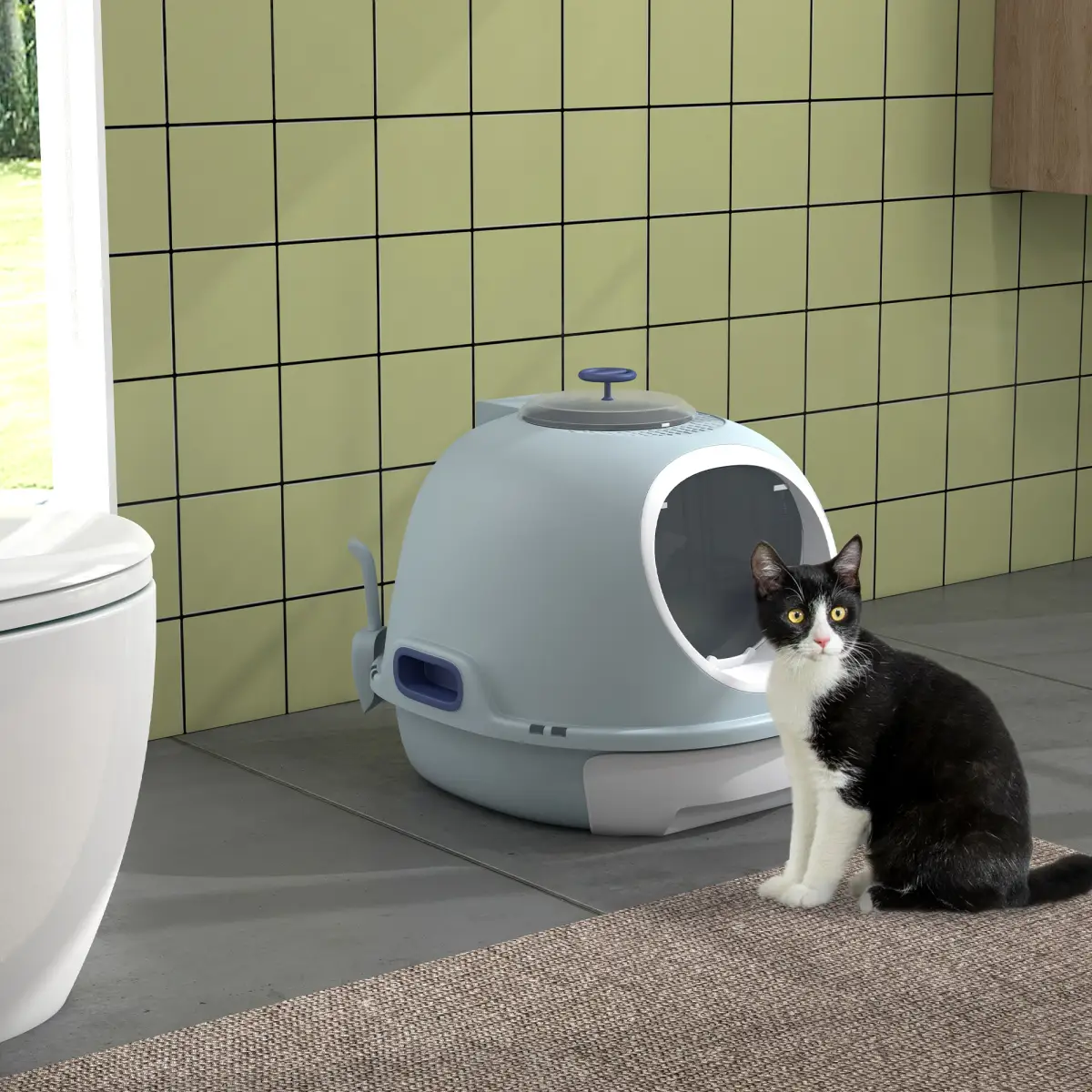
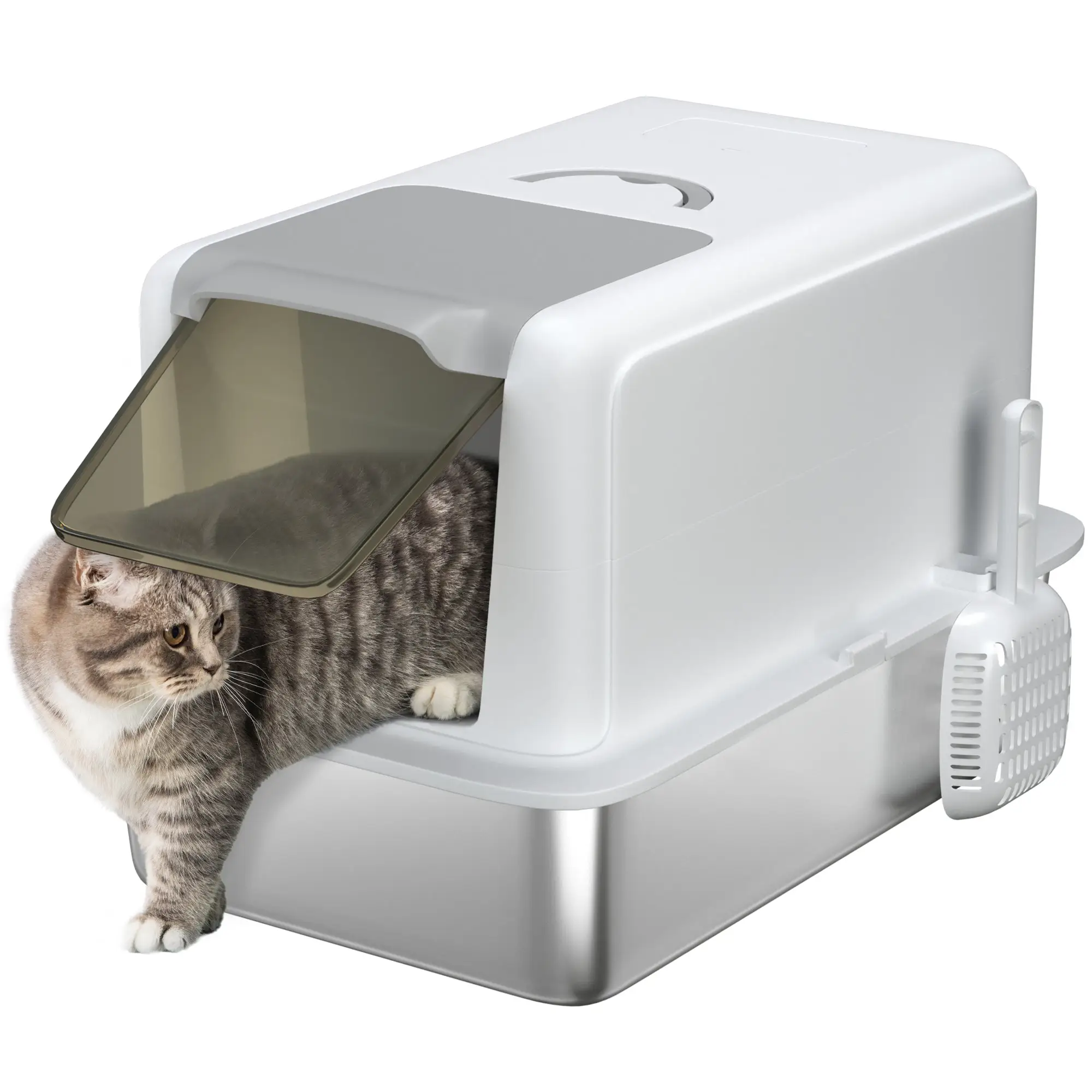
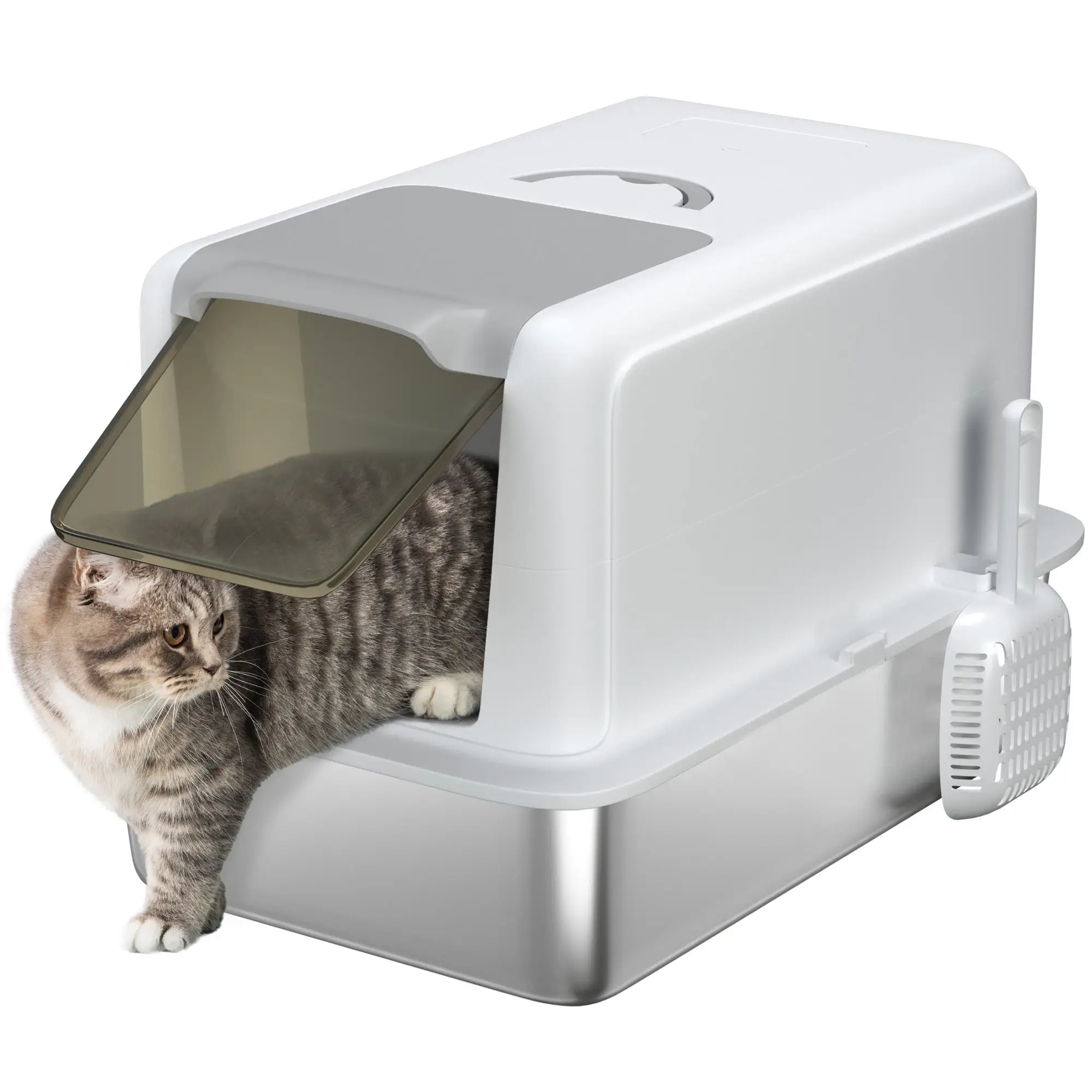
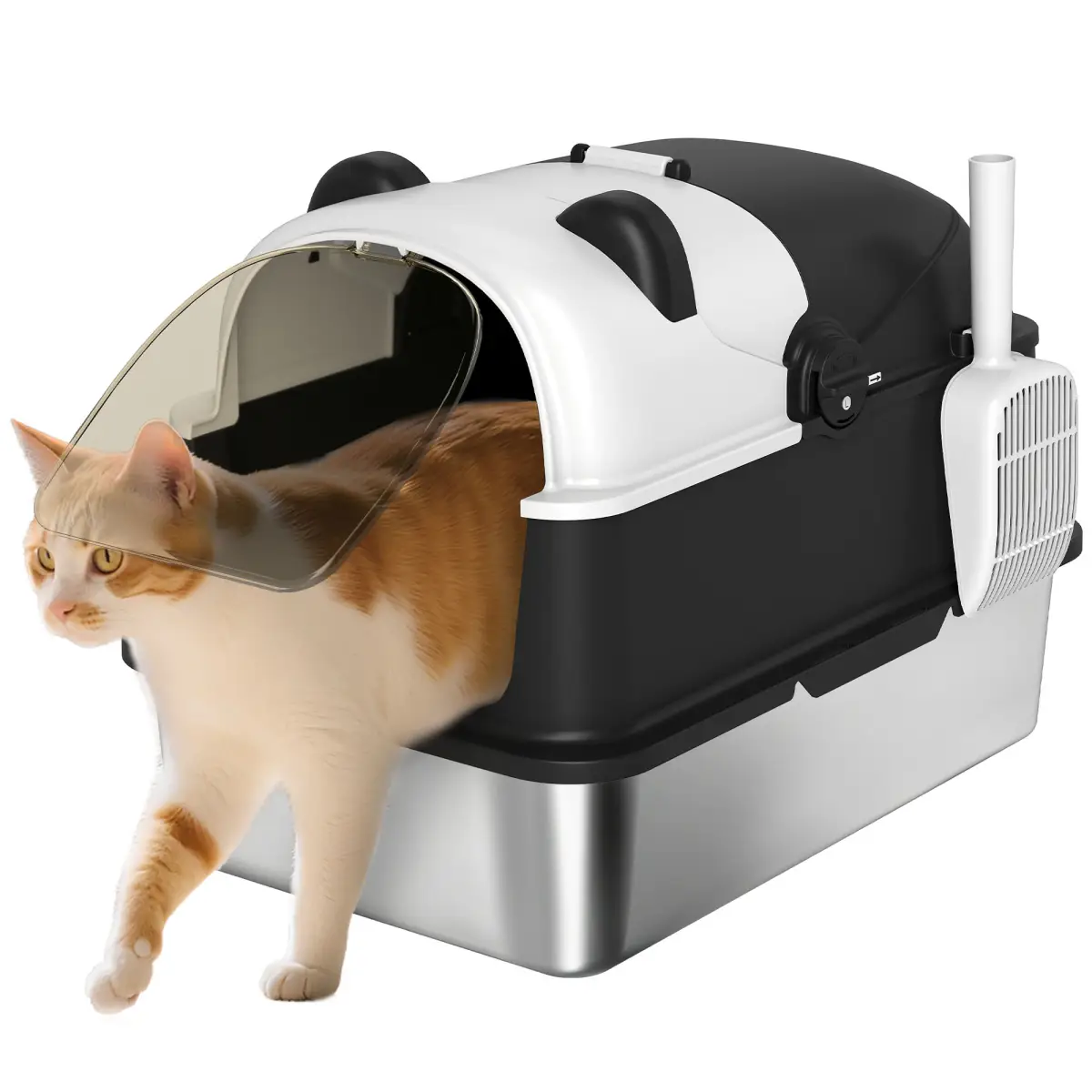
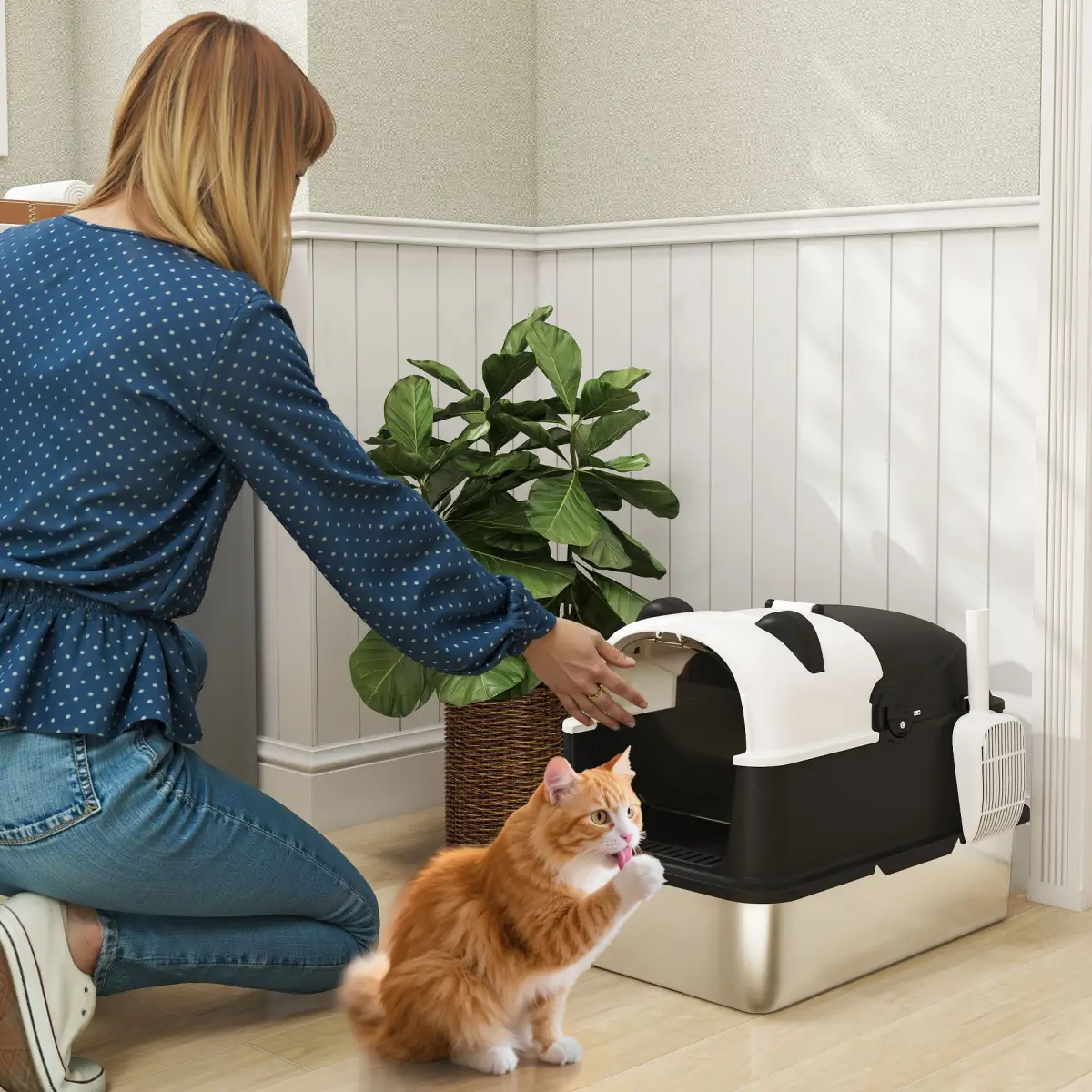
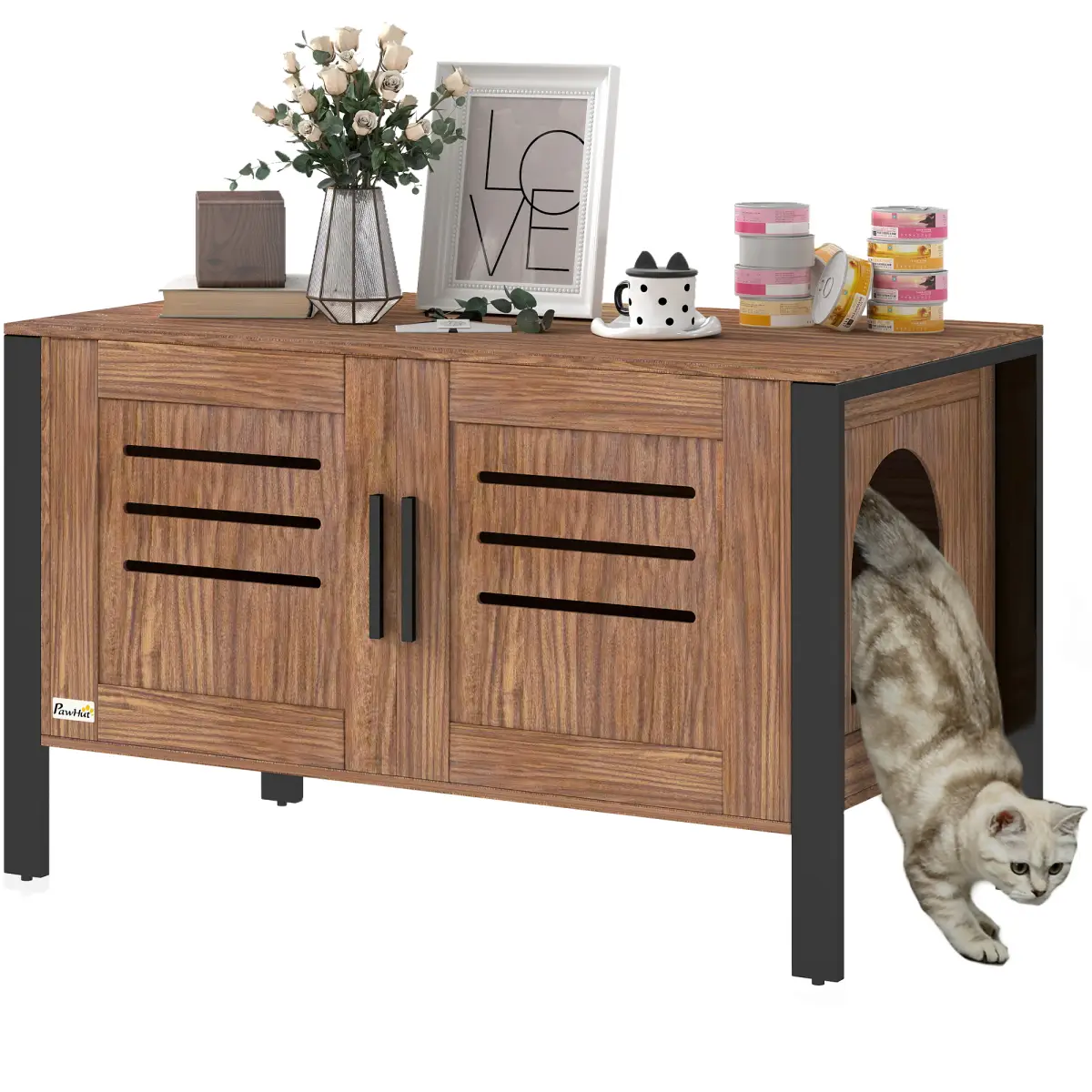
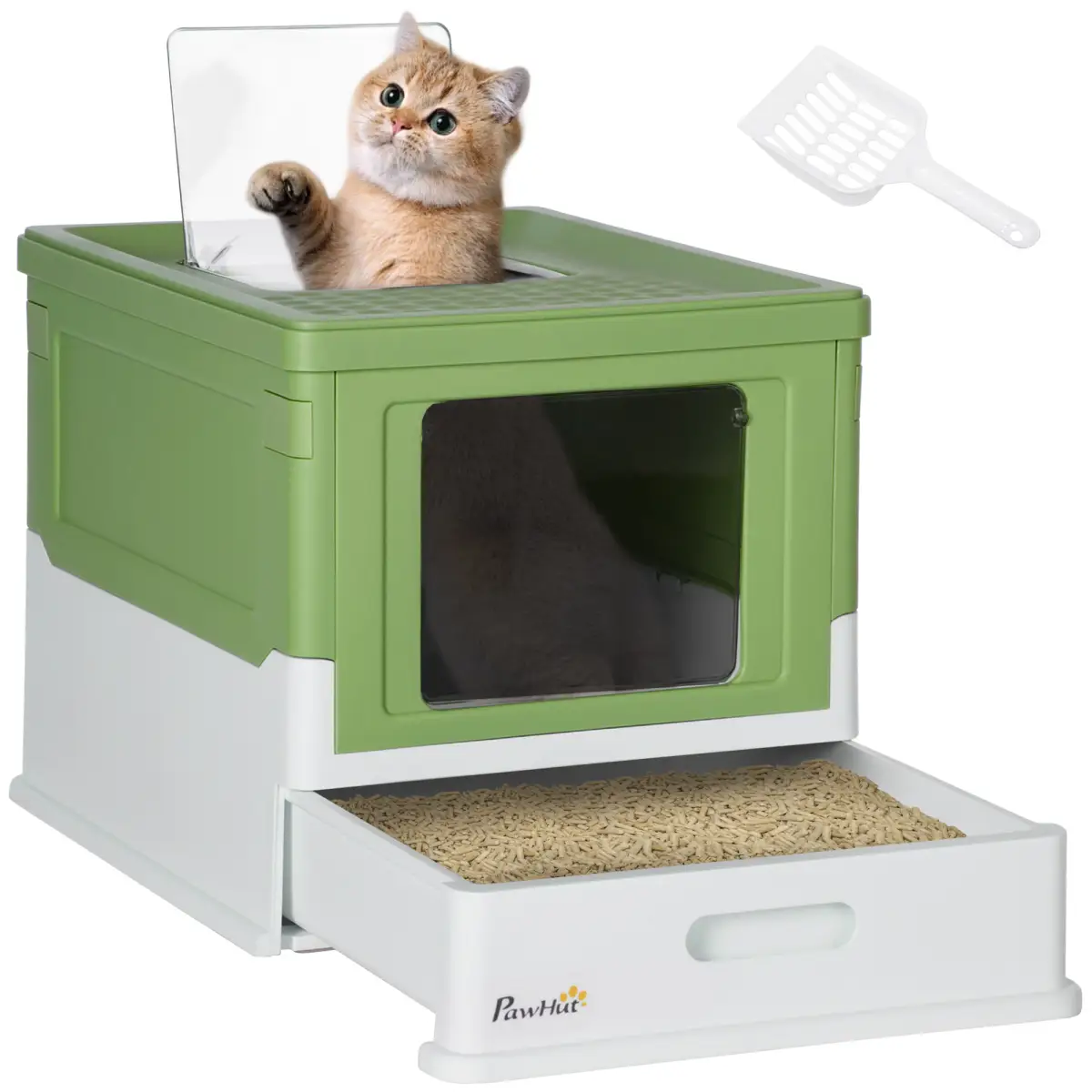
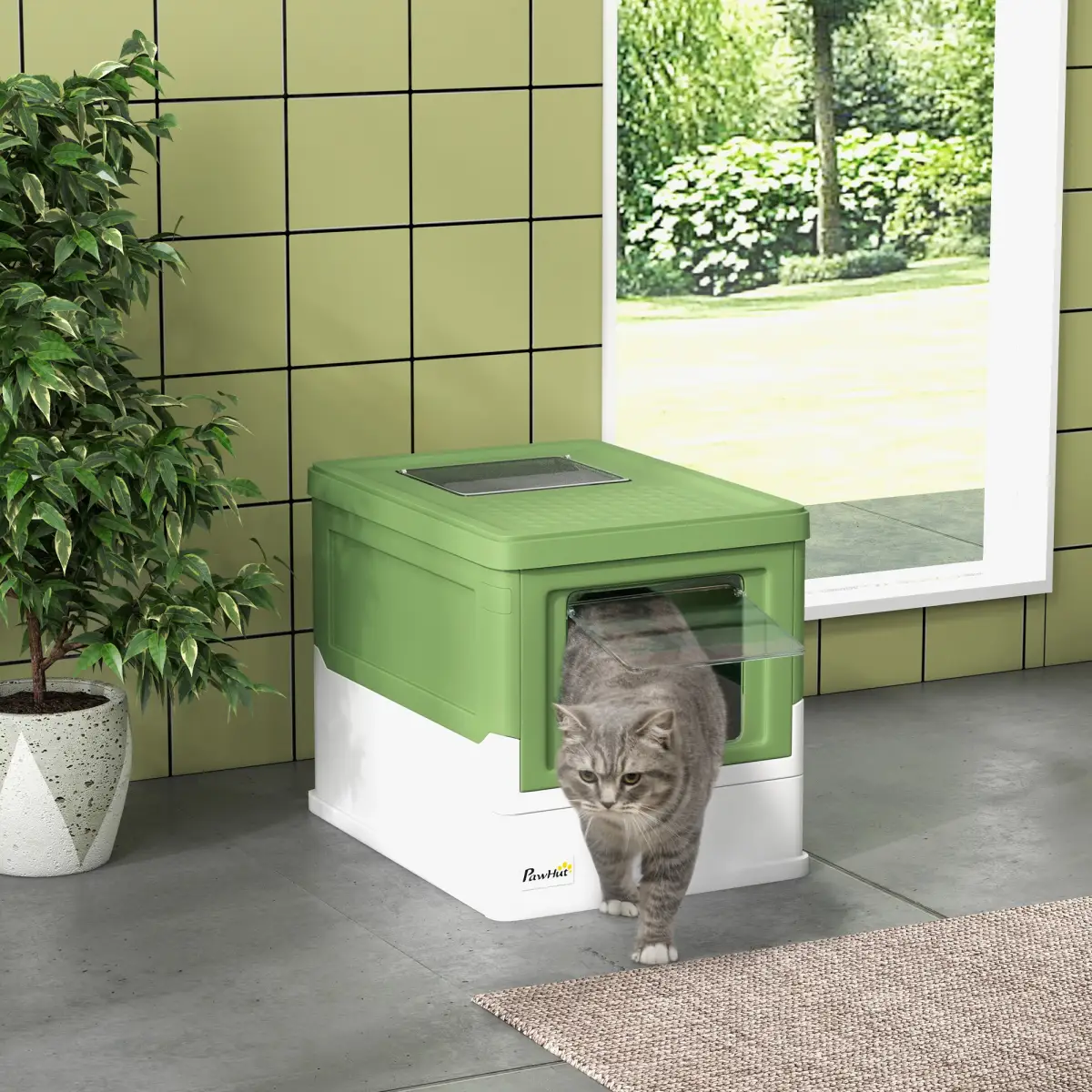
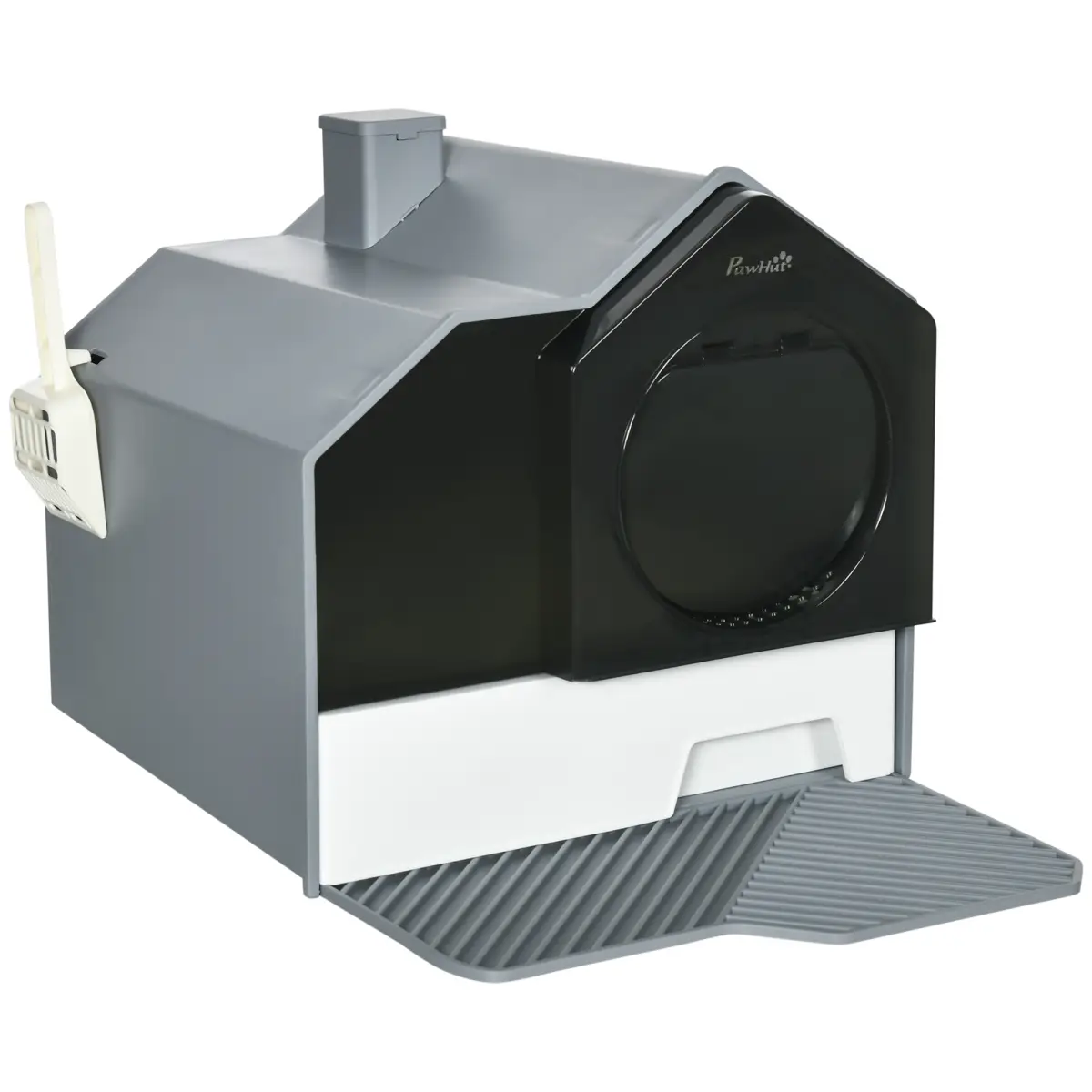
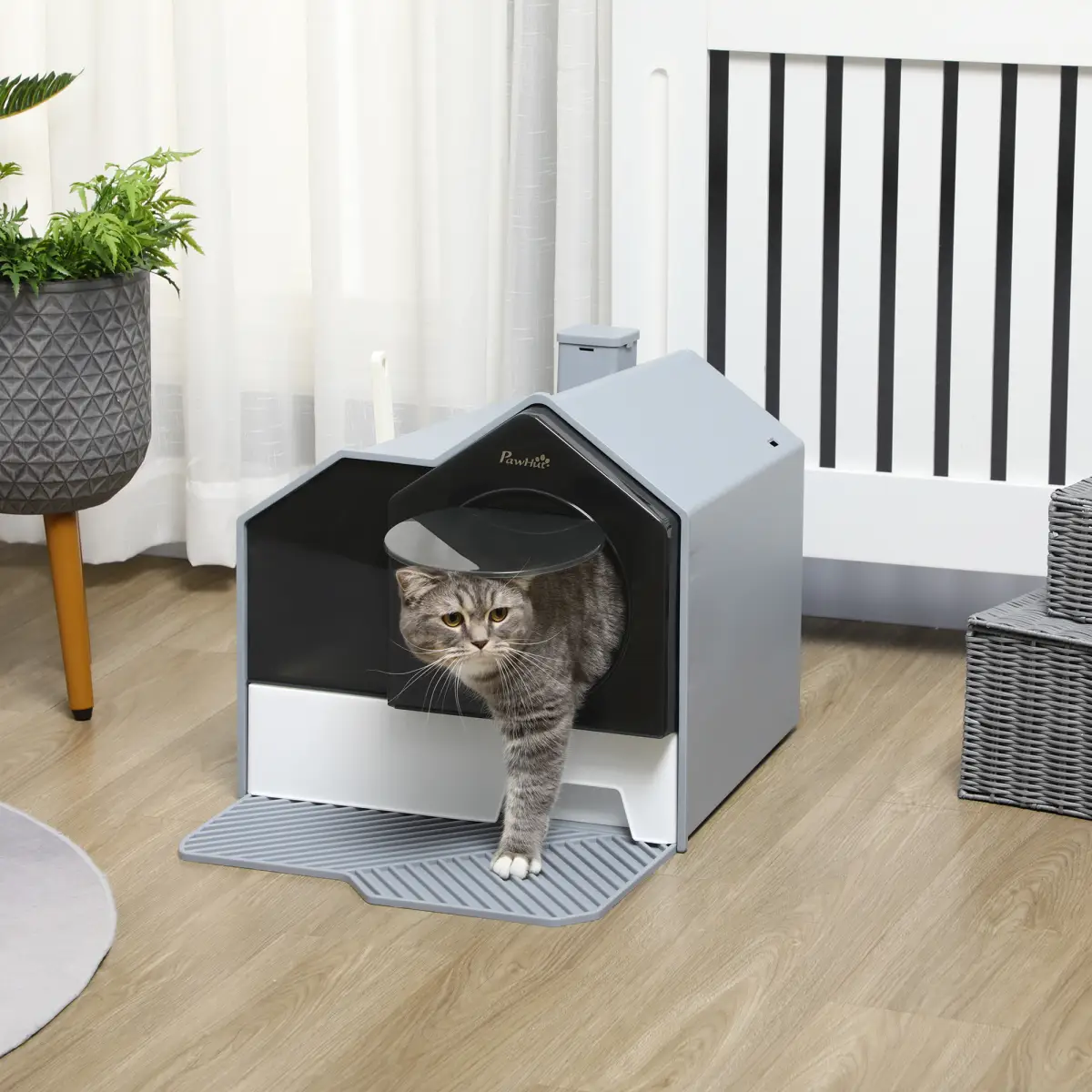
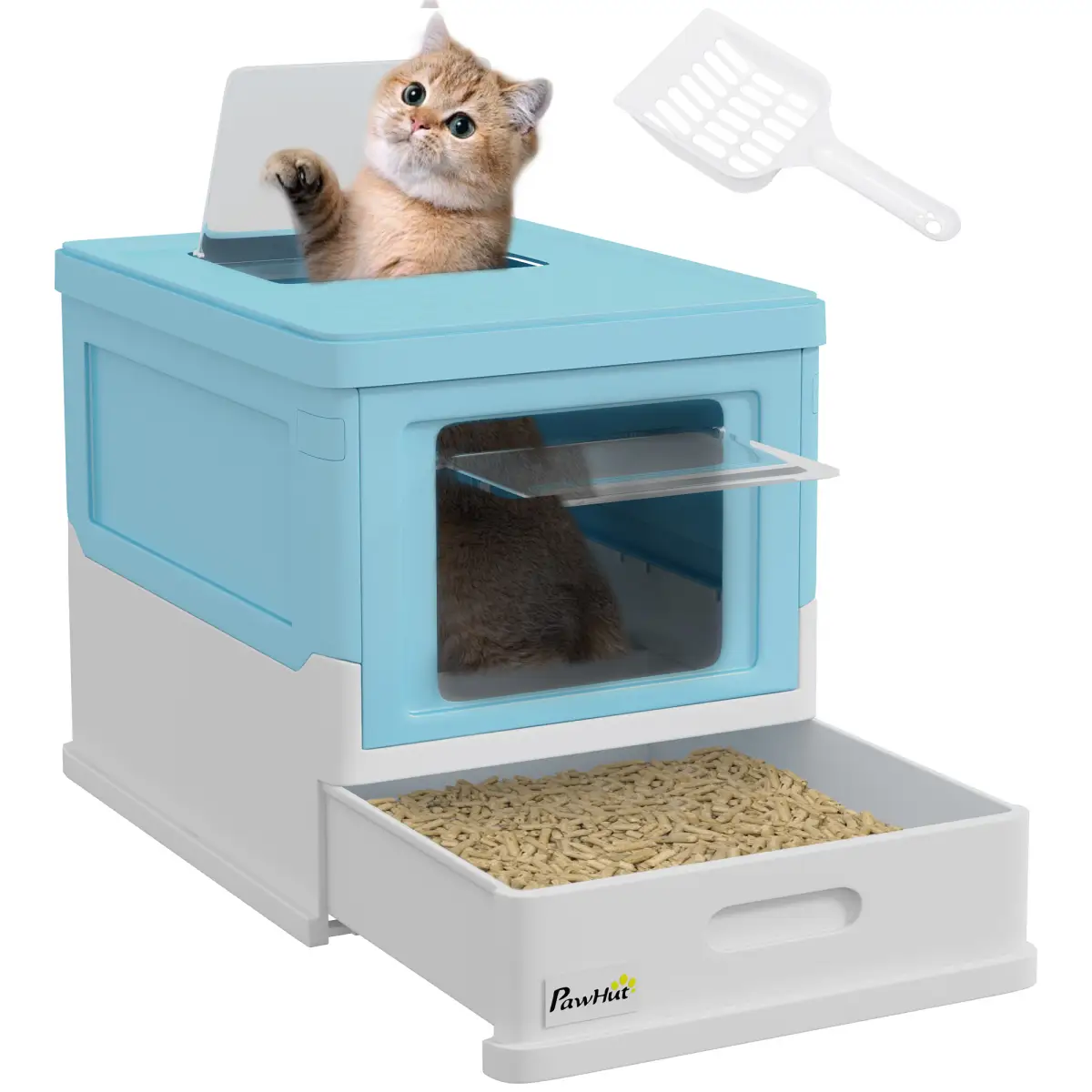
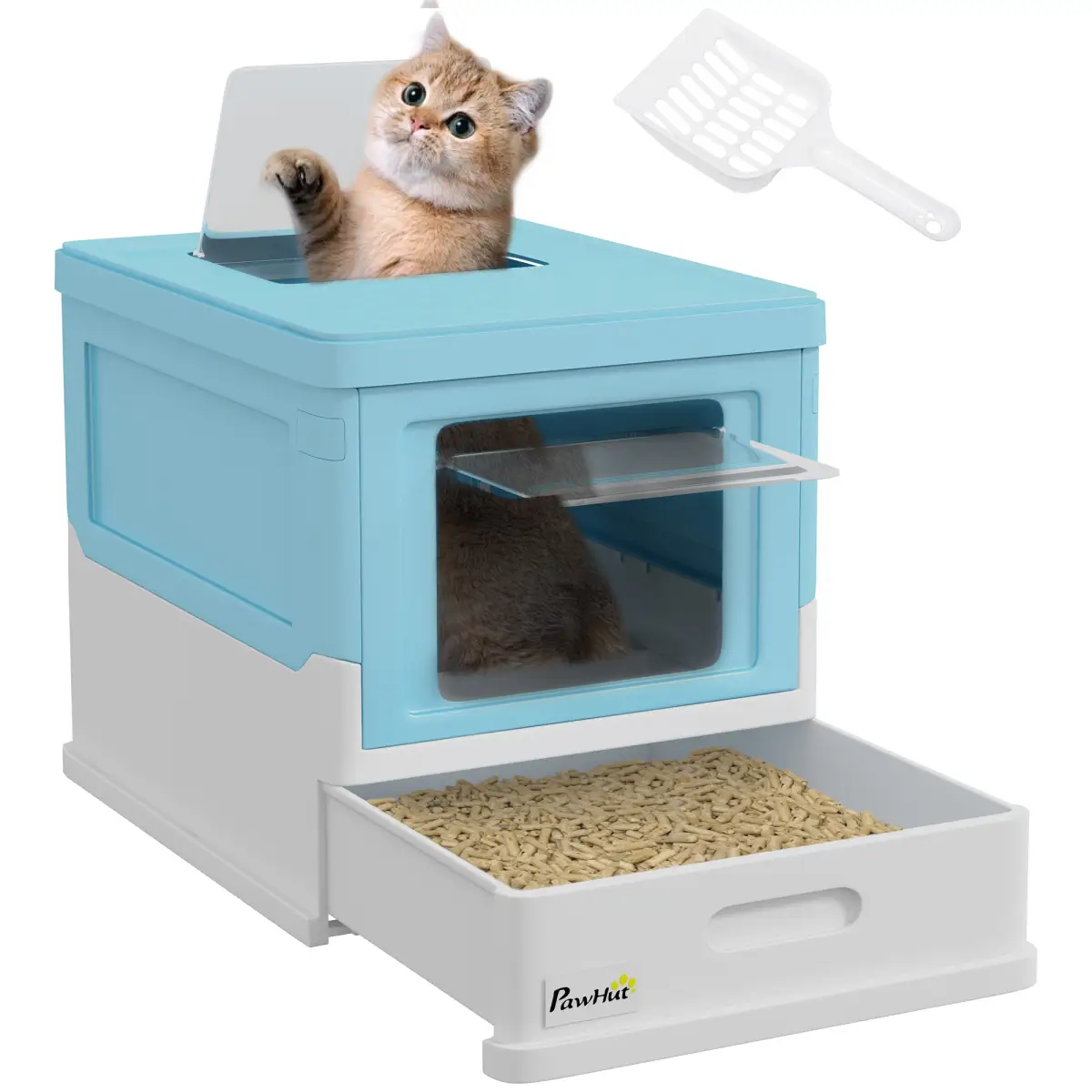
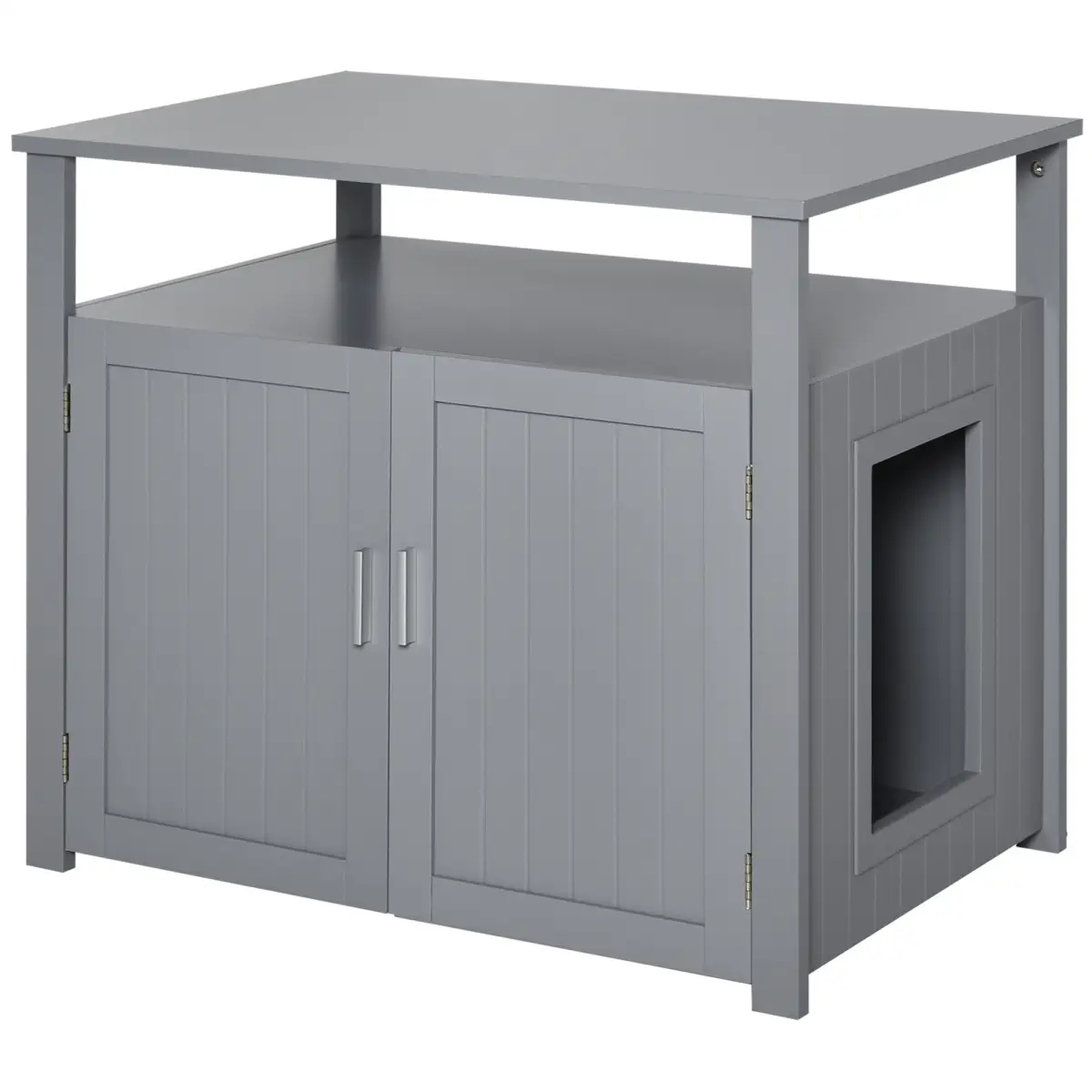
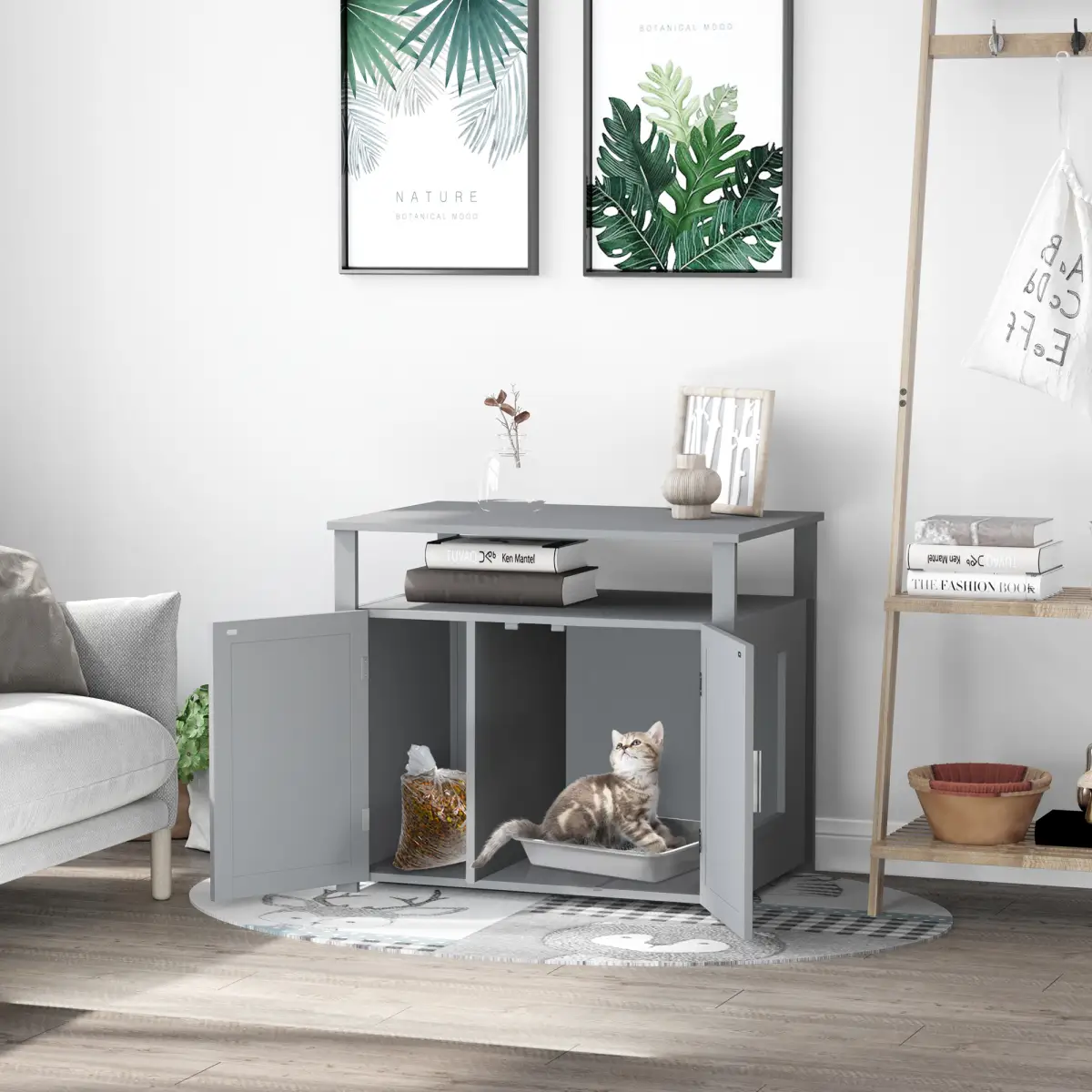
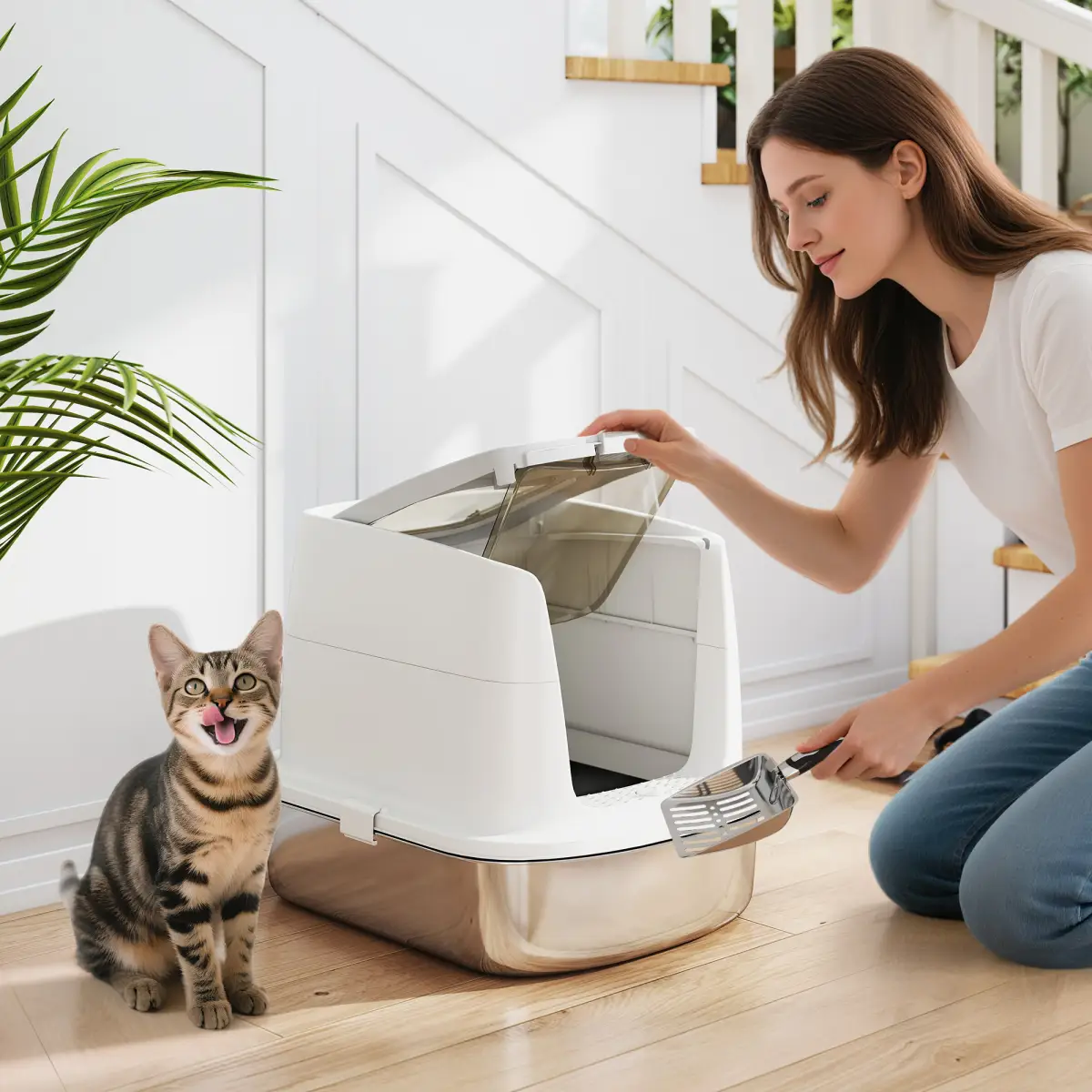
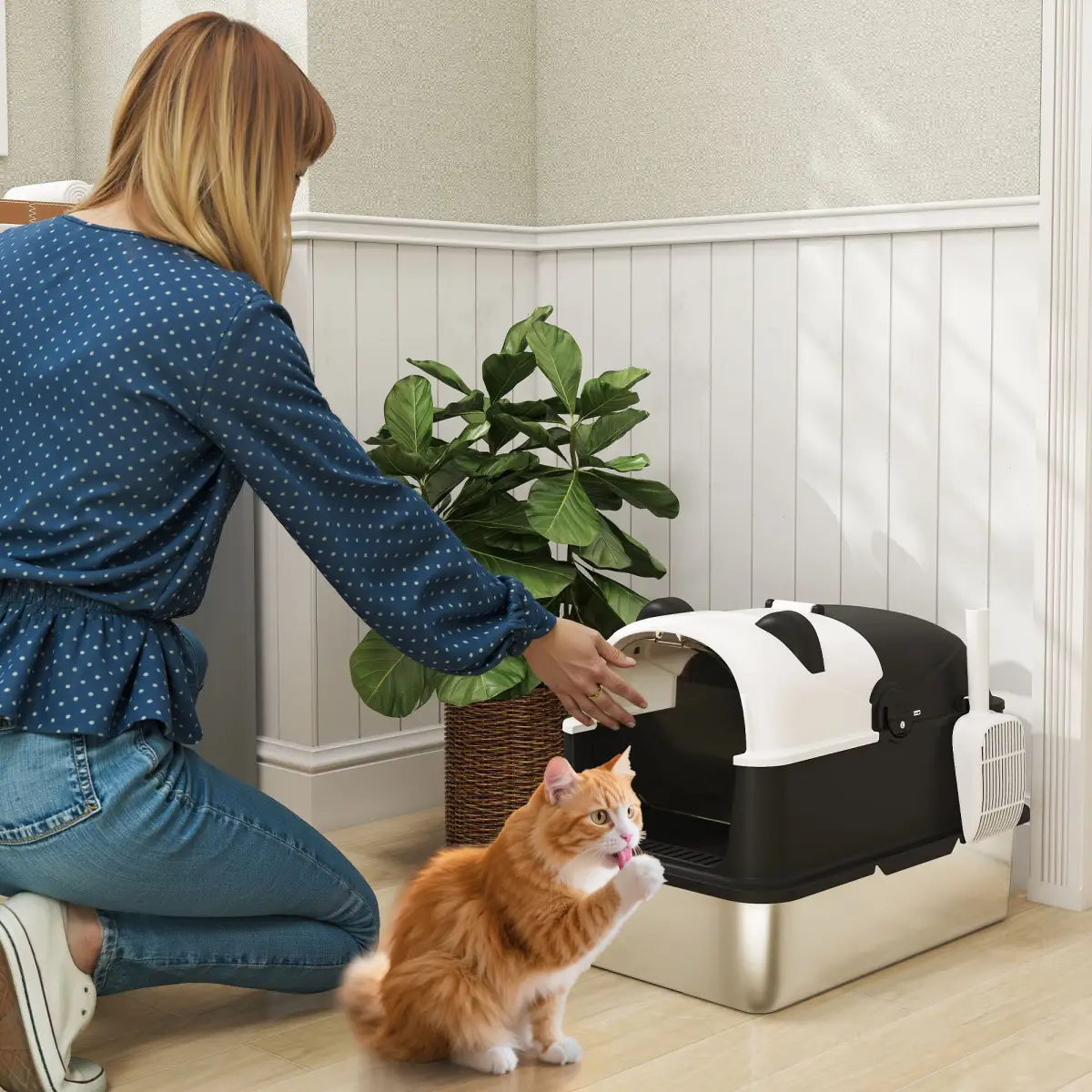
Open trays are the simplest option and many cats prefer them, since nothing blocks their view. The trade-off is that odour and stray litter aren't contained. Hooded trays add a removable lid, which cuts down on smell and gives shy cats somewhere to feel tucked away. Fully enclosed boxes take that further, and some include a top exit that helps keep litter in the box rather than tracked across your floor. If you have more than one cat, or the tray sits in a busy part of the home, a hooded or enclosed box is often the easier choice to live with.
Why stainless steel is worth it
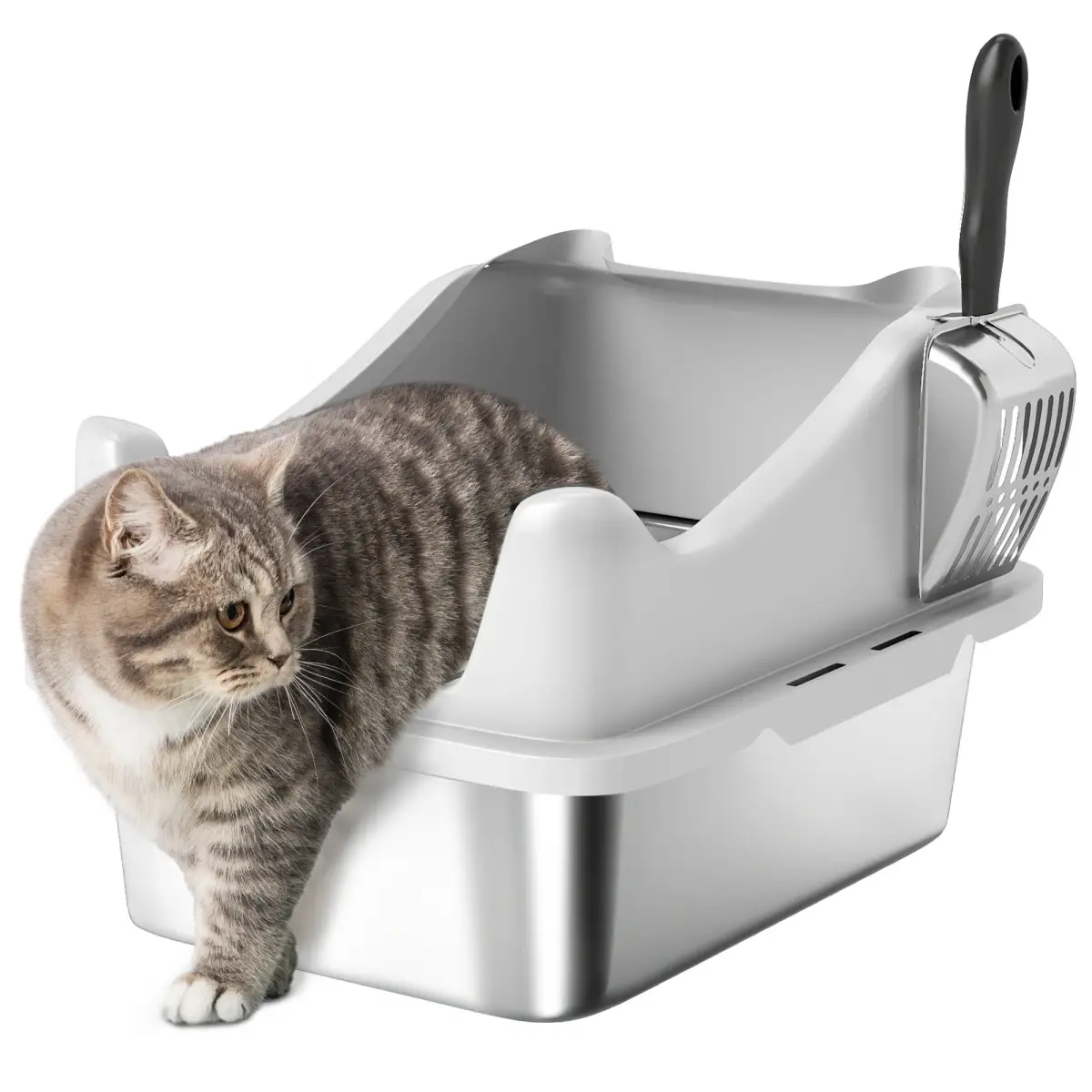
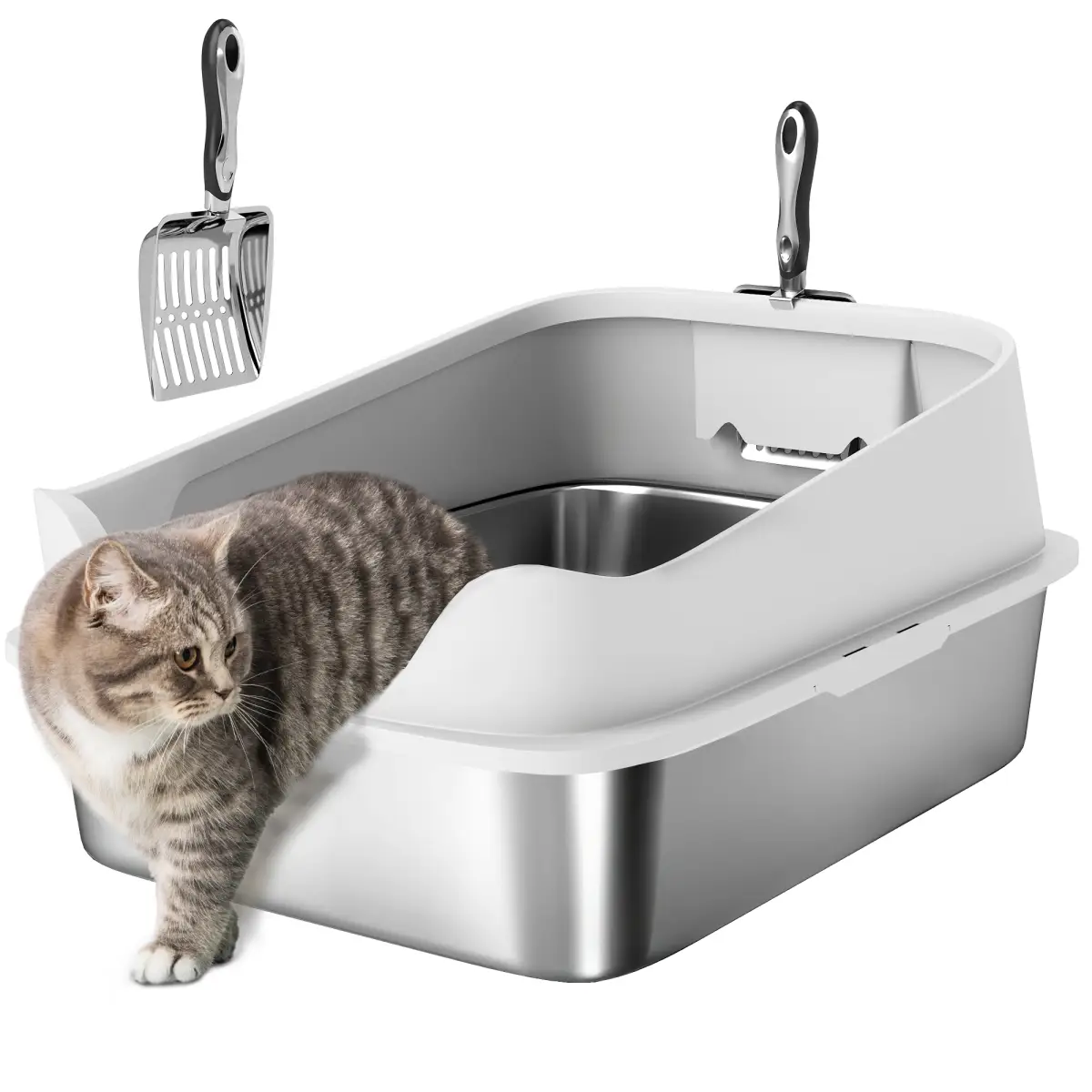
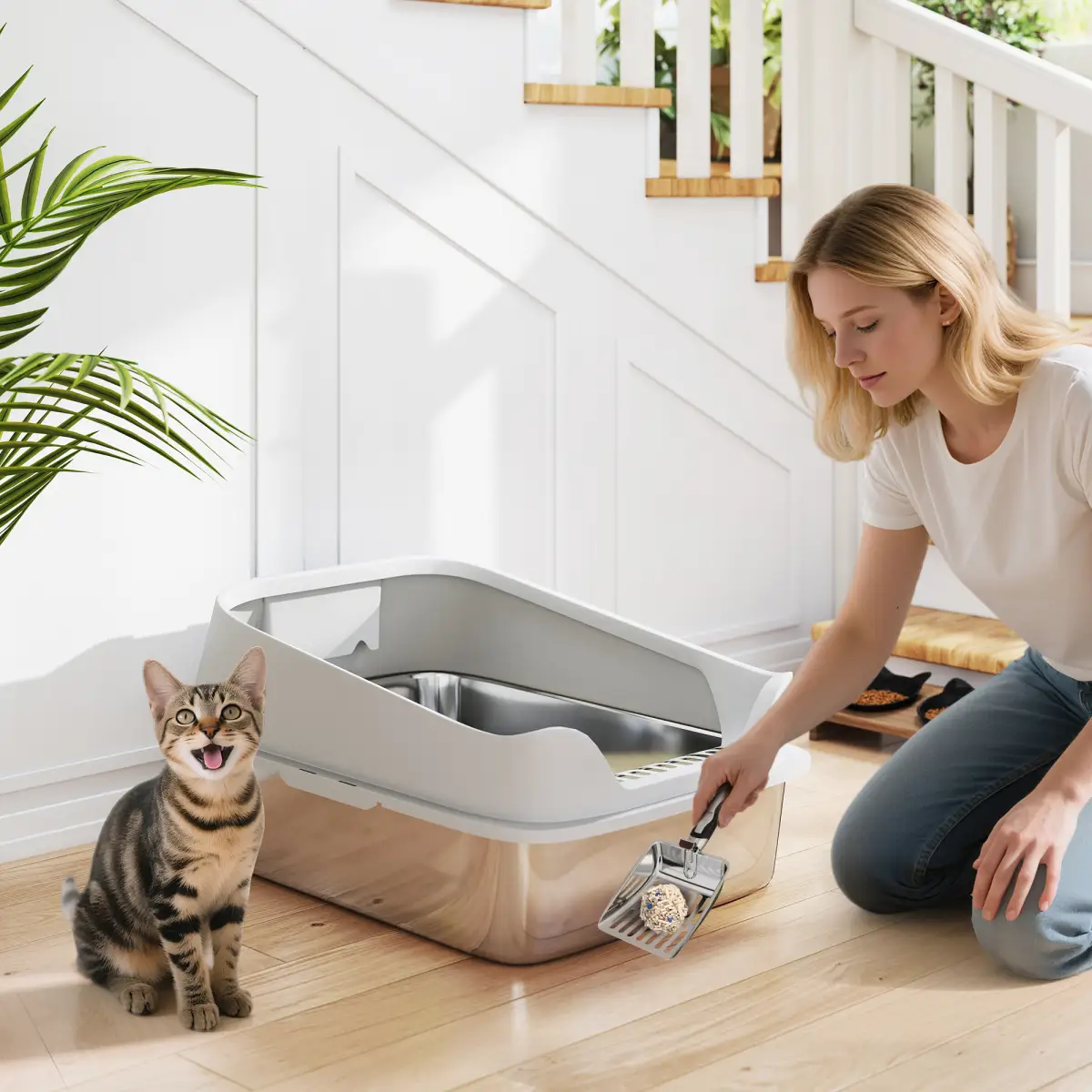
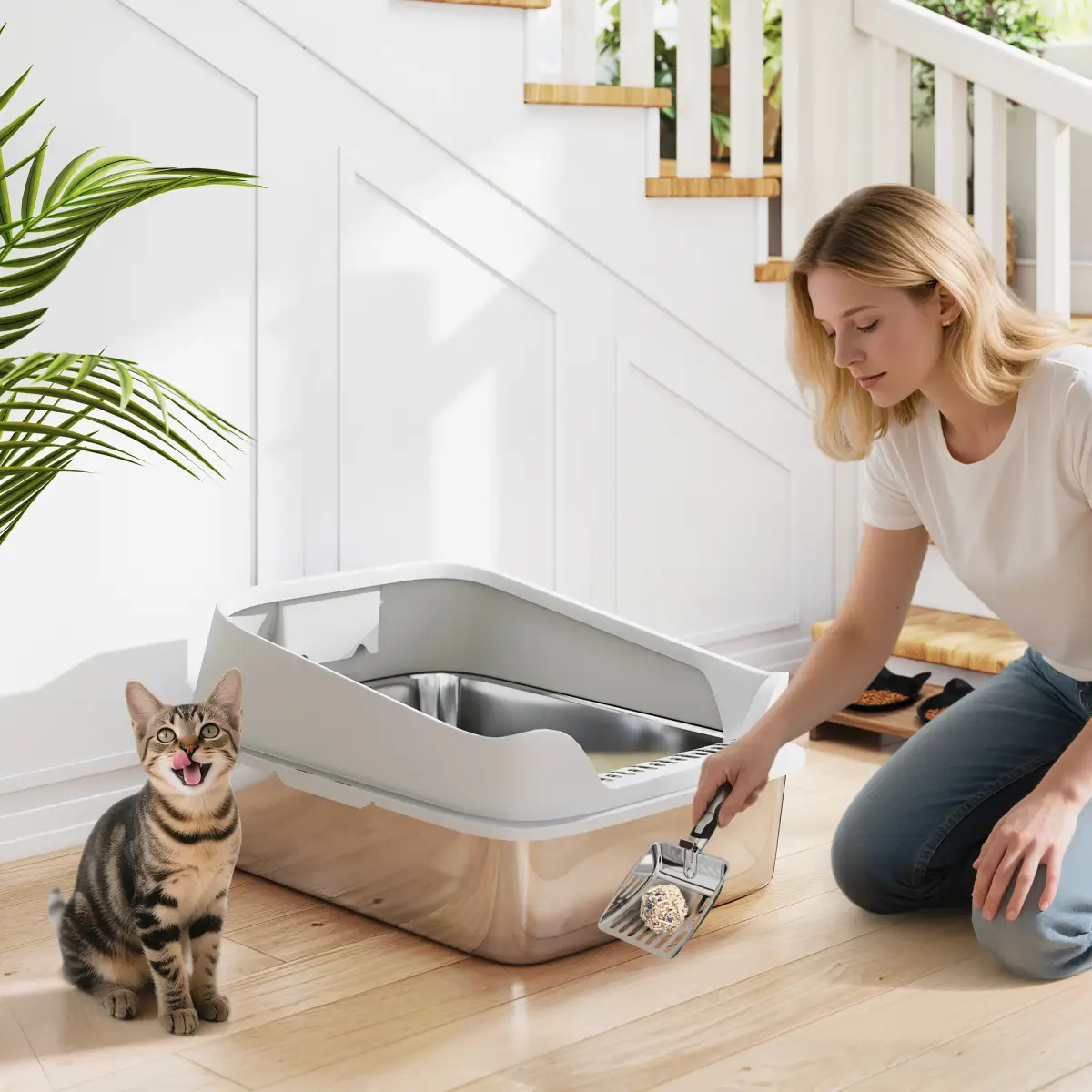
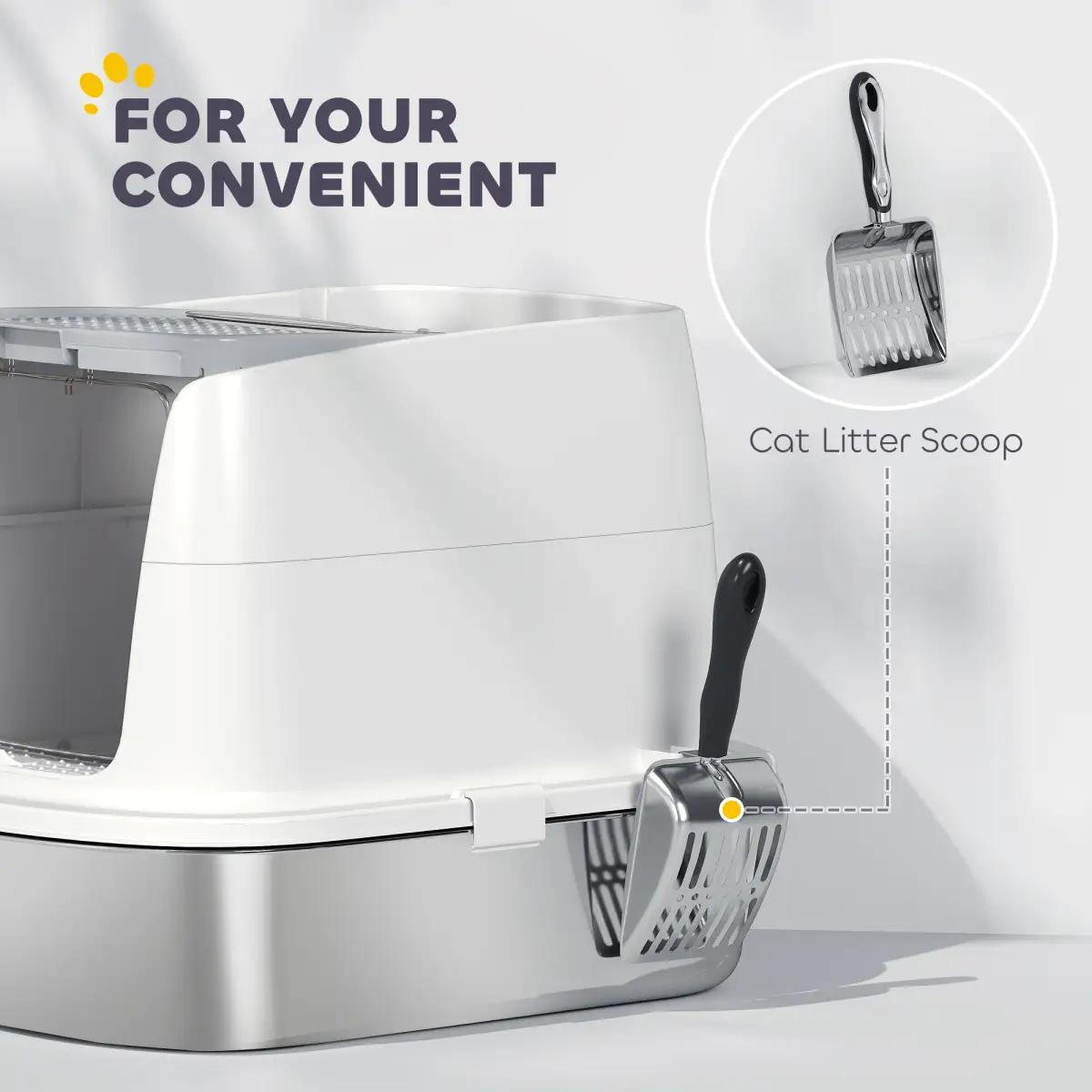
Plastic trays are cheap, but they absorb odour and develop tiny scratches that trap bacteria over the years. Stainless steel doesn't. It rinses clean, resists rust and tends to outlast several plastic trays, which makes it better value in the long run despite the higher upfront cost. Many of ours come with a scoop, so scooping and full cleans are straightforward.
Keeping the tray fresh
Wherever the tray sits, a daily scoop and a full change of litter once or twice a week keeps things pleasant for you and your cat. A tight-fitting hood and a mat under the tray both help with tracking and smell.
Once you've chosen, checkout is quick. We offer free delivery to the UK mainland, excluding Northern Ireland, with dispatch in 3 to 5 working days and no hidden fees. If you change your mind, returns are welcome, though for change-of-mind or non-faulty returns the return postage is covered by you.